


Hard water stains on plastic can be a frustrating eyesore, making your once vibrant items look dull and neglected. These mineral deposits not only detract from your decor but can also hinder the functionality of appliances. Discover simple and effective cleaning hacks that will restore clarity and shine, keeping your plastic surfaces looking their best.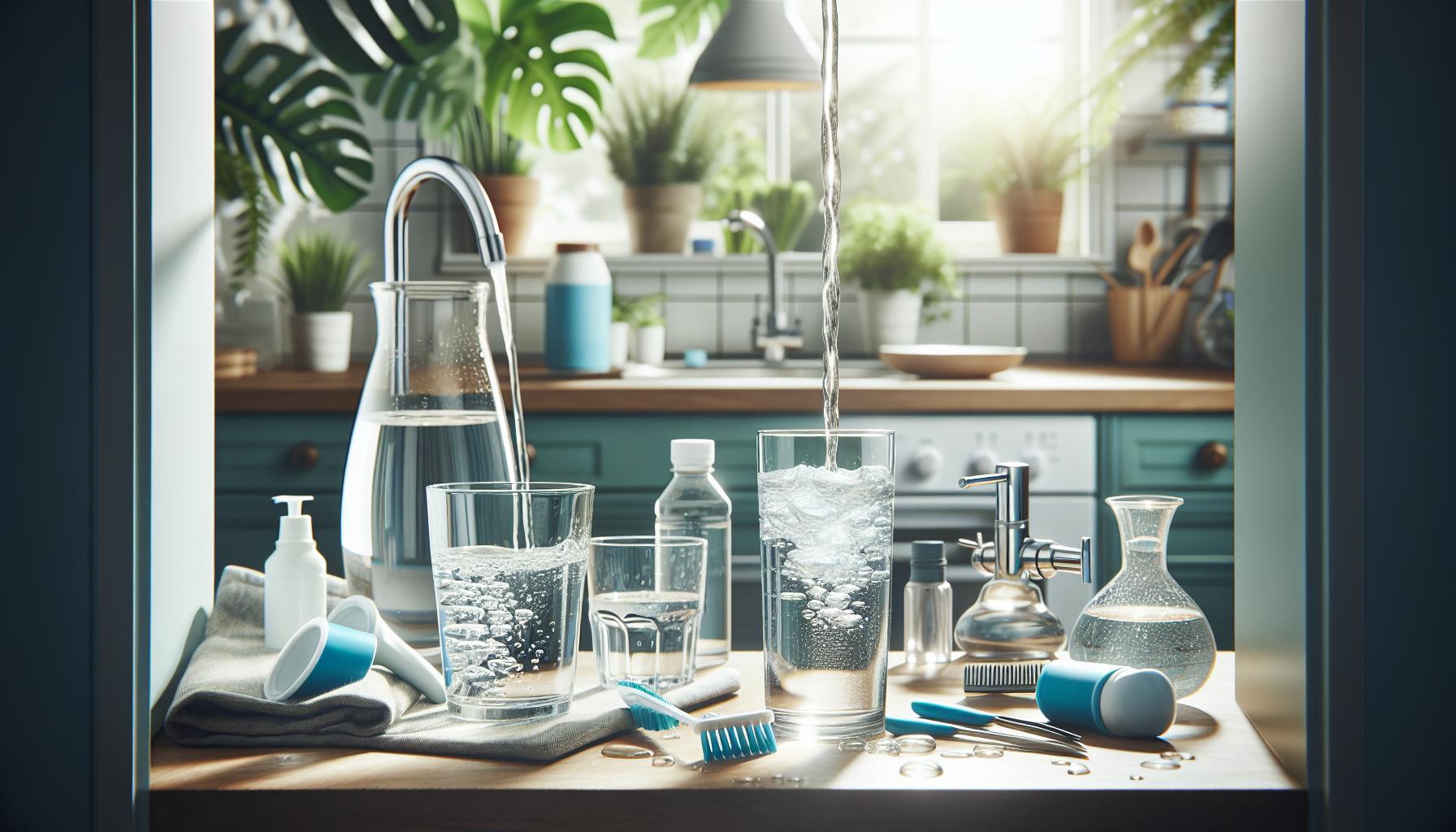
Understanding Hard Water Stains: What Causes Them on Plastic?
Hard water stains are more than just unsightly blemishes; they are a common issue that many households face, especially on plastic surfaces. Understanding what causes these persistent stains is essential for effective cleaning and prevention. Hard water is rich in minerals like calcium and magnesium, which can leave a residue when the water evaporates. This residue solidifies over time, forming stains that can be particularly stubborn on porous or textured plastic materials.
Why Hard Water Affects Plastic
When hard water splashes onto plastic surfaces, minerals can accumulate in the tiny pits and grooves, leading to noticeable white or cloudy marks. This is especially common in bathrooms and kitchens, where frequent water exposure occurs. If you’ve noticed these stains on items like shower curtains, plastic dishes, or outdoor furniture, it’s likely due to water evaporation leaving these mineral deposits behind.
The impact of hard water on plastic can be exacerbated by environmental factors. For instance, sunny weather can accelerate the drying process, prompting even more mineral buildup, while lower-quality water can contain higher concentrations of unwanted minerals. Additionally, regular usage of low-quality cleaning products may not effectively remove these stains, potentially making them worse over time.
Common Sources of Hard Water Stains on Plastic
Here are some typical scenarios where hard water stains might occur on plastic:
- Kitchen Sinks: Water used for cooking and cleaning can splatter and evaporate on plastic dishware.
- Bathrooms: Showers and sinks are prime locations for hard water accumulation, especially with frequent use.
- Outdoor Furniture: Rain or garden hoses can lead to mineral deposits that are intensified by sunlight.
To tackle hard water stains effectively, it’s beneficial to adopt proactive cleaning strategies. For instance, using mild acids like vinegar or lemon juice can help dissolve the mineral buildup, while regular maintenance can prevent stains from becoming entrenched. When learning how to get hard water stains off plastic, starting with preventative measures and employing effective cleaning techniques can keep your plastic items looking pristine for longer.
Essential Tools and Supplies for Effective Cleaning
When faced with the challenge of hard water stains on plastic, having the right tools and supplies can make all the difference. With the proper equipment, tackling these stubborn deposits becomes less of a chore and more of a straightforward task. Whether you’re refreshing outdoor furniture or bringing life back to plumbing fixtures, a well-stocked cleaning kit ensures you can effectively address the issue.
Must-Have Cleaning Supplies
To effectively eliminate those unsightly hard water stains, consider adding the following items to your cleaning arsenal:
- White Vinegar: This versatile liquid acts as a natural acid, breaking down mineral deposits with ease.
- Baking Soda: Known for its mild abrasive properties, baking soda complements vinegar well for a thorough clean.
- Microfiber Cloths: Soft and non-abrasive, these cloths are perfect for applying cleaners without scratching the plastic surfaces.
- Spray Bottles: Handy for mixing solutions and applying them directly onto stains.
- Soft Brush or Sponge: Ideal for scrubbing off the stains without damaging the plastic.
Additional Tools for Enhanced Cleaning
While the essentials can get the job done, some extra tools can elevate your cleaning efforts. Consider adding these items to your toolkit:
- Rubber Gloves: Protect your hands while scrubbing, especially if you’re using vinegar or other cleaners.
- Old Toothbrush: Great for reaching into nooks and crannies where stains may be hiding.
- Soft-Bristled Scrub Brush: Works well for larger surfaces while being gentle on plastic.
- Magic Erasers: These can tackle tough stains and scuff marks without the need for harsh chemicals.
It’s All About the Method
The effectiveness of your cleaning routine also hinges on how you use these tools. Here’s a quick and effective method to remove hard water stains:
| Step | Action |
|---|---|
| 1 | Mix equal parts of white vinegar and water in a spray bottle. |
| 2 | Spray the solution generously on the stained area and let it sit for 5-10 minutes. |
| 3 | Sprinkle baking soda over the area, allowing it to react with the vinegar. |
| 4 | Use a microfiber cloth or soft brush to gently scrub the stains away. |
| 5 | Rinse thoroughly with water and dry with a clean cloth. |
Utilizing these essential tools and supplies not only simplifies the process of removing hard water stains from plastic but also sets you up for future cleaning success. With a well-equipped cleaning station, you can tackle any cleaning challenge, making your surfaces shine brighter than ever!
Natural Remedies: Household Ingredients That Work Wonders
Cleaning can be a daunting task, especially when dealing with pesky hard water stains that seem to cling stubbornly to plastic. Fortunately, you don’t need to reach for harsh chemicals; many effective remedies lie within your kitchen. These household ingredients can not only help to restore your plastic items to their former glory but also offer a safer, eco-friendly alternative to commercial cleaners.
Vinegar: The Powerhouse Cleaner
One of the household superstars when it comes to cleaning is vinegar. Its natural acidity makes it an excellent choice for breaking down mineral deposits left by hard water. To utilize vinegar for tackling hard water stains on plastic, follow these simple steps:
- Soak a cloth in white vinegar.
- Wrap the cloth around the stained area and let it sit for about 10-15 minutes.
- Gently scrub with a soft sponge or cloth, then rinse thoroughly with water.
Baking Soda: A Gentle Abrasive
Another versatile ingredient is baking soda, which acts as a mild abrasive to scrub away stains without scratching the plastic. Here’s how to make the most of this kitchen staple:
- Mix baking soda with a bit of water to form a paste.
- Apply the paste to the stained area and let it sit for approximately 10 minutes.
- Scrub gently with a damp sponge, then rinse well to reveal a cleaner surface.
Citrus Juice: A Fresh Approach
Citrus fruits, particularly lemons, contain citric acid, which is remarkably effective against mineral stains. Here’s an easy way to use lemon juice:
- Cut a lemon in half and rub it directly over the stained area.
- Allow the juice to sit for a few minutes to penetrate the stain.
- Rinse with warm water and dry with a soft cloth for a sparkling finish.
These natural remedies provide a safe, cost-effective solution for removing hard water stains from plastic. By substituting store-bought cleaners with these household ingredients, you not only save money but also contribute to a healthier environment. Plus, with these simple hacks, maintaining your plastic items becomes a breeze!
Step-by-Step Methods to Remove Stains from Various Plastics
Removing stains from plastic can often feel like an uphill battle, especially when hard water deposits make your once-clear surfaces look cloudy and grimy. The good news is that effective methods exist to restore your plastic items to their original glory using simple household products. Whether you’re tackling outdoor furniture, kitchen containers, or bathroom fixtures, understanding the best techniques can save you time and frustration. Below are straightforward methods to help you banish those unsightly stains for good.
Cleaning Hacks for Different Plastic Types
When it comes to plastics, not all solutions are created equal. Here are tailored approaches for various plastic items:
- Polyethylene (Plastic Containers): For hard water stains on food containers, create a paste using baking soda and water. Apply it to the stained area, let it sit for about 15 minutes, and then scrub with a soft sponge before rinsing thoroughly.
- Polypropylene (Tupperware): To shine up Tupperware, mix equal parts of vinegar and water in a spray bottle, spritz the mixture onto the stains, and wipe with a microfiber cloth. This not only cleans but also deodorizes!
- Acrylic (Shower Curtains): To tackle tough hard water stains on acrylic surfaces, combine a cup of white vinegar with a tablespoon of dish soap in a spray bottle. Spray liberally, allow it to sit for 10-15 minutes, and then wipe clean with a cloth for a streak-free finish.
- Polycarbonate (Water Bottles): For reusable water bottles, fill them with equal parts water and white vinegar, let it soak overnight, and then rinse well the next day. This method effectively eliminates tough stains and odors.
Quick Reference Table for Stain Removal Techniques
| Plastic Type | Cleaning Method | Key Ingredients |
|---|---|---|
| Polyethylene | Baking soda paste | Baking soda, water |
| Polypropylene | Vinegar spray | Vinegar, water |
| Acrylic | Vinegar and dish soap | Vinegar, dish soap |
| Polycarbonate | Vinegar soak | Vinegar, water |
By deploying these easy cleaning hacks, you’ll not only learn how to get hard water stains off plastic but also discover quick fixes to prevent future stains. Regularly maintaining your plastic items with these simple methods can extend their lifespan and keep them looking vibrant.
Preventive Measures: Keeping Your Plastic Stain-Free
Keeping plastic items free from stains can save you time, effort, and frustration, particularly when dealing with the stubborn hard water deposits that can accumulate over time. One proactive approach is to implement a regular cleaning routine that targets potential stain sources before they set in. By adopting specific preventive strategies, you can maintain the clarity and aesthetic appeal of your plastic belongings.
Regular Cleaning Practices
Establish a consistent cleaning schedule to combat mineral buildup. Simple routines can include:
- Wipe Down After Use: After using items like kitchen utensils, toys, or outdoor equipment, quickly rinse or wipe them down with fresh water to remove any residues.
- Dry Immediately: Whenever possible, dry plastic surfaces right after washing or exposure to water. This prevents hard water from drying out and leaving stains.
- Use Protective Coatings: Consider applying a plastic-safe wax or sealant. This can create a barrier against mineral deposits, making cleaning easier and more efficient.
Water Quality Management
The quality of water used for cleaning and washing significantly impacts the likelihood of hard water stains. Here are some suggestions to improve this aspect:
- Use Softened Water: If you have the option, install a water softener in your home. This reduces minerals that lead to staining.
- Filter Water: Use filtered or distilled water for cleaning plastic items, especially for those frequently exposed to water, like shower curtains or bathroom containers.
Smart Storage Solutions
Another effective method to keep your plastic items stain-free is proper storage. When plastics are exposed to high humidity or direct sunlight, they can become discolored.
- Store in a Dry Place: Ensure that items are stored in dry environments to minimize moisture exposure.
- Avoid Sunlight: Keep plastics out of direct sunlight to prevent fading and yellowing, which can occur alongside stains.
Preventive Maintenance
Taking steps to maintain your plastic can go a long way in preventing stains. Consider the following tips:
- Inspect Regularly: Check for hard water stains often, especially in areas like kitchens and bathrooms where water exposure is frequent.
- Use Mild Cleaners: Opt for gentle, non-abrasive cleaning agents that can help remove stains without damaging the plastic surface.
Implementing these strategies not only helps to prevent hard water stains but also prolongs the life of your plastic items, keeping them looking their best. The consistent effort in maintaining cleanliness pays dividends, making your cleaning process more efficient in the long run.
Expert Tips for Maintaining Your Plastic After Cleaning
Keeping your plastic items looking pristine after you’ve eliminated hard water stains is crucial to extending their lifespan and maintaining their appearance. Consider using a few expert-maintenance tips that not only preserve the cleanliness you’ve achieved but also prevent future buildup. Proper care after cleaning can make a significant difference in how long your plastic remains vibrant and functional.
Preventive Measures
To maintain the clarity and shine of your plastic, adopting preventive measures is essential:
- Rinse Thoroughly: After cleaning, ensure you rinse the plastic well with clean water. This step helps remove any residue from cleaning agents that could lead to dulling or streaking over time.
- Dry Properly: Use a microfiber cloth to dry the surface. This not only prevents water spots but also eliminates any remaining dust or dirt that could settle during the drying process.
- Apply a Protective Coat: Consider applying a silicone-based spray specifically designed for plastics. This creates a barrier against new stains and makes future cleaning easier.
Regular Maintenance Routine
Establishing a routine for regular maintenance can be a game changer. Instead of waiting for hard water stains to build up, incorporate these simple practices into your cleaning schedule:
- Weekly Wipe Down: Dedicate a few minutes each week to wipe down plastic surfaces with a damp microfiber cloth. This action helps minimize the accumulation of hard water minerals.
- Use Vinegar Solution: Make a solution of equal parts water and white vinegar, and use it to regularly wipe your plastic items. The acidity of vinegar gently dissolves any deposits before they become problematic.
Storage Solutions
Where you store your plastic can impact its longevity. Take care to keep your items in a controlled environment:
- Avoid Direct Sunlight: Store plastic away from direct sunlight, which can cause fading and brittleness over time.
- Cool, Dry Place: Keeping plastics in a dry area prevents moisture buildup, which can contribute to mold and additional stains.
By incorporating these practical tips into your cleaning and maintenance habits, you can effectively prolong the life of your plastic items and keep them looking their best. Simple actions can yield lasting results, ensuring your hard work in cleaning translates into long-term benefits.
When to Seek Professional Help for Stubborn Stains
Dealing with stubborn stains, especially those caused by hard water, can be a frustrating experience. While there are numerous effective hacks you can try at home, sometimes these methods fall short, leaving you wondering whether it’s time to call in the professionals. Understanding when to seek help can save you time, effort, and potentially avoid damaging your plastic surfaces.
Recognizing the Signs
If you’ve been using a variety of common household solutions like vinegar, baking soda, or commercial cleaners without success, it might be time to reconsider your approach. Here are some indicators that professional assistance may be necessary:
- Persistent Stains: If hard water stains continue to appear despite regular cleaning attempts, it may signal deeper underlying issues.
- Damage to Surface: If you notice scratches, cloudiness, or discoloration increasing as you attempt to clean, a professional might have the right tools and products to restore your plastic.
- Size of the Area: For large areas of hard water stains, a professional cleaning can ensure uniform treatment and better results compared to DIY efforts.
- Health Concerns: If mold or mildew is found alongside hard water stains, it’s crucial to consult with a professional to safely handle the cleaning and to mitigate any health risks.
Potential Risks of DIY Cleaning
Many people opt for at-home cleaning methods to avoid the cost of professional services, but there are certain risks to consider. Using the wrong products can lead to irreversible damage. For example, aggressive scrubbing or harsh chemicals may worsen the appearance of your plastic surfaces. Additionally, combining cleaning agents improperly can produce harmful fumes or reactions.
Before taking the plunge and potentially causing more harm than good, weigh the risks against the professional benefits. Not only do cleaning experts have access to specialized equipment, but they also know which products are safe for your specific materials, leading to better long-term results.
Cost vs. Benefits
When pondering whether to seek professional help for stubborn stains, consider the following cost-benefit analysis:
| Criteria | DIY Cleaning | Professional Service |
|---|---|---|
| Cost | Typically low, but cumulative if multiple tries are needed | Higher initial cost, but often saves time and prevents damage |
| Effectiveness | Varies greatly, often ineffective for severe cases | Usually very effective, with guaranteed results |
| Time Invested | Can be significant, especially with repeated attempts | Less time-consuming; professionals handle the work for you |
| Safety | Risk of damaging materials or exposure to harmful chemicals | Trained to mitigate risks and use safe products |
Evaluating these factors can provide clarity on whether pursuing a DIY solution is truly worth it or if investing in professional help is the more prudent choice. In cases where the stains aren’t budging, knowing when to call for expert assistance can make all the difference in restoring your plastic surfaces effectively and efficiently.
Frequently asked questions
How to Get Hard Water Stains Off Plastic?
The best way to get hard water stains off plastic is by using a mixture of vinegar and baking soda. Apply this cleaning solution, let it sit for a few minutes, then scrub with a soft cloth or sponge. Rinse thoroughly with water afterward.
Vinegar’s acidity breaks down mineral deposits, while baking soda acts as a gentle abrasive. You can also use lemon juice as an alternative to vinegar for a pleasant scent. For larger plastic items like outdoor furniture, consider soaking them in a vinegar solution for enhanced results.
What is the cause of hard water stains on plastic?
Hard water stains occur when minerals like calcium and magnesium in hard water accumulate on surfaces, leaving unsightly marks. This is particularly common on plastic due to its porous nature, which can trap these minerals.
The problem is exacerbated by water evaporation, which leaves hard mineral deposits behind. Regular cleaning can help prevent stains; however, using a water softener may also reduce the occurrence of hard water stains in the long term.
Can I use bleach to remove hard water stains from plastic?
While bleach can disinfect and clean, it’s not recommended for removing hard water stains from plastic. It may damage the plastic and cause discoloration. Instead, opt for vinegar or a specialized cleaner designed for plastic.
Bleach is great for certain tough stains and disinfecting, but for hard water stains, it’s often too harsh. Always test a small area first if you choose to try any chemical cleaner. For more effective solutions, you may want to explore natural cleaning methods.
Why does hard water leave stains on surfaces?
Hard water leaves stains due to the minerals it contains, which form deposits when water evaporates. When this water dries, it leaves behind the mineral buildup, leading to stains on various surfaces, including plastic.
Regular cleaning with appropriate solutions can mitigate this issue. Consider implementing a routine cleaning schedule with methods found in our article on keeping your surfaces stain-free for more effective results.
How can I prevent hard water stains on plastic?
To prevent hard water stains on plastic, regularly clean the surfaces and use a soft cloth to dry them after washing. Applying a protective coating can help repel water and minimize deposits.
Another effective method is installing a water softener. This will reduce the mineral content in your water, significantly cutting down on the occurrence of stains. Additionally, always use distilled water for cleaning whenever possible.
What household items can I use for cleaning hard water stains on plastic?
Common household items for cleaning hard water stains from plastic include vinegar, baking soda, lemon juice, and even dish soap. These ingredients work well together to break down mineral deposits.
Mix vinegar and baking soda to form a paste, or use lemon juice for its natural acidity. Always be sure to rinse thoroughly after cleaning to prevent residue build-up. For more cleaning hacks, you can check our detailed cleaning guide.
Can I use a pressure washer to clean hard water stains off plastic?
Yes, a pressure washer can effectively remove hard water stains from larger plastic surfaces, such as outdoor furniture or playsets. However, it’s important to use the right nozzle and pressure setting to avoid damaging the plastic.
Make sure the pressure is not too high, as it can cause scratches and other damage. For delicate tasks, stick to manual cleaning methods, as they allow for more control and precision. If you’re unsure, testing a small section first can help protect your surfaces.
Wrapping Up
In conclusion, tackling hard water stains on plastic doesn’t have to be daunting. By using a combination of effective methods such as vinegar, lemon juice, and baking soda, alongside gentle scrubbing techniques, you can restore your plastic items to their former clarity. Remember, consistency is key—regular maintenance can prevent build-up and make cleaning easier in the long run. Don’t hesitate to explore more cleaning tips and tricks on our website, and share your own experiences with hard water stains. Together, we can conquer those pesky challenges and keep our homes sparkling clean!


