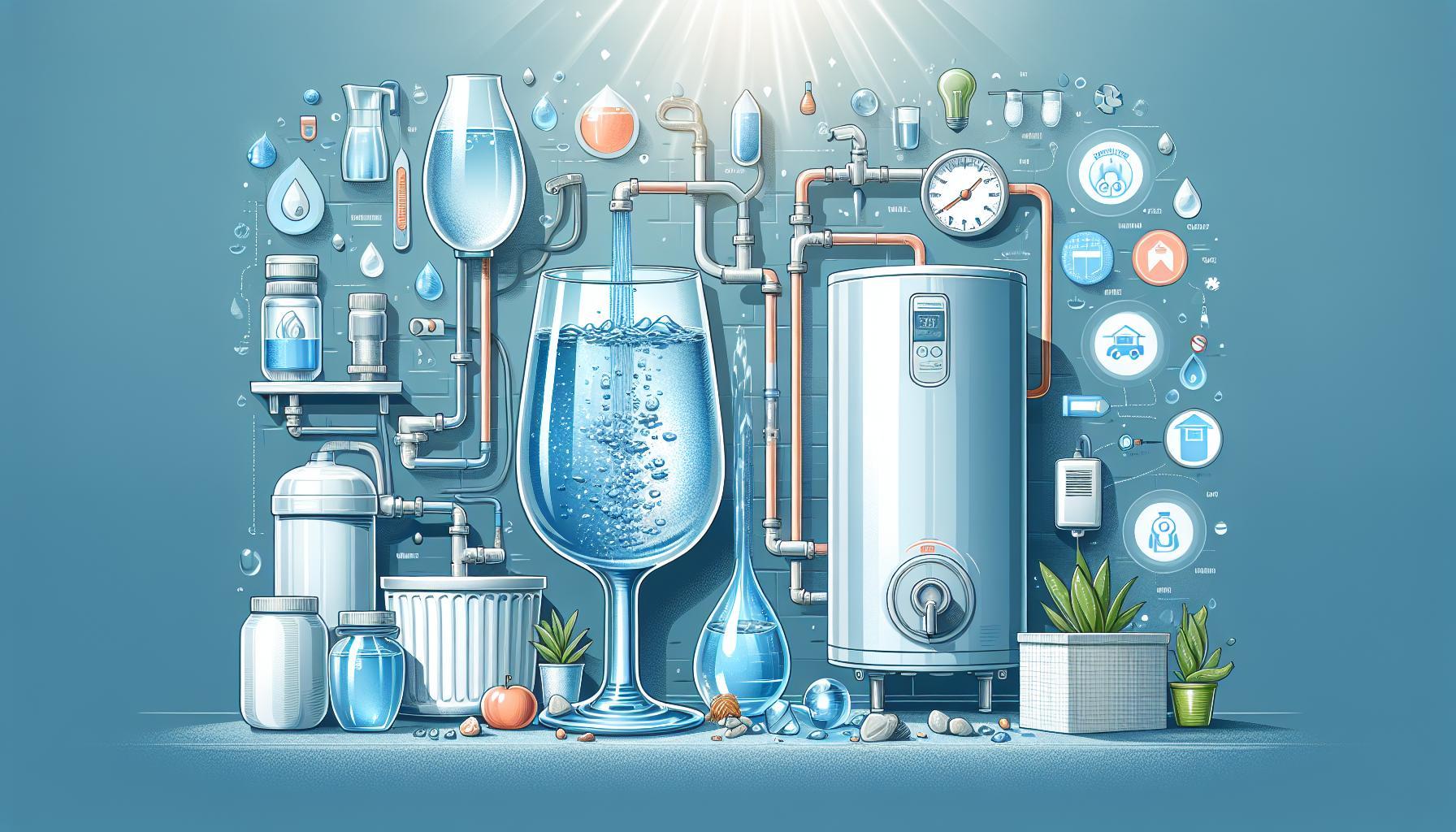
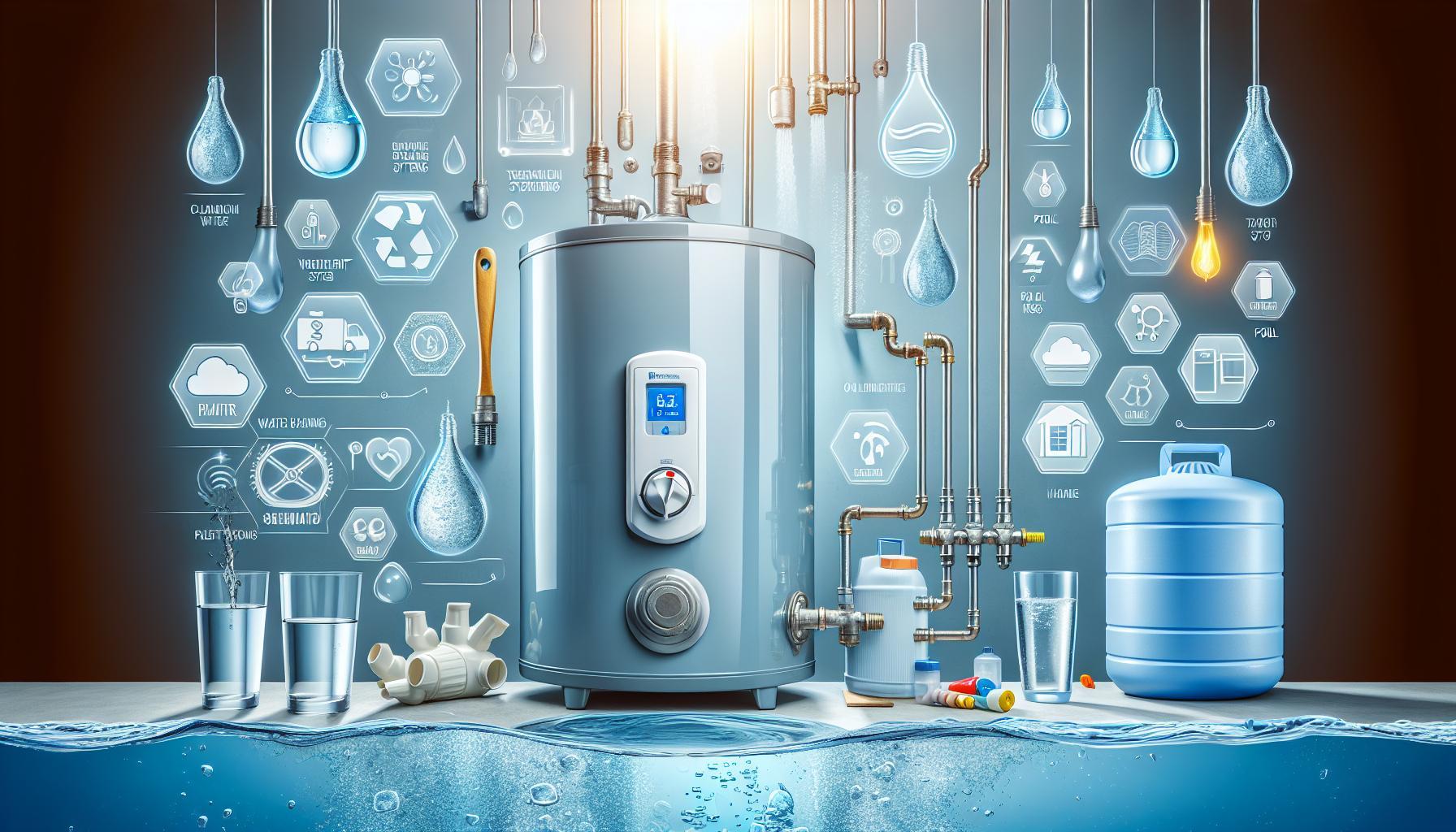
Experiencing a lack of hot water can disrupt your daily routine, leaving you frustrated and confused. Whether it’s an electric or gas water heater issue, diagnosing the problem quickly is crucial for restoring comfort to your home. This guide will help you troubleshoot common causes and implement effective solutions, ensuring you regain access to hot water in no time.
Understanding Your Water Heater: Types and Common Issues
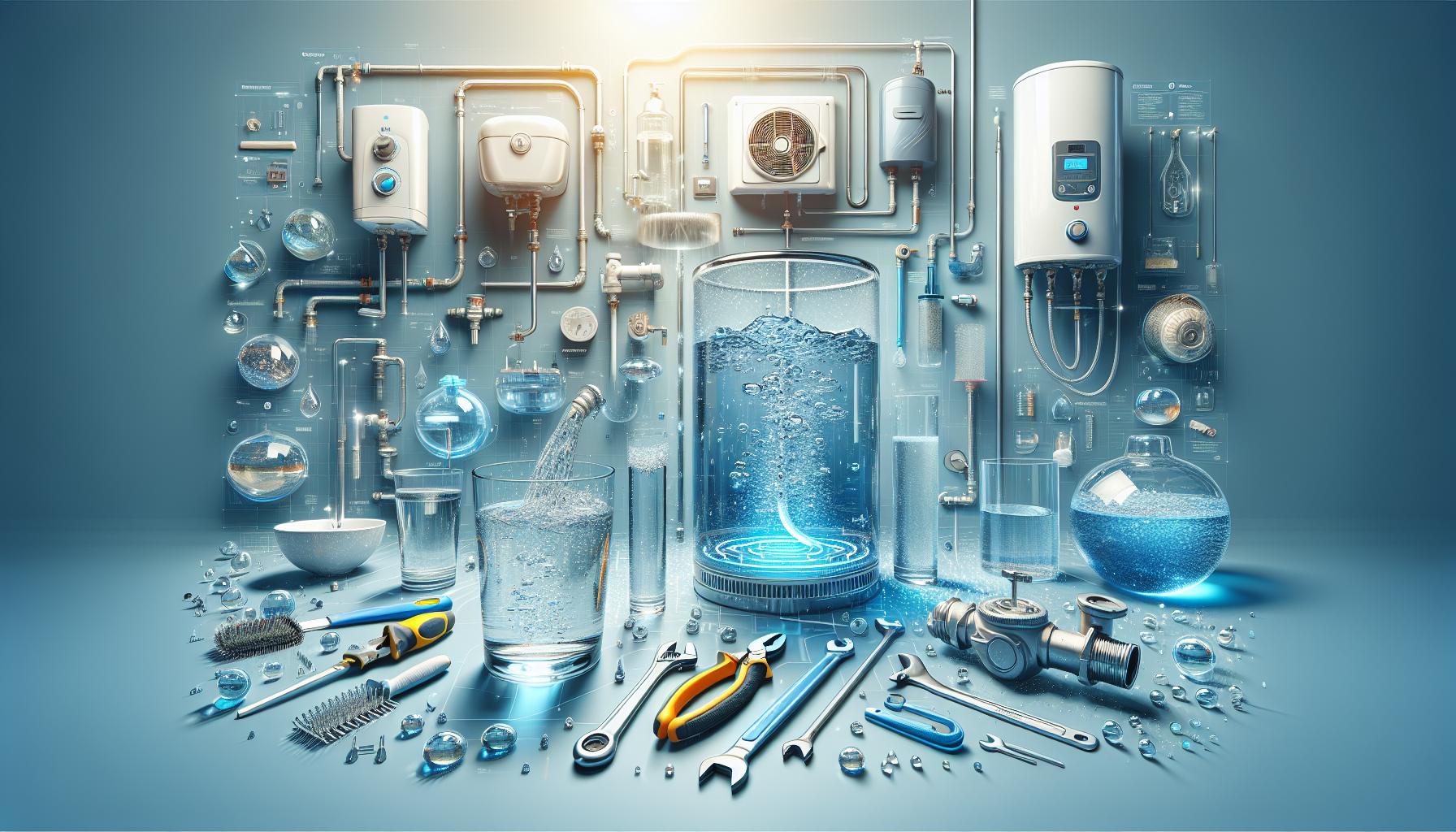
When dealing with an unexpected lack of hot water, understanding the different types of water heaters and their common issues is essential for troubleshooting effectively. Hot water systems primarily come in two types: gas and electric. Each type has unique components and potential problems that can disrupt your hot water supply. Knowing what to look for can save you time and money, helping you diagnose and fix problems quickly.
Types of Water Heaters
- Gas Water Heaters: Powered by natural gas or propane, these units are generally quicker to heat water and may be less expensive to operate than their electric counterparts. A common issue with gas heaters is the pilot light going out, which can prevent hot water from being produced. If your gas heater stops working, checking the pilot light is a crucial first step.
- Electric Water Heaters: These use electrical resistance to heat water and typically feature two heating elements. A frequent problem with electric heaters is a tripped circuit breaker or a blown fuse, which can interrupt the power supply. If you’re not getting hot water from an electric heater, ensure that power is reaching the unit.
Common Issues and Solutions
Recognizing the signs of common water heater problems can lead to faster resolutions. Here are some frequent issues and practical steps to troubleshoot them:
| Problem | Possible Cause | Solution |
|---|---|---|
| No hot water | Gas pilot light is out | Relight the pilot light as per the manufacturer’s instructions. |
| Water is too hot | Thermostat set too high | Adjust the thermostat to a safe temperature (usually 120°F). |
| Leakage | Worn valves or connections | Inspect and replace faulty parts to stop leaks. |
| Fluctuating temperature | Faulty heating elements or sediment build-up | Flush the tank and check heating elements for damage. |
By understanding these factors, homeowners can take actionable steps towards restoring their hot water supply. Regular maintenance and being aware of the specific type of heater you have will greatly enhance your ability to troubleshoot effectively. Having basic knowledge about your water heater can empower you to tackle issues before they escalate into costly repairs, ensuring that you can keep the hot water flowing with minimal disruption.
Quick Checks: Simple Solutions for No Hot Water
Experiencing a lack of hot water can be one of the most frustrating issues in the home, especially on a chilly morning when you’re expecting a warm shower. Before panicking and calling for professional help, there are several quick checks you can perform to uncover common reasons behind the problem. Many hot water issues are simple and can be resolved without extensive plumbing knowledge.
Check Your Thermostat Settings
One of the first things to investigate is whether your thermostat is set to an appropriate temperature. A setting below 120°F can result in lukewarm water, which is insufficient for most household needs. To adjust, locate the thermostat on your water heater—be it a gas or electric unit—and ensure it’s properly configured. If the temperature is satisfactory yet you’re still not getting hot water, it’s time to explore further.
Inspect the Power Supply
For electric water heaters, it’s critical to check that the unit is receiving power. This can be as simple as flipping the circuit breaker back on if it has tripped, or checking the fuse box for burned-out fuses. If you have a gas heater, ensure that the pilot light is illuminated. If it’s out, relight it following the manufacturer’s instructions, and watch for any error codes that may indicate deeper issues.
Assess the Hot Water Valve
Sometimes, the issue can be traced back to the hot water valve. A malfunctioning valve may restrict the flow of hot water, leading to chilly taps. To check this, locate the main shut-off valve for your home and make sure it is fully open. Additionally, inspect the hot water connections, ensuring no leaks or corrosion that might impair function.
Examine for Leaks
Visible leaks around your water heater can indicate a significant issue that needs prompt attention. Look for any signs of water pooling underneath or along the piping. A leaking tank might require a replacement of the entire unit. If you identify a leak but are unsure of the next steps, contacting a licensed plumber can help you diagnose the specific problem without further damaging your system.
By performing these quick checks, you can often pinpoint the cause of your hot water woes and decide whether it merely requires a minor adjustment or if professional assistance is necessary. Understanding these basic troubleshooting techniques not only saves time but can also lead to significant cost savings on repairs.
Deep Dive: Diagnosing Electrical and Gas Water Heater Problems
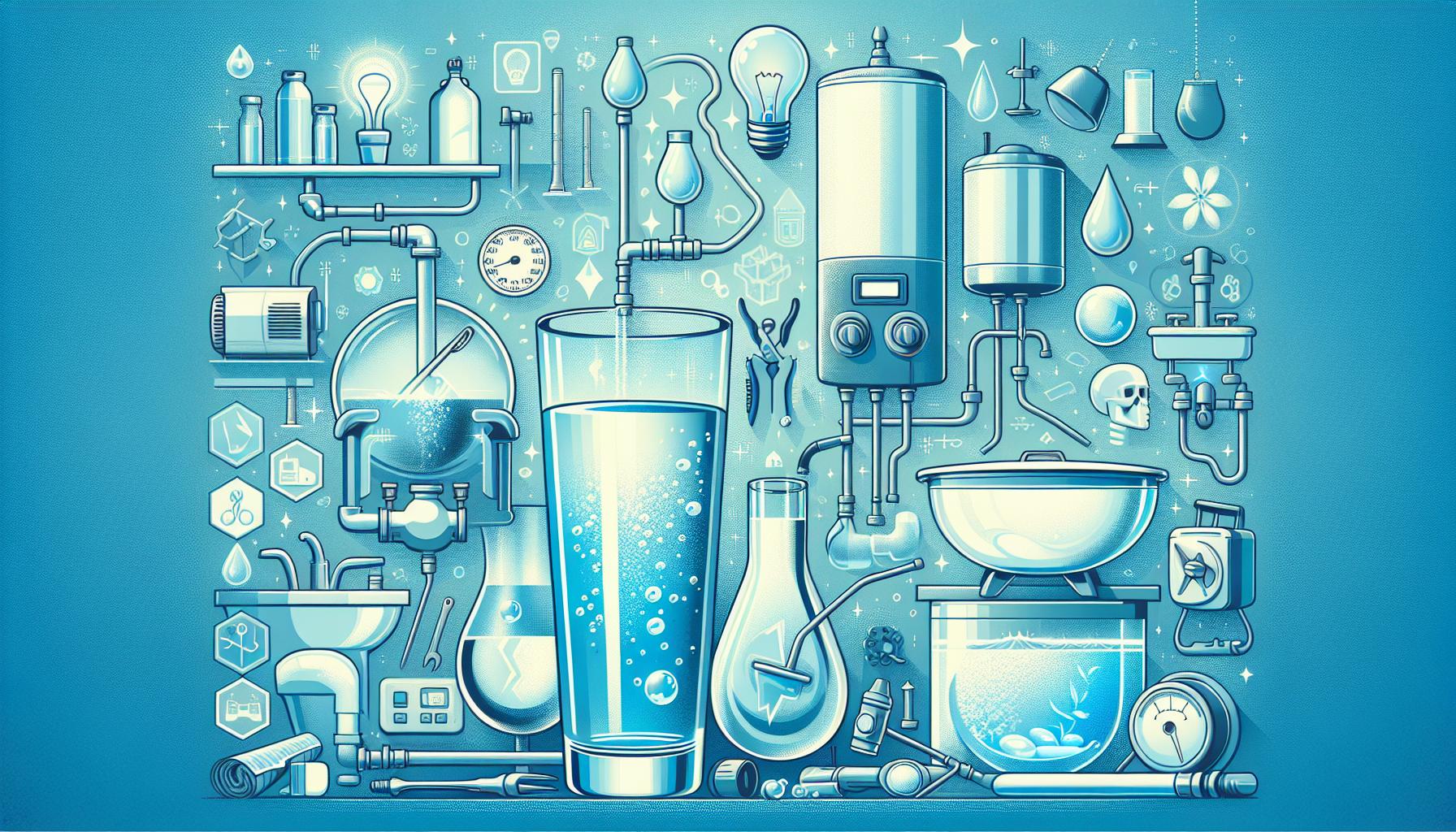
When faced with the frustrating dilemma of not receiving hot water, understanding the underlying cause is essential for an effective resolution. Whether you have an electric or gas water heater, recognizing the signs of malfunction can save time, resources, and ensure comfort at home. Common issues can stem from a variety of factors, ranging from simple fixes to more complex repairs.
Identifying Issues in Electric Water Heaters
Electric water heaters primarily rely on heating elements to warm your water, making their functionality crucial for a consistent supply of hot water. Here are key areas to investigate:
- Heating Element Failure: One of the most prevalent causes of no hot water is a faulty heating element. This can be diagnosed using a multimeter to check for continuity. If the element is broken, it will need replacing.
- Thermostat Problems: Malfunctioning thermostats can lead to insufficient heating. Checking the thermostat settings and replacing a broken thermostat can restore hot water supply.
- Power Supply Issues: Ensure that the circuit breaker for the water heater is not tripped. If it is, resetting the breaker may resolve the problem.
It’s advisable to perform regular maintenance and check for signs of sediment buildup, which can impair the heater’s efficiency over time.
Troubleshooting Gas Water Heaters
Gas water heaters come with their set of potential faults, making them distinctly different from their electric counterparts. Focus on the following factors:
- Pilot Light Check: If your gas heater isn’t producing hot water, the pilot light may have gone out. Relighting the pilot is usually straightforward, but if it continually goes out, this may indicate a faulty thermocouple or gas valve.
- Thermocouple Issues: The thermocouple is a safety device that shuts off gas if the pilot light goes out. If it’s malfunctioning, it can prevent your water heater from functioning altogether.
- Gas Supply Problems: Verify that your gas supply is active and that no valves are closed. A lack of gas can halt water heating immediately.
For both types of heaters, leaks around the unit often signal a need for immediate attention, possibly indicating issues such as corrosion or faulty connections.
| Common Problem | Potential Cause | Solution |
|---|---|---|
| No Hot Water | Faulty heating element (Electric) pilot light out (Gas) | Replace the heating element or relight the pilot light. |
| Insufficient Hot Water | Small tank or sediment buildup | Upgrade to a larger heater or flush the tank. |
| Water Leak | Corrosion or faulty connections | Inspect and potentially replace faulty parts or the entire unit. |
Diagnosing water heater problems quickly and accurately can help you restore hot water to your home efficiently. Regular inspections and maintenance are crucial to avoid emergency repairs and ensure the longevity of your system.
The Importance of Regular Maintenance: Keeping Your Water Heater Running
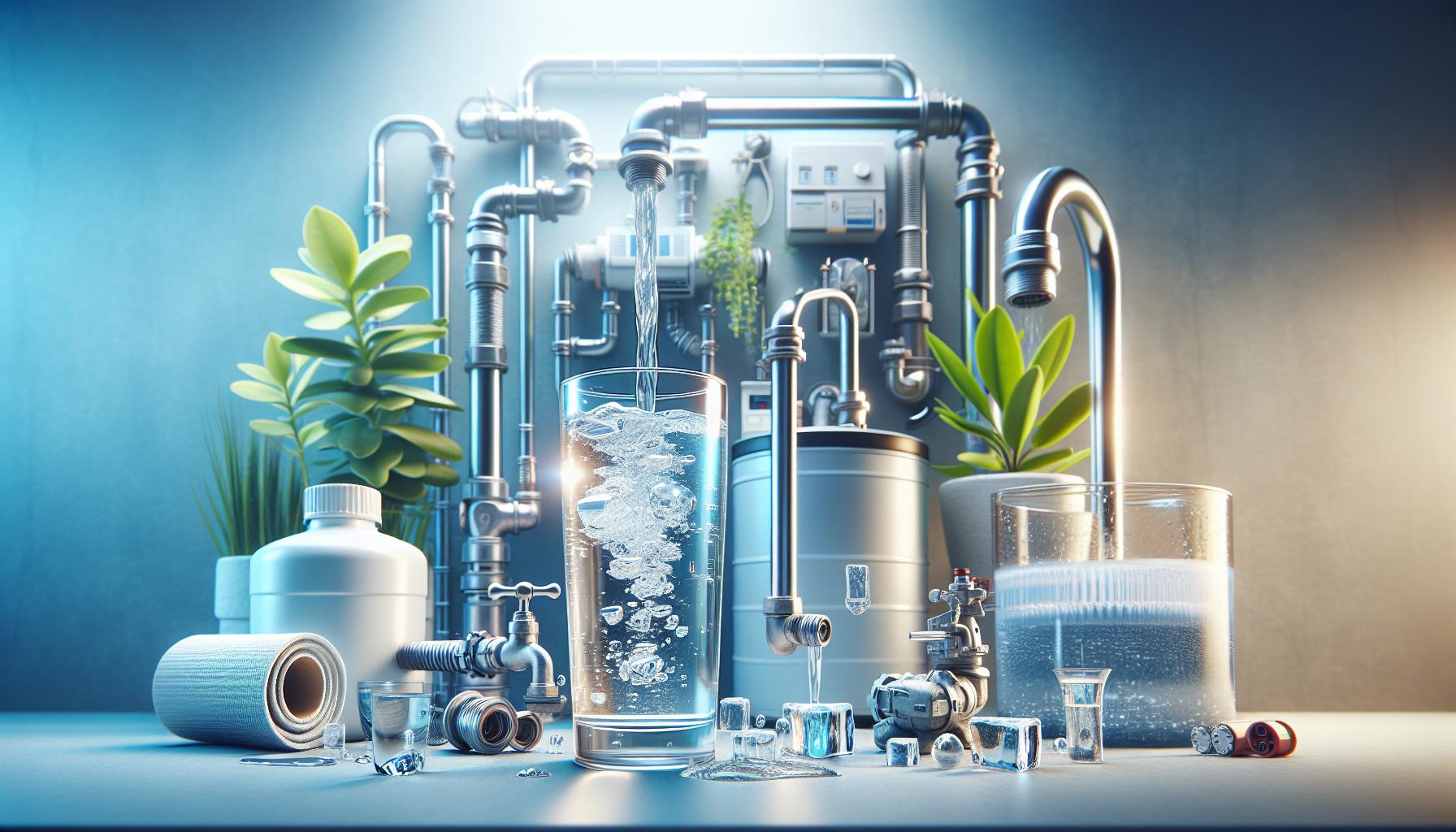
Regular maintenance is essential for ensuring your water heater operates efficiently and reliably. Many homeowners experience sudden disruptions in hot water supply, often asking, “Why am I not getting hot water?” A lack of preventative care can lead to unexpected breakdowns, increased energy costs, and costly repairs. By investing a little time in routine maintenance, you can significantly extend the lifespan of your water heater while avoiding the headaches that come from troubleshooting issues at the last minute.
One of the key components of water heater maintenance is the inspection and flushing of the tank. Over time, sediment buildup can occur, reducing efficiency and potentially causing damage. Regularly flushing the tank helps to remove these deposits and ensures the heater operates optimally. Additionally, checking the temperature and pressure relief valve (T&P valve) is crucial. This safety feature prevents excessive pressure buildup, which could lead to catastrophic failures. If that valve is faulty, it may not relieve pressure properly, putting your entire system at risk.
Another critical aspect of maintenance involves checking the anode rod. This component is designed to prevent corrosion within the tank and can be a significant factor in the longevity of your water heater. If the anode rod is worn out, it can lead to rusting of the tank itself. Replacing the anode rod every few years can save you from having to replace the entire unit prematurely.
Incorporating these maintenance steps not only enhances the efficiency of your water heater but also helps in identifying potential issues before they escalate. Regular assessments will help you stay ahead of questions like, “Why am I not getting hot water?” and ensure a consistent supply of hot water whenever you need it. Consider setting reminders for these tasks to include them as a part of your home maintenance routine, allowing for a hassle-free hot water experience.
When to Call a Professional: Knowing Your Limits
In the realm of home maintenance, few frustrations can compare to discovering that your hot water system has suddenly failed. When faced with the question of “Why am I not getting hot water?”, it’s crucial to know your limitations when it comes to troubleshooting and repairing the unit. Sometimes, despite our best efforts to diagnose the situation, the complexities of a water heater may require the expertise of a professional. Recognizing the signs that indicate it’s time to call an expert can save you from unnecessary frustration, potential safety hazards, and costly repairs down the road.
### Signs You Need Professional Help
Some issues may initially seem minor but can escalate quickly if not handled properly. Here are situations to look out for:
- Persistent Pilot Light Issues: For gas heaters, if the pilot light keeps going out, it could indicate a problem with the thermocouple or gas line. This is not a DIY fix and requires a trained technician to assess and repair.
- Tripped Breakers or Blown Fuses: If your electric heater frequently trips the breaker, something more serious might be at play, such as a wiring issue that necessitates professional evaluation.
- Leaking Tank: A visible leak from the water heater tank usually means it needs to be replaced. Attempting to patch a tank can lead to dangerous flooding and should be addressed by a pro.
- Unusual Noises: Banging or popping sounds can indicate sediment buildup; while you might attempt flushing the tank, more severe issues could require a specialist.
### The Cost of Ignoring Problems
Ignoring these signs not only prolongs your discomfort but can also lead to catastrophic failures that are significantly more expensive to fix. For instance, neglecting a small leak might lead to widespread water damage, affecting walls, floors, and foundations. When you ask yourself “Why am I not getting hot water?”, and suspect deeper issues, consider that attempting repairs without the right knowledge can be more costly than hiring a professional from the outset.
When in doubt, prioritize safety and reach out to a qualified technician. They possess the expertise to ensure that your system is functioning optimally, which can often extend the life of your water heater while providing peace of mind. Don’t wait until a minor problem spirals into an emergency—understanding your limits is key to maintaining a reliable hot water supply in your home.
Alternative Hot Water Solutions: Exploring Other Options
Though many homeowners rely on traditional water heaters, alternative solutions offer unique advantages that can enhance efficiency, reduce costs, and provide reliable hot water. Exploring these options may lead to improved performance and significant savings, especially if you’ve wondered, “Why Am I Not Getting Hot Water? Troubleshoot and Fix Fast.” Different systems cater to various needs, emphasizing energy efficiency and long-term cost-effectiveness.
Tankless Water Heaters
Tankless water heaters are a popular alternative as they heat water on demand. Unlike traditional tank systems that store heated water, tankless units only provide hot water when needed, effectively eliminating standby losses. This can lead to lower energy bills and an endless supply of hot water. However, it’s important to ensure proper sizing to meet your household’s demands, as undersized units may not keep up with multiple simultaneous hot water uses.
- Pros: Energy-efficient, space-saving, and endless hot water supply.
- Cons: Higher initial costs and sometimes requires electrical or gas upgrades.
Heat Pump Water Heaters
Another innovative option is the heat pump water heater, which operates by extracting heat from the air and transferring it to the water. According to the U.S. Department of Energy, these systems can be two to three times more energy-efficient than conventional electric water heaters. They work best in warm climates, but newer models can still function effectively in cooler environments. While the up-front cost may be higher, the energy savings over time can offset this initial investment significantly.
| Aspect | Heat Pump Water Heater | Traditional Electric Water Heater |
|---|---|---|
| Energy Efficiency | 2-3 times more efficient | Standard efficiency |
| Installation Cost | Higher | Lower |
| Operating Costs | Lower due to efficiency | Higher |
In conclusion, exploring alternative hot water solutions can provide not only immediate relief for the question, “Why Am I Not Getting Hot Water? Troubleshoot and Fix Fast,” but also long-term benefits that enhance comfort and decrease utility expenses. Whether considering a tankless system or a heat pump, these options can adapt to a variety of household needs and budgets, encouraging a more sustainable approach to hot water.
Energy Efficiency Tips: Save Money While Enjoying Hot Water
The comfort of hot water is something many of us take for granted, yet it can significantly impact both our energy bills and our overall home efficiency. Understanding how to enjoy hot water while also being mindful of energy consumption can lead to substantial savings. By incorporating practices that minimize hot water use and enhance the efficiency of your water heating system, you not only reduce costs but also contribute to a more sustainable home.
Practical Energy Efficiency Tips
Making your hot water system more efficient involves simple adjustments to daily habits and home features. Here are some effective strategies:
- Shorten Showers: Cutting down on the time you spend in the shower can save gallons of water and reduce energy costs.
- Fix Leaks: A dripping faucet can waste gallons of hot water over time. Repairing leaks should be a priority to retain efficiency.
- Install Low-Flow Fixtures: Consider adding low-flow showerheads and faucets to your bathrooms and kitchen to reduce hot water use without compromising quality.
- Insulate Hot Water Lines: Insulation on pipes can keep water hotter for longer, reducing the need for re-heating and improving overall efficiency.
- Use Energy-Efficient Appliances: Appliances like ENERGY STAR-rated dishwashers and washing machines use significantly less hot water than their traditional counterparts, yielding substantial savings over time.
These practical steps can make a noticeable difference in your energy consumption. Additionally, utilizing cold or warm water for most laundry loads can reduce energy costs across the board.
Understanding System Efficiency
Domestic water heating accounts for a considerable portion of energy consumption in most households, often ranging from 15% to 25%. To maximize efficiency, consider the following options:
| Type of Water Heater | Efficiency Rating |
|---|---|
| Conventional Storage Water Heaters | Average |
| Tankless Water Heaters | High |
| Heat Pump Water Heaters | Very High |
| Solar Water Heaters | Very High |
Investing in a more efficient water heating system or upgrading your existing unit can lead to significant long-term savings. As you troubleshoot common issues such as “Why Am I Not Getting Hot Water? Troubleshoot and Fix Fast,” assess not only the functionality but also the efficiency of your heater.
Adopting these guidelines is essential to ensure you enjoy consistent hot water while also being cost-effective and environmentally conscious. By making small adjustments in water use and investing in efficient technologies, you can enjoy the luxury of hot water without the hefty price tag.
Safety First: Essential Precautions When Troubleshooting Water Heaters
When it comes to home maintenance, troubleshooting water heaters is a task that many homeowners dread. Did you know that improper handling of water heaters can lead to serious injuries or property damage? Water heaters can be hazardous due to the high temperatures they operate at and the potential for electric shock if proper precautions aren’t taken. Ensuring your safety while investigating the cause of the cold showers can make the process smoother and reduce risk.
Before diving into any troubleshooting efforts, it’s essential to take basic safety precautions. Start by turning off the power supply to the water heater to prevent any electrical hazards, especially if you have an electric model. This can usually be done by switching off the circuit breaker located in your electrical panel. For gas water heaters, shut off the gas valve to eliminate the risk of gas leaks. Always keep a fire extinguisher nearby and make sure you know how to use it, just in case.
Key Safety Precautions
- Use Personal Protective Equipment (PPE): Wear safety goggles and gloves to protect against hot water splashes and sharp edges.
- Check for Leaks: Before beginning, inspect the area around the water heater for any signs of water leaks, which could indicate underlying plumbing issues.
- Be Cautious with Pressurized Systems: If you suspect that the pressure relief valve may be malfunctioning, approach with caution, as releasing pressure can cause hot water to spray.
- Observe Surroundings: Ensure the area is well-ventilated if working with gas heaters. Additionally, remove any combustible materials from the vicinity.
If you need to drain the water heater to check for sediment buildup or other issues, be mindful of how you handle the hot water. Always connect a garden hose to the drain valve and lead it to a safe drainage area. Allow the heater to cool down for at least an hour before performing any maintenance to reduce the risk of scalding. Understanding these precautions can contribute significantly to your safety and ensure that you can troubleshoot issues effectively, leading to the resolution of the question: “Why Am I Not Getting Hot Water? Troubleshoot and Fix Fast.”
Frequently asked questions
Why Am I Not Getting Hot Water? Troubleshoot and Fix Fast?
Not getting hot water? Start by checking if your hot water heater is on and functioning properly. Look for power issues, ensure the thermostat is set correctly, and inspect for leaks or blockages.
If your hot water heater is gas-powered, check the pilot light; it may need to be relit. For electric heaters, ensure the circuit breaker is not tripped. Additionally, sediment buildup can cause hot water issues, requiring periodic flushing of your tank. Regular maintenance is key to avoiding this problem.
What are common reasons for no hot water?
Common reasons include a faulty thermostat, a broken heating element, or a tripped circuit breaker. Each issue can disrupt the heating process, preventing hot water delivery.
For example, electric heaters often have two heating elements; if one fails, you may experience reduced hot water supply. Regular inspection and maintenance can help detect these issues before they lead to complete failure. If problems persist, consider calling a professional
Can I fix my hot water heater myself?
Yes, some issues are DIY-friendly, like resetting the circuit breaker or relighting the pilot on gas heaters. However, more complex problems may require professional help for safety reasons.
Before attempting repairs, ensure you have the appropriate tools and follow safety guidelines. If you’re unsure or uncomfortable, it’s wise to consult with a licensed technician to avoid further damage or potential hazards.
Why does my water heater make strange noises?
Strange noises from your water heater can indicate sediment buildup or a failing heating element. This may lead to inefficient heating and potential damage if not addressed promptly.
Flushing your tank annually can prevent sediment accumulation, improving efficiency. If the noises persist, it may be a sign of larger issues. Neglecting these sounds could compromise your water heater’s lifespan, so consider evaluating it regularly.
How often should I flush my hot water heater?
Flushing your hot water heater at least once a year is recommended to remove sediment buildup. This maintenance can enhance efficiency and prolong the unit’s lifespan.
Sediment can cause overheating and corrosion, leading to costly repairs. If your water source is particularly hard, consider flushing more frequently to keep your heater functioning optimally. Consult your water heater’s manual for additional guidance.
What should I do if my hot water is brown or rusty?
Brown or rusty water usually indicates rust in the tank or pipes. It’s essential to address this problem, as it could affect not just your hot water, but also your health.
First, check if it is coming from both hot and cold taps. If it only occurs when running hot water, the tank may be corroded and require replacement. If it occurs with cold water, consider checking your plumbing structure. Periodically flushing your tank can also help avoid this issue.
How can I improve the efficiency of my hot water heater?
To improve efficiency, consider insulating your hot water heater and the first six feet of hot water pipes. Setting the thermostat to a lower temperature can also help save energy.
Regular maintenance, including flushing the tank and checking for leaks, is essential for maintaining peak performance. Upgrading to an Energy Star rated model can save significantly on your energy bills in the long run. For more tips, check out our water heater FAQs.
In Retrospect
In summary, running into issues with your hot water can be frustrating, but understanding the common causes can empower you to resolve them quickly. Whether it’s a pilot light problem with gas heaters or electrical issues in electric models, there are practical steps you can take to troubleshoot. Check the power supply, inspect for leaks, and examine the temperature settings to pinpoint the problem. Remember, regular maintenance goes a long way in preventing these issues. For more detailed guides and tips on keeping your hot water flowing, explore our resources further. You’ve got the tools to tackle these challenges—don’t hesitate to take charge!