Is your boiler unexpectedly dripping water beneath? This common issue can lead to significant home damage if ignored. Understanding the causes of boiler leaks not only helps in troubleshooting the problem but also ensures your home’s safety and efficiency. Act promptly to prevent further complications!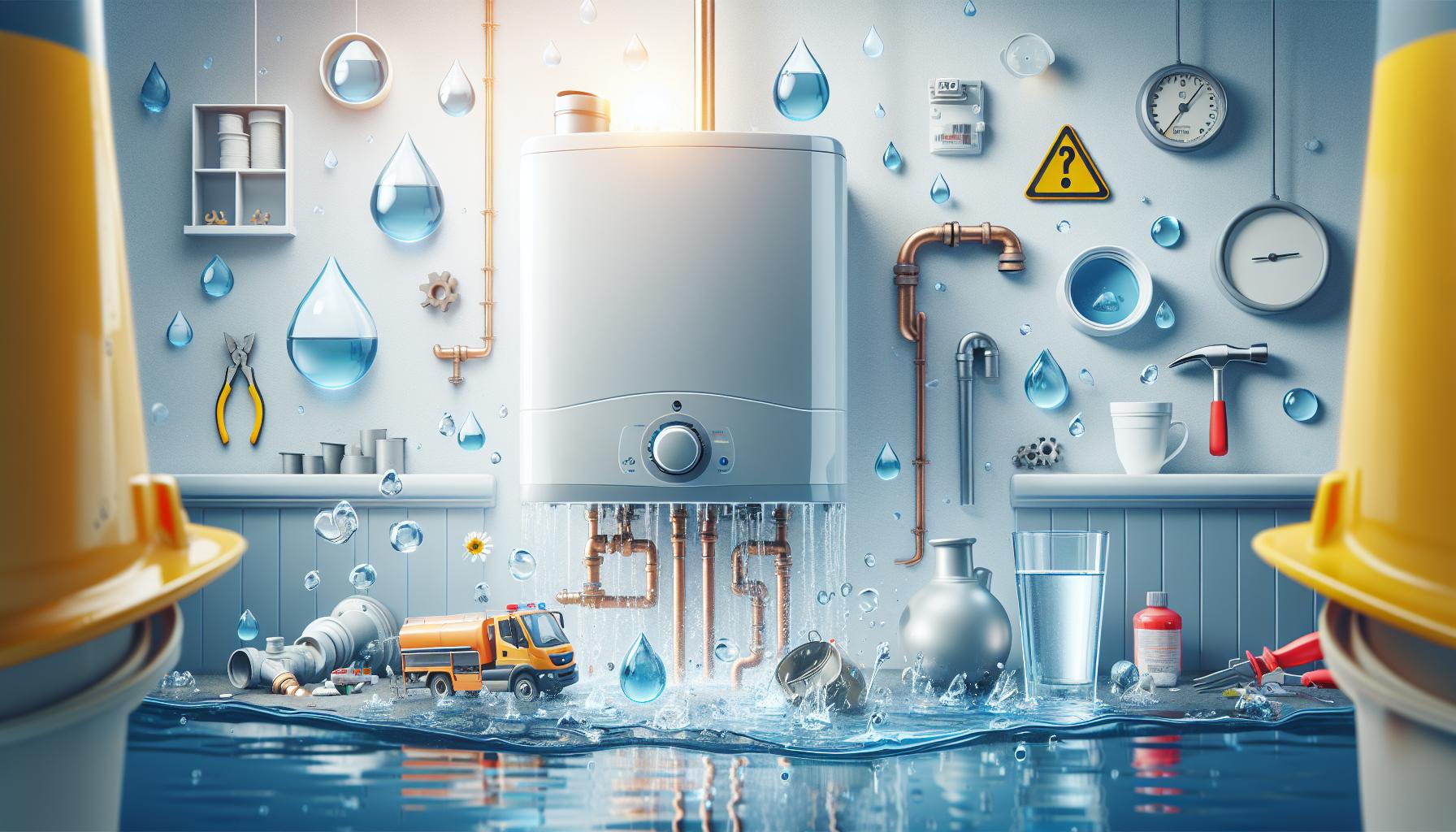
Understanding Why Your Boiler Might Be Leaking Water
If you’ve noticed water pooling beneath your boiler, it’s essential to understand what could be causing the leak. A leaking boiler is not just a nuisance; it can lead to significant damage to your home and potentially signal underlying issues that require immediate attention. Many homeowners are unprepared for this situation, often wondering, “Why is my boiler leaking water from underneath?” Thankfully, identifying the root cause can help in troubleshooting the problem effectively.
The primary culprits behind boiler leaks often include corrosion, high pressure, and faulty components. Over time, internal parts such as valves and seals can wear out, leading to leaks. High boiler pressure can force water out through joints and connectors, especially if there is a blockage in the system. Additionally, a heat exchanger might develop cracks, resulting in a substantial leak. It’s also crucial to inspect the seals on the boiler, as damage here can allow water to escape during normal operation or under pressure from the boiler pump [[2]].
Another aspect to consider when troubleshooting is how temperature variations and condensation can play a role. If the boiler is working harder than usual—perhaps due to a demand for heat or hot water during colder months—it may generate excess steam, leading to moisture collecting and eventually dripping from the unit. Homeowners should also be aware of signs such as condensation on nearby surfaces or the pilot light burning an unusual color, as these can indicate further issues with the system [[3]].
In summary, addressing a leaking boiler often starts with a thorough inspection. Look for visible signs of damage, check the pressure gauge, and consider whether the system is being overworked. If you’re uncertain, it’s best to call a qualified technician who can perform a detailed assessment and implement the appropriate fixes. By taking prompt action when your boiler leaks, you can prevent more serious and costly issues down the line.
Common Causes of Boiler Leaks: What You Need to Know
Understanding the underlying reasons for a leaking boiler is crucial for not only preventing potential damage but also ensuring safety and efficiency in your home. Numerous factors can contribute to a boiler leaking water from underneath, and identifying the root cause can save homeowners time and money on repairs. Here are some of the most common causes that could trigger such leaks.
Damaged Seals
Boiler seals are essential components that help maintain internal pressure while preventing leaks. Over time, these seals can wear down or become damaged due to prolonged use or exposure to high temperatures. When seals fail, water can escape from various parts of the boiler, particularly around joints and connections. Regular inspections can help detect these issues early, ensuring that necessary repairs are made before the problem escalates.
Faulty Pressure Relief Valve
The pressure relief valve is designed to release excess pressure from the boiler, preventing dangerous malfunctions. If this valve becomes faulty, it may leak water continuously, indicating that pressure levels within the boiler are not regulated correctly. Homeowners should monitor their boiler’s pressure gauge regularly and seek professional assistance if it appears too high or if the pressure relief valve is leaking.
Corrosion and Wear
Over time, the internal components of a boiler can suffer from corrosion, primarily if the unit is not maintained properly. Corroded pipes, heat exchangers, or tanks can lead to leaks, and in severe cases, can compromise the boiler’s operational integrity. Regular maintenance by a qualified technician can significantly mitigate this risk by identifying corrosion before it leads to leaks.
High System Pressure
Another issue that can result in leaks is excessively high water pressure within the heating system. If the pressure surpasses the recommended limits, it can force water to escape through weak points in the system. Homeowners should ensure that their boiler pressure is maintained within the manufacturer’s specifications, typically between 1 and 1.5 bars when cold.
Proper diagnosis of boiler leaks is essential for effective repair and maintenance. If a boiler is leaking water from underneath, it’s advisable to consult a Gas Safe registered engineer to accurately troubleshoot and address the problem. Prompt action will not only enhance the boiler’s longevity but also ensure the safety of your home.
How to Identify Where the Leak Is Coming From
Identifying the source of a leak in your boiler can be a daunting task, but understanding common leak points can help you troubleshoot effectively. A boiler leaking water from underneath usually indicates a problem that requires immediate attention. The first step in your diagnosis should involve a thorough inspection of the boiler’s components.
Common Sources of Boiler Leaks
Leaks can originate from various areas within the boiler system. Here are some common culprits to examine:
- Fittings and Connections: Loose or damaged fittings are a frequent source of leaks. Check the joints and pipes where water flows, as they can wear down over time.
- Valves: Faulty valves can create leaks as well. Inspect pressure relief valves and other functioning valves for signs of wear or improper sealing.
- Tank and Heat Exchanger: Cracks in the boiler tank or heat exchanger can lead to significant leaks, indicating potential failure.
- Pipes: Look for any visible drips or pooling water around the pipes connected to your boiler.
To effectively locate the leak, start by turning off the boiler and visually inspecting each area mentioned. Use a flashlight to identify wet spots or corrosion around fittings and pipes.
Helpful Tips for Inspection
When examining your boiler, consider the following practical steps:
- Dry Check: Wipe down the components with a cloth and monitor where new water accumulates after the boiler runs.
- Temperature Tests: Feel around the fittings and valves. A hot spot can indicate a leak rather than just condensation.
- Pressure Gauge Reading: If the pressure in your boiler is too high, it can lead to leaks. Ensure the gauge reads within the normal operating range.
If you still cannot locate the leak after these checks, it may be wise to consult a heating professional. They can utilize specialized tools to pinpoint the issue, which is essential for the longevity of your heating system. Addressing leaks promptly not only maintains efficiency but also prevents costly water damage and ensures safety in your home.
Steps to Take When You Find a Leak Under Your Boiler
Discovering a leak under your boiler can be an alarming experience, but knowing the right steps to take can help you manage the situation effectively. A leak not only indicates potential issues within the boiler system but can also lead to considerable water damage in your home. Thus, acting promptly is crucial to minimize risks and ensure safe operation of your heating system.
Immediate Actions to Take
First and foremost, safety is paramount. If you notice water pooling under your boiler, follow these steps to address the issue:
- Shut Off the Power: Immediately turn off the boiler’s power supply. This helps prevent electrical hazards and potential malfunctions.
- Turn Off the Water Supply: Locate the main water shut-off valve connected to your boiler and turn it off. This halts any ongoing leaks and protects your home from further damage.
- Drain the System: If you’re comfortable doing so, drain the water from the boiler using the drain valve at the bottom. This step helps prevent more water from accumulating inside the unit.
Assess the Situation
Once immediate dangers are addressed, it’s time to identify the source of the leak. Common culprits often include faulty pressure relief valves, broken seals, or corroded pipes. Here’s how to investigate:
- Inspect the Pressure Relief Valve: The pressure relief valve, usually located at the top of the boiler, can leak if faulty. Check for any signs of corrosion or damage.
- Examine Connectors and Pipes: Look for visible leaks around the joints and pipes. Corrosion or looseness can often lead to water escaping the system.
- Check the Boiler Seal: A compromised seal can contribute to leaks; ensure it is intact and functioning correctly.
If you spot any issues during your inspection, it’s wise to consult a licensed professional. Attempting repairs without sufficient expertise can worsen the problem or jeopardize safety.
Long-Term Solutions and Maintenance
While addressing the immediate leaking issues is essential, implementing preventive measures can safeguard your boiler against future leaks. Regular maintenance checks, including:
| Maintenance Task | Frequency |
|---|---|
| Professional Inspections | Annually |
| Check Pressure and Temperature Settings | Monthly |
| Flush the System | Every 2-3 Years |
By staying proactive and vigilant, you can extend the life of your boiler and maintain a safe, comfortable home environment. Should you ever feel uncertain about your boiler’s condition or the source of a leak, reaching out to qualified repair services is always a prudent choice.
Professional Solutions for Boiler Water Leaks: When to Call an Expert
Experiencing a boiler leak can be concerning, especially when it comes from underneath the unit. Such leaks are often symptomatic of underlying issues that could pose safety risks if not addressed promptly. While some homeowners may be tempted to troubleshoot minor leaks themselves, knowing when to call an expert is crucial for ensuring safety and proper functioning of the heating system.
Recognizing the signs that indicate a need for professional assistance is essential. If you notice significant leaks, an unexplained increase in water bills, or strange noises coming from the boiler, these could be indicators of serious problems, such as corrosion, faulty seals, or high pressure within the system. Professional engineers, particularly those registered with the Gas Safe Register, have the expertise to diagnose these problems accurately. They can safely conduct repairs or replace components like heat exchangers, which are often the culprits behind persistent leaks.
What to Expect from Professional Boiler Servicing
When calling a professional, you can expect a thorough assessment of your boiler’s condition. This typically includes:
- Inspection for signs of external damage and corrosion
- Checking the boiler’s pressure levels and adjusting them as needed
- Testing for leaks around seals, fittings, and joints
- Cleaning components to improve efficiency and longevity
In many cases, regular servicing can prevent leaks by identifying wear and tear before it leads to major issues. Proper maintenance routines serve to ensure that your system is running efficiently and safely, helping to avoid the question, “Why Is My Boiler Leaking Water from Underneath? Troubleshoot Now.”
Understanding Repair Costs and Timing
It’s crucial to understand the potential costs associated with professional repairs. The complexity of the leak and the parts required for fixing it can significantly influence the price. Generally, leaks related to internal components might require more expensive parts, while minor external issues could be more affordable to rectify. On average, homeowners may spend anywhere from £100 to £500, depending on the severity of the issue.
Professional help not only ensures a safe resolution but can also extend the life of your boiler. With their expertise, they can offer tips for maintaining the system and preventing future leaks. Always remember that procrastination in addressing boiler leaks can lead to more severe damages and increased repair costs later on. Thus, if you’re ever in doubt, it’s wise to call in a qualified plumbing or heating specialist.
Preventative Maintenance Tips to Avoid Future Leaks
Maintaining a boiler is crucial not only for its performance but also for preventing costly repairs down the line, such as leaks. Regular maintenance can help you spot potential issues before they escalate into major problems. Addressing common causes of leaks through preventative strategies can save both time and money, ensuring that your boiler operates smoothly for years to come.
Regular Inspections
Conduct routine inspections of your boiler to identify any signs of wear and tear, especially around joints and connections where leaks often occur. Pay particular attention to pressure relief valves, pump seals, and feedwater lines, as these are common leak sources. By making inspections a regular part of your maintenance schedule, you can catch issues early and remedy them before they develop into significant leaks that can compromise your system.
Effective Cleaning Practices
Keep your boiler clean to prevent corrosion-related leaks. Sediment buildup inside the boiler can lead to overheating and eventual leaks. Implement a cleaning routine that includes flushing the boiler and clearing out any debris or sediment that may have settled over time. Additionally, ensure that you have a good water treatment plan in place to minimize scale and rust formation, which are common causes of leaks.
Lubrication and Component Care
Regular lubrication of moving parts in your boiler can prevent wear and tear that leads to leaks. Check the manufacturer’s guidelines for recommended lubricants and maintenance intervals. Components such as bearings, pumps, and motors should be regularly inspected and lubricated as necessary. Neglecting this step can result in friction and heat buildup, ultimately leading to mechanical failure and leaks.
Professional Maintenance Agreements
Consider a professional preventative maintenance agreement with a qualified service provider. Such agreements typically include regular inspections, cleaning, and repairs, ensuring that all aspects of boiler maintenance are addressed proactively. This can not only alleviate the burden of maintenance from your shoulders but also provide peace of mind knowing that your boiler is in expert hands. By adhering to these preventative maintenance tips, you can significantly reduce the likelihood of encountering the frustrating question of “Why Is My Boiler Leaking Water from Underneath? Troubleshoot Now” in the future.
Implementing these strategies can significantly enhance your boiler’s lifespan and efficiency while minimizing the risk of leaks that can potentially disrupt operations. Remember, a well-maintained boiler is a reliable boiler.
The Importance of Regular Boiler Inspections for Peace of Mind
The peace of mind that comes from knowing your boiler is safe and functioning properly cannot be overstated. Regular boiler inspections are essential in preventing unexpected failures, such as those that lead to leaks or unsafe operating conditions. Many homeowners often wonder, “Why is my boiler leaking water from underneath?” and neglecting routine checks can increase the risk of such issues. By scheduling inspections, you not only address these potential problems before they escalate but also extend the life of your equipment.
Benefits of Regular Inspections
Conducting regular boiler inspections ensures that any minor faults are identified early, preventing them from developing into more significant and costly repairs. A professional inspector will thoroughly examine your system, looking for leaks, corrosion, and potential safety hazards. This proactive approach means you can enjoy uninterrupted heating and hot water, reducing the stress involved in dealing with emergency repairs.
- Enhanced Safety: Regular checks reduce the risk of dangerous leaks and system failures.
- Cost-Effective: Preventative maintenance can save you money by avoiding expensive emergency repairs.
- Increased Efficiency: A well-maintained boiler operates more efficiently, which can lower your energy bills.
Understanding Potential Issues
When faced with the question, “Why is my boiler leaking water from underneath?” it’s essential to recognize that this is often a symptom of broader issues, such as wear and tear or improper installation. During an inspection, technicians can diagnose these concerns before they lead to significant damage. For instance, a small leak not addressed in time can result in the need for a complete system replacement, which is far more expensive than a routine inspection and timely repair.
Investing in regular boiler inspections not only ensures safety but also provides assurance in your home’s heating performance. Given the complexity of boiler systems, having an expert conduct thorough inspections can identify potential problems early on and keep your system running smoothly. The result is a harmonious living environment with reliable heating, free from the distraction of unexpected malfunctions.
FAQ
Why Is My Boiler Leaking Water from Underneath? Troubleshoot Now
Boiler leaks from underneath can usually be traced to a few common causes. Most often, these leaks result from issues like faulty valves, worn seals, or corrosion within the system. Identifying the source promptly is critical to prevent further damage and costly repairs.
When dealing with a leaking boiler, start by checking the valves and seals for any visible damage. Additionally, inspect for signs of rust or wear. Regular maintenance, including annual servicing, can help minimize the risk of leaks in the future.
What should I do if my boiler is leaking water?
If your boiler is leaking, the first step is to turn off the power and water supply. This can help prevent electrical hazards and further leaks. After that, check for the source of the leak and document any visible issues.
Once you have identified the leak’s source, contacting a professional is usually the safest course of action. Attempting DIY repairs can be risky if you’re not experienced, especially with gas-related systems. Regular maintenance can also prevent leaks from occurring in the first place.
Why does my boiler leak when it is turned on?
Boiler leaks during operation may indicate internal pressure issues or component failures. High pressure can cause pipes or valves to fail, leading to leaks.
It’s essential to regularly check your boiler’s pressure gauge. If it exceeds recommended levels, shut off the boiler and consult a professional. Preventative maintenance is key to addressing potential leak issues before they escalate.
Can I temporarily fix a leak in my boiler?
While temporary fixes are possible, they are not recommended for long-term solutions. Using tape or sealant can stop a leak for a short time but will not address the underlying issue.
For a lasting solution, it’s crucial to identify and repair the cause of the leak. Contacting a qualified technician can save you time and money in the long run, ensuring your system operates effectively and safely.
What are common causes of a boiler leaking from underneath?
Common causes for a boiler leaking from underneath include worn seals, faulty valves, and corrosion. Over time, these components can degrade, leading to leaks.
Regular inspections can help catch these issues early. If you notice any signs of corrosion or wear, it’s best to consult with a Gas Safe registered engineer for comprehensive maintenance and repairs.
How can I prevent my boiler from leaking?
Regular maintenance is the best way to prevent your boiler from leaking. Scheduling annual service checks can catch problems before they escalate into larger issues.
In addition to routine checks, consider installing protective devices like magnetic filters. Keeping your boiler pressure within safe limits also helps. For more details on maintenance, check our guide on boiler leaks.
Is a leaking boiler dangerous?
Yes, a leaking boiler can be dangerous. It poses risks such as water damage and potential electrical hazards if not addressed promptly.
Moreover, if the leak is related to gas, it can lead to serious safety concerns. Always prioritize safety; if you suspect a leak, shut off your boiler and consult a qualified technician immediately.
Wrapping Up
In summary, recognizing why your boiler is leaking water from underneath is crucial for maintaining its efficiency and safety. Common causes include pressure issues, damaged seals, or valve malfunctions. By regularly checking your boiler and understanding the potential issues, you can take proactive steps to troubleshoot and resolve leaks. Don’t hesitate to reach out for professional help if needed, as safety and proper functioning are paramount. For further assistance, explore our detailed guides on boiler maintenance and troubleshooting techniques—you’re equipped to handle these challenges confidently!