


Are you tired of the high maintenance costs and unpredictability of your saltwater pool? Converting to a traditional chlorine system can simplify upkeep and enhance water quality. This step-by-step guide is designed to help pool owners navigate the conversion process smoothly, ensuring a sparkling clean swimming experience year-round.
Understanding the Basics of Salt Water Pools
The concept of saltwater pools has gained substantial popularity in recent years, as many homeowners seek alternatives to traditional chlorine systems for their swimming experiences. Saltwater pools operate on a different principle than conventional chlorinated pools; instead of adding chlorine manually, these systems utilize a salt chlorine generator. This device converts salt (sodium chloride) into chlorine through a process called electrolysis, providing a more consistent and often gentler method of sanitizing the pool water.
Understanding the basics of saltwater pools involves recognizing their components and how they function. Here are some essential elements of a saltwater pool system:
- Salt Chlorine Generator: The heart of a saltwater pool, this device facilitates the conversion of salt into chlorine, maintaining the water’s chemical balance without the need for constant manual chlorine additions.
- Salt Levels: Maintaining the correct salt concentration is crucial. Most saltwater pools operate effectively with a salt level of 2700 to 3400 parts per million (ppm).
- Water Balance: Aside from salt, other chemical levels must also be monitored, such as pH, alkalinity, and stabilizers to keep the water clear and safe for swimming.
- Reduced Chloramines: Salt pools generally produce fewer chloramines (the compound that causes irritation and unpleasant odors) compared to traditional pools, leading to a more enjoyable swim.
Benefits of Saltwater Pools
One of the main advantages of a saltwater pool system is the less harsh experience on the skin and eyes, attributed to the continuous generation of chlorine that minimizes the need for frequently adding large quantities of the chemical. Additionally, maintaining a saltwater pool can be more cost-effective in the long run, as you will not have to buy chlorine as often. However, the initial cost of installing a saltwater system can be higher than that of conventional systems.
Conversion Considerations
If you’re considering converting a saltwater pool to a traditional chlorine pool, a few important factors should be considered. The process involves several steps, such as draining the pool, balancing the water chemistry, and introducing chlorine manually in the right quantities. Understanding these elements lays the foundation for an informed decision, ensuring you can enjoy the benefits of whichever pool system best suits your lifestyle.
Ultimately, while each system has its merits, knowing how to convert a saltwater pool to chlorine can allow you to adapt your setup according to your preferences and experiences.
Key Differences Between Salt Water and Chlorine Pools
When considering the choice between salt water and traditional chlorine pools, it’s important to understand their fundamental differences, including maintenance, cost, and user experience. Both types have their unique benefits and challenges, impacting the overall enjoyment and care required for your backyard oasis.
Maintenance and Chemical Levels
Salt water pools utilize a salt chlorine generator that transforms dissolved salt into chlorine. This process results in a more stable and consistent chlorine level, reducing the need for frequent manual adjustments. In contrast, traditional chlorine pools require regular chemical balancing, including the addition of chlorine tablets or liquid chlorine, which can lead to fluctuating chlorine levels that may require more vigilant monitoring to prevent irritation or imbalances.
Water Quality and Feel
One of the most significant distinctions is the effect on water quality. Many users report that salt water feels softer and smoother on the skin compared to the harsher, more chemical-laden experience of a chlorine pool. Additionally, salt water pools often have lower levels of chloramines, the compounds responsible for the strong chlorine smell and eye irritation associated with traditional pools. This enhances the overall swimming experience, making salt water pools more inviting for families and guests alike.
Cost and Lifespan
The initial setup cost for a salt water pool is generally higher due to the price of the salt chlorine generator and installation. However, over time, the cost of maintenance can be lower due to decreased chemical purchases and longer-lasting equipment. Salt water pools typically have a longer lifespan for pool finishes and equipment due to the gentler nature of salt water, whereas chlorine pools might require more frequent renovations and replacements.
Table: Comparison of Key Features
| Feature | Salt Water Pool | Chlorine Pool |
|---|---|---|
| Management | Automated chlorine generation | Manual chlorine addition required |
| Water Feel | Silkier and smoother | Often harsher and chemically treated |
| Maintenance Frequency | Less frequent | Regular checks needed |
| Cost | Higher initial cost, lower long-term maintenance | Lower initial cost, higher ongoing chemical costs |
Understanding these key differences will help you determine which type of pool best suits your lifestyle and maintenance capabilities. As you explore the possibilities, learning about the process of converting a salt water pool to chlorine can further enhance your decision-making and ensure you’re making the most informed choice for your swimming environment.
Essential Tools and Supplies for the Conversion Process
To successfully transition from a saltwater pool to a traditional chlorine system, having the right tools and supplies is crucial. This conversion process can be straightforward if you’re adequately prepared. A well-stocked toolkit not only simplifies the task but also ensures that you tackle any unforeseen challenges effectively. Here’s what you need to gather before diving into this project.
Essential Tools and Supplies
Begin your conversion by securing the following items:
- Chlorine Tablets or Granules: The primary supply for maintaining chlorine levels post-conversion.
- Adjustable Wrench: For disconnecting saltwater system components.
- Pool Test Kit: Necessary for measuring chlorine and pH levels during and after conversion.
- Water Hoses: Helpful for draining the pool if necessary, allowing for easy water changes.
- Skimmer Net: To remove debris from your pool, promoting clarity as you transition.
- pH Balancer: Essential for ensuring optimal pool chemistry after removing salt from the water.
- Protective Gear: Gloves and goggles are important for safety when handling chemicals.
- Bucket: Useful for dissolving chlorine granules before adding them to the pool.
- Pool Brush and Vacuum: To clean surfaces thoroughly and maintain water quality during the transition.
Having these tools ready will facilitate a smoother conversion, allowing you to focus on the specifics of how to convert a saltwater pool to chlorine efficiently. Additionally, investing in a quality pool cover can help protect your pool during the conversion process and keep it clean from environmental debris. Understanding the importance of each tool will arm you with the knowledge needed for maintaining your pool’s health post-conversion, ensuring that it stays sparkling and inviting all season long.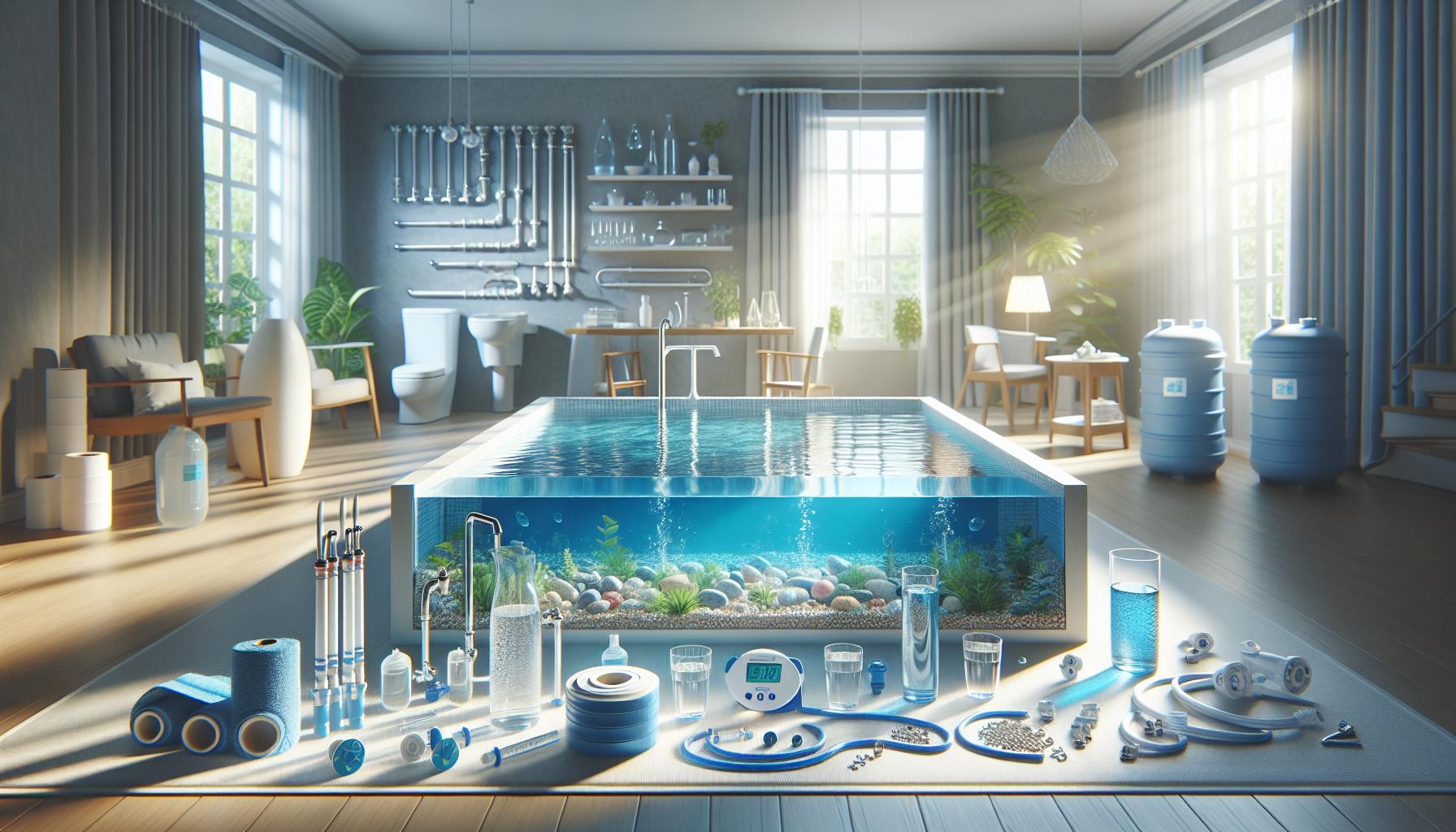
Step-by-Step Guide: Converting Your Pool to Chlorine
Every pool owner knows the importance of maintaining clean and safe water, and many have chosen saltwater systems for their low maintenance. However, there are times when converting to a traditional chlorine system may become necessary, whether due to budget constraints, efficiency concerns, or simply a preference for chlorine’s familiar benefits. Transitioning from a saltwater pool to a chlorine-based one involves several key steps, ensuring that the water remains sparkling and safe throughout the conversion process.
Gather Your Materials
Before you start the conversion, it’s essential to have the right supplies on hand. This will make the process smoother and more efficient. Here’s what you’ll need:
- Chlorine tablets or granules
- Testing kits for pH and chlorine levels
- Water balancing chemicals (pH increaser, pH decreaser, alkalinity increaser)
- Brush and vacuum for pool cleaning
- Pool skimmer and net
Adjusting Pool Water Chemistry
The initial step in the conversion is to assess your saltwater pool’s current chemical balance. Use a reliable testing kit to check the levels of pH, alkalinity, and chlorine.
| Chemical | Desired Level |
|---|---|
| pH | 7.4 – 7.6 |
| Alkalinity | 80 – 120 ppm |
| Chlorine | 1 – 3 ppm |
Achieving the right levels is critical, as imbalances can affect chlorine effectiveness and overall water quality. If the pH is too high, use a pH decreaser; if it’s too low, adjust it with a pH increaser. Similarly, ensure your alkalinity is within the desired range by adding the appropriate chemicals.
Draining the Pool
Once the water chemistry is adjusted, it’s time to drain a portion of your pool. Removing some of the saltwater is necessary as residual salt can hinder the effectiveness of chlorine. Aim to drain approximately 30% of the pool’s water. However, remember to follow local regulations regarding water discharge. After draining, refill the pool with fresh water to dilute any lingering salt content.
Introduce Chlorine to Your Pool
With the water refilled, it’s time to add chlorine to the pool. Begin by adding either chlorine tablets or granules according to the manufacturer’s instructions, targeting the previously mentioned chlorine levels. As you add chlorine, continue testing the water regularly to ensure proper sanitization.
This step often requires patience; allow the chlorine to circulate for several hours or overnight. Keeping the pump running during this time encourages even distribution and stabilizes the chemistry throughout your pool.
By carefully following these structured steps on how to convert a saltwater pool to a chlorine system, you can achieve a seamless transition while ensuring your pool remains a safe and enjoyable haven for family and friends.
Testing Water Chemistry Before and After the Switch
Despite many saltwater pools gaining popularity for their low maintenance and user-friendly nature, transitioning to traditional chlorine systems requires meticulous testing of water chemistry both before and after the switch. Before making any changes, it is crucial to understand the current state of your pool’s water. This understanding can prevent costly mistakes and ensure a smooth conversion process.
To accurately assess the water chemistry, begin by testing for key parameters such as chlorine levels, pH, alkalinity, and calcium hardness. You can use an easy-to-read water testing kit or strips available at pool supply stores. A proper assessment will help inform you of the necessary adjustments:
- Chlorine levels: Ensure that you have accurate readings so you know how much chlorine to add later.
- pH levels: Ideally, this should be between 7.2 and 7.6; unbalanced levels can affect chlorine efficiency.
- Alkalinity: Maintain levels between 80-120 ppm to help stabilize pH.
- Calcium hardness: Aim for levels between 200-400 ppm to prevent corrosion.
Post-Conversion Testing and Adjustment
Once you’ve successfully converted your pool from saltwater to chlorine, it’s equally essential to retest the water chemistry. This will help determine how well the chlorine system is performing and if any immediate adjustments need to be made. Expect fluctuations as the chlorine begins to dissolve and stabilize:
- Chlorine addition: Depending on the size of your pool, adjust the chlorine levels based on the initial readings.
- Consistent monitoring: Test the water chemistry weekly for the first month after conversion to monitor changes rapidly.
- Make adjustments: Correct any imbalances in pH, alkalinity, or hardness promptly to maintain optimal conditions.
By maintaining rigorous testing both pre- and post-conversion, pool owners can ensure a seamless transition and a healthier swimming environment. Following the outlined testing procedures as part of the ‘How to Convert Salt Water Pool to Chlorine: Step-by-Step Guide’ will not only help in fine-tuning your pool chemistry but also enhance overall enjoyment and safety while swimming.
Maintaining Your New Chlorine Pool for Optimal Enjoyment
Maintaining a newly converted chlorine pool is essential for ensuring that you and your family can enjoy crystal clear water all season long. With the conversion from saltwater to chlorine, there are some critical steps you need to follow in order to sustain the ideal pool environment and maximize your investment in your home.
Weekly Maintenance Routine
Establishing a consistent maintenance schedule is key to keeping your chlorine pool in top condition. A weekly routine should include the following tasks:
- Cleaning Debris: Use a skimmer net to remove leaves and other debris from the water surface, and regularly brush the pool walls to prevent algae growth.
- Testing Water Chemistry: Test the pH and chlorine levels at least once a week. Aim to keep the pH between 7.4 and 7.6, and free chlorine levels between 1-3 parts per million (PPM) for optimal sanitation.
- Shock Treatment: Perform a shock treatment with your preferred pool shock product every week or after heavy use to eliminate contaminants and restore clarity to the water.
- Filter Maintenance: Clean or backwash the filter according to the manufacturer’s guidelines to ensure efficient circulation and filtration of the water.
Balancing Chemicals
Balancing the water chemistry in your chlorine pool is just as critical as regular cleaning. After you convert from saltwater, keep an eye on the following key parameters:
| Chemical | Recommended Range |
|---|---|
| pH | 7.4 – 7.6 |
| Free Chlorine | 1 – 3 PPM |
| Alkalinity | 80 – 120 PPM |
| Calcium Hardness | 200 – 400 PPM |
Maintaining proper chemical balance promotes not only a safe swimming environment but also prolongs the lifespan of your pool equipment. If you notice imbalances, solutions such as pH adjusters, alkalinity increasers, or calcium hardness products can help rectify the issues.
Common Troubleshooting Tips
Even with regular maintenance, you may encounter issues such as cloudy water or algae growth. Here are some handy troubleshooting tips to keep your pool clear and inviting:
- Cloudy Water: Check chlorine levels and shock the pool if necessary. Also, consider running the filter longer to improve clarity.
- Algae Issues: Brush and shock the pool, then run the filtration system continuously for 24-48 hours until the algae is cleared.
- Equipment Problems: Regularly inspect pool pumps, filters, and heaters. Clean or replace parts as directed by their maintenance instructions.
By following these steps for maintaining your chlorine pool, you can create an enjoyable and hassle-free swimming experience. Adhering to a solid maintenance routine will empower you to fully benefit from the fun and relaxation your investment brings.
Common Mistakes to Avoid During the Conversion Process
When transitioning from a salt water pool to a chlorine system, it is crucial to navigate the process carefully to avoid costly errors. Many pool owners underestimate the complexities involved, leading to challenges that could have easily been avoided. Understanding and addressing common pitfalls is key to ensuring a smooth conversion and maintaining a healthy pool environment.
One prevalent mistake is neglecting to thoroughly test the pool water prior to beginning the conversion. Accurate water testing provides insights into the current chemical balance and informs necessary adjustments. Failing to do this can result in not adding enough chlorine or other balancing agents, leading to cloudy water and potential algae growth. Make sure you have a reliable pool test kit or have your water analyzed at a local pool store for the most accurate results.
Another frequent oversight is skipping the proper equipment adjustments. Salt water pools have unique components, such as salt cells, that may need to be replaced or bypassed during the conversion. Ignoring these adjustments can lead to equipment malfunctions or diminished efficiency in your chlorine system. Before proceeding, consult the manufacturer’s guidelines and ensure all equipment is suitable for use with chlorine.
Lastly, timing can greatly impact the success of your conversion. It’s a common mistake to attempt a conversion during inappropriate weather conditions, such as heavy rain or extreme temperatures, which can affect chemical stability and add to the workload. Selecting a calm, temperate day for your project will simplify the process and yield better results. Always check the weather forecast beforehand, and plan your conversion for a time that allows for necessary monitoring and adjustments.
In summary, avoiding these common mistakes during your transition from a salt water pool to a chlorine system can save you time, money, and frustration. By preparing adequately, testing your water, making necessary equipment adjustments, and choosing optimal conditions, you’ll be well on your way to enjoying a crystal-clear swimming environment.
Tips for a Smooth Transition from Salt to Chlorine
Transitioning from a saltwater pool to a chlorine-based system can seem like a daunting task, but with the right approach and some essential tips, you can achieve a smooth and efficient conversion. It’s important to understand that while both systems aim to maintain water cleanliness, they operate differently. Therefore, preparation and understanding the unique needs of your pool during this changeover are key to avoiding common pitfalls and maintaining water quality.
### Understanding the Conversion Process
The first step is to ensure that you have a clear plan in place for the conversion. Here are some essential considerations:
- Assess Your Water Chemistry: Before beginning any conversion, test the current water chemistry of your salt pool. Knowing your current pH, alkalinity, and chlorine levels will help you adjust them effectively throughout the process.
- Drain the Saltwater: Depending on how saturated your pool is with salt, you may need to completely drain the pool. This will ensure that salt doesn’t interfere with your new chlorine system.
- Thoroughly Clean the Pool: Take the opportunity to scrub your pool surfaces and filter. Removing any residue from the salt system will help the chlorine work more effectively once you refill the pool.
### Refilling and Adjusting Water Chemistry
Once the pool is drained and cleaned, it’s time to refill. Keeping an eye on water chemistry during this stage is crucial:
- Carefully Monitor pH Levels: As the pool fills, frequently check and adjust the pH levels to maintain a range of 7.2 to 7.6.
- Add Chlorine Gradually: Begin by introducing chlorine gradually to avoid shocking the system. Utilize a chlorine granule or liquid chlorine to safely increase levels.
- Use a Stabilizer: To maintain an effective chlorine level, consider adding a stabilizer (cyanuric acid) to protect it from UV rays.
### Maintaining Clarity and Cleanliness
After the conversion, maintaining clarity and cleanliness becomes your priority. Regularly monitor and adjust the chemical balance, keeping these tips in mind:
- Regular Testing: Invest in a good pool testing kit to regularly check chlorine, pH, and alkalinity levels.
- Consistent Cleaning Routine: Establish a routine for skimming debris, vacuuming the pool, and rinsing out filters to ensure a clean swimming environment.
- Monitor Chlorine Levels: Ideally, maintain chlorine between 1-3 ppm for optimal sanitation and swimmer comfort.
By following these strategies during your transition, you’ll not only ease the process but also set your pool up for long-term success as a chlorine system. Each step completed diligently makes a significant difference in how effectively your pool transitions from salt to chlorine. Adaptability and regular maintenance will have your pool sparkling in no time!
Frequently Asked Questions
How to Convert Salt Water Pool to Chlorine: Step-by-Step Guide?
To convert a saltwater pool to a chlorine pool, start by removing the salt cell and adjusting your water chemistry. You’ll then need to add chlorine directly to the pool until the desired levels are met.
This transition involves draining some of the water, as saltwater pools have different chemical balances. You may want to consult with a pool professional if you’re unsure about the water testing process. For more detailed instructions, check out our detailed guide on pool conversion.
What is the difference between a saltwater pool and a chlorine pool?
A saltwater pool generates chlorine from salt through electrolysis, while a traditional chlorine pool requires manual addition of chlorine. Each system has unique benefits and maintenance requirements.
Saltwater pools tend to be gentler on skin and eyes due to lower chlorine levels. However, traditional pools can be easier to maintain for some users. Understanding these differences can help you decide which system suits your lifestyle better.
Why does my saltwater pool need to be converted to chlorine?
Common reasons for converting a saltwater pool to a chlorine pool include equipment failure, maintenance difficulties, or personal preference for the traditional pool system.
You might find that ongoing maintenance costs are lower with a traditional chlorine system or that it’s easier to manage chemical balance. Whatever the reason, it’s essential to understand the implications of the conversion for your pool’s health.
Can I convert my saltwater pool to chlorine myself?
Yes, you can convert your saltwater pool to chlorine yourself, but it requires careful attention to detail and proper chemical handling. Following a step-by-step guide can simplify the process.
Make sure to test your water chemistry regularly during the conversion to avoid imbalances. If you’re uncertain about any steps, consider hiring a professional for assistance to ensure the process goes smoothly.
What supplies do I need for converting a saltwater pool to chlorine?
You will need basic pool maintenance supplies, including chlorine tablets, a testing kit, and water balancing chemicals. Additional tools, like a pool cover and hose, can help you streamline the process.
Investing in quality testing equipment ensures that you maintain the proper chemical balance during and after the conversion. Understanding your pool’s specific needs will lead to better water quality and a healthier swimming environment.
How long does it take to convert a saltwater pool to chlorine?
The conversion process can take anywhere from a few hours to a few days, depending on the pool size, the level of preparation, and how quickly you can balance the new chemical levels.
Once the necessary preparations are made, it often just takes daily monitoring and adjustments to stabilize the chlorine levels. Make sure to plan accordingly to minimize downtime and enjoy your pool as soon as possible.
Will converting my saltwater pool to chlorine affect the water quality?
Yes, converting your saltwater pool to chlorine may temporarily affect water quality as you balance the new chemicals. However, proper conversion techniques can ultimately improve clarity and sanitation.
Keep in mind that regular testing will help you maintain optimal water conditions. By taking the right precautions, you can ensure that your pool remains clean and inviting throughout the conversion process.
In Summary
In conclusion, converting your salt water pool to a chlorine system can seem like a daunting task, but with the right guidance and a step-by-step approach, it becomes a manageable project. Remember to carefully prepare your pool, balance the water chemistry, and choose the right chlorine products for effective sanitization. By taking the time to understand each step, you can ensure a smooth transition and maintain a clean, inviting pool for you and your loved ones. Don’t hesitate to revisit this guide as you proceed, and feel free to explore further resources or reach out with any questions. Your journey to a beautiful, chlorine-purified pool is just beginning—dive in with confidence!


