Are you worried that a saltwater pool could damage your beloved lawn? With the rising popularity of saltwater systems, many homeowners are left questioning their impact on grass health. Understanding how saltwater interacts with soil can help you navigate pool maintenance while keeping your yard lush and green. Let’s unravel the truth about lawn safety around saltwater pools.
Understanding Salt Water Pools and Their Impact on Grass
A saltwater pool may sound like an indulgent luxury, but for homeowners, it raises a pivotal question: the potential impact on surrounding grass and landscaping. Understanding the balance between enjoying a chlorinated alternative and maintaining a healthy lawn is essential, especially in regions where salt sensitivities in plants can lead to detrimental effects. Saltwater pools utilize a salt chlorine generator, which converts salt into chlorine, creating a more gentle swimming experience. However, this process can inadvertently lead to salt build-up in the soil, affecting plant health.
When saltwater is released into the environment, it can create a range of concerns for grass health. Excess salt in soil can interfere with the plant’s ability to take up essential nutrients and water, leading to salt stress. When plants experience high salinity levels, their leaves may begin to scorch or wilt, and grass can become discolored and thin. This is particularly crucial for homeowners with lush lawns close to their pools, as careless drainage or spills can significantly affect the integrity of the grass.
Tips for Protecting Your Grass from Saltwater Damage
To mitigate the risks associated with saltwater pools and to answer the question, “Will a saltwater pool kill grass?” it’s essential to adopt a few protective strategies:
- Proper Pool Maintenance: Regularly check and maintain your pool equipment to ensure that no overly salty water escapes into the yard.
- Strategic Landscaping: Consider planting salt-tolerant grass and plants around the pool area to create a buffer. Species like Bermuda grass and certain ornamental grasses are more resistant to salinity.
- Water Reinforcement: When cleaning the pool area or after rain, make it a habit to flush the surrounding soil with fresh water to help leach excess salt away.
It’s crucial to monitor the health of your lawn routinely. If you notice signs of distress in your grass, such as browning or patchiness, it might be time to test the soil for salinity levels. Addressing this promptly can prevent significant damage and allow for restorative measures to take place, ensuring the beauty of your landscape is preserved.
By proactively managing the interplay between a saltwater pool and your grass, you can enjoy the benefits of a saltwater system while safeguarding your outdoor environment. For those wondering whether a saltwater pool will kill grass, the answer lies not solely in the presence of salt but in the management practices you implement.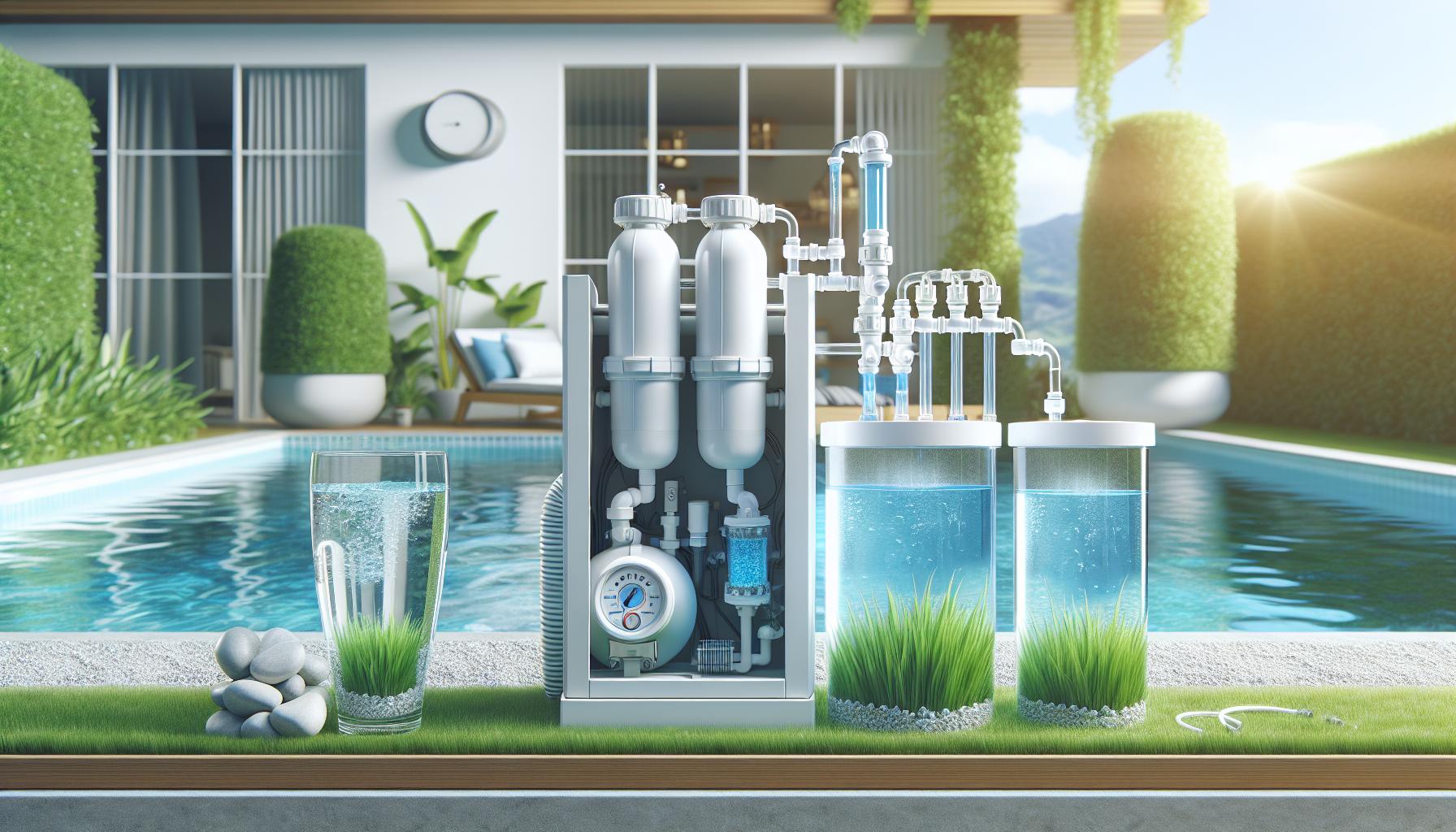
How Salt Water Affects Soil Health and Lawn Growth
The impact of salt water on soil health is a critical concern for homeowners, especially those who enjoy the luxuries of a saltwater pool. This type of pool uses a salt-chlorine generator to sanitize the water, leading many to wonder: will salt water pool kill grass? To address this question, it’s essential to understand how salt interferes with the biological and chemical properties of soil and, consequently, how it affects lawn growth.
Salt’s Effect on Soil Structure
When saltwater seeps into the soil, it can lead to a phenomenon known as salinity. High salinity levels in the soil disrupt the balance required for optimal plant health by:
- Compromising Water Infiltration: Excess salt can create a barrier, making it hard for water to penetrate and saturate the soil.
- Impairing Nutrient Uptake: Elevated sodium levels can hinder the plant’s ability to absorb essential nutrients, leading to nutrient deficiency symptoms.
- Degrading Soil Structure: High concentrations of salt can result in soil compaction, reducing aeration and further impeding root development.
Real-World Examples of Damage
Consider a homeowner who installed a saltwater pool and noticed patches of yellowing grass near the pool’s edge. This is a classic manifestation of salt stress on turf. Over time, areas near the pool may become increasingly barren, with fewer viable plants. Such conditions can lead to unsightly patches and, ultimately, increased maintenance and repair costs for lawn restoration.
| Impact | Description | Potential Remedies |
|---|---|---|
| Poor Watering | Salt inhibits water movement, leading to dry patches. | Install drainage systems to redirect excess pool runoff. |
| Nutrient Deficiency | Salt reduces nutrient availability to plants. | Regular soil testing and amendment with organic fertilizers. |
| Increased Soil Compaction | Salt-laden soils tend to be compact and poorly aerated. | Incorporate aeration techniques and natural amendments like compost. |
Mitigating Salt Damage in Your Lawn
To protect your lawn from the effects of a saltwater pool, it is advisable to implement several proactive measures. First, ensure that any runoff from your pool is directed away from grass areas. Additionally, if you notice signs of salt stress, consider rinsing the affected soil with freshwater, as this can help wash away excess salts. Regular testing of soil salinity levels can help you stay one step ahead, allowing for timely interventions to restore balance.
By understanding the nuances of how salt water interacts with soil and plant health, homeowners can take actionable steps to maintain their lawns and avoid the pitfalls associated with saltwater pools.
Tips for Protecting Your Lawn from Salt Water Exposure
Properly managing salt water exposure is crucial for maintaining the lushness of your lawn, especially if you have a saltwater pool nearby. Despite the allure of these pools, their saline content can pose a serious threat to grass health. The key to ensuring a vibrant lawn lies in proactive strategies that shield your grass from potential harm.
Understanding the Impact of Salt Water
Saltwater can lead to heightened sodium levels in your soil, which in turn affects grass roots by disrupting the water absorption process. This can lead to symptoms such as browning, wilting, and stunted growth. If you live in proximity to a saltwater pool, it’s essential to adopt measures to mitigate these risks and preserve the vitality of your landscaping.
Proven Strategies for Protection
To protect your lawn effectively, consider implementing the following strategies:
- Establish Buffer Zones: Create a physical barrier using plants, rocks, or mulch to absorb and divert excess saltwater runoff away from your grass.
- Watering Practices: Water your lawn deeply and frequently following heavy rainfall or salt exposure. This dilutes the concentration of salt in the soil, helping to cleanse it and support grass recovery.
- Soil Amendments: Incorporate organic matter such as compost or peat moss into your soil to improve drainage and reduce salinity levels.
- Choose Salt-Tolerant Grass Species: If you’re replanting or seeding areas affected by salt, consider varieties known for their salt tolerance, such as Bermuda or Zoysia grass.
Monitoring and Maintenance
Regular monitoring of your lawn’s condition is essential to catch early signs of salt damage. Set up a simple maintenance routine to assess your grass:
| Observation | Action |
|---|---|
| Wilting or Browning | Increase watering and check soil for excess salt. |
| Soil Salinity Testing | Conduct tests every season to monitor salt levels. |
| Overall Lawn Health | Add organic amendments as needed to rejuvenate the soil. |
By taking proactive steps to protect your lawn from salt water exposure, you can ensure that your outdoor space remains vibrant and healthy. Understanding the dynamics of how saltwater pools affect grass is essential in safeguarding your yard and maintaining its beauty throughout the year.
The Role of Dilution: Can Fresh Water Mitigate Salt Damage?
The impact of salt water on grass can be significant, leading to concerns for homeowners with salt water pools. One of the most effective strategies to combat the detrimental effects of salt is the process of dilution. By introducing fresh water into the environment, you can greatly alleviate the saline concentration in the soil and surrounding areas. This not only enhances the viability of your lawn but also can aid in restoring its health and vibrancy.
The Importance of Dilution
When salt enters the soil, it can create a hostile environment for grass and other vegetation. The excess sodium and chloride can hinder the ability of grass roots to absorb essential nutrients and water. This is where dilution becomes crucial. Watering your lawn with fresh water can effectively reduce the concentration of salt in the soil, promoting healthier grass growth. Here are some practical tips to consider:
- Regular Watering: Ideally, plan to water your lawn with fresh water several times a week, especially after rainfall, to wash away accumulated salt.
- Soil Testing: Conduct a soil test to determine the salinity levels. This will help you understand how much dilution is necessary.
- Strategic Timing: Water during cooler parts of the day to minimize evaporation and maximize absorption.
- Aeration: Consider aerating your lawn to help water penetrate deeper into the soil, improving the dilution process.
Real-World Example
Numerous homeowners living near coastal areas have observed positive results by implementing fresh water irrigation strategies. For instance, a property owner in Florida discovered that by using their municipal water supply to irrigate their lawn following a summer of salt water exposure due to hurricanes, they were able to revive their grass. This practical experience highlights how timely intervention through dilution can restore greenery and ensure the longevity of your lawn’s health.
Long-Term Solutions
While dilution can effectively mitigate immediate salt damage, it’s also essential to consider long-term strategies to safeguard your lawn. Implementing a routine maintenance plan that includes periodic soil testing, the addition of organic matter, and using salt-resistant grass can fortify your lawn’s resilience against salt water exposure. For example, choosing species like Bermuda grass or creeping red fescue may offer better tolerance to saline conditions.
By understanding the critical role of fresh water in counteracting salt damage, you can maintain a flourishing lawn and enjoy the benefits of your salt water pool without the fear of harming your grass.
Recognizing Signs of Salt Stress in Your Grass
Grass, much like other plants, is susceptible to environmental stresses, and one of the critical stressors you might encounter is salt. This is particularly true for lawns situated near saltwater pools, which can inadvertently affect the surrounding grass. Recognizing the signs of salt stress in your lawn is essential to preserving its health and aesthetic appeal.
The first noticeable symptoms of salt stress are often subtler than you’d expect. Watch for a change in color; healthy grass typically boasts a vibrant green, while stressed grass may develop a yellowish hue or even browning tips. Wilting is another red flag—grass blades may appear limp and droopy instead of standing upright. Furthermore, if you observe patches of grass that seem to be thinning or dying off, this could be a strong indication of salt accumulation in the soil, inhibiting water absorption.
Key Signs to Monitor
- Discoloration: Yellowing or browning tips of blades.
- Wilting: Limp and droopy appearance of grass.
- Patch Formation: Thinning or dead patches in the grass.
- Leaf Burn: Crispy edges and tips on grass blades.
Since the effects of salt can manifest differently across various grass types, knowing your specific variety can help in diagnosing potential issues. For instance, some varieties may exhibit signs of stress before others. An important strategy to mitigate damage is to regularly test your soil. This can help identify the salinity levels present, allowing you to take preventive measures before significant damage occurs.
Lastly, be proactive in your approach to lawn care, especially if you’ve recently encountered saltwater exposure, such as from splashes or overflow from a saltwater pool. Regular watering, especially with fresh water, can help dilute the salt concentration in the soil, aiding recovery. Understanding these vital signs of salt stress not only enhances your knowledge about lawn care but also addresses the question, Will saltwater pool kill grass? With the right attention and care, your lawn can thrive amidst these challenges.
Preventative Measures for Lawn Safety Around Salt Water Pools
When considering the lush greenery of your lawn and the soothing allure of a saltwater pool, it’s crucial to understand how to maintain a safe balance between the two. Saltwater pools, while gentler on the skin and eyes than traditional chlorine pools, can pose unique challenges for nearby grass. If you’re worried about the question, “Will salt water pool kill grass?” you’re not alone. Fortunately, there are several effective preventative measures to ensure that your lawn thrives alongside your aquatic oasis.
Implementing Strategic Landscaping
One of the first lines of defense against saltwater damage to your grass is the proper landscaping design. By creating barriers or employing careful planning, you can reduce saltwater exposure to your lawn. Consider the following strategies:
- Raised Edging: Installing raised flower beds or borders can help divert salty water runoff from reaching your lawn.
- Native Plantings: Surround your pool with salt-tolerant plants or grasses that can withstand saline stress. Coastal grasses or certain succulents may be ideal options.
- Buffer Zones: A buffer zone made up of mulch or gravel between the pool and the grass can absorb excess salt and prevent it from infiltrating the soil.
Smart Water Management
Proper irrigation is essential for maintaining lawn health near saltwater pools. Regular watering helps to leach the salt from the soil, but it’s vital to follow a tailored approach that caters to your specific environment.
- Frequent Watering: Water your lawn more frequently but in shorter amounts to keep the soil hydrated without saturating it with saltwater.
- Rainwater Harvesting: Collect rainwater to irrigate your lawn, providing a fresh water source that counters salt accumulation.
- Monitoring Salinity Levels: Use a conductivity meter to check soil salinity regularly, allowing you to adjust your irrigation practices based on precise readings.
Adapting Lawn Care Practices
Another aspect of lawn safety involves changing your lawn care regimen to bolster resistance against salt stress.
- Soil Conditioning: Add organic matter like compost to improve soil structure and promote better drainage, reducing salt retention.
- Fertilization: Apply fertilizers that are specifically designed for saline conditions to help bolster grass health.
- Seasonal Maintenance: Consider overseeding with salt-tolerant grass varieties during spring to help establish a more resilient lawn.
By proactively managing your lawn with these measures, you can significantly mitigate the risks associated with having a saltwater pool in proximity. Protecting grass from saltwater exposure not only enhances the aesthetic of your outdoor space but also contributes to the overall health and longevity of your lawn.
Expert Insights: Balancing A Beautiful Lawn with Pool Fun
Creating a perfect synergy between a lush, green lawn and a fun-filled pool area can be a challenge, especially for those considering a saltwater pool. While the allure of a saltwater system is undeniable, it’s essential to understand how its chemical composition might affect your grassy oasis. Many homeowners wonder, will salt water pool kill grass? This question arises because excessive salt can desiccate plant life, leaving behind unwelcome brown patches and unhealthy turf.
To maintain a vibrant lawn while enjoying the benefits of a saltwater pool, consider the following strategies:
Water Management
One vital aspect is managing water runoff and drainage from the pool area. Protect your grass from saltwater exposure by implementing these methods:
- Pool Positioning: Ensure that your pool is built with proper drainage systems that direct water away from grassy sections. Positioning the pool further from the lawn can minimize saltwater contact.
- Regular Rinsing: After a heavy rain or pool cleaning, rinse off any salt residue on the lawn. This can help prevent salt buildup that harms grass health.
- Installation of Barriers: Using landscape fabric or stones to create barriers around the pool can inhibit saltwater from creeping into the lawn area.
Soil Health Management
Understanding the salt tolerances of different grass types can also be beneficial. Here’s a quick comparison of common lawn grasses and their salt tolerance:
| Grass Type | Salt Tolerance |
|---|---|
| Bermudagrass | Moderate |
| Buffalograss | High |
| Kentucky Bluegrass | Low |
| Zoysiagrass | Moderate |
Selecting a grass type with higher salt tolerance can significantly reduce potential damage. Additionally, enhancing your soil’s health through organic matter and regular aeration can help bolster your grass’s resistance to salt stress.
Combining smart pool design and appropriate landscaping choices will allow you to enjoy a beautiful lawn along with your saltwater pool. By being proactive and employing these strategies, you can ensure that the question of whether a saltwater pool might kill your grass becomes a non-issue, paving the way for both vibrant greenery and luscious swimming experiences.
Maintenance Practices to Ensure a Healthy Lawn Near Salt Water Pools
Maintaining a healthy lawn near saltwater pools can be challenging due to the unique environmental conditions posed by the salt. Saltwater from pools can lead to drought-like effects on grasses, causing them to wilt and turn brown. However, with proper maintenance practices, homeowners can ensure their lawns thrive in this potentially harmful setting. Implementing a well-structured care routine is essential for protecting grass from the detrimental effects of saltwater while promoting lush, healthy growth.
Watering Techniques
One of the most effective means to counteract the effects of salt is through diligent watering. Regular irrigation helps to wash away excess salt that may accumulate in the soil. Consider the following practices:
- Deep and infrequent watering: Water your lawn thoroughly once or twice a week instead of daily. Deep watering encourages deep root growth while reducing salt concentration.
- Timing matters: Water your lawn during early morning hours to minimize evaporation and maximize absorption.
- Use fresh water: If possible, supplement your irrigation with freshwater sources to dilute salinity levels.
Soil Management
Healthy soil is crucial for grass resilience, especially in salty conditions. Regular soil management can significantly improve lawn health.
- Soil testing: Conduct soil tests to determine salinity levels and adjust your remediation tactics accordingly. This allows you to understand the specific needs of your grass type.
- Organic amendments: Incorporate organic materials like compost or peat moss into the soil. These amendments improve water retention and increase the soil’s capacity to filter out salt.
- Aeration: Aerate the lawn periodically to improve drainage and reduce compaction, which can help alleviate salt buildup.
Choosing the Right Grass
Selecting grass varieties more tolerant to salt can make a significant difference near saltwater pools. Consider the following options known for their resilience:
| Grass Type | Salt Tolerance | Ideal Conditions |
|---|---|---|
| Buffalo Grass | High | Full sun, dry to medium moisture |
| Seashore Paspalum | Very High | Moderate to high salinity, full sun |
| Zoysia Grass | Moderate | Full sun to partial shade |
By implementing these effective maintenance practices, homeowners can greatly reduce the potential impact of saltwater pools on their lawns. Remember that vigilance in monitoring soil health, coupled with strategic watering and the right plant selection, is key to answering the question of whether saltwater pools will kill grass. With care, you can enjoy both a stunning lawn and a refreshing swim.
Faq
Will Salt Water Pool Kill Grass?
Yes, a salt water pool can negatively impact grass due to the high salt levels. Grass exposed to salt water can suffer from *dehydration* and may lead to *browning* or even death.
When salt accumulates in the soil, it can create an imbalance in the moisture available to grass roots, affecting their health. To mitigate these effects, be sure to wash down any areas exposed to salt water and consider planting salt-tolerant grass varieties. For more tips on maintaining your lawn’s health, check out our article on lawn care tips.
How to Protect Grass from Salt Water Pool Damage?
To protect your grass from the *effects of salt water*, ensure regular rinsing of any grass areas that may get splashed by the pool water. This will help to dilute and wash away harmful salts.
In addition, you can plant a barrier of salt-resistant plants or create a physical shield utilizing landscaping rocks. Regularly testing your soil and using organic materials can also help maintain soil health and keep your lawn green and healthy.
Why Does Salt Water Hurt Grass?
Salt water harms grass primarily because salt creates a *high salinity environment* that makes it difficult for grass to absorb water. This leads to dehydration and nutrient imbalances.
With too much salt, grass can take on a *browned appearance* and may die if not treated promptly. Understanding the chemistry behind salt and soil can be crucial for managing a healthy lawn alongside a salt water pool.
Can I Use Salt Water for Irrigation?
No, using salt water from a pool for irrigation is not recommended as it can lead to long-term damage to your grass and other plants due to *salt accumulation* in the soil.
Instead, use fresh water for irrigation to maintain optimal soil health and support grass growth. Consider rainwater harvesting as a natural way to water your plants without the risks associated with salt.
What Are the Signs of Grass Damage from Salt Water?
Signs of grass damage from salt water include *browning*, wilting, and *slow growth*. Grass might also develop dry patches or hotspots.
If you notice these symptoms, it’s urgent to assess the exposure to salt water and take immediate action to mitigate stress on the lawn. Regularly observing your grass health is key to early intervention.
Can I Restore Grass Affected by Salt Water?
Yes, you can restore grass affected by salt water by first flushing the soil with fresh water to remove excess salt and then reseeding or revitalizing the lawn.
Utilizing a good fertilizer that promotes recovery can also contribute positively. Having a proper lawn care plan which includes regular water management will keep your grass thriving despite any previous damage.
Are Some Grass Types More Resistant to Salt Water?
Yes, some grass types such as Bermuda grass and Zoysia grass show greater resilience to salt water conditions. They can tolerate elevated salt levels better than others.
When choosing grass for areas prone to splashes from salt water pools, opting for salt-tolerant varieties can greatly enhance the chances of maintaining a healthy lawn. Make sure to consult local landscaping experts for the best varieties in your region.
In Retrospect
In conclusion, while saltwater pools offer a variety of benefits, their impact on lawns deserves careful consideration. Excess salt can lead to grass damage, but with proper management and protective measures, you can maintain a lush green landscape. Regular irrigation and targeted landscaping solutions can help mitigate any potential harm from salt exposure. We encourage you to explore further ways to safeguard your lawn and enjoy the beauty of your outdoor space. Don’t hesitate to share your experiences or questions with us—together, we can ensure your grass thrives alongside your pool!