
How long can these gentle creatures thrive without hydration? Understanding the importance of water for guinea pigs is crucial for every pet owner, as even short periods without it can lead to serious health issues. This essential care guide will explore their hydration needs and provide tips to keep your furry friends healthy and happy.
Understanding Guinea Pig Hydration Needs
Proper hydration is critical for the health and well-being of guinea pigs, as they are highly susceptible to dehydration. In fact, without water, these small mammals can begin to show signs of distress and health problems within just a few hours. Understanding their unique hydration needs is essential for any responsible pet owner, especially given the question of how long they can go without water as discussed in the ‘How Long Can Guinea Pigs Go Without Water? Essential Care Guide.’
Guinea pigs require a constant supply of fresh, clean water to thrive. Unlike many animals, these creatures cannot produce their own vitamin C, which is essential for a host of bodily functions, including hydration. It’s vital to ensure they not only have access to water but also have a diet rich in fruits and vegetables that contain high water content. Below are some practical tips to help guinea pig owners maintain proper hydration levels for their pets:
- Provide fresh water daily, preferably in a sturdy water bottle or heavy bowl that cannot be easily tipped over.
- Check water bottles for clogs or leaks, as these can lead to dehydration.
- Encourage hydration through food by offering water-rich fruits and vegetables, such as cucumbers and bell peppers.
- Monitor your guinea pig’s water intake regularly to ensure they’re drinking enough.
- In warmer months or during heat waves, be extra vigilant, as guinea pigs can easily overheat and will require more water.
Signs of Dehydration
Recognizing the early signs of dehydration is crucial for preventative care. Guinea pigs may show certain behavioral and physical changes when they are not getting enough water. Here are some indicators to watch for:
| Signs of Dehydration | Description |
|---|---|
| Dry mouth and gums | Inside of the mouth can appear dry and sticky. |
| Decreased activity | Guinea pigs may become lethargic and less responsive. |
| Loss of appetite | A noticeable decrease in food intake can occur. |
| Constipation | Less frequent and harder droppings can indicate dehydration. |
Staying practiced in these care strategies will contribute to a happy and healthy guinea pig. Providing them with consistent water and monitoring their hydration can make all the difference, ensuring they flourish in your care.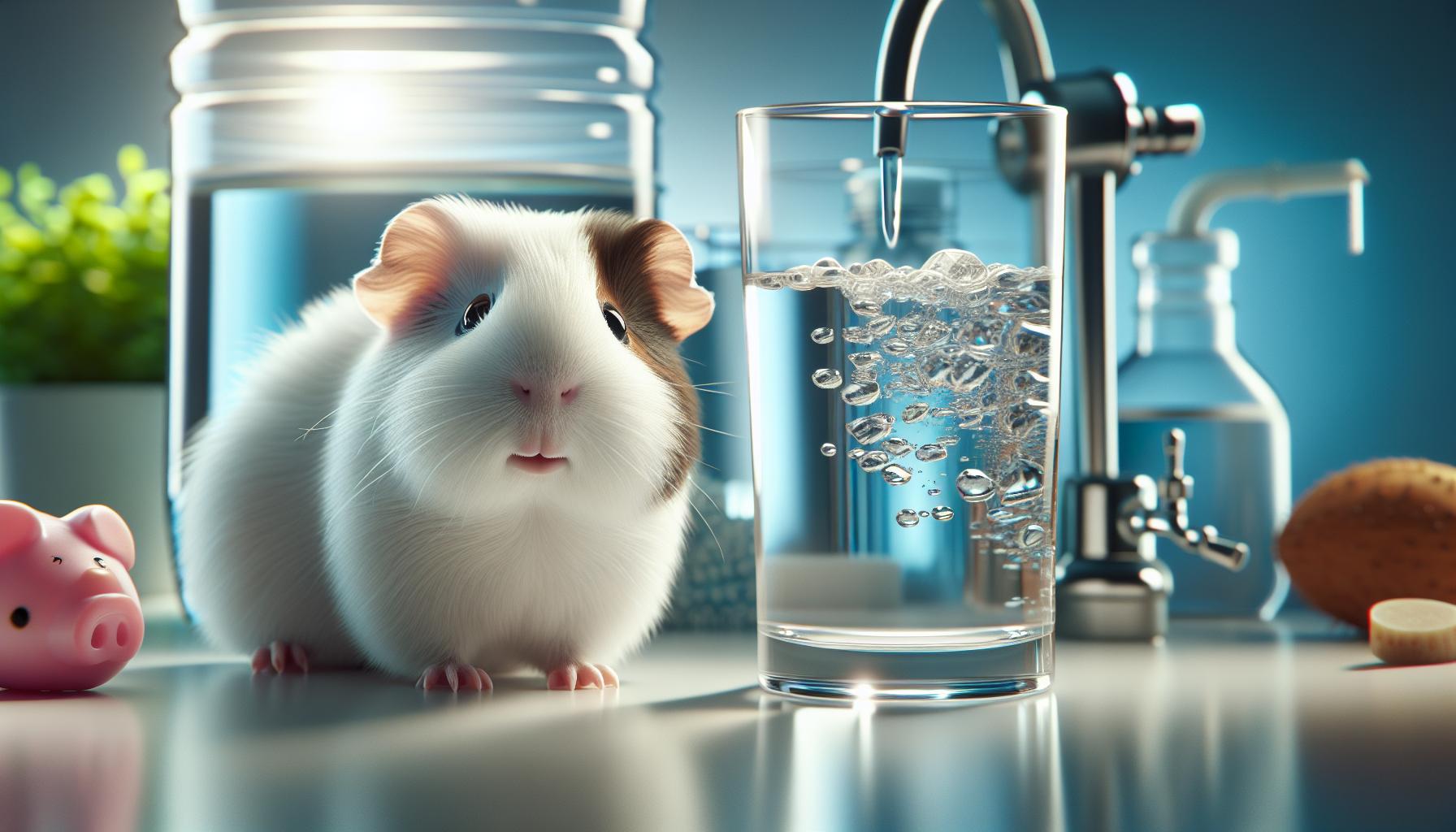
Signs of Dehydration in Guinea Pigs
Recognizing the is crucial for any owner dedicated to their well-being. These little creatures may not always overtly show that they are unwell, but early detection of dehydration can make a significant difference in their health. Just like how we need water to function, so do our furry friends. The question, “How long can guinea pigs go without water?” becomes even more pressing when we understand that they can start to feel the effects of dehydration quite quickly.
Key Symptoms of Dehydration
It’s important to be vigilant and know the signs that indicate your guinea pig may be dehydrated. Some key symptoms include:
- Dry Mouth and Nose: A dehydrated guinea pig often exhibits a dry mouth and a crusty nose. This can be easily checked by gently pulling back their lips.
- Sunken Eyes: If you notice that your guinea pig’s eyes appear sunken or dull rather than bright and clear, this could indicate a lack of hydration.
- Changes in Urination: Reduced or dark-colored urine is another concerning signal. A well-hydrated guinea pig will urinate more frequently and the urine will typically be a lighter shade.
- Listlessness: A decrease in energy levels can also be a sign. If your normally active guinea pig is lethargic or less responsive than usual, it’s worth investigating.
- Weight Loss: Regular weight checks can help you detect dehydration. An unexpected drop in weight can be a sign that your guinea pig is not getting enough fluids.
Monitoring and Maintaining Hydration
To properly care for your guinea pig, it’s essential to provide constant access to fresh, clean water. Installing a sturdy water bottle is often a preferred method due to its cleanliness and ease of use. Here’s a practical approach to ensure your guinea pig stays hydrated:
| Action | Frequency |
|---|---|
| Check water levels | Daily |
| Change water | Every 1-2 days |
| Clean water bottle | Weekly |
| Monitor for signs of dehydration | Daily |
Being proactive in monitoring for these symptoms will not only help you answer the often-asked question of “How long can guinea pigs go without water?” but will also empower you to take action before a minor issue becomes a major health concern. Keeping a close watch on your guinea pig’s behavior and physical condition is a key step in ensuring they live a long, healthy life.
How Long Can Guinea Pigs Safely Go Without Water?
Keeping your furry friend hydrated is crucial for their overall health and well-being. Guinea pigs, like all animals, require a steady supply of fresh water to thrive. It’s essential for pet owners to understand just how vulnerable these adorable creatures can be when water is scarce. In fact, without proper hydration, guinea pigs can face serious health risks that may arise rather quickly.
Generally speaking, guinea pigs can go without water for up to 24 hours; however, that doesn’t mean they should. Even a short period of dehydration can lead to urination issues and problems with vital organ functions. For the most part, it’s ideal to ensure that your guinea pig has constant access to fresh water. Here are some factors to consider regarding their hydration needs:
Signs of Dehydration
It’s crucial to be aware of the signs that indicate your guinea pig may not be getting enough water:
- Lethargy: A tired or inactive guinea pig can be a sign of dehydration.
- Dry Mouth: You can check for moisture in the mouth; a dry mouth is a red flag.
- Depressed Eyes: Instead of being bright and alert, a dehydrated guinea pig’s eyes may appear sunken.
- Reduced Urination: If your guinea pig is not urinating frequently, it may be an indication of insufficient water intake.
Factors Influencing Water Needs
Several factors can dictate how much water your guinea pig needs and how long they may safely go without it:
| Factor | Impact on Water Needs |
|---|---|
| Temperature | Hot weather increases water loss, requiring more intake. |
| Diet | Foods with high moisture content, like vegetables, can reduce water needs. |
| Health Status | Sick or older guinea pigs may need more frequent hydration. |
Providing constant access to water is not just about placing a bowl in the cage; it’s essential to ensure that the water stays clean and fresh. Daily changes and periodic checks are recommended, as guinea pigs can easily tip their water bowls or contaminate them with bedding. By being vigilant about your pet’s hydration, you’ll help ensure they live a healthy and happy life.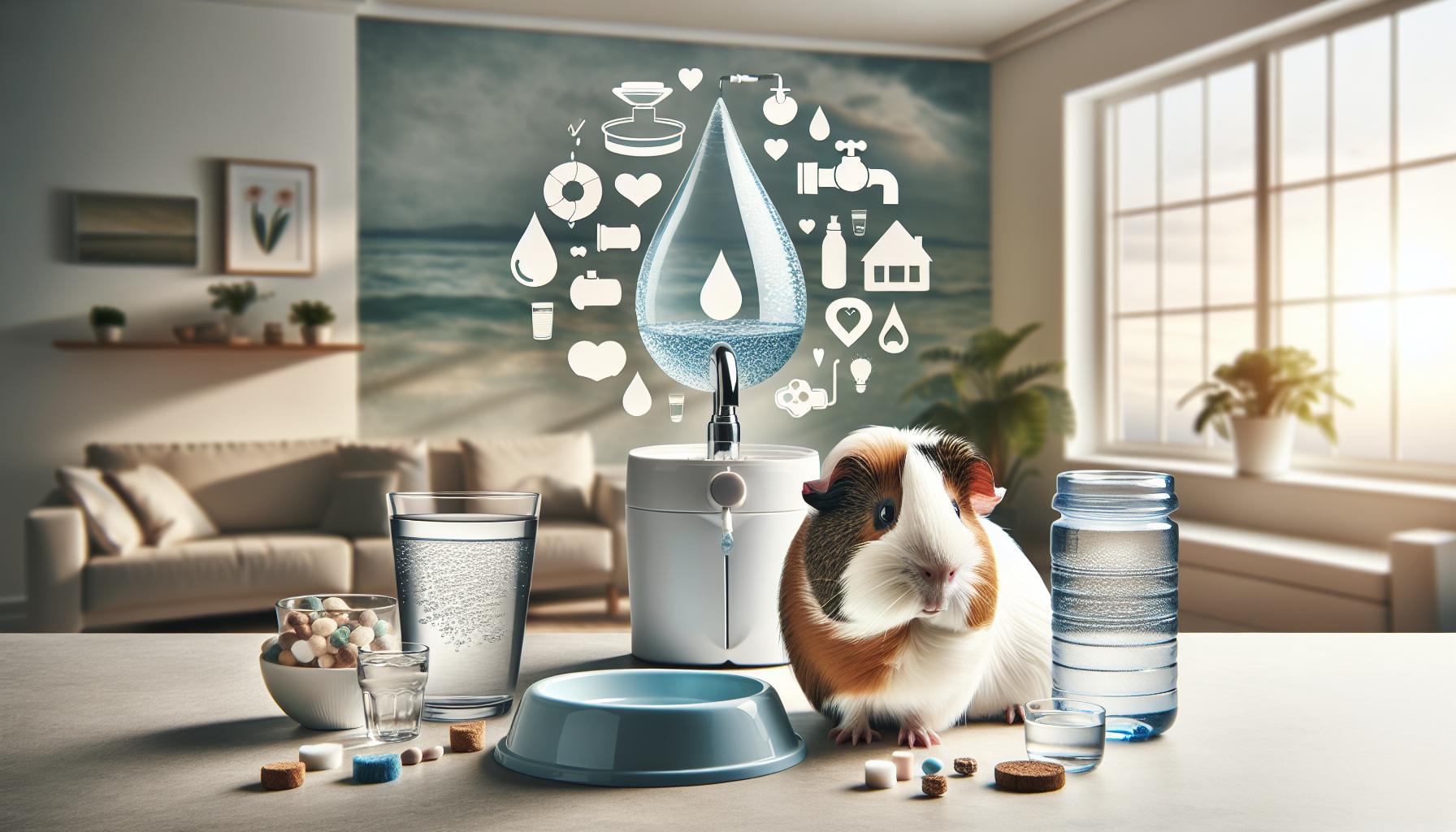
Best Practices for Keeping Your Guinea Pig Hydrated
Imagine a hot summer day, and your furry little friend is feeling parched. Ensuring your guinea pig gets enough water is crucial not only for its immediate comfort but for its overall health and well-being. Hydration allows them to maintain a normal metabolic rate, supports kidney function, and aids digestion. In a world where pet care is often overlooked, following effective hydration practices can be a game-changer for your guinea pig.
Establishing a Reliable Water Source
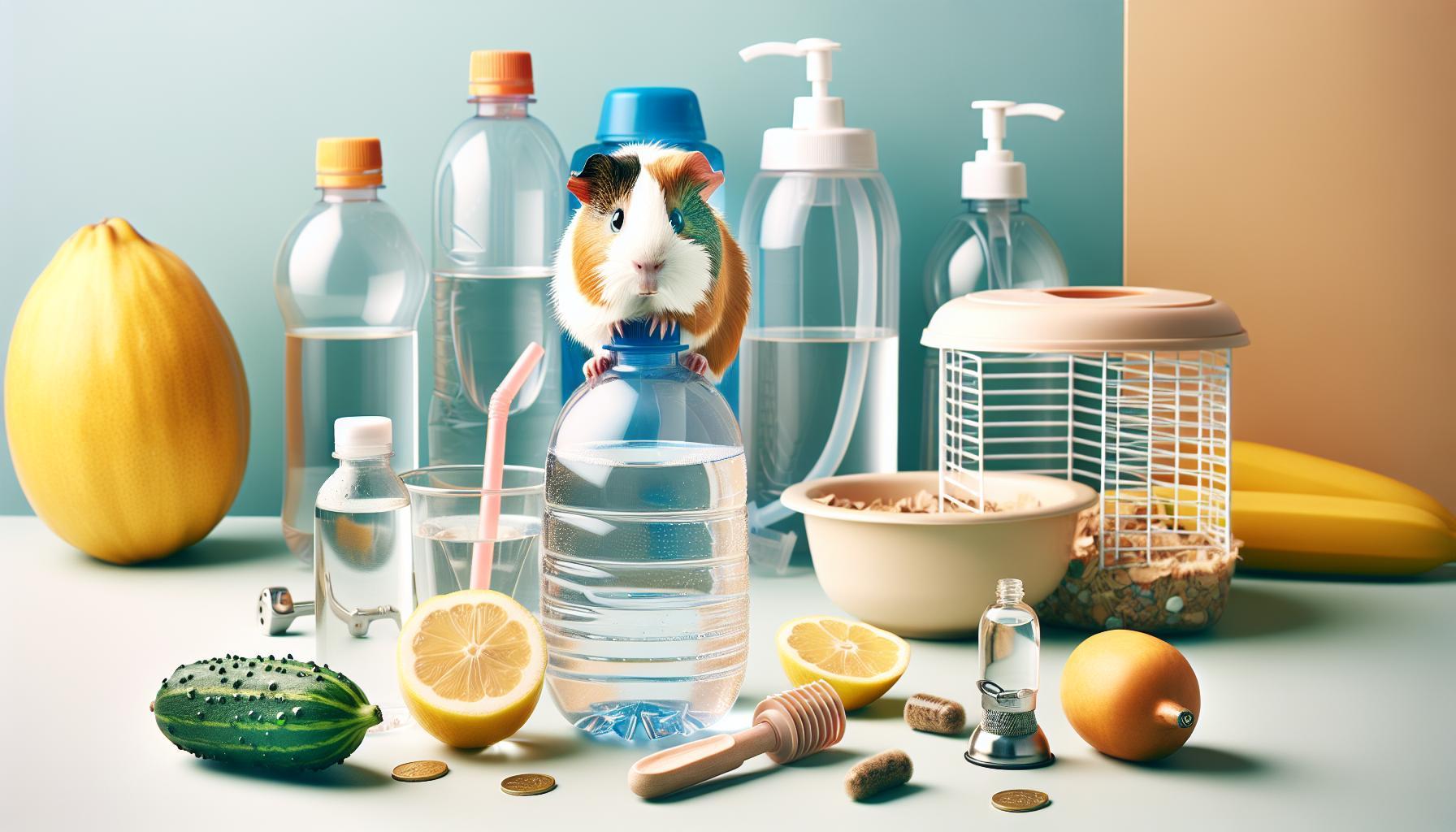
One of the most effective ways to ensure your guinea pig stays hydrated is to provide a consistent and clean water source. There are two primary options: water bowls and water bottles. Each has its pros and cons, and you may want to consider a combination of both to see which your pet prefers.
- Water Bottles: These are ideal for keeping water clean and minimizing contamination. Ensure they are made of safe materials and check the nozzle regularly to ensure it’s dispensing properly.
- Water Bowls: While they can be easily tipped over, bowls allow for easier access and are often preferred by some guinea pigs. It’s essential to refresh the water daily to prevent stagnation or dirty conditions.
Maintaining Fresh and Clean Water
Consistency in the quality of water is key. Stale or contaminated water can deter your guinea pig from drinking, leading to dehydration. Here are some tips to keep your water fresh:
- Change the water at least once a day, and more often in hot weather to prevent temperature increases.
- Clean water containers with pet-safe disinfectants to eliminate harmful bacteria.
- Avoid adding any flavoring or additives that might not agree with their digestive system.
Recognizing Signs of Dehydration
Being able to identify signs of dehydration in your guinea pig is an essential part of their care. If your pet shows the following symptoms, it’s crucial to take prompt action:
| Symptom | Description |
|---|---|
| Sunken Eyes | The eyes appear dull and sunken. |
| Dry Nose | The nose looks dry or cracked instead of moist. |
| Loss of Skin Elasticity | When you gently pull the skin, it doesn’t bounce back quickly. |
| Lethargy | The guinea pig is less active and may stay in one position. |
Taking preemptive measures to ensure your guinea pig is hydrated is not just beneficial; it’s essential. Establishing good hydration habits can lead to a long and healthy life for your small companion. With a bit of observation and regular maintenance, you can make a big difference in your guinea pig’s wellness.
Emergency Steps for Dehydrated Guinea Pigs
Diving into the world of guinea pig care reveals that hydration is an essential pillar of their well-being. Recognizing the signs of dehydration can mean the difference between a thriving pet and an emergency situation. Guinea pigs are particularly sensitive and can suffer serious health implications when they go too long without water, making it crucial for pet owners to know the immediate steps to take in case of dehydration.
If you suspect that your guinea pig is dehydrated, immediate action is necessary. Here are some effective emergency steps to follow:
Identifying Dehydration
First, it’s vital to determine if your guinea pig is truly dehydrated. Look for these signs:
- Sunken Eyes: This is often one of the first indicators.
- Loss of Skin Elasticity: Gently pinch the skin on their back; if it doesn’t spring back quickly, they may be dehydrated.
- Lethargy: A decrease in activity levels can signal an issue.
- Poor Coat Condition: A dull and dry coat is a common sign of dehydration.
Immediate Actions to Take
Once dehydration has been confirmed or strongly suspected, it’s essential to act quickly. Here’s what you can do:
- Provide Fresh Water: Offer fresh, clean water immediately. Use a water bottle or a shallow dish.
- Hydration Support: If your guinea pig is unable to drink on their own, you can use a syringe (without a needle) to gently administer water, ensuring their head is tilted slightly downwards to avoid choking.
- Offer Electrolytes: Consider using a specialized electrolyte solution made for small animals, mixing it with water to help replenish lost fluids.
- Moisten Their Food: Incorporate wet veggies or hay that can contribute to their hydration, such as cucumber or leafy greens like romaine lettuce.
When to Seek Veterinary Help
If your guinea pig shows persistent signs of dehydration or does not react positively to at-home treatments, it’s time to consult a veterinarian. Delaying professional care can lead to severe health risks, including kidney failure or shock.
Here’s a quick reference guide:
| Signs of Dehydration | Immediate Action | When to See a Vet |
|---|---|---|
| Sunken eyes, lethargy, loss of skin elasticity | Offer fresh water and hydrating foods | If no improvement in 1-2 hours |
| Poor coat condition, inactivity | Provide electrolyte solution | If they exhibit severe lethargy or other concerning symptoms |
By understanding how long guinea pigs can go without water and the immediate emergency steps to tackle dehydration, you can ensure that your furry friend remains healthy and happy.
Choosing the Right Water Source for Your Pet
Choosing the appropriate water source for your guinea pig is crucial not only for their hydration but also for their overall well-being. Guinea pigs are naturally curious and often prefer fresh, clean water, which means understanding your options is essential. The right water source can make a significant difference in how long your pet thrives, especially considering that dehydration can have serious health implications. So, when pondering the question, “How long can guinea pigs go without water?”, remember that the answer largely depends on the quality of water you provide.
Types of Water Sources
When selecting a water source, pet owners should primarily consider two common options: water bottles and bowls. Each has its pros and cons that can impact your guinea pig’s drinking habits.
- Water Bottles: These typically offer a no-spill solution, keeping the habitat cleaner. The design often features a metal nozzle that allows your guinea pig to drink without wasting any water. Ensure it’s regularly cleaned to prevent algae build-up.
- Water Bowls: Many guinea pigs enjoy drinking from bowls as it mimics their natural foraging behavior. It’s essential to choose a heavy, non-tip bowl to avoid mess and ensure your pet can easily access the water.
Freshness is Key
Regardless of your choice, the freshness of the water is paramount. Stale water can lead to health issues, so make it a habit to change their water daily. For maintaining quality, consider the following:
| Water Source | Maintenance Tip | Best For |
|---|---|---|
| Water Bottle | Check for clogs and clean weekly. | Keeping the habitat clean. |
| Water Bowl | Change water daily and wash often. | Encouraging natural drinking behavior. |
Observing your guinea pig’s drinking habits can provide insight into whether your choice is meeting its needs. If you notice a lack of interest in drinking, it may be time to switch methods. By understanding how long guinea pigs can go without water and ensuring they have access to the source that best suits their preferences, you can significantly enhance their health and happiness.
The Role of Fresh Food in Hydration
Providing proper hydration for your guinea pig is crucial not just through water but also via the fresh foods you include in their diet. Did you know that many vegetables can have high water content, significantly contributing to your pet’s overall fluid intake? In fact, incorporating fresh food into their diet is a smart strategy to help prevent dehydration, especially when considering the question of how long guinea pigs can go without water.
Understanding Water Content in Fresh Foods
Different fresh foods boast varying levels of moisture, which can greatly enhance your guinea pig’s hydration when consumed daily. Some excellent choices include:
- Cucumbers: With around 95% water content, they rank among the top hydrating foods.
- Bell Peppers: Not only are they rich in Vitamin C, but they also contain about 92% water.
- Lettuce: Romaine and leaf lettuce are about 95% water, making them excellent for hydration.
- Tomatoes: Juicy and refreshing, they consist of nearly 95% water.
- Watermelon: A sweet treat, watermelon is approximately 92% water and can be offered in moderation.
These fresh foods are not just delightful snacks; they are essentials in ensuring your guinea pig remains hydrated, especially during warmer seasons or when they’ve gone longer than usual without direct access to water.
Creating a Balanced Fresh Food Diet
Including a range of high-water content vegetables can help maintain your guinea pig’s hydration levels. Here’s how you can structure a balanced fresh food diet:
| Food Item | Water Content (Approx.) | Serving Frequency |
|---|---|---|
| Cucumber | 95% | Daily |
| Bell Pepper | 92% | Every other day |
| Romaine Lettuce | 95% | Daily |
| Tomatoes | 95% | Weekly |
| Watermelon | 92% | Occasionally |
By regularly offering these hydrating options, you can complement the water your guinea pig consumes, providing an effective strategy to combat the possibility of dehydration. It’s essential to remember that while fresh foods are beneficial, they should be part of a balanced diet, incorporating hay and pellets to ensure your pet receives all necessary nutrients.
Adequate hydration is a critical aspect of your guinea pig’s health, and leveraging fresh food can be a fun and flavorful way to enhance their well-being. Keep an eye on their hydration status, and adjust their fresh food offerings according to their needs, especially when considering how long guinea pigs can go without water.
Daily Water Intake: What Your Guinea Pig Really Needs
Understanding the hydration needs of your guinea pig is crucial for their health and longevity. Did you know that like humans, these small mammals rely heavily on water? Ensuring your furry friend has a constant supply of fresh and clean drinking water can significantly influence their overall health, preventing dehydration-related complications.
A healthy guinea pig typically requires around 100-120 milliliters of water per kilogram of body weight each day. This translates to approximately 6-8 ounces of water for an average-sized guinea pig. To make this easy to track and ensure your pet’s hydration needs are met, consider these key points:
- Fresh Water Daily: Always provide fresh, clean water. Change it at least once a day to encourage drinking and maintain hygiene.
- Water Bottles vs. Bowls: While bottles are popular for preventing spills, bowls may encourage more natural drinking behavior. Monitor which method your guinea pig prefers.
- Hydration Signs: Keep an eye on signs of dehydration, such as lethargy or sunken eyes. If observed, consult a veterinarian immediately.
Factors Influencing Water Intake
Several factors can affect how much water your guinea pig requires. These include:
| Factor | Impact |
|---|---|
| Diet | Pellets and fresh vegetables with high water content (like cucumbers and lettuce) can reduce the amount of water your guinea pig drinks. |
| Environment | In warmer climates or during summer months, guinea pigs can become dehydrated more quickly. Increase water availability during these times. |
| Health Status | Guinea pigs suffering from illnesses may require extra water to stay hydrated. Monitor their intake closely under these circumstances. |
Remember, always consult your veterinarian if you’re unsure about your pet’s water consumption or if you suspect they may be dehydrated. Being proactive about understanding how long guinea pigs can go without water is essential in providing the best care for your pet and ensuring they lead a healthy, happy life.
Frequently Asked Questions
How Long Can Guinea Pigs Go Without Water?
Guinea pigs can typically survive a maximum of 24 hours without water, but it is crucial to provide them with fresh water daily to avoid severe health risks. Dehydration can rapidly lead to serious complications.
When guinea pigs do not have access to water, they can experience symptoms like lethargy, dry mouth, and sunken eyes within just a few hours. Maintaining proper hydration is crucial for their overall health, making it essential to check their water supply regularly in your Essential Care Guide.
What Is the Best Way to Ensure Guinea Pigs Stay Hydrated?
The best way to ensure your guinea pigs are hydrated is to provide clean, fresh water daily, preferably in a heavy bowl that cannot be easily tipped. Water bottles can also be effective if they are properly maintained.
Moreover, ensure that the water is changed frequently to keep it clean. Regularly check that the drinking mechanisms of water bottles are functioning properly. Offering moist foods, like veggies and fruits, can also help improve their hydration.
Why Does My Guinea Pig Refuse to Drink Water?
Your guinea pig may refuse to drink water due to a variety of reasons, such as a dirty water source, illness, or stress. It’s important to investigate the cause, as dehydration can be a serious concern.
Make sure to clean the water container regularly and replace the water with fresh supplies. If your guinea pig continues to avoid drinking, consult a veterinarian to rule out any underlying health issues.
Can I Hydrate My Guinea Pig with Vegetables?
Yes, you can help hydrate your guinea pig by offering vegetables that have high water content, such as cucumbers, lettuce, and bell peppers. However, this should not replace their access to fresh water.
Incorporating these hydrating vegetables into their diet can provide additional hydration, but always ensure that the primary water source is available. This dual approach supports overall health and complements their dietary needs.
What Are the Signs of Dehydration in Guinea Pigs?
Signs of dehydration in guinea pigs include lethargy, dry skin, reduced appetite, and sunken eyes. Monitoring these symptoms is vital for their health.
If you notice any of these signs, increase their water intake immediately and consult a veterinarian if symptoms persist. Proper hydration is crucial for preventing severe conditions that may arise from dehydration.
How Can I Encourage My Guinea Pig to Drink More Water?
To encourage your guinea pig to drink more water, ensure it’s always fresh and at the right temperature. Use a heavy bowl for easy access, and consider flavoring the water with a small amount of unsweetened fruit juice.
Sometimes, introducing a new water source can pique their interest. Placing the bowl in a different location in their habitat may attract them to drink more frequently.
Can Guinea Pigs Drink Tap Water?
Yes, guinea pigs can drink tap water as long as it is clean and free of harmful contaminants. It’s best to let the water sit for a while after being drawn to allow chlorine to dissipate.
In some areas, using filtered water can be an option to ensure safety. Always monitor for any changes in your guinea pig’s health when changing their water source.
What Should I Do If My Guinea Pig Is Dehydrated?
If you suspect your guinea pig is dehydrated, immediately provide them with fresh water, and consider offering watery vegetables for additional hydration. Monitor their symptoms closely.
If there are no improvements within a few hours, seek veterinary assistance. Dehydration can escalate quickly, making prompt action crucial for your pet’s wellbeing.
Concluding Remarks
In conclusion, understanding the importance of hydration for your guinea pig is crucial for their health and well-being. Guinea pigs can generally survive only a few hours to a couple of days without water, so it’s essential to ensure they always have access to fresh, clean water. Regularly check their water supply, monitor their intake, and watch for any signs of dehydration, such as lethargy or dry mucous membranes. By prioritizing hydration and adhering to proper care guidelines, you empower yourself to provide the best environment for your furry friend. For additional tips on guinea pig care, or if you have any questions, don’t hesitate to explore more resources on our site. Your guinea pig will thank you for it!