Maintaining a clean RV water tank is crucial for ensuring access to fresh, safe drinking water on your travels. Neglecting this important task can lead to unpleasant tastes, odors, and potential health risks. This guide will walk you through the essential steps to effectively sanitize and maintain your fresh water system, so you can enjoy your adventures worry-free.
Understanding the Importance of Cleaning Your RV Water Tank
Cleaning your RV water tank is not merely a routine chore; it is a critical practice to ensure your health and enjoyment during your travels. With countless adventures unfolding across wide-open roads and scenic camping spots, maintaining the quality of your water supply can significantly impact your overall experience. Ideally, fresh water should come from a clean source, and neglecting your RV’s water tank can lead to contamination, unpleasant odors, and the presence of harmful bacteria, algae, and sediment that can affect your health.
Proper sanitation of your RV water tank prevents the buildup of harmful microorganisms. Over time, organic materials and bacteria can accumulate in the tank, especially if the water is left stagnant for extended periods. For example, using bleach to sanitize your RV water tank can eliminate these unwanted contaminants effectively. Alternatively, for those who prefer chemical-free methods, vinegar serves as a natural sanitizer that helps maintain water purity without harsh residues. Regularly sanitizing your tank can reduce the risk of gastrointestinal illnesses and enhances the taste and odor of your water.
Additionally, the tank’s construction plays a crucial role in water quality. Most RV tanks are made from food-grade plastic that can withstand years of use, but they can still harbor bacteria if not properly maintained. It’s essential to establish a routine cleaning schedule—ideally every few months or before long trips—to ensure your water remains safe for consumption. A simple yet effective step-by-step guide for how to clean your RV water tank includes draining the system, preparing the sanitizing solution, and flushing the tank thoroughly to eliminate any remnants.
Benefits of Regular Cleaning
Maintaining a clean RV water tank not only assures safe drinking water but also prolongs the life of the tank and the overall water system. Here are some key benefits:
- Improved Water Quality: Regular cleaning keeps your water fresh and free from impurities.
- Health Safety: Reduces the risk of waterborne illnesses caused by bacteria such as E. coli and others.
- Enhanced Taste: Clean water improves the overall flavor of beverages and meals prepared with it.
- Prevention of Damage: Regular maintenance can help prevent corrosion, sediment buildup, and unpleasant odors.
Ultimately, understanding the significance of cleaning your RV water tank ensures that you enjoy fresh, safe water during your journeys. This commitment not only safeguards your health but also enriches the overall RV experience.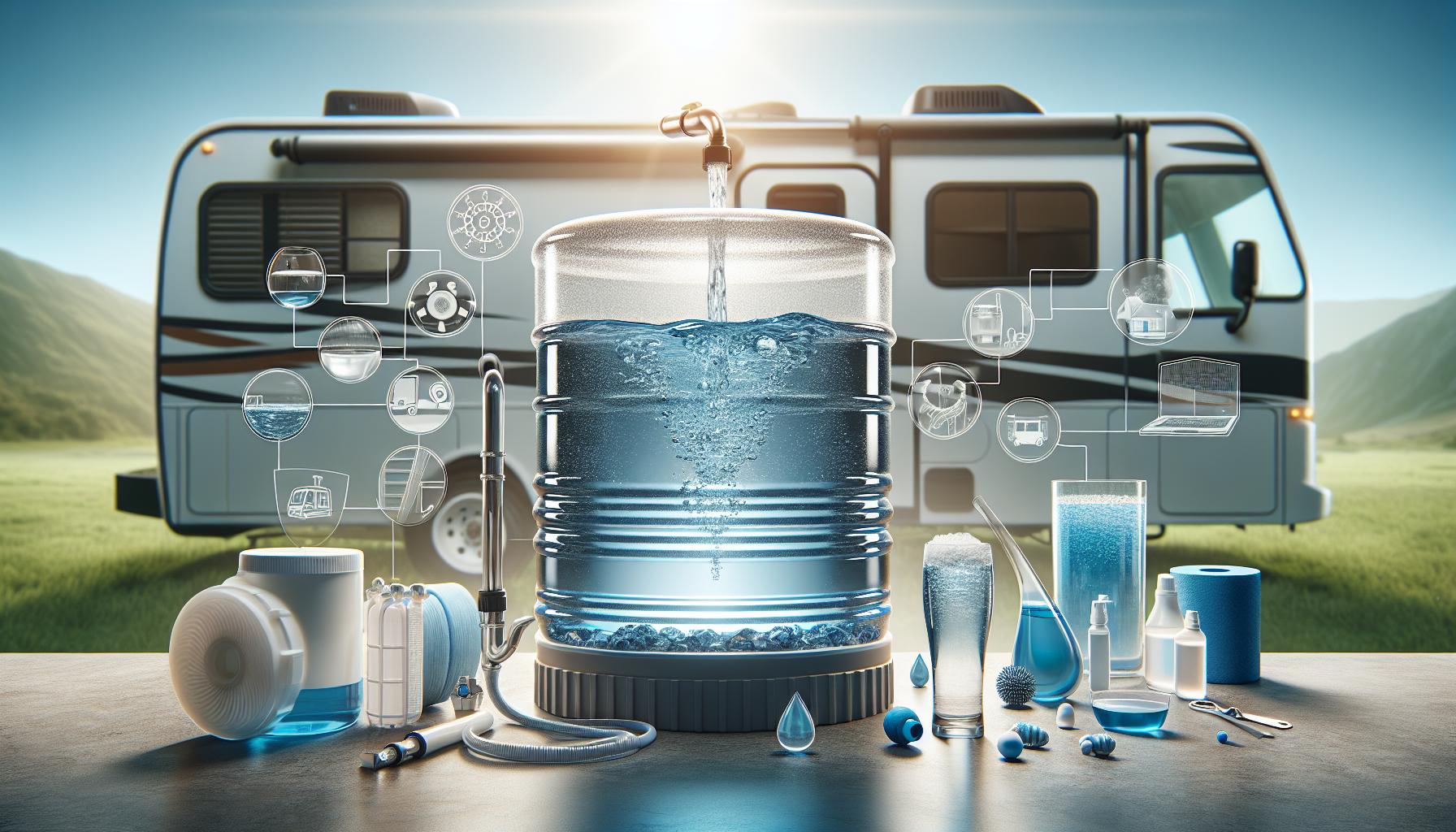
Essential Tools and Supplies for the Job
To ensure your RV water tank is not only clean but also safe for drinking and cooking, having the right tools and supplies is crucial. The process of sanitizing the water tank can be straightforward, but without the necessary equipment, it can become cumbersome. Here’s what you’ll need to effectively tackle the task and ensure fresh, safe water.
Essential Tools
In order to clean your RV water tank efficiently, you’ll need a few essential tools that will facilitate the process:
- Water Hose: A drinking water-safe hose is necessary for filling your tank with fresh water.
- Submersible Pump: Useful for emptying the tank, especially if you’re dealing with leftover water or contaminants.
- Water Filter: Consider having a dual water filter system to ensure clean fresh water during the sanitizing process [[1]](https://thecampingnerd.com/clean-sanitize-water-holding-tank/).
- Measuring Cup: This will help you measure out sanitizing solutions like bleach accurately.
- Long Cleaning Brush: A brush with a long handle can reach deep into the tank for a thorough scrub.
- Bucket: To mix sanitizing solutions or collect waste water when emptying your tank.
Sanitizing Supplies
It’s essential to have the right sanitizing supplies to both clean and disinfect the tank without leaving harmful residues. Here are the primary supplies you should gather:
- Household Bleach: Use unscented bleach that is safe for disinfection in drinking water; typically, 1/4 cup per 15 gallons of water is recommended [[2]](https://blog.campingworld.com/learn-to-rv/sanitize-your-rvs-freshwater-system-in-5-simple-steps/).
- Vinegar or Baking Soda: These can be used as a natural alternative for cleaning if you prefer not to use bleach.
- Gloves: Protect your hands when handling bleach or any cleaning agents.
- Measuring Tools: To ensure the correct proportions, accurate measuring tools are vital.
- Test Strips: Optional, but useful for checking water quality before and after sanitizing.
With these tools and supplies at your disposal, you’ll be well-prepared to undertake the task of cleaning your RV water tank. Ensuring that you have the right equipment helps streamline the process and leads to better results, providing you with fresh and safe water for your next adventure.
Step-by-Step Guide to Flushing Your RV Water Tank
Flushing your RV water tank is a crucial step in maintaining a safe and enjoyable experience while camping or traveling. Regular cleaning ensures that you and your family have access to fresh, safe water, free from harmful bacteria and unpleasant odors. Understanding the process not only enhances the quality of your drinking water but also prolongs the life of your system. Here’s how to effectively flush your RV water tank step-by-step.
Begin by completely draining your fresh water tank. This involves opening all faucets and drains to ensure that the tank is fully emptied. If your RV is equipped with low-point drains, don’t forget to open these to remove any residual water that might linger in the system. Once drained, visually inspect the tank for any sediment or buildup.
Next, it’s time to clean the tank. Mix a solution of water and RV-specific tank cleaner, which is designed to dissolve scale and flush away contaminants. Use a long-handled brush to scrub the interior of the tank, making sure to reach all corners. This helps to eliminate any stubborn deposits.
After scrubbing, it’s important to thoroughly rinse the tank. Fill the tank with clean water and let it sit for a few minutes before draining it again. Repeat this process several times until the water runs clear, indicating that all cleaning agents have been removed.
Once the flushing is complete, it’s time to sanitize the system. Prepare a sanitizing solution, commonly using bleach mixed with water. Fill the tank with this solution and allow it to sit for several hours—this step is crucial for killing any remaining bacteria. Afterward, drain the tank once again and flush the system with clean water until there is no residual bleach smell. Running each faucet—both hot and cold—will ensure that your entire plumbing system is sanitized.
By following these steps, you’ll not only keep your RV water tank in top condition but also ensure that every drop of water you consume or use is safe and fresh. Make this flushing routine a habit, ideally once a year or whenever you’ve stored your RV for an extended period, to maintain the quality of your water supply.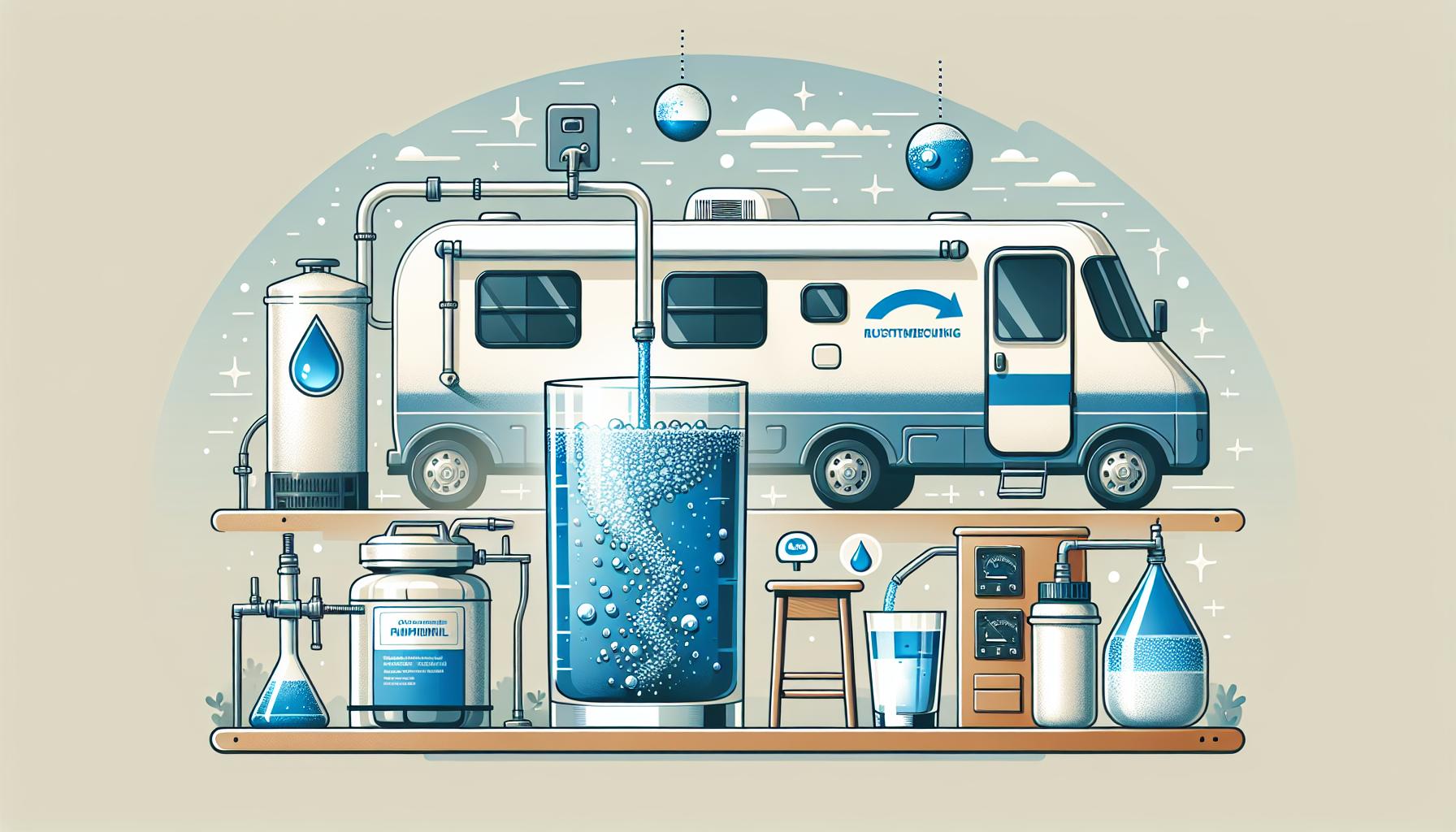
Choosing the Right Cleaning Solutions for Safe Drinking Water
When it comes to ensuring that your RV water tank provides fresh, safe water, the choices you make about cleaning solutions are crucial. Contaminated water can lead to serious health issues, so it’s important to adopt a methodical approach. To effectively clean your tank, you need to consider both the type of contaminants present and the efficacy of your chosen solutions. Here are some trusted options that will help you in your quest for clean drinking water while traveling.
Common Cleaning Solutions
You have various options for cleaning solutions that can remove bacteria, viruses, and other impurities from your RV water tank:
- Bleach: A common household item that serves as a powerful disinfectant. When using bleach, ensure you dilute it properly—typically one cup of unscented bleach for every 15 gallons of water. Let the solution sit for 12 hours before flushing it out.
- White Vinegar: A natural cleaner that not only sanitizes but also deodorizes. Use a mixture of one part vinegar to three parts water and let it sit in the tank for at least four hours.
- Baking Soda: This versatile ingredient can help remove odors and residues. Combining it with vinegar can create a fizzy reaction that aids in cleaning stubborn grime.
- Commercial RV Cleaners: Specifically designed for RV systems, these cleaners effectively sanitize tanks without leaving harmful residues. Always follow the manufacturer’s instructions when using these products.
Determining the Best Solution for Your Needs
Selecting the right cleaning solution often depends on the conditions of your water supply and previous tank maintenance. For instance, if your water often has a sulfur smell, combining baking soda with vinegar might be the step to take. In contrast, if your tank shows signs of mold or algae growth, a bleach solution may be necessary.
Additionally, consider the frequency of your cleaning routine. If you’re using your RV often, a consistent monthly maintenance schedule with vinegar and baking soda could be enough to keep your tank fresh. However, if your RV has been in storage for an extended period, a more extensive cleaning with bleach or a commercial product may be warranted.
Safety Considerations
While cleaning your RV water tank, it’s paramount to prioritize safety. Always wear gloves and a mask when handling cleaning solutions. Ensure that the cleaning agents you use will not compromise the integrity of your tank. After cleaning, thoroughly rinse the tank with fresh water multiple times to eliminate any residual cleaning agents. This ensures you’re left with only clean, drinkable water.
By understanding and selecting the right cleaning solutions for your RV water tank, you’ll ensure fresh, safe water for your travels. Knowing how to clean your RV water tank step by step is not just about maintaining convenience; it’s about ensuring the health and safety of everyone on your journey.
Tips for Maintaining a Fresh Water Supply Between Cleanings
To ensure a clean and safe water supply in your RV, maintaining your system between thorough cleanings is essential. With proper practices, you can minimize the risk of contamination and keep the water fresh for your trips. Here are some practical tips that can help you keep your fresh water system in excellent condition.
Regular Flushing
Frequent flushing of your fresh water tank is vital to prevent stagnant water accumulation. A good practice is to flush the tank every month, especially if you haven’t been using your RV. This process helps to remove any sediment and bacteria that can develop. To flush effectively:
- Fill the tank with fresh water.
- Run the water through your faucets, ensuring all areas of the plumbing are rinsed.
- Empty the tank completely, and then refill with clean water.
Sanitization Practices
Periodically sanitizing your water system is crucial for preventing bacterial growth. A recommended method involves using a chlorine solution or specialized RV sanitizing products. Here’s how you can do it:
- Create a diluted solution (usually one cup of unscented bleach per 15 gallons of water).
- Fill your fresh water tank with the solution and let it sit for at least 12 hours.
- Flush the system with clean water until the bleach smell is gone.
Use Quality Hoses and Fittings
The quality of your hoses and fittings can significantly affect the cleanliness of your water supply. Always use a dedicated potable water hose, as regular garden hoses can introduce harmful chemicals into your drinking water. Inspect hoses regularly for cracks or damage and replace them as needed to ensure there are no leaks or parts that could harbor bacteria.
Monitor Water Usage and Storage
Being conscious of how you use and store water in your RV can prevent stagnation. Aim to empty the tank when you know you won’t be using the RV for an extended period. This limits the chance for bacteria to grow in leftover water. Additionally, if your water tank has not been in use for several weeks, it’s a good idea to sanitize and flush it before filling it with fresh water again.
By implementing these tips, you can maintain a fresh water supply between cleanings, ensuring safe and enjoyable experiences in your RV. Regular attention to your water system not only prolongs the life of your equipment but also enhances the quality of your adventures on the road.
Troubleshooting Common Water Contamination Issues
Maintaining the cleanliness of your RV water tank is crucial for ensuring safe and fresh drinking water. Contaminated water can lead to a range of health issues, making it vital to troubleshoot common water contamination problems. One of the most pressing concerns is the potential presence of harmful substances that can infiltrate your water supply. Understanding the most common contamination issues can help you take proactive steps to safeguard your health while on the road.
Identifying Contaminants
Contaminants in your RV water tank can stem from several sources, including the surrounding environment, faulty seals, and even the water sources you utilize. Awareness of these potential sources increases your chances of preventing contamination. Common contaminants include:
- Bacteria – Often introduced through contaminated sources or improper handling.
- Chemicals – Such as pesticides and fertilizers from agricultural runoff, often present if filling from natural sources.
- Heavy Metals – Lead or copper can leach from old pipes, particularly in urban areas.
Regularly test your water supply to identify specific contaminants. Home testing kits are available, allowing you to quickly check for bacteria, nitrates, lead, and other impurities. If tests reveal unsafe levels, take immediate action by cleaning your tank and replacing the water with a safe source.
Effective Cleaning Strategies
To maintain safe drinking water, it’s essential to know how to clean your RV water tank effectively. Incorporating steps from the ‘How to Clean RV Water Tank: Step-by-Step for Fresh, Safe Water,’ follow these actionable tips:
- Drain the Tank: Begin by completely draining your water tank to eliminate standing water, which can harbor bacteria.
- Scrub the Interior: Use a long brush with a thick sponge to scrub the walls of the tank. A vinegar solution can help break down any mineral deposits or biofilm.
- Sanitize: Mix a solution of 1/4 cup of bleach to one gallon of water, pouring it into your drained tank. Let it sit for at least 12 hours, before rinsing thoroughly until the bleach smell disappears.
- Refill with Safe Water: After cleaning, refill the tank with fresh water from a reliable source.
It’s also beneficial to routinely inspect and replace any old hoses or fixtures that could contribute to contamination. Replace rubber hoses with BPA-free alternatives to minimize the risk of chemical leaching.
Preventive Measures
Implementing ongoing preventive measures is vital in ensuring the quality of your RV’s water supply. Regularly schedule cleanings and inspections throughout the year. Use these tips to ward off contamination:
- Water Source Assessment: Only fill your tank at designated potable water sources. Always inquire about the water quality.
- Storage Conditions: Keep your RV water tank covered and maintain it at appropriate temperatures to inhibit bacterial growth.
- Annual System Flush: Allocate time for an annual deep clean of your water system, including all lines and fixtures.
By remaining vigilant and ensuring proper maintenance, you’ll significantly reduce the risk of water contamination in your RV, ensuring that each journey is as safe and enjoyable as possible.
How Often Should You Clean Your RV Water Tank?
Maintaining a clean water tank is essential for ensuring the safety and quality of the water you consume while enjoying your RV adventures. Understanding the right frequency for cleaning your RV water tank can prevent unpleasant surprises and costly repairs. Regular sanitation not only eliminates harmful bacteria and viruses but also ensures that you enjoy refreshing water that is free from unpleasant odors and tastes.
For full-time RVers or those frequently utilizing their vehicles, it’s recommended to clean the water tank every six months. However, certain conditions may necessitate a more rigorous cleaning schedule. If your RV has been in storage, particularly through winter months, or if you suspect any issues such as cloudy water or unusual tastes, it’s a good time for a thorough cleaning. Additionally, if you’ve recently filled the tank with water from an unfamiliar source, sanitizing it right away is crucial to prevent any potential contamination.
When to Sanitize Your RV Water Tank
- After a period of storage, especially if it was winterized.
- Every six months during regular use.
- Before and after using your RV for long trips.
- Whenever you notice changes in water clarity, taste, or odor.
It’s important to have a routine. Keeping a log or calendar alert for cleaning your RV water tank will help ensure that you don’t miss these vital maintenance tasks. By following these guidelines, you not only protect your health but also prolong the life of your RV’s plumbing system, making your road trips more enjoyable and worry-free.
Eco-Friendly Practices for RV Water Tank Care
Maintaining a clean RV water tank is crucial for both your health and the environment. By adopting eco-friendly practices, you can ensure that your water supply remains safe while minimizing the ecological impact of harsh chemicals often used in cleaning. There are several natural alternatives that not only effectively sanitize your tank but also support sustainable living.
Natural Cleaning Agents
Instead of traditional bleach, consider using safer options such as:
- Vinegar: A powerful natural cleaner, vinegar can effectively eliminate bacteria and odors. To use, mix one cup of white vinegar with a gallon of water, pour into the tank, and allow it to sit for a few hours before rinsing.
- Baking Soda: This versatile ingredient helps neutralize odors and can be mixed with vinegar or used alone. Combine a quarter of a cup with a few gallons of water in your tank, let it sit, and then flush thoroughly.
- Hydrogen Peroxide: A safe alternative for sanitizing, hydrogen peroxide can be used at concentrations of around 3%. Add about half a cup to a full tank of water, allow it to circulate, and rinse appropriately.
Regular Maintenance
Integrating a routine maintenance schedule can greatly enhance the cleanliness of your water tank. For instance, regular flushing helps remove sediments that can harbor bacteria. Aim to flush your tank every few months, especially before long trips—this simple practice can keep your water supply fresh and safe.
Eco-Friendly Disposal Practices
When you do need to clean your RV water tank or dispose of used cleaning agents, it’s important to follow environmentally friendly disposal practices. Ensure that any wastewater and cleaning solutions are dumped at appropriate waste disposal sites rather than on the ground. By doing so, you protect local ecosystems from harmful chemicals.
Using these eco-friendly practices not only contributes to safe and clean water in your RV but also aligns with a sustainable lifestyle. Learning how to clean your RV water tank with natural ingredients is a practical step towards preserving the environment while enjoying your travels. For anyone seeking to maintain a healthy living space within their RV, these methods provide effective solutions that are easy to implement.
Faq
How to Clean RV Water Tank: Step-by-Step for Fresh, Safe Water?
Cleaning your RV water tank involves several steps to ensure fresh, safe water. First, empty the tank, then mix a solution of water and a disinfectant like bleach. Fill the tank, let the solution sit, and finally flush it out thoroughly before refilling with fresh water.
Begin by draining your RV water tank completely. Next, prepare a disinfecting solution, commonly one cup of bleach for every 15 gallons of water. Fill the tank with this mixture and allow it to sit for 12-24 hours. Afterward, drain the tank and fill it with clean water to rinse multiple times to eliminate any bleach residue. This maintenance keeps your water safe and odor-free.
Why does my RV water smell bad?
Bad odors in your RV water can result from bacteria growth, stagnant water, or contaminants. Regular cleaning helps prevent these issues.
If water sits in your tank for long periods, it can lead to bacterial growth, especially if the tank wasn’t cleaned before storage. Use a cleaning method like how to clean RV water tank to maintain freshness, which also helps stop any unpleasant smells.
Can I use vinegar instead of bleach to clean my RV water tank?
Yes, you can use vinegar as a more natural alternative to bleach. It effectively helps disinfect without harsh chemicals.
Mix equal parts of vinegar and water, fill the tank, and let it sit for a few hours before draining. Rinse thoroughly after. This method is less strong but can be effective for regular maintenance of your RV water tank.
How often should I clean my RV water tank?
You should clean your RV water tank at least every six to twelve months, depending on usage. More frequent cleaning is necessary if you notice odors or cloudy water.
Establishing a regular cleaning schedule ensures that your RV’s water remains potable and safe for consumption. If you use questionable water sources or often travel in areas with poor water quality, consider cleaning your tank more often.
What is the best way to flush my RV water tank?
The best way to flush your RV water tank is to fill it with clean water, drain it, and repeat the process several times until the water runs clear.
After cleaning with disinfectant, it’s essential to flush out the tank multiple times with clean water. This helps eliminate any remaining cleaning solutions and ensures that your fresh water is safe for use. Monitor the clarity and smell of the water during this process.
Can I drink water from my RV water tank?
Yes, you can drink water from your RV water tank, provided it’s properly cleaned and sanitized regularly to ensure safety.
Always use potable water and test for taste or odor before consumption. Following procedures on how to clean RV water tank: step-by-step for fresh, safe water will help keep your water safe and enjoyable.
What supplies do I need to clean my RV water tank?
To clean your RV water tank, you will need a disinfectant (like bleach or vinegar), a hose, and a water source for rinsing.
Gather all cleaning supplies before starting. A long brush can help scrub the inside, while a garden hose is perfect for rinsing. Regular maintenance with these tools ensures a safe drinking environment.
Closing Remarks
Cleaning your RV water tank is crucial for ensuring access to fresh, safe drinking water. By following the simple steps outlined in this guide, you can effectively sanitize your tank, removing any contaminants and unpleasant odors. Remember to check your system regularly and sanitize at least once a year or more frequently if the tank has been inactive. Whether you choose to use bleach, vinegar, or a commercial cleaner, each method can be effective in maintaining your water quality.
For more insights and tips on keeping your RV water system in top shape, don’t hesitate to explore further! Your adventures deserve the best water quality possible, and by taking these steps, you’re well on your way to enjoying a refreshing and safe drinking experience on the road. Happy travels!