Access to clean water remains a pressing challenge for millions in Uganda, impacting health, education, and economic development. This article explores ongoing improvement projects aimed at enhancing water accessibility and examines the current status of water supply infrastructure in the country. Understanding these efforts is vital for sustainable development and community well-being.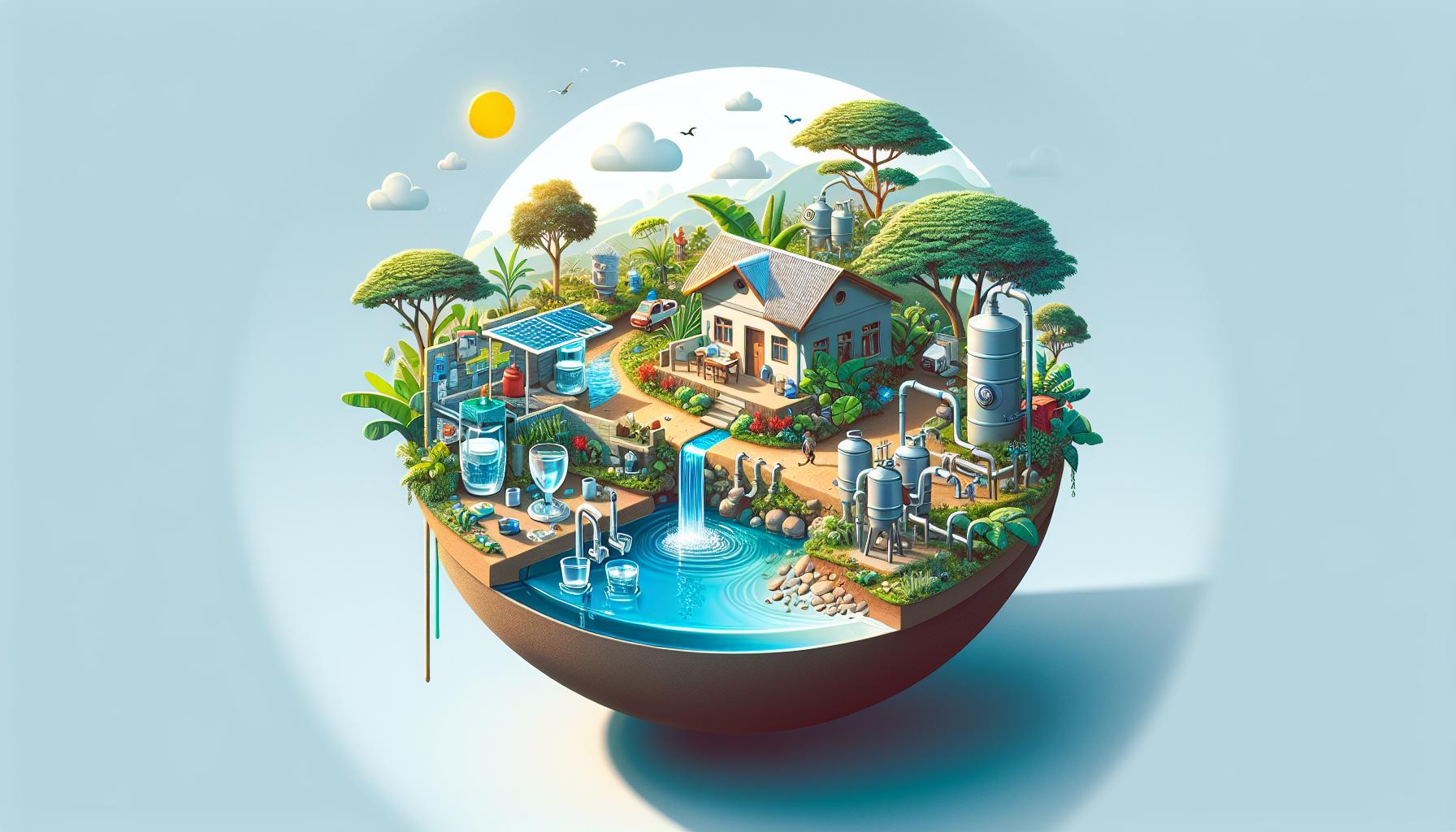
Understanding Uganda’s Water Access Challenges
In a country where over 70% of its population relies on agriculture, access to clean water is not just essential; it is a lifeline. Uganda’s water access challenges are intertwined with issues such as poverty, population growth, and climate change, making this a critical area that requires immediate attention and actionable improvements.
Geographic Disparities in Water Access
One of the most significant hurdles in ensuring equitable water access across Uganda lies in its geographic diversity. Urban areas, while generally having better infrastructure, still face challenges related to water quality and supply continuity. In contrast, rural communities often depend on unprotected water sources, which are susceptible to contamination. Consider the following issues that exacerbate these disparities:
- Infrastructure Neglect: Many rural water supply systems are in need of urgent repair or replacement.
- Limited Coverage: Nearly 40% of rural populations lack access to safe drinking water, highlighting a pressing need for targeted interventions.
- Seasonal Variability: Seasonal rainfall and prolonged dry spells can dramatically affect the availability and quality of water sources.
Impact of Climate Change
Climate change has further complicated Uganda’s water access challenges, leading to unpredictable weather patterns that threaten agricultural productivity and water availability. Communities often face prolonged droughts followed by intense rainfall that increases flooding risks, which can damage existing infrastructure and contaminate water sources. According to recent assessments, climate-related challenges are projected to worsen, posing a significant risk to the future sustainability of water resources.
Implementation of Improvement Projects
Recognizing these challenges, several improvement projects are underway, aiming to remedy the inefficiencies in Uganda’s water access system. From government initiatives to NGO-led programs, efforts are being made to enhance infrastructure, promote rainwater harvesting, and improve water quality testing. A summary of notable improvement projects includes:
| Project Name | Location | Goals |
|---|---|---|
| Water for All Initiative | Kamuli District | Improve access to safe drinking water |
| Rainwater Harvesting Project | Western Uganda | Encourage sustainable agricultural practices |
| Sanitation and Clean Water Program | Northern Uganda | Enhance both water quality and sanitation facilities |
Through strategic partnerships and funding, these projects strive to overcome existing barriers, ensuring that all Ugandans can access the clean water they need for their health, livelihoods, and overall well-being.
Key Improvement Projects Transforming Water Supply
Across Uganda, a series of ambitious improvement projects are revolutionizing water supply systems, addressing long-standing challenges and enhancing water accessibility in both urban and rural areas. With nearly 30% of the population still lacking access to clean drinking water, these initiatives are not just improvements; they are lifelines for communities striving for better health and quality of life.
Innovative Approaches to Water Supply
Several projects have showcased innovative approaches to the ongoing challenge of water accessibility in Uganda. These initiatives often employ cutting-edge technology and community involvement to ensure sustainable solutions. Some key projects include:
- The National Water and Sewerage Corporation (NWSC) Expansion Project: Focused on modernizing existing infrastructure to reduce water loss rates and expand distribution networks in urban centers.
- Rural Water Supply and Sanitation Project: Aimed at increasing access in underserved rural communities through the development of boreholes and rainwater harvesting systems.
- Water Treatment Plant Upgrades: Investments in modern filtration and purification technologies to ensure safe drinking water from natural sources, reducing reliance on expensive imported water.
Community Engagement and Capacity Building
To enhance the sustainability of these projects, there is a strong emphasis on community engagement and capacity building. Local leaders and residents are trained on maintenance and management of water systems, ensuring that projects remain functional long after initial implementation. For example, in the districts of Kasese and Bundibugyo, villagers have formed management committees that oversee daily operations and conduct regular maintenance of newly established water facilities.
Impact Assessment
To evaluate the progress of these water supply improvement projects, comprehensive impact assessments are conducted periodically. These assessments measure several key indicators, such as:
| Indicator | Before Projects | After Projects |
|---|---|---|
| Access to Clean Water (%) | 70% | 85% |
| Waterborne Diseases Incidence | 12% of populace | 5% of populace |
| Community Satisfaction (%) | 55% | 90% |
Through analyzing these indicators, stakeholders can refine their strategies, ensuring that the improvements made are not only effective but continue to evolve to meet the community’s needs. The positive impact of these water supply improvement projects reflects a broader commitment to enhancing Uganda’s water access and quality, promising a healthier future for its citizens.
The Role of Communities in Sustainable Water Solutions
In regions where water scarcity is prevalent, the role of communities cannot be overstated. In Uganda, initiatives aimed at improving water access hinge greatly on community involvement. With many rural areas facing significant challenges related to water supply and sanitation, local engagement has been identified as a critical component in ensuring sustainable water solutions that not only address immediate needs but also promote long-term ecological health.
Empowering Local Voices
Community participation transforms the approach to water management by ensuring that the voices of those directly affected by water scarcity are heard. In Uganda, grassroots organizations and community leaders have been instrumental in identifying specific water-related issues and collaborating with NGOs and government bodies to implement effective projects. Key benefits of this empowerment include:
- Increased Accountability: When communities have a say in the management of water resources, there is greater transparency and accountability regarding the use of these resources.
- Culturally Relevant Solutions: Local knowledge helps develop solutions that are culturally appropriate and more likely to be accepted and sustained.
- Enhanced Education: Community-led initiatives often incorporate educational opportunities that inform locals about sustainable practices and the importance of conservation.
Collaborative Projects in Action
Various collaborative projects throughout Uganda serve as shining examples of how communal efforts can yield impressive results in water access and management. Some notable initiatives include:
| Project Name | Location | Key Outcomes |
|---|---|---|
| Water for All | Kamuli District | Construction of boreholes, increased access to clean water for 3,000 residents |
| Safe Water Project | Iganga District | Installation of water filtration systems, reduction of waterborne diseases |
These projects not only enhance access to safe drinking water but also involve the community in the maintenance and management of these resources, making them sustainable over time. The collaboration between community members, local government, and NGOs ensures that initiatives are adapted to the specific environmental and social contexts of each area.
Building Resilience Through Community Engagement
Lastly, community engagement plays a pivotal role in building resilience against environmental challenges, such as climate change. By coming together to share knowledge and resources, communities are better equipped to tackle disruptions to their water supply. Actions such as rainwater harvesting, reforestation, and sustainable agriculture practices are often spearheaded by local groups who understand the intricate balance between their ecosystems and water access. It is through such collective efforts that Uganda can continue to progress in addressing its water access challenges effectively, paving the way for improved health and prosperity within its communities.
Innovative Technologies Enhancing Water Quality
Recent advancements in technology are transforming the way communities in Uganda access clean water, bolstering efforts to address the country’s water quality challenges. In a country where waterborne diseases are a substantial public health concern, innovative solutions are vital for ensuring that safe drinking water reaches every household. These technologies are not just enhancing water quality but also paving the way for sustainable water management practices.
Smart Water Monitoring Systems
One of the groundbreaking technologies making waves in Uganda is the implementation of smart water monitoring systems. These systems utilize sensors and IoT (Internet of Things) devices to continuously monitor water quality parameters such as pH levels, turbidity, and chemical contaminants. By providing real-time data, these systems enable local authorities and community leaders to respond swiftly to any water quality issues. For instance, regions like Kampala have seen pilot projects where smart sensors have drastically reduced response times to water contamination incidents, safeguarding public health.
Mobile Water Testing Solutions
Another innovative approach involves mobile water testing kits that empower communities to assess water quality independently. These kits typically include user-friendly devices that can detect pathogens and chemical pollutants. Community members are trained to use these kits, fostering a sense of ownership over local water resources. A significant example of this is found in the Karamoja region, where local groups have adopted this technology, leading to timely interventions and proactive measures against contamination.
Solar-Powered Water Treatment
Furthermore, solar-powered water treatment facilities have become an essential addition to water access improvement projects in Uganda. These facilities harness renewable energy to purify water, making them ideal for remote areas lacking electricity. In places such as the rural districts of Masaka, solar technology has enabled the establishment of decentralized water treatment plants, which have significantly improved access to clean water without the dependency on conventional power sources.
- Increased Efficiency: By using renewable energy, communities save on energy costs and reduce their carbon footprint.
- Accessibility: Solar-powered systems can be deployed in areas without an electrical grid, ensuring even the most remote communities can access purified water.
| Technology | Benefits | Example Location |
|---|---|---|
| Smart Water Monitoring | Real-time data on water quality | Kampala |
| Mobile Water Testing Kits | Empower community testing | Karamoja |
| Solar-Powered Treatment Plants | Renewable energy benefits | Masaka |
By integrating these innovative technologies into Uganda’s water management strategies, the government and NGOs are not only improving the immediate water quality but are also establishing a robust framework for future water access projects. This holistic approach ensures that clean water remains a priority and reinforces the commitment to public health and environmental sustainability across the nation.
Government Policies Driving Change in Water Access
Access to clean water is a fundamental human right that significantly impacts health, education, and socio-economic development. In Uganda, the government has recognized the urgent need to enhance water access through a series of strategic policies and projects aimed at alleviating the water crisis affecting many rural and urban populations. These initiatives not only aim to improve the quantity and quality of water available but also focus on sustainable management and community involvement.
Policy Framework and Implementation
The Ugandan government has adopted several national policies aimed at improving water access, including the National Water Policy and the Water Act. These frameworks prioritize equitable distribution and sustainable water resource management. Key elements include:
- Decentralization: Empowering local governments to manage water supply projects tailored to community needs.
- Public-Private Partnerships: Encouraging investment and innovation in water infrastructure through collaborations with private entities.
- Community Engagement: Involving local communities in decision-making processes to ensure that solutions are effective and culturally appropriate.
These policies demonstrate a multi-faceted approach that accounts for both immediate needs and long-term sustainability, illustrating the government’s commitment to addressing water access challenges.
Current Improvement Projects
Recent improvement projects funded by both governmental and international donors have initiated transformative changes in water accessibility. The government’s partnership with organizations like UNICEF and the World Bank has led to several successful implementations, including:
| Project Name | Location | Objectives | Status |
|---|---|---|---|
| Rwenzori Water Supply | Western Uganda | Improve access to safe water | Ongoing |
| Urban Water Supply Expansion | Kampala | Increase water supply capacity | Completed |
| Rural Water Supply Program | Various Rural Districts | Construct boreholes and latrines | In Progress |
These projects exemplify a clear trajectory towards improving water accessibility across diverse regions, catering to both urban centers and underserved rural areas.
Challenges and Future Directions
Despite significant progress, challenges remain in achieving universal water access in Uganda. Issues such as population growth, climate change, and inadequate infrastructure continue to threaten water security. To counter these challenges, it is vital for the government to enhance its policy framework by incorporating adaptive strategies that include:
- Investing in Technology: Utilizing innovations such as smart water management systems to monitor and optimize water use.
- Enhancing Education: Educating communities about water conservation and hygiene practices to promote sustainability.
- Exploring Alternative Water Sources: Developing rainwater harvesting and wastewater treatment solutions to complement existing supply systems.
By focusing on these areas, Uganda can not only improve water access but also ensure that future generations have sustainable access to this vital resource.
Success Stories: How Local Initiatives Are Making a Difference
In Uganda, where nearly 30% of the population still lacks access to safe drinking water, grassroots initiatives are surfacing as powerful agents of change. These local projects are not just addressing water scarcity; they are transforming communities, fostering resilience, and setting remarkable precedents for sustainable development. By leveraging local resources, knowledge, and engagement, these initiatives illustrate the profound impact that community-driven solutions can have on improving water access.
Innovative Community Projects
One notable success story is the implementation of rainwater harvesting systems in rural villages. Community members, equipped with training from NGOs like Water for People, have adopted techniques that capture and store rainwater for household use. This approach not only provides safe drinking water but also reduces the burden on local springs and boreholes, which are often overexploited.
Key elements of this initiative include:
- Community Training: Workshops focused on system maintenance ensure longevity and sustainability.
- Local Materials: Utilizing available resources like clay and bamboo to reduce costs and enhance community ownership.
- Health Benefits: Access to clean water has led to a significant reduction in waterborne diseases.
Collaborative Efforts with Local Government
Another effective strategy has been partnerships between community groups and local governments. In the northern regions of Uganda, the ‘Water for All’ initiative has demonstrated how collaborative efforts can yield impressive outcomes. The program not only aids in drilling new boreholes but also focuses on the rehabilitation of existing infrastructures. Furthermore, local councils have engaged with community leaders to ensure the sustainable management of water sources, thereby enhancing accountability.
| Initiative | Impact | Duration |
|---|---|---|
| Rainwater Harvesting | Increased access to clean water and reduced disease | Ongoing since 2020 |
| Water for All Collaboration | Rehabilitation of boreholes and improved water access | Started in 2021 |
Empowering Women Through Water Access
Empowerment of women has also taken center stage in these initiatives. In many Ugandan communities, women and girls are traditionally responsible for fetching water, often walking long distances that take valuable time away from education and economic activities. Local organizations have established water stations closer to communities, reducing this burden significantly.
These stations not only provide access to clean water but also serve as communal hubs for training and capacity-building sessions. Some inspired women have taken the lead in forming cooperatives that manage these water points, turning water access into an avenue for economic independence.
By highlighting these successes, it’s evident that local initiatives in Uganda are not just making strides in water access but are also weaving a tapestry of community empowerment, health improvement, and sustainable practices that could serve as a model for other regions facing similar challenges.
Future Prospects for Water Access in Uganda
Despite significant strides in improving water access in recent years, Uganda still faces challenges that necessitate ongoing efforts and innovative solutions. The future landscape of water access in the country is poised for transformation, driven by a combination of government initiatives, community involvement, and technological advancements. With over 12 million Ugandans lacking reliable access to clean water, the urgency for water improvement projects is more critical than ever.
Innovative Projects on the Horizon
The Ugandan government, in collaboration with NGOs and international organizations, is developing several ambitious projects aimed at enhancing water supply systems. Some of the key initiatives include:
- Rainwater Harvesting Systems: As climate variability becomes more pronounced, promoting rainwater harvesting techniques is becoming essential. Future projects are expected to focus on integrating these systems into urban and rural infrastructures.
- Community-Led Water Management: Empowering local communities to manage water resources effectively can significantly improve sustainability. Training programs and resource allocations are being prioritized to foster community ownership.
- Solar-Powered Water Pumping: Leveraging renewable energy sources, such as solar power, for water extraction is a game-changer, especially in remote areas lacking electricity. Upcoming projects aim to install solar-powered pumps for better water accessibility.
Technological Integration
As part of the modernization of water access initiatives, Uganda is exploring the integration of innovative technologies. Smart water management systems, utilizing IoT (Internet of Things), can facilitate real-time monitoring and efficient distribution of water resources. By employing these technologies, projects can significantly reduce water wastage and ensure equitable distribution across vulnerable communities.
| Technologies | Benefits |
|---|---|
| Smart Sensors | Real-time data collection for better management |
| Geographic Information Systems (GIS) | Mapping water sources to identify gaps in access |
| Mobile Technology | Improved communication for reporting issues |
Policy Framework and Financial Investments
The success of future water access initiatives in Uganda will also depend on a robust policy framework and sustained financial investment. The government is actively seeking partnerships with domestic and international donors to create a more comprehensive policy ecosystem that prioritizes equitable water access. Furthermore, innovative financing options, such as micro-loans for community projects, are set to empower local entities to address their water challenges more effectively.
By fostering collaboration between communities, government bodies, and private sectors, the future prospects of water access in Uganda can become increasingly optimistic. Each innovative project, technological advancement, and policy enhancement will play a pivotal role in making clean water a reality for all Ugandans, aligning with the broader goal of achieving the Sustainable Development Goals (SDGs) related to water and sanitation.
Practical Tips for Maximizing Your Water Resources
Access to clean water is a fundamental human right, yet millions in Uganda still face significant challenges. By taking proactive steps, individuals and communities can better manage their water resources effectively and sustainably. Not only is this beneficial for personal health, but it also amplifies the impact of ongoing improvement projects, ensuring that such initiatives are not undermined by wasteful practices.
Understanding Your Water Usage
To maximize water resources, it’s crucial to begin with a clear understanding of how much water is being consumed. Keeping a daily log can reveal patterns and encourage mindful usage. A simple tracking method could involve:
- Recording daily water usage for activities like drinking, cooking, cleaning, and agriculture.
- Identifying peak usage times to determine whether more efficient practices are needed.
- Collecting data to advocate for better infrastructure projects in your community’s planning meetings.
Having this information will not only help in making smarter choices but can also strengthen your case when seeking resources or assistance from NGOs and government projects like those outlined in the Uganda Water Access initiatives.
Implementing Water-Saving Techniques
Adopting various water-saving techniques is another effective strategy to ensure efficient use of available resources. Practical methods include:
- Rainwater Harvesting: Setting up simple collection systems can capture seasonal rains, providing an additional water source.
- Water Efficient Appliances: Where possible, using modern appliances designed to minimize water waste can lead to significant savings.
- Drip Irrigation: For agricultural purposes, this method ensures that water is delivered directly to the plant roots, minimizing evaporation and runoff.
Incorporating these practices not only conserves water but also contributes to a broader culture of sustainability that complements current improvement projects in Uganda.
Community Collaboration and Education
Engaging with your community promotes shared responsibility for water conservation. Educational initiatives can be designed to emphasize the importance of water sustainability. Teams can organize workshops focused on:
- Water management best practices and benefits.
- How to maintain local water sources and protect them from contamination.
- Collaborative projects like community gardens that use efficient irrigation methods.
Through collaboration, residents become empowered to take ownership of water management, enhancing the effectiveness of improvement projects underway in Uganda.
Monitoring Water Quality
Ensuring the safety of your water sources is equally as important as maximizing water usage. Regular monitoring of water quality can help detect potential health risks early. Steps that can be taken include:
| Monitoring Method | Purpose | Frequency |
|---|---|---|
| Visual Inspection | Identify visible contaminants or changes in clarity | Weekly |
| Water Testing Kits | Check for bacteria and chemical pollutants | Monthly |
| Community Audits | Evaluate water source conditions collectively | Quarterly |
By regularly assessing the quality of water, communities can act swiftly on any hazards, safeguarding health and bolstering the integrity of ongoing water access initiatives across Uganda.
These practical tips can significantly enhance both individual and communal efforts toward making optimal use of Uganda’s water resources while supporting wider improvement projects aimed at ensuring equitable access to clean water.
Faq
What is the current status of Uganda Water Access: Improvement Projects and Current Status?
The current status of Uganda Water Access improvement projects includes efforts to expand access to clean water in rural and urban areas. Recent initiatives focus on enhancing infrastructure and community education to ensure the sustainability of water sources.
Projects such as the National Water Resources Management Strategy aim to address challenges related to water scarcity and contamination. Additionally, partnerships with NGOs have been pivotal in improving access to water, especially in underserved communities. For more detailed insights, visit our article on improvement projects.
Why does Uganda face water access challenges?
Uganda faces challenges in water access due to factors like population growth, climate change, and inadequate infrastructure. These elements hinder the delivery of clean water to many communities.
The rapid increase in population places additional pressure on existing water systems. Moreover, climate change has resulted in irregular rainfall patterns, affecting water levels in reservoirs and other sources. Tackling these issues requires both effective planning and local participation in sustainability efforts.
How can I get involved in Uganda water access improvement projects?
You can get involved in Uganda’s water access improvement projects by volunteering with NGOs or supporting fundraising initiatives focused on clean water access. Many organizations seek local and international volunteers for various roles.
Additionally, donations can significantly help organizations like Water.org or Save the Children that work towards providing clean water in Uganda. Engaging with community-based programs can also enhance local water management practices.
Can I trust the sources of water in Uganda?
Trusting water sources in Uganda depends on their location, management, and treatment. Many communities still rely on unsafe water sources, but improvement projects are aimed at increasing the number of reliable sources.
Initiatives work to ensure that new and existing water points are tested regularly for contamination, thereby enhancing public safety. If you’re in Uganda, consider consulting local authorities or NGOs for guidance on safe drinking water sources.
What are the key improvement projects for water access in Uganda?
Key improvement projects focus on building water supply systems, boreholes, and sanitation facilities. Notable projects include the NAMWALU Initiative, which aims to install numerous boreholes in rural areas.
These projects not only enhance access to clean water but also promote hygiene education and community involvement in maintaining water systems. You can learn more about specific projects by checking out our detailed report on current status.
How does climate change affect water access in Uganda?
Climate change affects water access in Uganda by altering rainfall patterns, which can lead to both floods and droughts. These extreme weather events directly impact the availability of clean water.
Adaptation strategies involving the construction of resilient water infrastructure are crucial. Furthermore, community awareness programs about climate-smart practices can help mitigate the effects of climate change on local water resources.
What role do communities play in improving water access in Uganda?
Communities play a vital role in improving water access in Uganda by actively participating in the management and maintenance of water resources. Local involvement ensures that projects are sustainable and tailored to specific needs.
Community members can contribute by helping to monitor water quality and advocating for better infrastructure. Their participation also fosters a sense of ownership and accountability, critical for the long-term success of water access programs.
The Way Forward
In summary, the ongoing efforts to improve water access in Uganda are making significant strides, but challenges still remain. From community-driven projects to government initiatives, the landscape of water availability is evolving positively. As you navigate these developments, remember that every small action counts—whether it’s advocating for better resources in your community or understanding the importance of safe water practices in daily life. We encourage you to explore more about the initiatives in place and how you can get involved. Together, we can contribute to a future where everyone in Uganda has consistent and safe access to water. Dive deeper, stay informed, and be part of the solution!