
Looking for a sustainable and fun way to unleash your inner artist? Discover how to transform everyday fruits into vibrant watercolors in this creative DIY guide. Not only is this a fantastic project for all ages, but it also promotes eco-friendly crafting by utilizing natural materials. Get ready to explore the colors of nature!
Discovering the Best Fruits for Natural Water Colors
Have you ever thought about turning your kitchen into an art studio? The vibrant hues of fruits not only tantalize your taste buds but can also provide stunning natural colors for your creative projects. Exploring the potential of fruits as a source for watercolors opens up a world of possibilities, from deep blues to bright yellows. Understanding which fruits yield the best colors and how to extract these pigments can transform your artistic endeavors into a flavorful adventure.
When it comes to selecting fruits for your DIY watercolors, consider both the color output and the ease of extraction. Here’s a list of some popular fruits that can elevate your natural watercolor palette:
- Beets: Known for their deep red hue, beets create a rich crimson color that is surprisingly versatile.
- Blueberries: These small berries pack a big punch! They yield a beautiful blue, ideal for skies or water elements.
- Spinach: While technically a leafy green, spinach gives off a lovely soft green color, perfect for landscapes.
- Carrots: Grated carrots can provide earthy orange tones that brighten up your palette.
- Pomegranate: The juice extracted from this fruit can produce a vibrant reddish-pink that stands out in any piece.
- Turmeric: Though not a fruit, this spice derived from a root offers a bright, sunny yellow that can be essential for a complete spectrum.
Extracting Pigments: A Simple Guide
The process of extracting pigments from fruits is both simple and enjoyable. To get started, follow these actionable steps:
- Prepare the Fruit: Wash and chop the fruits into small pieces to maximize the surface area.
- Extract the Juice: Use a blender or a mortar and pestle to crush the fruit and release its juices. If using harder fruits, you might need to steam them slightly first.
- Press and Strain: Use a fine mesh strainer or a cheesecloth to separate the juice from the pulp.
- Mix with Water: Combine your fruit juice with water to create different shades and depths of color. Adjust the ratio according to your desired intensity.
| Fruit | Color Produced | Best Used For |
|---|---|---|
| Beets | Deep Red | Flowers, Abstract Work |
| Blueberries | Blue | Sky, Water |
| Spinach | Soft Green | Landscapes, Nature Pieces |
| Carrots | Earthy Orange | Sunsets, Warm Highlights |
| Pomegranate | Vibrant Reddish-Pink | Floral Art, Drama Elements |
| Turmeric | Bright Yellow | Bright Highlights, Sunshine |
Delving into the colorful world of fruits for your watercolor creations not only enhances your artistic skills but also promotes sustainability. By utilizing what’s available in your kitchen, you can craft beautiful, eco-friendly art supplies that are safe and fun to use. As you experiment with various fruits, you may discover unique shades and textures that add personal flair to your artwork. So, gather your fruits, embrace the colors, and let your creativity run wild!
Step-by-Step: Making Your Own Fruit-Derived Watercolors
One of the most delightful aspects of creating your own fruit-derived watercolors is the sensory experience that accompanies it. The vibrant colors, tantalizing scents, and the fun of experimenting with nature’s bounty all converge in this creative DIY project. Not only are homemade watercolors non-toxic and eco-friendly, but they also add a unique personal touch to your art supplies. Below is a step-by-step guide to making your own watercolors from fruits, turning kitchen scraps into artistic materials.
Gather Your Ingredients and Supplies
To start your watercolor journey, you’ll need to select fruits that have vivid colors and natural pigments. Here are some popular options:
- Beets: Rich, deep purples and reds.
- Spinach or Kale: Bright greens.
- Blueberries: Stunning blues and purples.
- Raspberries: Vibrant pinks and reds.
- Turmeric: A brilliant yellow
Gather these fruits along with some basic supplies:
- Blender or food processor
- Strainer or cheesecloth
- Small containers or a palette for mixing
- Water
- Salt (optional, for preservation)
Step-by-Step Process
Creating your own watercolor involves extracting the pigment from the fruits and converting it into a paint-like consistency. Follow these steps for your DIY watercolor:
- Prepare the Fruit: Chop the fruits into small pieces. For hard fruits like beets, peeling is not necessary but can enhance the color extraction.
- Blend the Fruit: Place the chopped fruit in the blender, adding a small amount of water to help with the blending. Start with about 1 tablespoon of water for every half cup of fruit.
- Strain the Mixture: Once blended to a smooth consistency, use a strainer or cheesecloth to extract the juice. This liquid will be your basic watercolor pigment. Collect the juice in your mixing containers.
- Optional Additives: If you wish to preserve your paints, add a pinch of salt to the pigment mixture. This helps to keep bacteria at bay, allowing your paints to last longer.
- Mix for Desired Consistency: If desired, you can further mix the pigment with cornstarch or flour to create a thicker paint. Adjust the water ratio until you reach your preferred consistency.
Color Combinations and Testing
Experimenting with different fruit combinations can yield enchanting colors. Here’s a simple table to inspire you:
| Fruit | Color Result | Mix With |
|---|---|---|
| Beets | Deep Red/Pink | Mix with Blueberries for purples |
| Spinach | Bright Green | Mix with Turmeric for a yellow-green |
| Blueberries | Rich Blue/Purple | Mix with Raspberries for multi-toned results |
Once your pigments are ready, grab some watercolor paper and let your imagination flow. Creating your own fruit-derived watercolors not only promotes creativity but also encourages experimentation with the colors of nature. Dive in, have fun, and be prepared to explore the artistic potential of fruits!
Exploring the Color Palette: Vibrant Hues from Common Fruits
The vibrant colors found in fruits offer more than just aesthetic appeal; they can be transformed into beautiful watercolors through a simple and creative DIY process. Utilizing the natural pigments present in common fruits opens a world of artistic possibilities, allowing anyone from children to seasoned artists to explore the vibrant hues that nature provides.
Popular Fruits and Their Colors
The following table summarizes various fruits and the colors they can yield when used to create watercolors:
| Fruit | Color Produced | Usage Tips |
|---|---|---|
| Strawberries | Bright Red | Best for warm tones |
| Blueberries | Deep Blue | Mix with white for lighter shades |
| Spinach | Green | Strong color, blending well with yellows |
| Beetroot | Rich Magenta | Use in combination with earth tones |
| Turmeric (root) | Bright Yellow | Add to mixes for vibrant highlights |
Creating Fruit-Based Watercolors
To harness the colorful essence of fruits for your painting projects, start by selecting your chosen fruit. After washing and chopping the fruit, mash it in a bowl to release the juices. For a more concentrated color, simmer the mashed fruit on low heat until the liquid reduces. You can strain the mixture through a fine cloth to achieve a smoother consistency for painting. This DIY method not only provides a unique color palette tailored to your artistic vision but also allows you to experiment and combine different fruits to create new shades.
For those seeking inspiration, consider creating a color wheel with your homemade watercolors. By mixing and layering the fruit juices, you can discover a vibrant array of shades, much like what’s illustrated in guides such as the one on “What Fruit Can Be Used to Make Water Colors? Creative DIY Guide.” Engaging in this hands-on creative process enhances both artistic skills and an understanding of color theory, making it a valuable artistic exercise for all ages.
Incorporating these natural colors into your artwork not only promotes creativity but also highlights sustainable practices in art. Using everyday fruits to create stunning visuals opens up newfound appreciation for both nature’s beauty and artistic expression.
Tips for Storing and Preserving Your Fruit Watercolors
To enjoy the vibrant hues and delightful aromas of your homemade fruit watercolors for as long as possible, proper storage and preservation techniques are essential. Not only do these methods help maintain the quality of your artistic supplies, but they also extend their shelf life, allowing you to unleash your creativity whenever inspiration strikes.
Store in Airtight Containers
One of the best ways to ensure your fruit watercolors remain fresh is to keep them in airtight containers. This method prevents exposure to air and moisture, which can lead to mold growth or color degradation. Consider using glass jars with sealed lids or small plastic containers designed for craft supplies. Remember to label each container with the type of fruit used to make the color, as this will help you identify them at a glance.
Refrigeration for Longevity
Because fruit-based watercolors can contain natural sugars, they are prone to spoiling. To enhance their longevity, store your jars in the refrigerator. Chilling them not only slows down the chemical reactions that can cause deterioration but also keeps the colors vibrant and fruity scents intact. When you’re ready to use them, just let the containers sit at room temperature for a short while.
- Tip: Keep a small batch for immediate use at room temperature while storing the larger portion in the fridge.
- Warning: Always check for any signs of spoilage before using your watercolors.
Avoid Direct Sunlight and Heat
Keep your fruit watercolors away from direct sunlight and heat sources. UV rays can fade colors, while high temperatures can lead to fermentation. A cool, dark place such as a craft drawer, closet, or even a temperature-controlled storage facility are ideal spots for long-term storage.
| Storage Method | Benefit |
|---|---|
| Airtight Containers | Prevents air and moisture exposure |
| Refrigeration | Slows spoilage and preserves color |
| Cool, Dark Places | Prevents color fading and fermentation |
By following these practical , you can enjoy your creative endeavors without worrying about the quality of your materials. Whether you’re using them for personal projects or sharing them with young budding artists, maintaining the freshness and vibrancy of your colors will enhance your artistic experience.
Creative Techniques: Blending and Applying Fruit-Based Colors
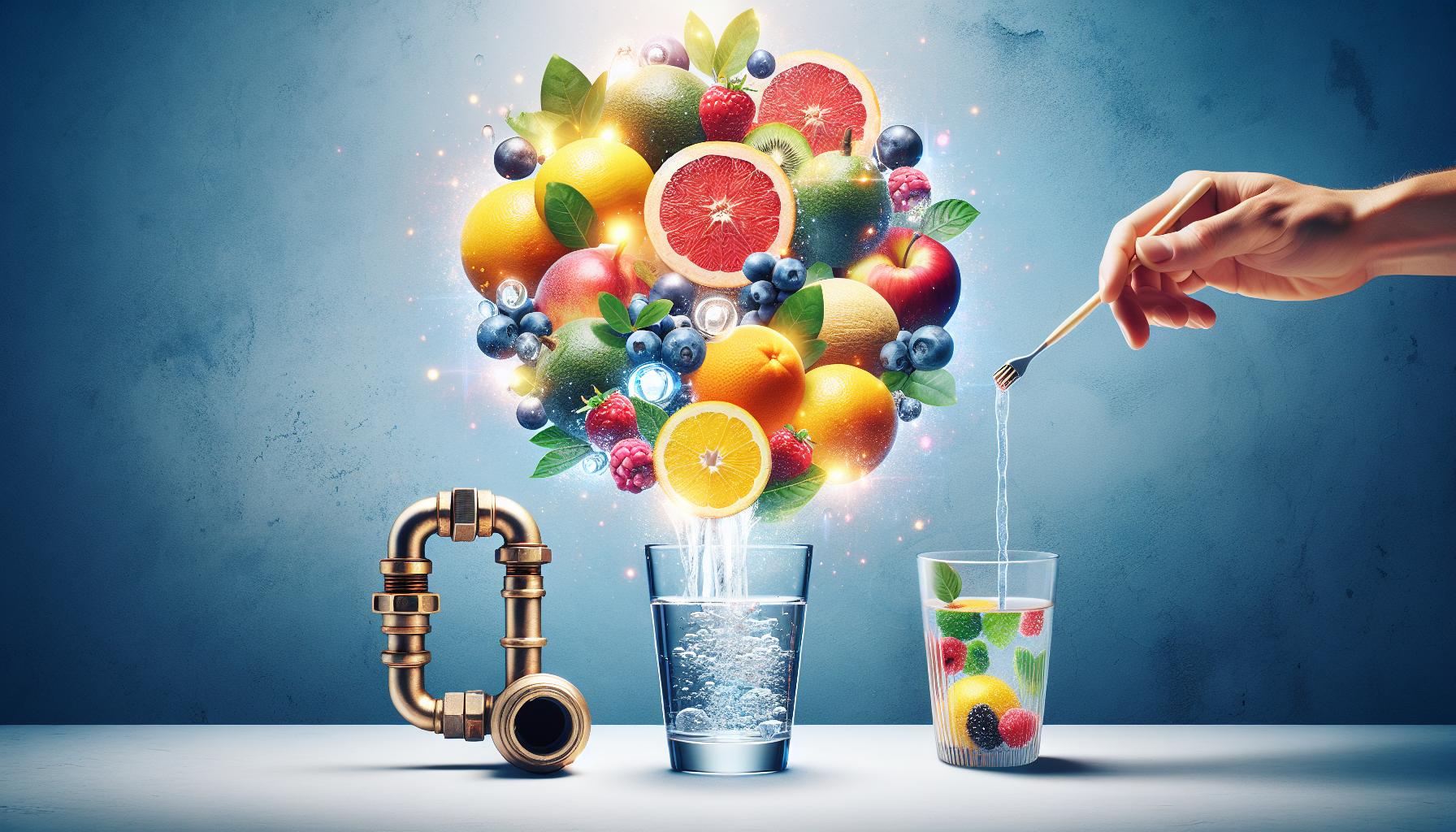
Engaging with natural colors derived from everyday fruits not only connects us with nature but also adds a unique flair to our artistic endeavors. Many artists, both amateur and professional, are discovering the charm of using fruit-based colors to create vibrant watercolors. These colors, which stem from the pigments found in various fruits, offer a sustainable and often edible alternative to traditional painting supplies. The appeal stretches beyond eco-friendliness; it also invites creativity and experimentation in blending and application techniques.
To begin harnessing the potential of fruit-based colors, one must first select suitable fruits. Some of the most effective options include:
- Blueberries: Known for their rich blue hue, perfect for creating various shades.
- Beets: Yield a stunning crimson red, ideal for deeper shades.
- Spinach: A green powerhouse that provides a natural green pigment.
- Turmeric: Offers a bright yellow that stands out and can act as a warm base.
Once you’ve gathered your fruits, the next step involves extracting the colors. This can be done through simple methods such as mashing the fruits and straining the juice or boiling them to intensify the pigments. For example, to achieve a rich purple from blueberries, mash the berries and filter the juice through a fine sieve. The more juice extracted, the deeper the color will be, allowing you to create a vibrant palette.
Blending Techniques
Blending fruity colors requires a bit of patience and practice. Mixing colors derived from different fruits can lead to exciting new shades. Consider these practical tips:
- Mixing Ratios: Start by combining small amounts of the colors; a little goes a long way. For instance, blending yellow from turmeric with red from beets can create various shades of orange.
- Layering: Apply washes of different colors in layers, allowing each to dry before adding the next. This technique creates depth and richness in your artworks.
- Adjusting Consistency: If your color is too thick, dilute it with water to achieve the desired consistency for painting, similar to traditional watercolors.
Real-World Applications
Artists can experiment with fruit-based watercolors across various projects, whether for crafting greeting cards, children’s artwork, or abstract pieces. One popular application is creating seasonal art inspired by the colors of autumn, using oranges and reds from apples and cranberries. These natural colors can also lead to discussions about sustainability and creativity, making them perfect for community art projects or family activities.
With the right fruits and techniques at your disposal, the journey into fruit-based colors promises an exciting and whimsical artistic adventure. Embracing techniques from the article ‘What Fruit Can Be Used to Make Water Colors? Creative DIY Guide’ will not only transform your art but also deepen your appreciation for the organic materials that nature provides.
Safety First: Using Edible Ingredients in Your DIY Watercolors
When diving into the colorful world of DIY watercolors, it’s essential to prioritize safety, especially when using edible ingredients. Many fruits and vegetables can create stunning pigments while also being safe for children and families. By focusing on edible sources, you gain the additional benefit of crafting art supplies that are non-toxic and environmentally friendly. If you’ve ever wondered about how to transform fruits into your very own watercolor paints, understanding how to do so safely will enhance your creative experience.
The Importance of Choosing Safe Ingredients
While the idea of using natural ingredients may seem straightforward, not all fruits and vegetables are created equal. Some may cause allergic reactions or might not yield the vibrant colors you hope for. Here’s a quick guide on some of the safest and most effective choices for your watercolor creation:
| Fruit/Vegetable | Color Produced | Safety Note |
|---|---|---|
| Beetroot | Rich Red | Highly safe, but may stain clothes. |
| Spinach | Green | Safe and nutritious! |
| Blueberries | Blue/Purple | Generally safe; can stain hands. |
| Turmeric | Yellow | Safe, with strong staining properties. |
| Carrots | Orange | Safe; creates a lovely hue. |
Handling Ingredients Safely
It’s not just about what you use but how you handle these ingredients. When setting out to create your DIY watercolors:
- Wash Thoroughly: Always wash fruits and vegetables before use to remove any pesticide residues or dirt.
- Cut with Care: Use clean, sanitized tools when preparing your ingredients to prevent contamination.
- Minimize Waste: Use leftover pulp or skins creatively; not only can these add texture to your paints, but they also keep waste to a minimum.
- Store Properly: If you’re making a batch to use over time, ensure that you store your watercolors in airtight containers in the refrigerator, and discard if you notice any signs of mold or spoilage.
By taking these precautions, you’ll ensure that your painting experience is both fun and safe. Moreover, this approach not only sparks creativity but also teaches valuable lessons about sustainability and the natural world. The beauty of creating your own watercolor paints from fruits lies not only in the vivid colors and the enjoyable process but also in fostering a safe artistic environment.
Inspiring Projects: Fun Ways to Use Your Homemade Watercolors
When it comes to unleashing your inner artist, the potential of homemade watercolors crafted from fruit is virtually limitless. Not only do these vibrant colors bring a fresh, organic touch to your artwork, but they also open the doors to a wide array of inspiring projects that can engage both children and adults alike. Imagine painting with hues derived from ripe strawberries, deep blueberries, or fragrant oranges—each brushstroke enriched with the essence of nature.
Creative Art Projects to Explore
Whether you’re a seasoned artist or a curious beginner, there are numerous ways to utilize homemade watercolors in fun and innovative projects. Here are some exciting ideas to get you started:
- Nature Journals: Use your fruit-based paints to create stunning illustrations in a nature journal. Document your findings on local flora and fauna, pairing your artwork with handwritten reflections.
- DIY Greeting Cards: Surprise friends and family with personalized cards painted with your own fruit watercolors. This thoughtful touch can add a unique charm to any occasion.
- Colorful Wall Art: Create a series of abstract paintings or themed artworks for your home. Display them in frames or even DIY canvas boards for an eye-catching gallery.
- Illustrated Recipes: Combine cooking and artistry by illustrating your favorite recipes. Use your homemade watercolors for vibrant visuals that can inspire others to try your dishes.
Additional Uses for Your Homemade Colors
There are several other creative avenues to explore once you’ve embraced the use of fruit-based watercolors.
Educational Activities
Engaging children in educational yet fun activities can enhance their learning experience. Create a color-matching game using your watercolors:
| Color | Fruit Source | Activity Idea |
|---|---|---|
| Red | Strawberries | Ask children to find red objects around the house. |
| Blue | Blueberries | Encourage them to paint their own blue animal. |
| Yellow | Lemons | Tell them to create a sunny landscape using yellows. |
This interactive approach not only beautifies learning but also familiarizes kids with colors and fruits in a delightful way. By transforming these watercolor projects into shared experiences, you can foster creativity while making lasting memories.
With these diverse projects in mind, you can truly make the most out of the vibrant hues and textures your fruit-based watercolors provide. Each endeavor not only exercises your artistic muscles but also celebrates the beauty and creativity inspired by nature. Dive into these projects and watch as your imagination blossoms!
Frequently Asked Questions
What fruit can be used to make water colors?
Many fruits can be used to create natural watercolors, including berries like strawberries and blueberries, vegetables like beets, and even flowers from plants like hibiscus. These fruits yield vibrant pigments when mashed or juiced.
Using fruit for watercolor creation is not only fun but also an eco-friendly option. For example, blueberry juice yields a rich blue, while beet juice creates striking reds. You can experiment by combining different fruits to produce a variety of colors for your art projects.
How to make water colors from fruit?
To make watercolors from fruit, start by mashing or juicing your chosen fruit, then mix with water and a thickening agent like corn syrup. This simple process creates vibrant, paintable color.
For instance, after extracting juice from your fruits, you can adjust the consistency by adding more or less water. Store your homemade watercolors in small containers, and you’ll have creative and natural paints ready for your next DIY art project!
Why does fruit make good water colors?
Fruits make excellent watercolors due to their natural pigments, which create vibrant colors when extracted. These pigments are safe for children, making them ideal for DIY projects.
The pigments in fruits like cherries and carrots provide lasting colors, while the juicing process ensures that you can create a palette that suits your artistic needs. Their non-toxic nature makes them an appealing choice for all ages.
Can I use vegetables to make water colors?
Yes, you can definitely use vegetables to make watercolors! Common vegetables like beets and spinach produce beautiful and unique colors. Beets offer rich reds, while spinach imparts green hues.
Using vegetables is a fun way to explore different shades and tones in your artwork. Simply juice or mash the vegetables and mix them with a bit of water to achieve the desired consistency. For a more comprehensive guide, check out our article on how to create colorful natural art materials.
What tools do I need to make fruit watercolors?
You’ll need a few basic tools: a cutting board, a small knife, a masher or blender, containers, and water. These tools help you extract the pigments from the fruit efficiently.
Additionally, having some brushes for painting and parchment paper for your artwork can enhance the experience. The process is quite straightforward, requiring mostly items you likely already have at home.
Can kids make fruit water colors?
Absolutely! Making fruit watercolors is a great activity for kids. It’s safe, fun, and encourages creativity. Plus, they get to learn about colors and the properties of different fruits.
Ensure to supervise young children while using knives or blenders. You can even turn this into an educational moment by discussing color mixing or the science behind plant pigments. This captivating blend of art and learning is both engaging and educational.
Why should I choose natural water colors?
Choosing natural water colors made from fruit and vegetables is beneficial because they are non-toxic, environmentally friendly, and often safer than commercial paints. This makes them ideal for children and those with sensitivities.
In addition to being safe, natural pigments can create unique and organic color palettes that enhance your artistic expression. Plus, making them can be a fun family activity that promotes sustainability!
Key Takeaways
As you dive into the world of DIY watercolors using fruit, remember that creativity knows no bounds! Exploring the rich pigments from fruits like berries, cherries, and beets opens up a colorful palette for your artistic endeavors. Not only do these natural ingredients bring vibrant hues to your paints, but they also offer a fun and eco-friendly approach to art-making. Whether you’re an experienced artist or a curious beginner, using fruit to create watercolors is an accessible and enjoyable experience. Don’t hesitate to experiment with different fruits, combinations, and techniques to find the perfect blend for your projects. We encourage you to share your creations, seek out new recipes, and continue your exploration into the wonderful world of natural art supplies. Happy painting!