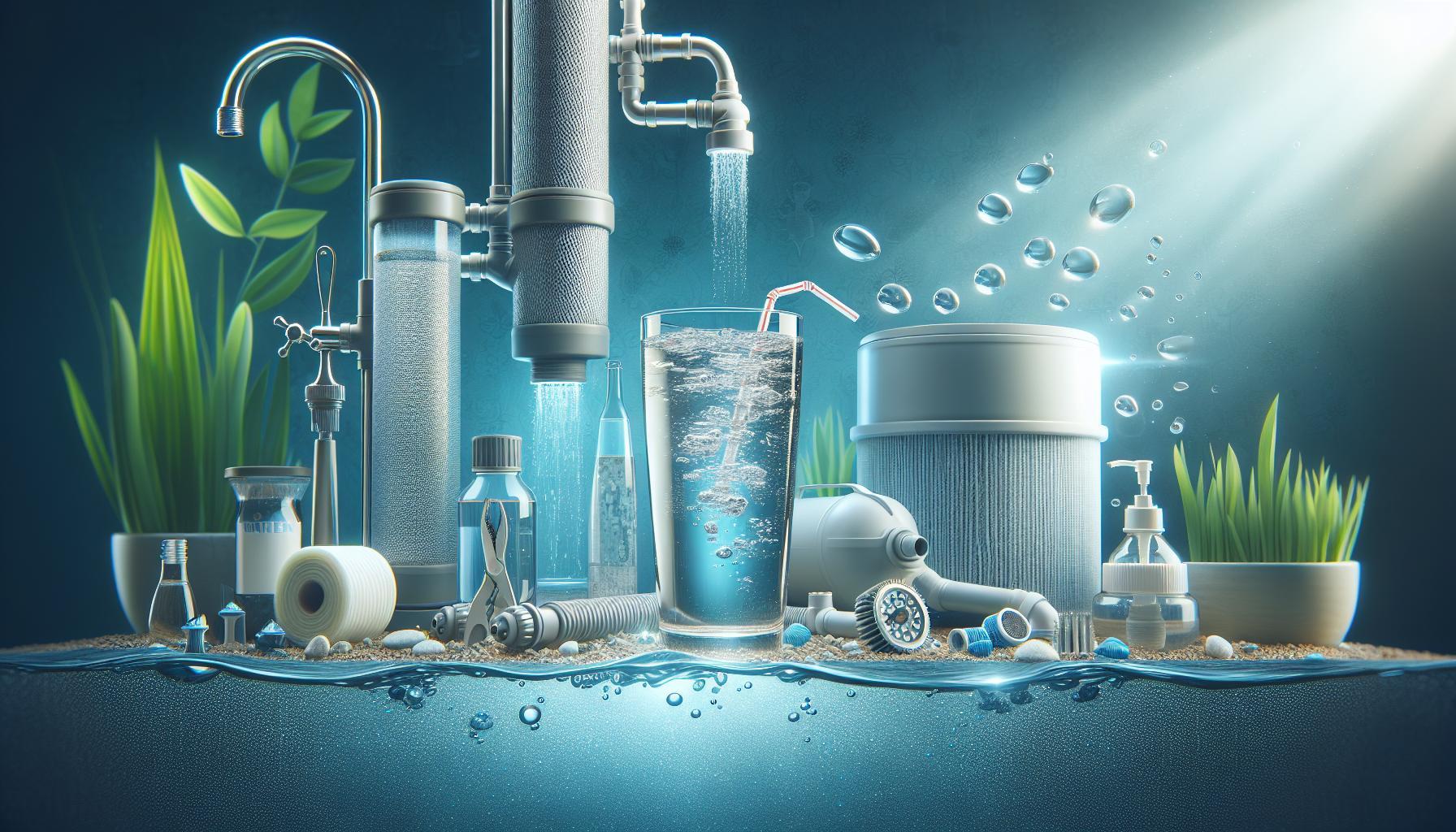
Using filtered water in your humidifier can significantly influence the quality of the moisture released into your home. While it may reduce the buildup of mineral deposits and decrease “white dust,” it’s essential to weigh the pros and cons. Understanding the best practices for water use in humidifiers is crucial for maintaining optimal performance and ensuring a healthy living environment.
Understanding the Importance of Water Quality in Humidifiers

Using the right type of water in your humidifier is crucial for maintaining not only the device’s performance but also the health of your indoor environment. Different types of water carry different properties and impurities that can affect how well your humidifier functions. For instance, the presence of minerals in water can lead to mineral buildup inside the humidifier, which may eventually hinder its efficiency and even result in malfunctions over time. This is particularly important for those who suffer from allergies, asthma, or other respiratory issues, as the quality of the water directly influences the air you breathe.
When considering whether to use filtered water in your humidifier, it’s essential to understand the specific advantages and disadvantages it presents. Filtered water is designed to remove many impurities, including chlorine, sediment, and some minerals. However, it might not eliminate all the minerals that can lead to scaling and white dust in your humidifier. If the filtered water in your area still contains a significant amount of minerals, using it can result in the same issues as using tap water. It’s advisable to check the quality of your filtered water regularly and consult any water quality reports if available.
Benefits of Using High-Quality Water
Using high-quality water in your humidifier, such as distilled or deionized water, has several benefits:
- Reduces Mineral Buildup: These types of water contain fewer minerals, significantly minimizing scale and buildup that can impair the device.
- Improves Air Quality: By using purified water, you ensure that no additional impurities are released into the air, creating a healthier environment.
- Extends Humidifier Lifespan: With less mineral buildup, your humidifier will likely have a longer operational life, saving you on repairs or replacements.
Conversely, while using distilled or deionized water may be more beneficial, it is often more expensive and less convenient than using filtered water. A compelling approach is to combine various water types based on your specific needs and the local water quality. For those unsure of which type of water is best, manually assessing water quality or purchasing a water testing kit can also be practical steps.
In conclusion, directly impacts the effectiveness of humidification and the overall air quality in your living space. Whether you choose filtered, distilled, or deionized water, always weigh the pros and cons to ensure you optimize both your humidifier’s performance and the health of your indoor environment.
Filtered Water vs. Tap Water: What You Need to Know

When considering what water to use in your humidifier, the choice between filtered water and tap water can significantly impact the performance and upkeep of the device. Many individuals overlook the quality of the water they introduce into their humidifiers, yet it plays a crucial role in not only the machine’s functionality but also in the air quality of your home. Understanding the distinction between filtered and tap water is vital for making an informed decision.
What is Tap Water?
Tap water comes from public or private water supply systems and is regulated by the Environmental Protection Agency (EPA) in the United States. While tap water is treated to remove many contaminants, it may still contain substances like chlorine, lead, or bacteria due to aging pipes or local pollution sources. These impurities can lead to mineral build-up in your humidifier, resulting in decreased efficiency and even damaging the appliance over time.
Benefits of Filtered Water
On the other hand, filtered water, which undergoes additional purification processes, can offer several advantages. Using filtered water in your humidifier can help minimize the presence of impurities and minerals. Here are some benefits to consider:
- Reduced mineral buildup: Filtered water is typically free from the minerals that cause scaling and clogging in humidifiers.
- Better air quality: This type of water can minimize the release of pollutants that might affect the respiratory health of you and your family.
- Improved humidifier performance: With cleaner water, the humidifier can operate more efficiently, extending its lifespan.
Which Should You Use?
The choice between filtered water and tap water ultimately depends on your specific circumstances and preferences. If your tap water is heavily treated or tested to be free from contaminants, it might be acceptable for occasional use in your humidifier. However, if you’re frequently using a humidifier, opting for filtered water is generally advised to maintain optimal air quality and extend the life of the device.
For those wondering, “Can I use filtered water in my humidifier?” the answer is a resounding yes. In fact, making the transition from tap to filtered water could enhance your overall experience with humidifiers. Not only does it ensure cleaner air, but it also enhances the device’s efficiency, providing you with a more pleasant indoor environment.
Pros of Using Filtered Water in Your Humidifier
Using filtered water in a humidifier can significantly enhance the benefits of humidification, providing a cleaner and healthier environment. One of the main advantages is the reduction of mineral buildup. Unlike tap water, which often contains various minerals and sediments, filtered water removes a large portion of these impurities. This means less maintenance for your humidifier, as there is a lower risk of scale buildup within the device, ultimately prolonging its lifespan.
Health Benefits
Utilizing filtered water also offers substantial health benefits. Humidifiers disperse water vapor into the air, which can help alleviate dryness in your home. When you use filtered water, you minimize the risk of releasing unwanted substances into the air, such as harmful bacteria or minerals that can irritate respiratory issues. This creates a more comfortable living space that supports overall well-being, especially for individuals with allergies or asthma.
Cost-Effectiveness
In addition to health benefits, filtered water can be a cost-effective choice in the long run. Using tap water, which might lead to frequent maintenance and part replacements due to mineral deposits, can end up costing you more than investing in a good filtration system. By opting for filtered water, you not only protect your humidifier but also reduce the frequency of repairs or replacements, making it a financially sound decision.
- Reduces mineral buildup: Protects your humidifier from scaling.
- Promotes health: Limits exposure to irritants that can exacerbate respiratory issues.
- Cost-effective: Decreases the need for repairs and maintenance over time.
Choosing to use filtered water in your humidifier aligns with the best practices for maintaining optimal functioning and ensuring a healthy atmosphere in your living space.
Potential Drawbacks of Filtered Water for Humidification
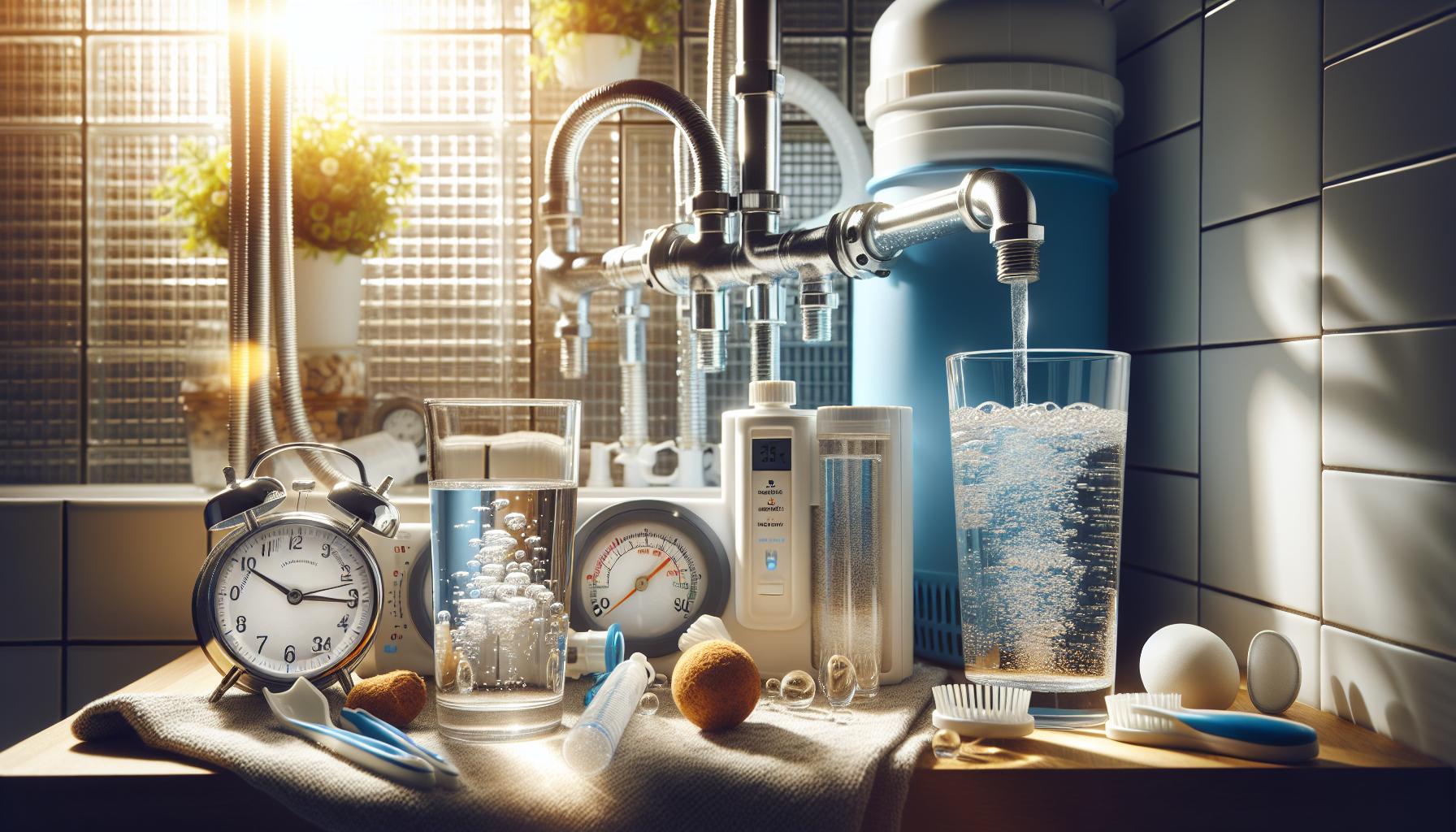
Using filtered water in a humidifier may seem like a step toward cleaner air, but it’s important to understand that this choice does come with potential drawbacks. While filtered water can reduce the presence of certain impurities, it doesn’t eliminate all the elements that can affect the performance and cleanliness of your humidifier.
One consideration is the release of minerals and other particles into the air. Many filters are not designed to remove all mineral content, and when water vaporizes, these particles can be dispersed throughout your space, potentially leading to dust buildup on surfaces. Over time, this can necessitate more frequent cleaning of your home and appliances, leading to additional hassle for users. To mitigate this, using distilled water—known for containing minimal minerals—can be a more effective alternative for maintaining a clean environment and the longevity of your humidifier.
Another issue arises from the possibility of bacteria growth. If the filtered water used in your humidifier is left stagnant for extended periods, it can foster a breeding ground for bacteria and other microorganisms. This can exacerbate respiratory issues, particularly for those with sensitivities or compromised immune systems. Regular maintenance, including cleaning the tank and replacing the water frequently, is crucial regardless of the type of water used.
Moreover, not all filters are the same. Some types of filtered water may still contain contaminants that can alter the humidification process. For instance, if the filter is not maintained correctly, it could become a source of microbes rather than a barrier against them. Therefore, it’s essential to determine not just whether you can use filtered water in your humidifier, but also what kind of filtration process the water has undergone.
In summary, while opting for filtered water in your humidifier may seem like a straightforward choice, it’s vital to weigh the potential drawbacks. Understanding the properties of the water you use and committing to regular maintenance can go a long way toward ensuring optimal performance of your humidification device.
Best Practices for Maintaining Your Humidifier
Regular maintenance is the key to ensuring your humidifier functions effectively and safely throughout its lifespan. Using filtered water might be a common question among users, but understanding the best practices for maintaining your device is essential for both optimal performance and health benefits. A well-maintained humidifier not only improves indoor air quality but can also help prevent respiratory issues caused by overly dry air.
Daily Maintenance
Consistency in maintenance matters significantly. To keep your humidifier running smoothly, consider the following daily practices:
- Clean the Water Tank: Empty and rinse the tank daily to remove any stagnant water.
- Fill with Fresh Water: Always refill the tank with clean, fresh water to avoid introducing contaminants.
- Monitor Humidity Levels: Keep your indoor humidity levels between 30-50% to prevent mold and mildew growth.
Weekly Cleaning
In addition to daily upkeep, a weekly thorough cleaning is vital to maintain hygiene and efficiency. You can implement the following steps based on recommendations by experts:
- Vinegar Soak: Pour 3 cups of distilled white vinegar into the tank and allow it to soak for 15-20 minutes. This will effectively loosen any mineral buildup and ensure a clean reservoir for water use [[1]].
- Wipe Down Surfaces: Use a soft cloth or sponge to wipe down the exterior and any surfaces that may have come into contact with water.
Seasonal Maintenance
As the seasons change, so should your maintenance routine. Before starting the humidifier in the colder months, check and replace any necessary components:
- Replace Filters: If your humidifier has a filter or a water panel, check it thoroughly and replace it if needed. This ensures that impurities do not circulate in the air.
- Inspect for Damage: Look for any leaks or cracks in the water tank or base, which could affect performance.
By adhering to these best practices found in the discussions around using filtered water in humidifiers, you’ll preserve both your device’s functionality and improve your indoor air quality. The effort you invest in maintaining your humidifier will pay off in the form of healthier, more comfortable living spaces.
Choosing the Right Type of Filtered Water for Your Device
Choosing water for your humidifier isn’t just a minor detail; it can significantly impact both the device’s performance and your indoor air quality. Understanding the types of filtered water available to you is crucial to maximizing the benefits of your humidifier while minimizing maintenance issues. For instance, using filtered water can help prevent mineral buildup, which is essential if you live in an area where your tap water is hard or have high mineral content. It helps keep your humidifier cleaner, ensuring that it runs efficiently and prolongs its lifespan.
Types of Filtered Water for Humidifiers
When considering your options, here are the most common types of filtered water you might think about using:
- Filtered Water: Regular filtered water reduces some contaminants and particles. It’s a practical choice if you’re using a basic filtration system.
- Reverse Osmosis Water: This type removes most dissolved solids and is a great option for those with high mineral content in their tap water, offering a cleaner vapor.
- Deionized Water: While not as commonly used due to cost and availability, deionized water is free from ions, making it highly effective at preventing mineral deposits.
- Distilled Water: This is often recommended for humidifiers as it contains no minerals, hence preventing buildup and keeping the unit cleaner.
Choosing the right type of water depends not only on your device type but also on local water quality. For example, if your tap water is high in minerals, opting for reverse osmosis or distilled water might be the best choice, as these options effectively reduce mineral concentration and prevent the white dust buildup often associated with regular tap water usage. However, if not used carefully, some filtered options, like deionized water, can lead to corrosion over time, so always check your humidifier’s manufacturer guidelines.
Best Practices for Water Selection
To ensure optimal performance, consider these best practices when selecting water for your humidifier:
- Always check your humidifier manuals for the manufacturer’s recommendations.
- Regularly clean your humidifier regardless of the water type used, as cleanliness is key to good air quality.
- Consider local water testing to determine mineral content if unsure; this can guide your water choice.
- Monitor your humidifier for signs of buildup; switching water types might be necessary depending on the results.
By paying attention to these details, you can create a more breathable, comfortable indoor environment while enhancing your humidifier’s efficiency. Understanding the nuances of water types in your device plays a crucial role in maintaining good health and moisture levels in any space.
Tips for Optimal Humidifier Performance and Longevity
Using the right type of water in your humidifier is crucial for maximizing its efficiency and extending its lifespan. Many users wonder, “Can I use filtered water in my humidifier?” While filtered water is a step up from tap water, understanding the nuances can greatly impact your device’s performance and the air quality in your home.
To ensure optimal humidifier performance, consider the following tips:
Choose the Right Water Type
Using distilled or purified water is recommended over tap or spring water due to the lower mineral content. This choice reduces the potential for mineral buildup and the production of white dust, which can affect air quality and necessitate more frequent cleaning. While filtered water is cleaner than tap, it may still contain some minerals; thus, if possible, opt for distilled water to safeguard your humidifier’s health and maintain cleaner air in your home.
Regular Maintenance
Proper maintenance is key to ensuring longevity and effectiveness. Follow these steps to keep your humidifier in peak condition:
- Clean Regularly: Make it a habit to clean your humidifier at least once a week. Use a mixture of vinegar or a gentle disinfectant to remove any buildup.
- Change Water Daily: For optimal air quality, empty and refill the water tank daily to prevent stagnation and bacteria growth.
- Replace Filters as Needed: If your model uses filters, adhere to the manufacturer’s guidelines regarding replacement to avoid mold and bacteria accumulation.
Monitor Humidity Levels
Maintaining the right humidity level (ideally between 30% and 50%) is essential for comfort and health. Using a hygrometer can help you monitor the humidity in your home, enabling you to adjust your humidifier’s settings accordingly. Over-humidification can lead to mold growth and respiratory issues, so it’s vital to strike the right balance.
By following these best practices, you can significantly enhance the performance and longevity of your humidifier. This not only improves your device’s efficiency but also ensures a healthier living environment, allowing you to breathe easier and enjoy the benefits of properly humidified air.
Frequently Asked Questions
Can I use filtered water in my humidifier?
Yes, you can use filtered water in your humidifier. Filtered water can minimize mineral buildup and reduce the production of white dust, making it a safer choice than tap water for many models.
Using filtered water helps to lower the levels of minerals and impurities found in tap water. Depending on your filtration system, it can significantly improve the quality of water, leading to better humidifier performance and longevity.
What are the pros of using filtered water in my humidifier?
The main advantages of using filtered water include reduced mineral buildup, less white dust, and improved air quality. This helps maintain the efficiency and cleanliness of your humidifier.
Filtered water is often treated to eliminate contaminants, making it safer to use. By reducing mineral deposits, you can extend the lifespan of your appliance. For optimal results, consider using a high-quality filtration system.
What are the cons of using filtered water in my humidifier?
While filtered water is generally a good option, there can be downsides. For instance, not all filtration systems remove all minerals, which might still lead to some buildup over time.
Additionally, filtered water can sometimes be more expensive to produce than distilled water. If your filter isn’t effective, you might find that the benefits do not meet your expectations.
Is distilled water better than filtered water for my humidifier?
In many cases, distilled water is considered a better choice than filtered water. It contains fewer minerals, reducing the risk of scale buildup and white dust.
Distilled water undergoes a process of boiling and condensation, making it very pure. This can provide a cleaner and more effective solution for your humidifier. For those dealing with hard water, distilled may offer significant advantages compared to filtered water.
Can I mix filtered and tap water in my humidifier?
It is not recommended to mix filtered water with tap water in your humidifier. Doing so can introduce minerals and impurities that filtered water has successfully removed.
To maintain the best performance and hygiene, stick to one type of water—filtered, distilled, or deionized. Consistency in the type of water used can help prolong the life of your humidifier.
How often should I clean my humidifier if I use filtered water?
Even when using filtered water, you should clean your humidifier regularly, ideally every few days. Cleaning prevents any potential mold or bacteria growth.
Frequency may vary based on usage levels and local water quality conditions. Always consult your humidifier’s user manual for specific maintenance recommendations.
What type of filter should I use for my humidifier?
For optimal results, consider using a high-quality water filter designed to reduce minerals and contaminants. Look for systems that employ reverse osmosis or carbon filters.
Filters that effectively remove impurities will help ensure cleaner moisture output, enhancing your humidifier’s performance. Many users find that using a combination of filters yields the best results for both health and appliance longevity.
Concluding Remarks
In conclusion, using filtered water in your humidifier can offer significant advantages, including reduced mineral buildup and improved maintenance. Options like distilled or reverse osmosis water are ideal, ensuring that you avoid the scale and residue associated with tap water. While some types of filtered water may not be suitable, understanding the differences helps you make informed choices for your specific situation. By following best practices, you can enhance indoor air quality and prolong the life of your humidifier. We encourage you to explore further on this topic and discover the best water solutions for your home, ensuring a healthier environment for you and your family.