
Are you unsure how long your PUR water filter will last before needing a replacement? Knowing the lifespan of your filter is crucial for ensuring clean, safe drinking water. This guide not only highlights factors affecting filter longevity but also offers tips to maximize its performance, helping you get the most out of your investment.
Understanding the Lifespan of Your PUR Water Filter
The performance and longevity of your PUR water filter are crucial for ensuring you drink clean and safe water. Understanding how long these filters last can help you maximize their effectiveness and maintain the quality of your drinking water. Most PUR filters, including faucet and pitcher types, have specific lifespans depending on usage and water quality. Regular replacement not only maintains the filter’s efficiency but also guarantees optimal freshness in your water supply.
Filter Types and Their Lifespans
Different PUR water filters serve various purposes, and their lifespans can vary significantly based on their design and functionality:
- Faucet Filters: Typically, these filters last up to 100 gallons or approximately three months, making it essential to monitor their usage closely.
- Pitcher Filters: These generally have a capacity to filter around 40 gallons, requiring replacement every two months.
- Refrigerator Filters: Depending on the model, these filters can effectively treat between 100 to 200 gallons, usually needing replacement every six months.
Tracking how much water your filter has processed can help you decide the optimal time for a replacement. Installing the filter correctly and following the manufacturer’s guidelines ensures peak performance and contaminant reduction.
Signs It’s Time to Replace Your Filter
Beyond capacity limits, several indicators can signal that your filter needs replacement:
- Reduced flow rate: If you notice that water is flowing more slowly than usual, it may indicate that the filter is clogged and needs to be changed.
- Unusual taste or odor: Any changes in taste or smell can suggest that the filter is no longer effective at removing impurities.
- Visible dirt or buildup: Inspecting the filter for physical signs of dirt or grime can also indicate it’s time for a new one.
Taking these factors into account will not only help maximize filter performance but also ensure that you are always consuming the highest quality water possible. Regular evaluations and timely replacements are key components in enhancing the overall drinking experience with your PUR water filter.
Signs That Your Filter Needs Replacing
Recognizing when your PUR water filter requires replacement is crucial for maintaining optimal water quality. Over time, filters accumulate impurities and can become less effective at removing harmful contaminants. Ignoring these signs can lead to poor water taste and potential health risks. Here are some key indicators that it’s time to change your filter to ensure it continues to perform at its best.
Signs that Your PUR Filter Needs Replacing
- Reduced Water Flow: One of the most noticeable signs is a significant decrease in water flow from your faucet or dispensing unit. If you notice that it takes longer to fill up a glass or container, your filter may be clogged and in need of replacement.
- PUR Filter Indicator Light: Most PUR filters come equipped with an indicator light. A green light typically indicates that the filter is still good, while yellow or red signals that it’s time to check or replace the filter. Always keep track of these indicators to avoid running the filter too long.
- Off or Unusual Tastes and Odors: If you begin to detect unpleasant tastes or smells in your water, it’s a strong sign that your filter might no longer be effectively removing contaminants. This could be due to the accumulation of residues within the filter.
- Cloudy or Discolored Water: Any change in the appearance of your water—such as cloudiness or discoloration—indicates that the filter may be overwhelmed and unable to purify effectively. At this point, replacing the filter is essential for your health.
Staying vigilant about these signs can help you maximize the performance of your PUR water filter. Regular maintenance and timely replacements not only improve your water quality but also extend the life of your filtration system. Always refer to the manufacturer’s guidelines for specific replacement timelines based on your usage patterns. By addressing these signs promptly, you can ensure that your water filter operates efficiently, providing clean and safe drinking water for your household.
Tips to Extend the Life of Your Filter
To ensure your PUR water filter performs at its best and lasts as long as possible, it’s essential to adopt some practical maintenance strategies. A well-maintained filter not only provides cleaner water but also saves you money on replacements and enhances the overall efficiency of your filtration system.
- Regular Replacements: Most PUR filters have a lifespan ranging from 2 to 3 months, depending on usage. Mark your calendar or set reminders to ensure timely replacements, as a clogged filter can degrade performance and water quality [[1]].
- Monitor Water Usage: Keeping track of your water consumption can help you anticipate when it’s time to change your filter. High usage may necessitate more frequent replacements, so adjust accordingly to maintain optimal performance [[3]].
- Avoid Contaminants: If your water supply has a lot of sediment or particulate matter, consider pre-filtering your water before it enters your PUR filter. This extra step can significantly extend its lifespan.
- Storage: If you have a spare filter, store it in a cool, dry place. High humidity and heat can compromise the filter material, reducing its effectiveness [[2]].
By implementing these strategies, you not only maximize filter performance but also enhance the quality of your drinking water. This proactive approach helps extend the life of your PUR filter significantly, ensuring that you enjoy clean and safe water for many months to come.
Different Types of PUR Filters and Their Durability
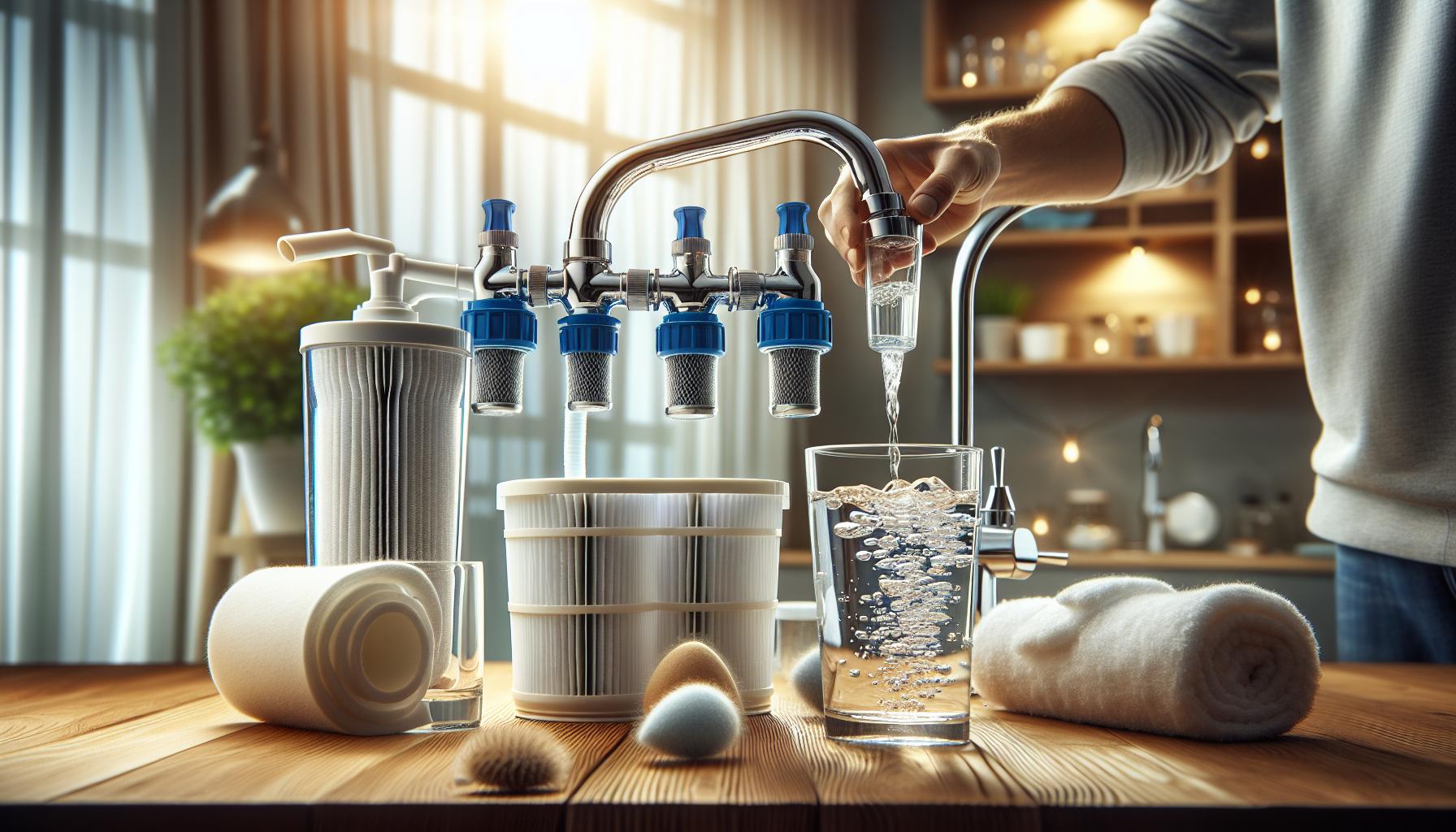
Understanding the various types of PUR filters can significantly enhance your decision-making when it comes to maintaining optimal water quality in your home. Each filter type is engineered to address specific needs, and their durability can vary based on usage and water source. When evaluating how long a PUR water filter lasts, it’s crucial to recognize the distinct characteristics and lifespans of these filters.
Types of PUR Filters
PUR offers several filter types, each with unique features:
- Faucet Filters: These convenient devices attach directly to your kitchen faucet, providing filtered water on demand. Generally, a PUR faucet filter has a lifespan of around 100 gallons or approximately three months, depending on water quality and usage frequency.
- Pitcher Filters: Utilized in water pitchers, these filters are a popular choice for households with lower demands for filtered water. A typical pitcher filter will need replacement after filtering 40 gallons, roughly every two months.
- Dispenser Filters: Found in larger water containers, these filters are suitable for families or offices needing a larger supply of filtered water. The lifespan here can vary but typically requires replacement after filtering about 70 gallons, which could translate to approximately three months of usage.
Understanding these filter types and their respective durability helps in determining the cost-effectiveness and efficiency of your water filtration system. Regularly checking the filter status and adhering to replacement guidelines can maximize filter performance.
Practical Tips for Maximizing Filter Longevity
To ensure that you are getting the most out of your PUR filter, consider these actionable steps:
- Monitor your water quality regularly; changes in taste or odor can indicate that it’s time for a replacement.
- Store extra filters at room temperature to avoid damage and maintain performance.
- Follow the manufacturer’s guidelines for replacement frequency based on the type of filter and household usage.
Recognizing the lifespan of your PUR filter not only ensures better water quality but also contributes to the economy of your household by reducing unnecessary replacements. By adhering to these tips, you can significantly prolong the performance and effectiveness of your water filtration system.
How Water Quality Affects Filter Performance
Ensuring high water quality is essential for maximizing the effectiveness of any water filter. Factors such as the presence of contaminants, mineral content, and the overall condition of the water source can significantly influence how well a filter performs. Different water qualities necessitate specific filtration techniques to effectively reduce impurities and enhance taste. Understanding these dynamics can help consumers extend the life of their filters and maintain optimal performance.
Contaminant Levels
The type and concentration of contaminants in your tap water can directly affect a filter’s efficiency and lifespan. For instance, if your water supply contains high levels of chlorine, sediment, or heavy metals, a filter designed to tackle these specific issues will require more frequent replacements. Aligning your filter choice with the primary contaminants found in your area’s water supply is crucial. For example:
- For high chlorine levels, consider carbon block filters.
- If lead or mercury is present, reverse osmosis systems excel in removal.
- For sediment, a filter with sediment pre-filtration can help extend the main filter’s life.
Water Hardness and Mineral Content
Another aspect affecting filter performance is the hardness of the water, which relates to the presence of minerals like calcium and magnesium. Hard water can lead to scale buildup in filters and appliances, diminishing their ability to function properly over time. Using a water softener in conjunction with your PUR water filter can help mitigate this issue, allowing the filter to work more efficiently.
Practical Advice for Maximizing Filter Performance
To optimize the lifespan of your PUR water filter, consider these actionable steps:
- Test Water Quality: Regularly test your water to understand its specific contaminant profile.
- Monitor Usage: Keep track of how many gallons of water you filter to determine when to replace the filter.
- Pre-filter Setup: If necessary, implement a pre-filtration system to handle heavy sediment or contaminants before they reach the main filter.
By being proactive about the water quality and understanding how it correlates with filter performance, you can significantly enhance the effectiveness of your water purification system. This approach will not only ensure clean drinking water but also extend the longevity of your filter, making it a valuable investment for your home.
The Importance of Regular Maintenance for Peak Efficiency
Maximizing the efficiency of a PUR water filter hinges on one often-overlooked practice: regular maintenance. Just like any other system in your home, neglecting the upkeep of your water filter can drastically reduce its effectiveness, bringing into question its ability to deliver clean, safe drinking water. Research shows that filters which are properly maintained not only have a longer lifespan but also perform at their peak levels, significantly enhancing the quality of the water you consume.
Understanding Filter Lifespan
It’s crucial to recognize how long the typical PUR water filter lasts and what factors can affect this duration. On average, a PUR water filter can last up to three months under regular use. However, if the filter is clogged due to infrequent replacement or build-up of contaminants, its lifespan could drastically shorten, rendering it almost useless. Regularly replacing filters and adhering to a set maintenance schedule—like checking the filter’s status monthly—ensures that the system continues to purify water effectively, rather than simply allowing contaminants to pass through.
Best Practices for Maintenance
Implementing a consistent schedule for filter checks and replacements is essential. Here are a few actionable steps to optimize the performance of your PUR water filter:
- Monthly Checks: Inspect filters for any signs of wear or clogging. This practice helps catch issues before they affect your water quality.
- Follow Manufacturer Guidelines: Adhere to the recommended replacement intervals to ensure you are getting the most out of your filter.
- Use Genuine Parts: Always opt for original PUR filters to ensure compatibility and performance standards.
- Keep a Maintenance Log: Document when filters are replaced and any maintenance done to track performance over time.
With these best practices, you not only prolong the life of the filter but also maximize its performance—crucial elements for anyone looking to ensure the safety and quality of their drinking water. By establishing a routine around your PUR water filter maintenance, you will find that you can avoid potential issues and have peace of mind about the water you are consuming.
When to Upgrade Your PUR Water Filter System
As your household water needs evolve or the performance of your PUR water filter declines, recognizing when to upgrade your system is crucial for maintaining water quality. Not only does a properly functioning filter contribute to better tasting water, but it also ensures that harmful contaminants are effectively removed. Investing in an upgraded filter system can provide peace of mind and improved health outcomes for you and your family.
Signs an Upgrade is Needed
It’s essential to monitor the performance of your PUR water filter consistently. Here are some indicators that it might be time to consider an upgrade:
- Slow Filtration Rate: If your filter is taking significantly longer to provide water, it may indicate clogs or decreased filtration effectiveness. Regular cleanings can help, but if the issue persists, an upgrade might be necessary to ensure optimal performance [[1](https://www.watersystemexpert.com/why-is-my-pur-water-filter-so-slow/)].
- Frequent Clogging: If your filters are clogging every few days, consider adding a pre-filter or upgrading to a more robust filtration system that can handle higher levels of suspended solids [[2](https://www.reddit.com/r/WaterTreatment/comments/169h7l3/pur_water_filters_consistently_clog_up_after_23/)].
- Expiration of Filter Life: PUR filters often need replacing every 100 gallons or three months. If you notice significant changes in taste or clarity before this interval, an upgrade could enhance your water quality [[3](https://homeglobepro.com/kitchen/pur-water-filter-explained-in-details/)].
Benefits of Upgrading
Upgrading your PUR water filter system not only improves the quality of your drinking water but can also save money in the long run by providing more effective filtration and reducing the frequency of replacements. Enhanced filtration systems may include advanced technologies that target a broader array of contaminants, such as heavy metals, chlorine, and lead.
Additionally, many modern PUR systems are equipped with user-friendly features such as filter change indicators, which alert you when replacements are due, making maintenance simpler. You can maximize filter performance and ensure the longevity of your investment by choosing a system that aligns well with your home’s specific water characteristics and usage patterns.
Ultimately, recognizing the right time to upgrade your PUR water filter system is about safeguarding your health and ensuring that you have access to clean, safe water. By staying proactive and attentive to your filter’s performance, you can make informed decisions that contribute to your and your family’s well-being.
Common Misconceptions About Water Filter Lifespan
Many consumers believe that all water filters, including PUR models, have a uniform lifespan, leading to confusion and premature replacements. This misconception can result in not only increased costs but also reduced water quality if filters are changed too hastily or kept in use beyond their effective lifespan. It’s important to understand that the longevity of water filters varies depending on multiple factors, making it essential to follow manufacturer guidelines while also considering individual usage patterns.
One widespread belief is that the advertised lifespan of a filter—often stated in months—applies universally. In reality, this can be misleading. The lifespan of a PUR water filter is influenced by the volume of water filtered and the specific contaminants present in the water being treated. For example, a filter may last six months for a household using municipal water but could require replacement sooner if the water contains high levels of contaminants. Regular monitoring of the filter’s performance, as suggested by user indicators, can provide valuable insights into when a replacement is truly necessary.
To help clarify how often to replace filters, here are some common guidelines:
- Frequency of Use: Households using filtered water more frequently will need to change their filters more often.
- Water Quality: Areas with hard water or high levels of sediment may impact filter lifespan.
- Maintenance: Regular cleaning and adherence to replacement schedules can extend the effective life of a filter.
In conclusion, by debunking these misconceptions surrounding the lifespan of PUR water filters, consumers can optimize their filter performance and ensure they are investing wisely in their water quality. Understanding that factors such as usage, water quality, and maintenance play critical roles in filter longevity is key to achieving the best results from your water filtration system.
Faq
How Long Does a PUR Water Filter Last?
A PUR water filter typically lasts for about three months or filters approximately 100 gallons of water. Regular replacements ensure optimal filtration and water quality.
Various factors affect the lifespan of a PUR filter, including the frequency of use and the quality of the source water. For families that consume more water, filters may need to be replaced more often to maintain effectiveness. It’s important to monitor your filter’s performance regularly for the best results.
Why does the PUR water filter need to be replaced?
Filters need replacement because they become clogged with contaminants over time, which reduces their ability to clean the water effectively. Regular changes ensure you are drinking safe and clean water.
Each PUR filter is designed to remove specific contaminants. After extensive use, it can become less effective, leading to potential health risks. Following the recommended replacement schedule maximizes the filter’s performance and your health safety.
How can I maximize the performance of my PUR water filter?
You can maximize filter performance by replacing it according to the manufacturer’s guidelines, usually every three months, and by following proper usage instructions.
Additionally, keep your pitcher or faucet mount clean and free from debris. Regular maintenance not only improves water quality but also extends the lifespan of your filter.
What type of contaminants does a PUR water filter reduce?
A PUR water filter helps reduce contaminants like lead, chlorine, and sediment, improving the overall taste and quality of your drinking water.
Understanding the specific contaminants your filter targets enhances its effectiveness. Check performance data sheets provided by PUR to know exactly what your filter is achieving, ensuring you’re drinking safe water.
Can I tell when my PUR water filter needs changing?
Yes, most PUR filters come with an indicator light that signals when to replace the filter. A green light indicates good condition, yellow means a change is needed soon, and red alerts that replacement is required.
Understanding these signals can help you maintain your filter’s efficiency. Even without the indicator, a decrease in water flow can also be a sign that it’s time for a change.
How do I install a new PUR water filter?
Installing a new PUR water filter is straightforward: remove the old filter, rinse the new one under cold water, and insert it into the filter housing.
Always refer to the user manual for specific steps, ensuring a proper fit and seal. Regularly checking for leaks after installation can help prevent water wastage and maintain filter performance.
What should I do if my PUR water filter is leaking?
If your PUR water filter is leaking, first ensure it is securely installed. If the problem continues, check for any cracks in the filter or incorrect fit.
Regular maintenance and proper installation are crucial. If leaking persists, consider reaching out to PUR support or replacing the faulty filter for continued performance.
Wrapping Up
In conclusion, understanding the lifespan of your PUR water filter is essential for ensuring clean and safe drinking water. On average, these filters can purify up to 100 gallons or last about six months, depending on your water quality and usage patterns. Regularly replacing your filter not only maximizes its efficiency but also guarantees that you’re providing your family with the best possible water. We encourage you to explore more tips on maintaining your filter and enhancing your overall water quality for a healthier lifestyle. Stay informed and take proactive steps toward cleaner water today!