


Ensuring safe drinking water is crucial for every RV traveler, yet many overlook the importance of sanitizing their water tanks. With bacteria and contaminants lurking in your freshwater system, proper disinfection is essential to protect your health and enhance your camping experience. Follow this step-by-step guide to effectively disinfect your RV water tank and enjoy peace of mind on your adventures.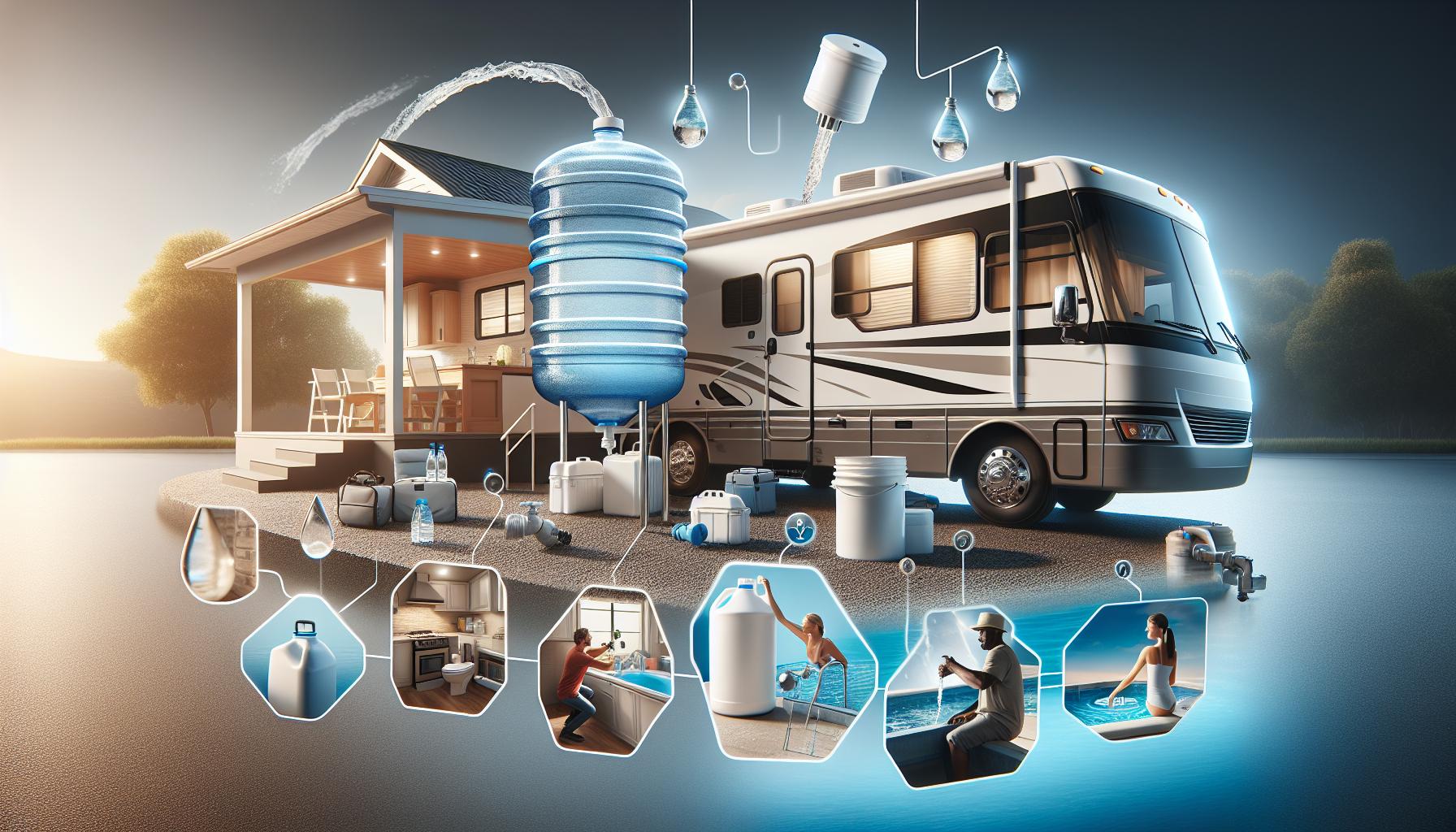
Understanding the Importance of a Clean RV Water Tank
A clean RV water tank is crucial for ensuring your safety and health while traveling. Contaminated water can lead to serious health issues, including gastrointestinal problems and infections. As RV enthusiasts embark on adventures, the last thing anyone wants is to encounter waterborne illnesses due to neglecting a basic maintenance task.
Maintaining a sanitized water system not only protects your health but also enhances the longevity of your RV plumbing. Over time, minerals, sediments, and organic matter can accumulate in the tank, potentially leading to clogs and corrosion. A proactive approach to sanitation ensures that your system remains functional and efficient, allowing you to enjoy every moment of your trip without worry.
To effectively disinfect your RV water tank, consider the following steps as part of your maintenance routine:
- Regular Cleaning: Aim to disinfect your water tank at least once every season, or more frequently if you notice changes in taste or odor.
- Proper Solutions: Use appropriate sanitizing agents, such as bleach or vinegar, and follow the recommended dilution instructions to ensure effectiveness.
- System Flushing: After applying the disinfectant, flush the system thoroughly to eliminate any remaining residues and ensure clean water flows from every tap.
Taking these steps not only safeguards your health by providing safe drinking water but also contributes to the overall upkeep of your RV’s water system. In a world where many overlook the importance of water cleanliness, prioritizing the sanitation of your RV water tank can mean the difference between a joyous adventure and a preventable disaster. By understanding the importance of maintaining a clean water supply, you embrace the full experience of RV living with confidence and peace of mind.
Essential Supplies for Disinfecting Your RV Water System
When considering the health and safety of your RV’s water supply, having the right supplies can make all the difference. Disinfecting your RV water system is crucial not only for ensuring clean drinking water but also for avoiding potential health hazards from bacteria and algae. The process can be straightforward if you come equipped with the necessary materials and follow a comprehensive guide, such as “How to Disinfect RV Water Tank? Step-by-Step Guide for Safe Drinking Water.”
Essential Supplies
To get started on effectively disinfecting your RV water system, you’ll need a few essential items. Here’s a concise list of supplies that will make the process smooth and efficient:
- Chlorine Bleach: This is a key disinfecting agent. Use regular, unscented bleach that contains between 5-9% sodium hypochlorite. Make sure it’s free from additives and fragrances.
- Measuring Cup or Funnel: Accurate measurement of bleach is vital to ensure you’re using the correct concentration.
- Water Hose: A clean hose is required to fill your water tank with fresh water, crucial for the initial flush before sanitizing.
- Bucket or Clean Container: This can be used for mixing the bleach solution before adding it to your water system.
- Rubber Gloves: Protect your hands when handling bleach to avoid skin irritation.
- Masking Tape or Labels: Useful for marking or indicating when the system was last sanitized.
- Fresh Water: Ensure that the water you use to mix with the bleach is clean and potable.
Preparation Steps
Before you dive into the disinfection process, it’s advisable to prepare your RV’s water system thoroughly. Start by draining the existing water from your fresh water tank and lines. If you have a winterizing kit, you can utilize it to facilitate the addition of the bleach solution directly into your tank. Additionally, ensure that your fresh water tank fill valve is switched to the “On” position to allow proper circulation during disinfecting.
When you have gathered these supplies, you are ready to follow the step-by-step directions to effectively sanitize your RV water tank, helping ensure that you have safe drinking water for your adventures. Having the right materials at hand not only saves time but also increases your confidence in maintaining a clean and functional RV water system.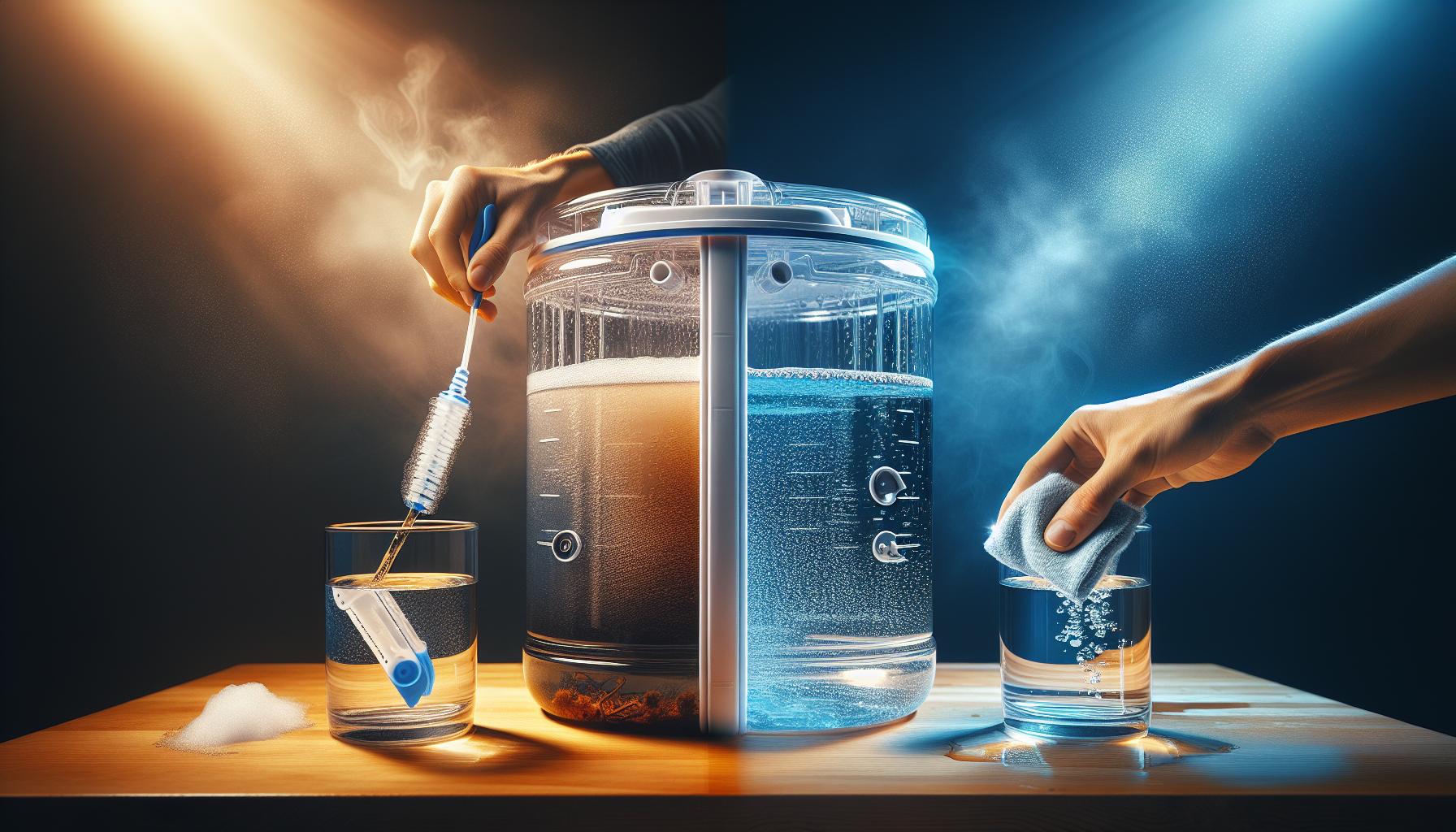
Step-by-Step Process to Sanitize Your RV Water Tank
To maintain safe drinking water in your RV, it’s essential to regularly sanitize your fresh water tank. Dirty or stagnant water can lead to unpleasant tastes and health risks, making a proper sanitization process necessary for your adventures. Here’s a concise, step-by-step guide on how to disinfect your RV water tank effectively.
- Preparation
Begin by turning off the water heater and water pump to prevent damage while you work. Next, drain the existing water in the tank by opening the drain valve and allowing it to empty completely. This step is crucial as it ensures that any residual contaminants are removed, setting the stage for successful sanitation.
- Mix the Sanitizing Solution
Depending on your preference, you can use either a bleach solution or a biodegradable cleaner. For a bleach solution, mix 1/4 cup of unscented household bleach with one gallon of water. If you opt for a biodegradable cleaner, follow the manufacturer’s instructions for the correct mixing proportions. It’s important to prepare enough solution to fill your tank approximately one-quarter full.
- Fill the Tank
Pour the sanitizing solution into the tank, and then fill the tank with fresh water until it’s full. Ensure the mixture is thoroughly mixed by shaking the tank or running the water pump briefly to circulate it.
- Run the Water Through the System
To ensure all water lines are sanitized, turn on the water pump and open each faucet, one at a time, until the bleach or cleaning solution is visible. This action primes the system and allows the sanitizer to flow through all the plumbing, including the taps and showerhead, enhancing the disinfection process.
- Let It Sit
Allow the sanitizing solution to sit for a minimum of 4 to 8 hours. This waiting period is vital for the solution to effectively kill bacteria and sanitize the tank and lines. For optimal results, you might consider leaving it overnight, especially if you’re using bleach, as this will provide additional time for thorough disinfection.
- Flush the System
After the sitting period, it’s time to flush the tank and the water lines. Drain the tank completely and then refill it with fresh water. Run the water through the system again, repeating this process until the smell of bleach or cleaner is eliminated. This step ensures that your water is safe and pleasant to use once more.
- Final Check
Finally, after the flushing process, check the water quality by filling a glass and smelling it. If there’s still a hint of bleach or cleaner, continue flushing with fresh water until it is completely eliminated. Now your RV water system is sanitized and ready for safe drinking and cooking.
By following these steps, you can ensure that your RV’s water tank remains clean and your water supply is safe for consumption. Regular sanitization is a simple but crucial part of RV maintenance that contributes to a healthy and enjoyable travel experience.
Tips for Properly Flushing Your Water System After Disinfection
After disinfecting your RV water tank, the next essential step is to properly flush your system to ensure all disinfectants—like bleach—are completely removed. Neglecting this can affect the taste of your water and potentially introduce unwanted elements back into your drinking supply. It’s not just about cleanliness; it’s about ensuring a healthy and safe water source for your adventures.
Start by filling your fresh water tank with clean water, ideally one that is safe for drinking. This is an important step, as it’ll help to dilute any residual disinfectants. Once the tank is full, open all faucets throughout your RV, beginning with the highest point and working your way to the lowest. This method ensures that the entire plumbing system is flushed thoroughly. Allow the water to run until you no longer detect any chlorine or disinfectant odor; this may take several minutes.
Next, it’s wise to empty the fresh water tank completely again after flushing. This not only ensures any remaining contaminants are removed but also allows you to check that the system is functioning properly. Once drained, fill the tank once more and run the faucets briefly before draining again. If you wish to go a step further, consider attaching a water filter to your system, which can help in any residual taste or odor reduction. Through these steps, you’ll achieve a clean, fresh, and safe drinking water supply for your RV travels.
- Fill Tank: Fill with clean water to rinse out disinfectants.
- Run Faucets: Open faucets until there’s no chlorine smell.
- Drain Again: Empty the tank and recheck for odors.
- Consider Filtration: A filter can improve water taste further.
Following these tips will help you maintain your RV water system effectively and keep your water safe and enjoyable to drink. Always remember to conduct this flushing process regularly, especially after disinfection, to ensure optimal water quality.
How to Maintain Water Quality During Your Travels
Maintaining high water quality during your travels is essential for a healthy and enjoyable RV experience. The diverse environments you encounter can introduce various contaminants to your water supply, making it crucial to adopt effective practices for water sanitation. Fortunately, by implementing the right strategies, you can ensure that your RV’s water system remains free from harmful bacteria, sediments, and unpleasant odors.
Regular Sanitization
One of the primary methods to keep your water safe is regular sanitization of your RV’s water tank and plumbing. Before embarking on a trip or after a long storage period, it is wise to disinfect the water tank using a tried-and-true method, such as using a diluted bleach solution or hydrogen peroxide. For example, you can prepare a solution of one cup of household bleach for every 15 gallons of water your tank holds, filling the tank with this mixture and allowing it to sit for several hours before thoroughly rinsing it with fresh water [[1]](https://theplumbero.com/how-to-sanitize-water-tank-in-rv/). This routine will eliminate bacteria and ensure safe drinking water.
Utilize Clean Water Sources
When filling your fresh water tank, always opt for sources that you trust. Whether it’s a campground spigot or a municipal supply, verify that the water is potable. Some RV enthusiasts carry a water filter along with a hose to fill their tanks, providing an extra layer of protection. It is crucial to avoid refilling from questionable sources, as this could introduce contaminants that are hard to remove later.
Monitor Water Quality Regularly
Additionally, regularly checking the quality of the water you use is necessary. You can do this easily by purchasing test strips that measure chlorine, pH, and other potential contaminants. Keeping an eye on water quality helps you take swift action if you notice any parameters out of the ordinary.
Develop Good Maintenance Habits
Establish a routine for cleaning and maintaining your RV’s water system. This should include periodic checks of your hoses and connections to avoid any leaks or contamination from outside elements. Be vigilant about maintaining your filters and replacing them per the manufacturer’s instructions. An effectively managed RV water system not only provides safe drinking water but also enhances your travel experience by ensuring that all your water needs are met with quality assurance.
By following these guidelines, you will significantly reduce the risks associated with poor water quality while on the road, allowing you to concentrate on the joys of your travels.
Common Mistakes to Avoid When Disinfecting Your RV Water Tank
When it comes to ensuring that your RV’s water supply is safe for use, many enthusiasts overlook crucial steps during the disinfection process. Even the smallest misstep can lead to residual contaminants that jeopardize the purity of your drinking water. Understanding and avoiding these common pitfalls is vital for anyone willing to learn how to disinfect their RV water tank effectively.
One major error is failing to measure the disinfectant correctly. Using too little bleach or other sanitizing agents can result in inadequate disinfection, leaving harmful bacteria alive. Conversely, overestimating the amount can introduce unpleasant tastes or even harmful chemicals into the water. It’s essential to follow the manufacturer’s instructions carefully and make precise measurements.
Another frequently made mistake is neglecting to let the solution sit long enough in the tank. After adding the disinfectant, it’s crucial to allow it time to work—typically around 12-24 hours—before rinsing. Skipping this step can lead to persistent bacterial growth, undermining your efforts. Additionally, don’t forget to flush the plumbing system and faucet thoroughly after sanitizing, as any remaining solution can taint the drinking water.
The temperature of the water used for dilution is another consideration many RV owners overlook. Cold water can inhibit the disinfectant’s effectiveness, while warm water can enhance it. Moreover, prior to disinfection, ensure that the tank is not only empty but also clean from any sediment or debris, as these can interfere with the sanitizing process.
In summary, to avoid these common mistakes when disinfecting your RV water tank, ensure you:
- Carefully measure your disinfectant.
- Allow sufficient contact time for the disinfectant to work.
- Thoroughly flush the system after disinfection.
- Use warm water for dilution and start with a clean tank.
By being mindful of these details, you can significantly improve the effectiveness of your sanitation efforts, leading to safer and cleaner drinking water during your travels.
Signs That Your RV Water Tank Needs Immediate Attention
When you’re out exploring the great outdoors in your RV, having safe and clean drinking water is essential. However, your water tank may experience issues that require immediate attention to ensure your health and comfort on the road. Recognizing the signs that your RV water tank needs urgent care can save you from the unpleasant consequences of contaminated water or tank failure.
Common Indicators of Water Tank Problems
Pay close attention to the following signs that signal your RV water tank may need immediate action:
- Unpleasant Odors: If you notice a foul smell coming from your water tank, this may indicate bacterial growth or contamination. It’s a red flag that you need to take steps towards disinfection.
- Cloudy or Discolored Water: Water that appears murky or has an unusual color can suggest the presence of sediment, algae, or rust. This can compromise the quality of your drinking water.
- Frequent Clogged Filters: If your water filters are clogging quickly or often require replacement, it might indicate that your tank has built-up debris or biofilm that needs addressing through proper cleaning.
- Corrosion or Rust: Visible corrosion on the tank’s exterior or rust in your water supply points to the need for immediate inspection and possible tank replacement.
- Leakage: Any leaks or moisture around the tank or its fittings mean your system is compromised and could lead to more severe damage or contamination.
Next Steps for Immediate Action
If you encounter any of these signs, it’s crucial to respond promptly. Start with thorough inspections and consider the following practical actions as part of your routine maintenance:
- Regular Cleaning: Integrate a schedule for disinfecting your RV water tank. This could involve a comprehensive guide on how to disinfect RV water tanks, ensuring you’re following the right protocols.
- Water Testing: Regular water testing can help detect contaminants before they pose a health hazard.
- Annual Maintenance: Consider performing an annual inspection of your entire water system to catch potential issues early and avoid costly repairs.
Being proactive not only maintains the quality of your drinking water but also enhances the overall longevity of your RV’s water system. Regular maintenance checks are vital for discovering problems early and implementing effective solutions, so you can confidently prepare for your next adventure.
Best Practices for Long-Term RV Water Tank Care
Proper maintenance of your RV’s water tank plays a crucial role in ensuring your drinking water remains safe and clean during your adventures. As an integral component of any RV, the fresh water tank can harbor bacteria and contaminants if not handled correctly. By adopting best practices for long-term care, RV owners can optimize their system for cleanliness and extend the lifespan of their equipment.
Regular Cleaning Schedule
Establishing a cleaning routine is essential for maintaining your RV water tank. Aim to clean the fresh water tank at least once a year or more frequently if you’re using it heavily. Here are some essential steps to consider:
- Bacteria Check: Regularly test the water for bacteria levels, especially after long-term storage or before a big trip.
- Routine Sanitization: Follow a disinfecting procedure similar to the one in the article, using a reliable method such as diluted household bleach.
- Monitor Condition: Inspect the tank for issues like leaks or sediment buildup, which can indicate a need for cleaning.
Using Safe Cleaning Solutions
Choosing the right cleaning solution is crucial. Many RV owners turn to bleach due to its effectiveness in killing bacteria. However, it’s vital to properly dilute it to ensure safety and prevent damage to components. A typical ratio involves one cup of bleach to every 15 gallons of water, allowing the solution to sit for a minimum of 5 hours before draining and rinsing with fresh water. Always refer to detailed guides like the one titled “How to Disinfect RV Water Tank? Step-by-Step Guide for Safe Drinking Water” for specific procedures.
Strategic Water Usage
How you use the water can also affect the tank’s cleanliness. To minimize contamination:
- Implementing First Use: Fill the tank with fresh water only after sanitizing, and try to consume the water regularly rather than letting it sit for extended periods.
- Filter Installation: Install a water filter or purification system that can help reduce sediment and bacterial levels before water enters the tank.
- Drain Regularly: If you know your RV will remain unused for an extended period, drain the water tank and ensure it is dry.
By following these , you can ensure that your drinking water stays safe, enhancing your overall travel experience. Whether you’re embarking on a weekend getaway or an extended journey, maintaining your RV’s water system is key to health and peace of mind on the road.
Frequently asked questions
How to Disinfect RV Water Tank? Step-by-Step Guide for Safe Drinking Water?
To disinfect your RV water tank, mix a solution of bleach and water, then fill your tank and let it sit for a few hours. This will eliminate bacteria and ensure safe drinking water. Always rinse thoroughly before use.
Begin by draining your tank, then prepare a bleach solution (around 1/4 cup of regular household bleach per 15 gallons of water). Fill the tank with this solution and run the water through the faucets. Let it sit for 4-8 hours, ensuring the lines are sanitized too. For more details, visit Camper Grid.
What is the best method to disinfect an RV water tank?
The best method to disinfect an RV water tank often involves using a bleach solution due to its effectiveness in killing bacteria. Some also choose vinegar as a non-toxic alternative.
Using bleach, ensure you use the correct dilution ratio and allow the solution to sit for several hours for maximum effect. Vinegar, while less potent than bleach, can be a safer option for those concerned about chemicals. For more information, see Camping World Blog.
Can I use vinegar to disinfect my RV water tank?
Yes, vinegar can be used as a natural disinfectant for your RV water tank. However, it may not be as effective as bleach for killing bacteria.
When using vinegar, mix it into your tank and let it sit for several hours. While vinegar is safer for the environment and your tank, it may require more frequent use to maintain cleanliness. For a detailed method, check out The RV Geeks.
Why is it important to disinfect my RV water tank?
Disinfecting your RV water tank is crucial for removing harmful bacteria and contaminants, ensuring safe drinking water for you and your family.
Failure to regularly disinfect can lead to health issues or unpleasant odors and tastes in your water. To prevent these problems, make sanitizing a routine part of your RV maintenance schedule. Implementing good practices keeps your water system healthy and reliable.
How often should I disinfect my RV water tank?
It is recommended to disinfect your RV water tank at least twice a year, or more frequently if you use the tank regularly.
If you’ve stored your RV for a while or it’s been unused, always sanitize before using the water. Regular checks can prevent contamination and ensure all systems are functioning properly. For tips on maintenance frequencies, refer to Camper Grid.
What supplies do I need to disinfect my RV water tank?
To disinfect your RV water tank, you’ll need bleach, water, a bucket, and possibly a measuring cup. A hose and funnel may also help in the process.
Ensure you have enough bleach for the size of your tank and clean any tools after use to prevent contamination. Maintaining these items will make future disinfecting sessions easier. For a full list of supplies, visit Camping World Blog.
How do I flush and rinse my RV water tank after disinfection?
After disinfection, thoroughly rinse your RV water tank by filling it with fresh water and draining it several times until all bleach is removed.
Run the taps until you can no longer smell bleach in the water, as lingering bleach can be harmful if consumed. It’s essential to perform this step to ensure your water is safe and pleasant to drink.
Insights and Conclusions
In conclusion, properly sanitizing your RV water tank is essential for enjoying safe and clean drinking water. Whether you choose to use bleach or biodegradable alternatives like vinegar, following the outlined steps will help ensure your water system remains free of contaminants. Remember to flush the system thoroughly after sanitization to remove any residues. Regular maintenance not only enhances water quality but also extends the lifespan of your RV’s plumbing. For more insights and helpful tips on RV care, feel free to explore further and tackle any water-related challenges with confidence!


