
Emptying your RV’s fresh water tank can seem daunting, but it’s crucial for maintaining your vehicle’s hygiene and efficiency. Regularly draining this tank prevents contamination and ensures you have the best water quality on your travels. Discover quick and easy methods to tackle this essential task and keep your RV in optimal condition.
Understanding Your RV Fresh Water Tank System
Understanding the intricate system behind your RV’s fresh water tank can greatly enhance your camping experience. An RV fresh water tank is not merely a vessel for holding water; it is a cornerstone of your mobile lifestyle, providing you with access to clean water for drinking, cooking, and hygiene. Understanding how this system works—how to maintain it, empty it effectively, and ensure it’s in good condition—can help prevent common issues and extend the life of your tank.
Components of an RV Fresh Water System
An RV fresh water system is composed of several key components, including the fresh water tank, pump, water lines, and fixtures. Each part plays a crucial role in ensuring that water flows smoothly throughout your RV. Below are the primary elements of your fresh water system:
- Fresh Water Tank: The main reservoir where potable water is stored, typically made from food-grade polyethylene.
- Water Pump: This pump helps draw water from the tank and push it through the system, providing adequate pressure.
- Water Lines: These pipes transport water to various fixtures in your RV, such as the sink and shower.
- Fixtures: The taps and appliances that you use to access water, like faucets and showerheads.
Understanding each of these components aids in troubleshooting issues that may arise, such as leaks or low water pressure.
How to Maintain Your Fresh Water Tank
Regular maintenance is key to ensuring the functionality and longevity of your RV’s fresh water tank system. A critical aspect of maintenance involves knowing how to empty the tank correctly to avoid contaminants building up. Here are some practical tips:
- Flush the Tank Regularly: Routine flushing helps eliminate sediment and bacteria. You can do this by filling the tank with a diluted solution of bleach and water, letting it sit for a few hours, and then draining it.
- Inspect for Leaks: Regularly check for leaks in the tank and pipes. Look for signs of water buildup, which can indicate a leakage issue.
- Winterize Your System: If you’re not using your RV during colder months, ensure to winterize your system by draining the fresh water tank to prevent freezing and cracking.
By incorporating these maintenance practices, you can effectively prolong the life of your RV’s fresh water tank and ensure safe, clean water access during your travels.
Best Practices for Emptying Your Fresh Water Tank
Knowing how to efficiently empty your RV fresh water tank is essential for good maintenance and water management during your trips. Here are some quick and easy methods to ensure complete drainage:
| Method | Description |
|---|---|
| Gravity Drain | Simply open the tank’s drain plug and allow the water to flow out naturally. This method is straightforward but may not fully empty the tank. |
| Using a Pump | If your RV is equipped, use a water pump to siphon out the remaining water in the tank, ensuring a thorough empty. |
| Vacuum Method | Employ a wet/dry vacuum to pull out any lingering water from the tank efficiently. |
By being proactive and utilizing these methods, you can better manage your RV’s fresh water tank system, ensuring clean water on your adventures and preventing buildup from occurring over time.
Essential Tools for Draining Your Fresh Water Tank
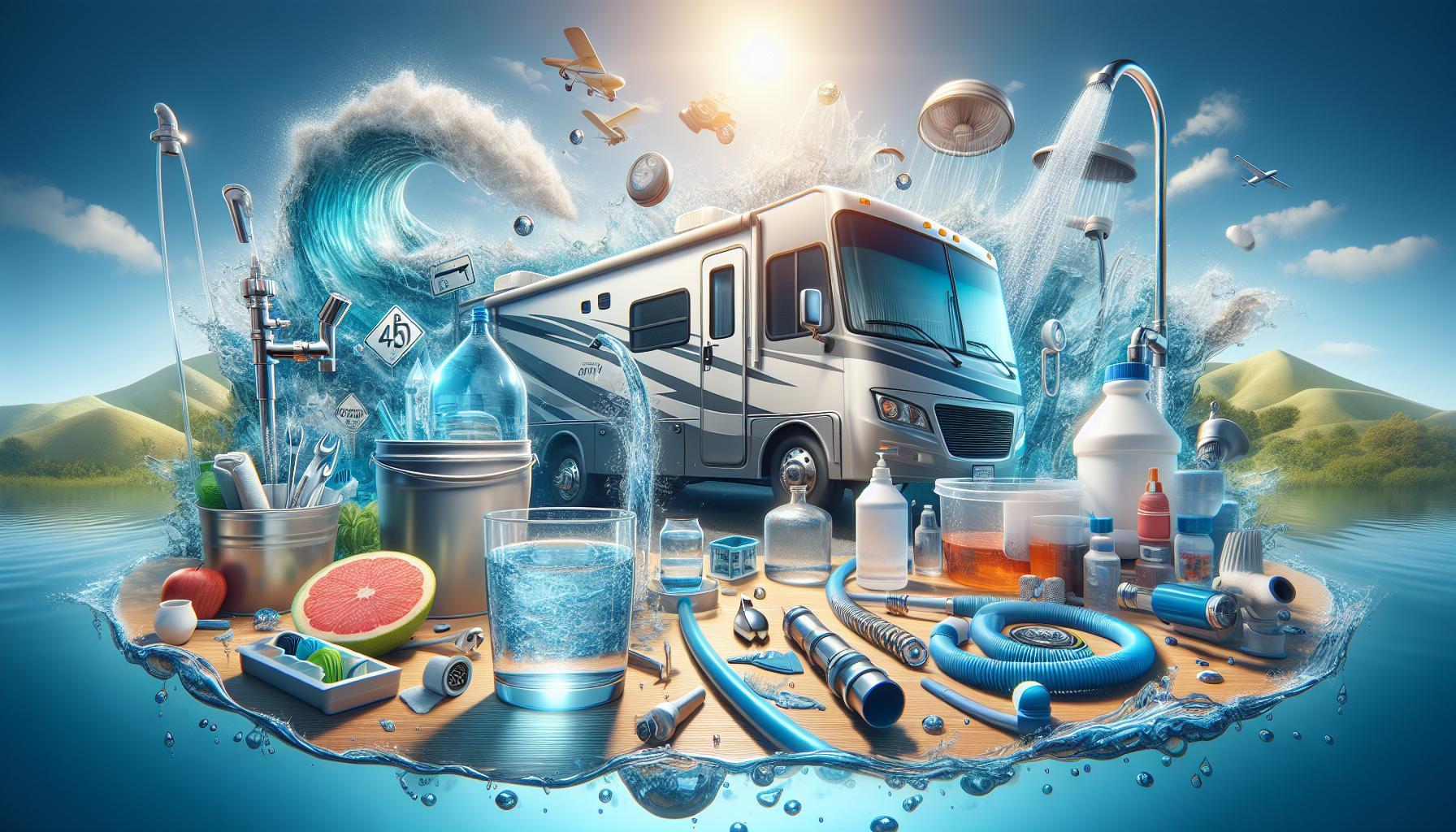
Draining your RV’s fresh water tank is an essential maintenance task that ensures clean water supply, prevents algae buildup, and prepares your vehicle for winterization or travel. Before diving into the process of emptying your tank, it’s crucial to gather the right tools to streamline the task and avoid potential mishaps. Having the necessary equipment not only makes the job easier but also helps to ensure that you do it correctly and efficiently.
To begin, you’ll need a few specific tools:
- Water Sewer Hose: This is essential for directing the drainage safely away from your RV, especially when you’re at a campground.
- Water Pressure Regulator: This tool helps maintain a consistent flow and pressure, preventing damage to your RV’s plumbing system.
- Potable Water Hose Adapter: This adapter allows you to connect to water sources securely and safely, ensuring the water remains clean and drinkable.
- Drain Pan or Bucket: A large container is helpful for capturing any residual water during the draining process, reducing mess.
- Rags/Paper Towels: These are useful for cleaning up any spills and ensuring the area around your drain is tidy.
Organizing Your Workspace
Before you start, organize your tools in a way that enhances your workflow. Lay them out near the fresh water tank location so they are easily accessible. Consider enlisting a buddy to help—having an extra set of hands can make the task much more manageable, particularly when opening and closing valves or securing hoses.
While undertaking the task of draining your fresh water tank, remember that preparation is key. By having the right equipment and a clear plan of action, you’ll be well on your way to mastering the steps in “How to Empty RV Fresh Water Tank: Quick and Easy Methods.” This thoughtful approach not only ensures efficiency but also helps protect your investment by keeping your RV in top condition.
Step-by-Step Guide to Safely Emptying Your Water Tank
Draining your RV’s fresh water tank is not only essential for maintenance but also crucial for health and safety. Regularly managing your water supply prevents the buildup of harmful bacteria and ensures your water remains fresh for drinking and cooking. Whether you’re winterizing your RV or preparing for an extended trip, knowing how to empty your fresh water tank efficiently can make your travels smoother and more enjoyable.
Preparation Steps
Before you begin the draining process, it’s important to follow these preparatory steps:
- Turn Off the Water Heater: Always start by ensuring the water heater is turned off to avoid damage and ensure your safety.
- Open RV Faucets: This helps to release pressure in the system, making it easier for the water to drain.
Draining the Fresh Water Tank
Once you’ve prepared the system, the actual evacuation of the fresh water tank is straightforward. Here’s how to proceed:
- Locate the Fresh Water Drain Valve: This is usually located underneath the RV or near the tank itself. Check your RV manual for specific details.
- Open the Drain Valve: Use a flathead screwdriver if necessary to turn the valve, allowing the water to flow out completely.
- Utilize the Low Point Drains: Most RVs are equipped with low point drains located along the water line. These must be opened to allow residual water in the pipes to escape.
Optional Steps for Complete Draining
To ensure that all water is out and to enhance cleanliness:
- Drain the Hot Water Heater: If applicable, consider draining this tank as well for a thorough process.
- Empty the Gray Water Tank: Although optional, it’s advisable to empty the gray water tank as part of a complete service routine.
By following these steps meticulously, you can effectively maintain your water system and prolong the life of your RV’s components. Proper draining practices not only enhance hygiene but also improve the overall functionality of your RV, ensuring that your adventures are worry-free and enjoyable.
Tips for Preventing Stains and Odors in Your Fresh Water System
Maintaining a pristine RV fresh water system not only enhances your travel experience but also ensures your health and safety while on the road. Stains and odors can develop over time due to stagnant water, accumulated debris, or even the presence of microorganisms. By implementing a few proactive measures, you can keep your fresh water tank clean and odor-free, setting the stage for enjoyable adventures.
Regular Flushing and Cleaning
One of the simplest yet most effective ways to prevent stains and odors is through regular flushing and cleaning of your fresh water tank. Aim to empty the tank completely and refresh it with clean water at least once a month, especially during the off-season. This practice reduces the buildup of any organic material that could lead to unpleasant smells. For those looking for a systematic approach, consider the following steps:
- Drain the Tank: Use the drain valve to empty the tank fully. This ensures that stale water does not linger.
- Sanitize the System: Create a mixture of water and a sanitizing agent (like a diluted bleach solution) to flush through your system after draining.
- Rinse Thoroughly: After sanitizing, rinse with fresh water until there are no traces of cleaning agents to avoid any lingering odors.
Preventing Stagnation
Stagnant water is a prime culprit behind bad odors and algae growth in your RV fresh water system. To combat this, keep your tank filled to ensure that water is consistently circulating and fresh. However, if you’re not using the RV for an extended period, consider adding a commercial RV tank additive designed to inhibit bacterial growth. These additives can help maintain water quality without the need for regular flushing.
Using Proper Fill Sources
Another vital factor in preventing odors and stains is the quality of the water you use to fill your tank. Always ensure that you are sourcing water from potable sources. Avoid filling from murky or questionable taps, as they might introduce contaminants. Installing an inline water filter can further ensure that you’re pouring clean water into your tank, thereby minimizing the factors that contribute to undesirable odors.
| Tip | Description |
|---|---|
| Regular Flushing | Empty your tank completely and flush it out monthly to prevent buildup. |
| Sanitize | Use a diluted bleach solution to sanitize the tank and lines. |
| Prevent Stagnation | Keep the tank full when not in use and consider using tank additives. |
| Quality Water Source | Only fill your tank using potable water to ensure its cleanliness. |
By smartly managing these aspects of your RV fresh water system, you can avoid the common issues of stains and odors, making your journeys more pleasant and hygienic. Following practical steps on how to empty the RV fresh water tank and maintain its cleanliness will pay off in the long run, enhancing your overall RV experience.
Common Mistakes to Avoid When Draining Your RV Tank
Draining your RV’s freshwater tank is crucial for maintaining the longevity and performance of your vehicle, yet several common pitfalls can complicate the process. Many RV owners inadvertently overlook these mistakes, leading to inconveniences or even costly repairs. Understanding these errors can save you time and frustration, ensuring that your RV experience remains enjoyable and hassle-free.
One frequent mistake is neglecting to check the drain valve before initiating the draining process. The drain valve must be fully accessible and operational. If it’s faulty or blocked, this could lead to a backup or an incomplete drain. Additionally, always ensure that you are positioned properly over a designated drainage area when emptying the tank. Failing to do this may result in spillage, which is not only messy but can attract unwanted pests.
Another critical error is attempting to drain the tank too quickly. Many novice RVers think that a swift drain will save time, but this can lead to sediment buildup in the tank, which may require more intensive cleaning later on. Instead, consider using a slow and steady method while monitoring the flow. This approach allows for better flushing of the tank and helps maintain the valves and hoses in excellent condition.
When engaging in the draining process, pay particular attention to the dual tanks (black and grey water). Incorrectly disposing of waste can lead to contamination and unpleasant odors. Always use separate hoses for fresh water and waste, ensuring that those used for dumping are specifically meant for that purpose. This not only maintains hygiene but also reduces the risk of cross-contamination.
Lastly, don’t forget to perform a thorough inspection after you finish draining your tank. Look for leaks or signs of wear and tear in the hoses and connections. This simple step can prevent unexpected malfunctions during your next adventure. By avoiding these common mistakes when draining your RV tank, you can protect your investment and enjoy the open road without worry.
Maintaining Your RV Water System for Longevity
Regular maintenance of your RV’s water system is crucial for ensuring clean and safe water, preventing damage, and extending the lifespan of your vehicle. Many RV owners may overlook this important task, but understanding the steps to maintain your water system can lead to smoother adventures on the road. By integrating effective practices into your routine, you can tackle issues such as odor, taste, and leaks before they become significant problems.
Essential Maintenance Steps
To keep your RV water system functioning optimally, consider implementing the following practices:
- Regular Flushing: It’s essential to regularly flush your fresh water tank. Drain the existing water and refill it with fresh water, running this through all faucets to ensure cleanliness. If any unpleasant smell or taste persists, add a mixture of baking soda and water to help freshen it up.
- Install a Water Pressure Regulator: To safeguard your system against high pressures when connected to a city water supply, a water pressure regulator can help maintain safe levels. This protects your pipes and fixtures from potential damage.
- Routine Inspections: Conduct regular checks for leaks or cracks in your plumbing. Look for wet spots or water pooling around the RV. Early detection can prevent costly repairs later.
- Winterization: If you’re storing your RV during colder months, ensure that you properly winterize your water system to avoid freezing and damage. Drain and flush the system thoroughly before storage.
Integrating these techniques can significantly enhance the longevity of your RV water system. Furthermore, regular inspections and care not only provide access to clean water but also prevent issues such as clogs and leaks, which can lead to significant repair costs if neglected.
Tips for Specific Situations
When you empty the RV fresh water tank, keep these additional tips in mind to make the process seamless:
| Tip | Description |
|---|---|
| Use a Water Filter | Consider using an inline water filter to keep sediment and impurities from entering your fresh water tank. |
| Seasonal Treatments | Before and after your trips, treat your tank with a vinegar solution or a specialized RV tank cleaner to prevent mineral buildup. |
| Check Hoses and Connections | Inspect all hoses and connections for signs of wear or leaks. Replace any parts that show signs of deterioration. |
Incorporating these maintenance steps into your RV care routine can help you avoid the discomfort of water system issues and keep your travel experience enjoyable and stress-free. Regular attention to your RV’s water system ensures not just functionality but also peace of mind on all your adventures.
What to Do After Emptying Your Fresh Water Tank
After successfully emptying your fresh water tank, it’s essential to follow up with a few key maintenance steps to ensure the longevity and safety of your RV’s water system. Neglecting these activities could lead to issues like contamination, odors, or bacterial growth. By proactively managing your fresh water system, you can guarantee a better experience on your next adventure.
One of the first actions to take is to clean the tank. This can involve flushing the tank with a mixture of water and bleach or vinegar to eliminate any lingering bacteria or odors. To effectively clean your tank, you might consider the following steps:
- Fill the tank partially with clean water.
- Add a disinfectant solution (5-10% bleach solution works well).
- Swirl the mixture around to coat the interior surfaces.
- Let it sit for several hours or as specified by the manufacturer.
- Thoroughly rinse the tank with clean water until you can no longer smell bleach.
Moreover, it’s crucial to inspect all connections and hoses for wear and tear. Over time, hoses can develop leaks or degrade, which can compromise not only your water supply but also the whole system’s efficiency. Consider looking for the following signs:
- Cracks or splits in hoses
- Loose connections or fittings
- Signs of corrosion at joints or connections
If you spot any issues, replace the damaged components immediately to prevent more significant problems in the future.
Also, remember to refill your tank appropriately for your next trip. When filling, use clean, potable water and consider using a water filter to ensure quality. If you’re uncertain of the water source’s safety, using a test kit can provide peace of mind. Always keep an eye on the fill level to avoid overflow, as this can cause spillage and unwanted mess.
Lastly, for a consistent flow of fresh water, consider adding water treatments regularly to the tank. Products designed to inhibit bacterial growth can help maintain water quality over extended storage periods. This is particularly useful for RV owners who may not use their units frequently, ensuring that the next time you need to rely on your fresh water tank, the water quality remains high.
By following these steps after emptying your fresh water tank, you’ll not only enhance the safety of your RV water system but also improve your overall camping experience.
Frequently Asked Questions
How to Empty RV Fresh Water Tank: Quick and Easy Methods?
To empty your RV fresh water tank, locate the tank drain valve, typically found at the lowest point of the tank. Open the valve and let the water flow out until empty. Ensure your hose is directed towards a suitable drainage area.
After draining, you can flush the tank with fresh water to help remove any remaining residue. It’s advisable to repeat this process a couple of times, particularly if you haven’t used the tank in a while. For detailed maintenance tips, check out the complete guide on RV water tanks.
What tools do I need to empty my RV fresh water tank?
Primarily, you need a simple garden hose to direct the water away from your RV. You may also need gloves and a bucket for any residual water or troubleshooting issues.
If you’re using a portable waste container, ensure it complies with local regulations about wastewater disposal. Always wear gloves to protect yourself from any splashes while draining your tank.
Why does my RV fresh water tank not empty completely?
Sometimes, fresh water tanks do not empty completely due to a clog or sediment buildup. This is common if the tank hasn’t been cleaned regularly.
To resolve this, check if the drain valve is fully open and consider back flushing to remove any blockages. Regular maintenance can prevent these issues and ensure efficient drainage every time.
Can I empty my RV fresh water tank at a dump station?
Yes, many dump stations allow the emptying of fresh water tanks. However, it’s essential to check with the facility as some may restrict this.
When using a dump station, ensure you’re following their regulations. This helps maintain hygiene and environmental standards. Using a designated area helps in proper water disposal.
How often should I empty my RV fresh water tank?
You should empty your RV fresh water tank regularly, ideally after every trip. This prevents buildup and stagnation of water, which can lead to bacteria growth.
Additionally, if you park your RV for a long time without usage, emptying the tank every few weeks is advisable. It keeps your system clean and ready for the next adventure.
Is it safe to drink water from my RV fresh water tank?
Water from your RV fresh water tank can be safe to drink if properly maintained and treated. Regularly check for any signs of contamination.
Make sure to use food-grade hoses and sanitize your tank periodically. This helps ensure safety and improves water quality. Refer to guidelines for RV water system maintenance.
What are signs my RV fresh water tank needs cleaning?
If you notice a foul smell, discoloration, or a strange taste in your water, it’s time to clean the RV fresh water tank.
Other signs include sediment buildup at the bottom of the tank or slow drainage when emptying. Cleaning the tank regularly can mitigate these issues and ensure safe drinking water.
Wrapping Up
In conclusion, emptying your RV fresh water tank doesn’t have to be a daunting task. By following simple, clear steps—such as turning off the water heater, opening the faucets to relieve pressure, and properly draining the tank—you can efficiently manage your RV’s water systems. Remember to locate low point drains and empty lines to ensure a complete process. With these quick and easy methods, you can keep your RV in optimal condition, making your journeys more enjoyable. For further tips and in-depth guides on RV maintenance, feel free to explore our other articles and resources! Your adventure awaits!