
As the demand for bottled water rises, so does the risk of counterfeit products infiltrating the market. Identifying fake Pure Life water is crucial for ensuring you stay safe and hydrated with genuine, high-quality products. This guide will help you spot potential fakes and protect your health and investment.
Understanding the Rise of Counterfeit Pure Life Water
As bottled water continues to dominate the beverage market, the presence of counterfeit products poses a significant threat to consumers seeking quality and safety. Awareness around *Is There a Fake Pure Life Water? Spotting Counterfeits* is crucial, as counterfeit versions of popular brands like Pure Life have emerged, confusing buyers and undermining trust in legitimate products. These imitation waters can sometimes be difficult to differentiate, leading to potential health risks and financial loss.
Why Counterfeit Pure Life Exists
Counterfeiting in the bottled water industry often stems from high demand and relatively low production costs. The allure of established brands like Pure Life can drive unscrupulous suppliers to create fake products that mimic the original labeling and branding. Consumers might be drawn to these counterfeits due to lower prices or easy availability, especially in regions where authentic Pure Life water might be scarce. The proliferation of online marketplaces has further complicated the landscape, making it easier for counterfeiters to distribute fake products without stringent oversight.
Identifying Counterfeit Pure Life Water
To safeguard against purchasing counterfeit Pure Life water, consider the following tips:
- Check the Packaging: Genuine Pure Life water comes in clearly marked bottles with consistent branding. Look for any differences in the logo, label color, or text.
- Examine the Seal: Authentic bottles are sealed appropriately, ensuring the product’s safety. Counterfeit bottles may have weak or broken seals.
- Inspect the Water: If possible, observe the water itself. Any unusual smell, color, or floating particles should raise immediate red flags.
Research the Seller
Before making a purchase, do due diligence on the seller. Ensure they are authorized retailers or recognized distributors of Pure Life water. Customer reviews and seller ratings can also provide insight into the credibility of the seller.
| Characteristic | Genuine Pure Life Water | Fake Pure Life Water |
|---|---|---|
| Label Accuracy | Clear, professional graphics | Inconsistent or poor-quality printing |
| Sealing | Tight, intact seals | Loose or damaged seals |
| Water Clarity | Clear, no floating particles | Cloudy, may have debris or discoloration |
Being informed and vigilant can significantly reduce the risk of falling victim to counterfeit Pure Life water. As consumers become more educated about the issue, it can help reinforce the integrity of the bottled water market and ensure that they receive the high-quality hydration they expect.
Key Differences: Authentic vs. Fake Pure Life Water
Identifying the differences between authentic and counterfeit Pure Life Water is essential for consumers seeking both quality and safety in their hydration choices. Recent discussions surrounding bottled water integrity have highlighted the potential for counterfeit products in the market, raising concerns over the safety and purity of drinking water. The stakes are especially high when the water is labelled as “pure,” making it vital to understand what sets genuine Pure Life Water apart from its imitations.
Visual Inspection
A crucial first step in distinguishing authentic Pure Life Water from fake products is a visual inspection of the packaging. Authentic bottles typically exhibit:
- Clear Labeling: Look for proper logos and brand names that are sharp and correctly placed.
- Quality Bottling: The bottle should feel sturdy; any flimsy packaging might indicate a counterfeit.
- Expiration Dates: Genuine bottles have printed expiration dates that are legible and credible.
Taste and Smell
Another important aspect to consider is the sensory experience. While water is often tasteless, any off-flavors or unusual scents in the liquid may indicate contamination or differences in mineral content associated with fakes. Authentic Pure Life Water usually has a clean, crisp taste, free from any unusual flavors typical of tainted water sources.
Certification and Sourcing
All genuine Pure Life Water products come with certifications and detailed sourcing information. This includes:
- Mineral Content Transparency: Look for labels that detail the mineral composition, adhering to safety standards.
- Source Verification: Authentic products mention their source locations, ensuring traceability and safety.
In conclusion, being aware of these key differences is crucial for consumers wishing to avoid counterfeit options. As the discussions around “Is There a Fake Pure Life Water? Spotting Counterfeits” become more prominent, taking these precautions can help ensure you are purchasing a safe and legitimate product.
Tips for Identifying Genuine Pure Life Water Packaging
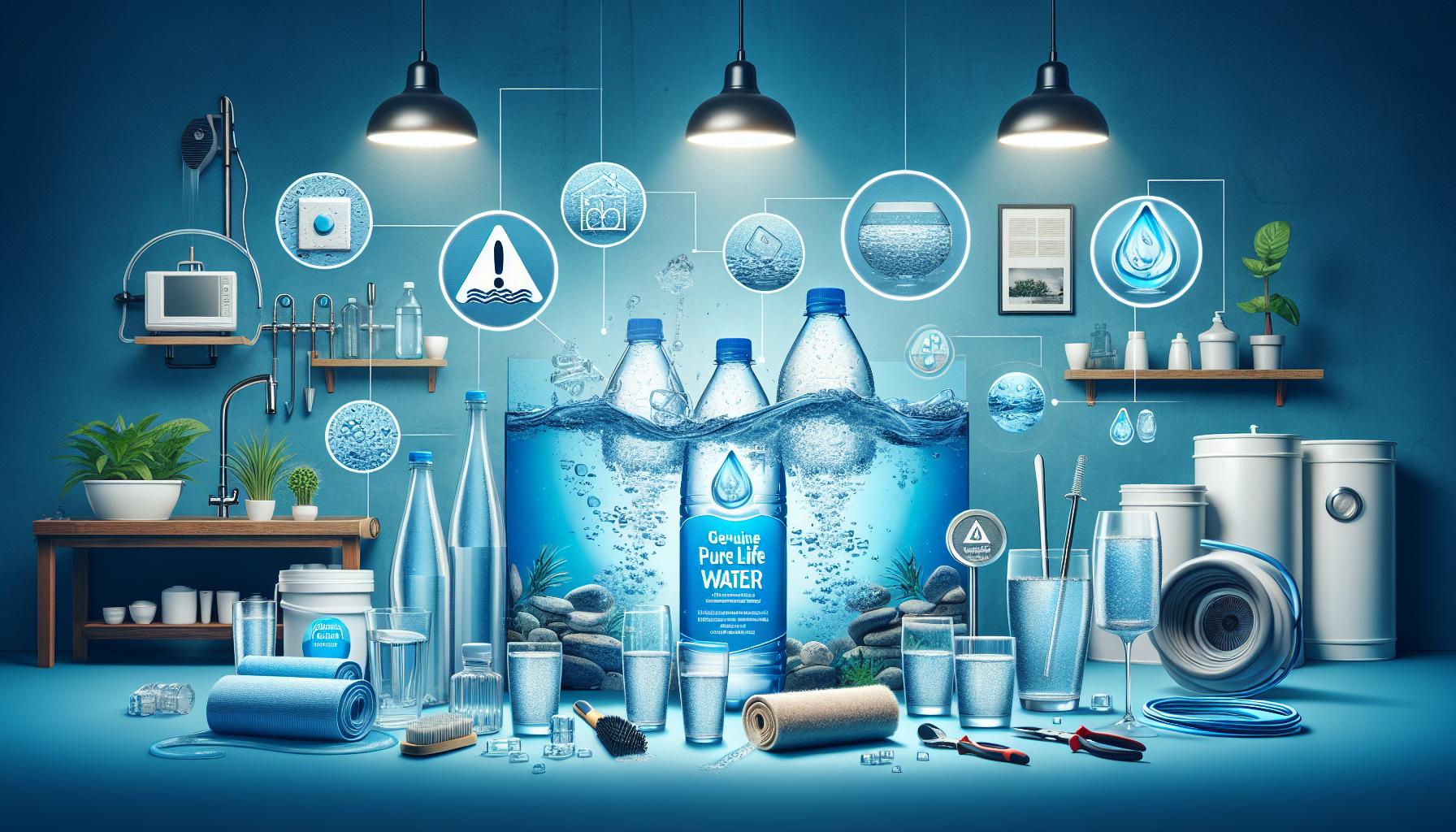
With increased awareness around hydration, the demand for bottled water has surged, leading to a concerning rise in counterfeit products. Understanding how to spot genuine Pure Life Water packaging is crucial to ensure you’re consuming a quality product. Authentic packaging not only guarantees the safety and taste integrity of the water but also supports health and environmental standards.
Key Features of Genuine Pure Life Water Packaging
When examining a bottle of Pure Life Water, keep an eye out for these definitive characteristics that indicate authenticity:
- Label Details: Genuine Pure Life Water bottles have a clean and crisp label design. Ensure that the logo is clear, with no smudges or signs of peeling. Check that the text is legible and that the packaging has no unusual discoloration.
- Material Quality: Authentic Pure Life bottles are made from recyclable plastics, specifically Polyethylene Terephthalate (PET #1) for smaller bottles and HDPE #2 for larger containers. Feel the bottle; genuine containers have a sturdy feel and correctly labeled recycling symbols.
- Seal Integrity: Look for an intact seal. The cap should securely fit without any gaps; counterfeit bottles may have weak seals that don’t hold properly.
- Expiration Date: Check for a clearly printed expiration date. Fake products often lack this detail or contain outdated information.
Where to Purchase Authentic Products
To reduce the risk of purchasing counterfeit water, only buy from reputable retailers or directly from the brand’s website. Popular convenience stores, supermarkets, and authorized online platforms provide assurances of product authenticity. Be cautious of deals that seem too good to be true; genuine products are rarely heavily discounted.
Trust Your Senses
Sometimes, the best way to spot a counterfeit is by using your senses. Pay attention to any unusual taste or smell after opening the bottle. Pure Life Water should have a neutral taste and a clean scent. If something seems off, it’s wise to err on the side of caution and dispose of the bottle.
By following these tips on how to identify genuine Pure Life Water packaging, you can ensure that you are consuming a safe and environmentally friendly product.
Decoding Labels: What to Look for on Pure Life Water Bottles

When purchasing bottled water, particularly Nestlé Pure Life, it’s crucial to know how to identify authentic products and spot potential counterfeits. Given the rise in both demand for bottled water and reports of contamination, understanding labels is essential. Counterfeit bottled waters may lack quality assurance, which can pose health risks. Here are some tips to help you decode the labels effectively:
Key Label Components to Examine
When inspecting a Nestlé Pure Life water bottle, consider the following aspects:
- Brand Logo: Ensure that the logo is clear and matches the official branding. Look for inconsistencies in font, color, or layout.
- Expiration Date: Genuine products will always have an expiration date printed on the label. Be wary of bottles that lack this information or have illegible dates.
- Bottling Information: Authentic bottles will typically feature details about the bottling location, including the company’s name and origin. Check for typographical errors or missing information.
- Ingredients List: Look for terms that showcase the water’s mineral content, such as calcium and magnesium. If the ingredients are vague or missing, it might indicate a counterfeit.
Visual and Tactile Features
Another layer of verification involves the physical aspects of the bottle. Real Nestlé Pure Life water bottles are made from sturdy, quality plastic and should feel smooth to the touch. Inspect for:
- Packaging Integrity: Ensure the bottle is sealed properly. Any signs of tampering or defects can signal a problem.
- Label Quality: The label should be firmly attached without bubble or lift marks. Poor-quality prints may indicate counterfeit products.
Research and Reviews
Beyond label inspections, leveraging community feedback is an invaluable tactic. Search for reviews and complaints about specific retailers or vendors. Real-world experiences can shed light on whether you’re looking at trustworthy sources:
| Source | Notes |
|---|---|
| Local Store Reviews | Check online for consumer feedback on bottled water quality. |
| Social Media | Forums often highlight counterfeiting issues and can guide you on where to buy safely. |
By focusing on these key elements when examining Nestlé Pure Life bottles, you bolster your chances of avoiding counterfeits. These practical steps not only help you stay informed but ensure that you are consuming safe, high-quality water.
Common Tactics Used by Counterfeiters in the Water Industry
Counterfeit products in the water industry pose a significant risk, particularly for consumers who rely on effective water filtration systems. The alarming reality is that many counterfeit water filters can look remarkably similar to legitimate products, misleading consumers into purchasing ineffective or even hazardous alternatives. This deception is often enhanced by fraudulent marketing tactics that exploit well-known brands, making it essential for consumers to be vigilant and informed.
Common Tactics Used by Counterfeiters
Counterfeiters employ a variety of strategies to deceive consumers in the water industry. Here are some prevalent tactics to watch out for:
- Imitating Brand Identity: Many counterfeit filters use identical branding, packaging, and logos of reputable manufacturers. This tactic makes it difficult for consumers to distinguish between authentic and counterfeit products without careful inspection.
- Substandard Materials: Genuine water filters are constructed from high-quality, dense filtering materials that are heavier. Counterfeit products often use inferior, lighter materials that compromise efficacy and safety.
- Misleading Claims: Counterfeit filters often include false claims regarding their filtration capabilities. For example, they might promise to reduce contaminants effectively, but independent laboratory testing frequently reveals they are incapable of doing so or may even add harmful substances to the water.
- Underpricing: A significantly lower price can be a red flag. Many consumers are drawn to bargains, but when the price of a water filter seems too good to be true, it often is. Genuine brands maintain consistent pricing to cover their production and testing costs.
- Lack of Certification: Reputable water filters are usually certified by recognized standards organizations. Counterfeit products may lack these certifications, signifying they haven’t undergone rigorous testing for safety and performance.
Recognizing these tactics is crucial as consumers navigate the market to find trustworthy water filtration solutions. For those wondering, “Is there a fake Pure Life Water?” the answer is, unfortunately, yes. The presence of counterfeit products underscores the importance of due diligence when selecting water filters. Consumers are encouraged to buy from reputable retailers and directly from trusted manufacturers when possible to avoid the dangers of counterfeit water products.
Where to Buy Pure Life Water Safely and Securely
When it comes to purchasing bottled water, consumers often prioritize quality, safety, and authenticity. Pure Life Water is a popular choice, but the proliferation of counterfeit products can lead to concerns over safety and source reliability. To ensure that you are buying genuine Pure Life Water, consider shopping at trusted retailers and being vigilant about where you make your purchases.
Authorized Retailers
One of the best ways to guarantee that you are buying authentic Pure Life Water is to purchase from authorized retailers. Look for:
- Major supermarket chains
- Well-known convenience stores
- Multi-national online marketplaces like Amazon or Walmart
- Nestlé’s official website or affiliated online shops
Always check the product packaging for trademark logos and any certifications that denote authenticity.
Online Shopping Tips
If you prefer to buy Pure Life Water online, take extra precautions to avoid scams. Here are some actionable tips:
- Verify the seller’s credibility by reading reviews and checking ratings.
- Ensure the website is secure (look for “https” in the URL).
- Check for a clear return policy in case the product does not meet expectations.
- Beware of prices that seem too good to be true, as they often indicate counterfeit products.
Inspecting Packaging
Upon receiving your Pure Life Water, inspect the packaging carefully. Genuine products typically exhibit:
- Unblemished seals and labels without wear or discoloration
- Consistent bottle shape and design
- Clear, legible print on the label that includes detailed product information
If anything seems off, don’t hesitate to contact customer service for verification.
By following these guidelines, consumers can significantly reduce the chances of purchasing fake Pure Life Water and ensure they enjoy the quality they expect from the brand. Staying informed and cautious will go a long way in spotting counterfeits and securing your hydration needs.
The Importance of Reporting Suspicious Water Products
The purity of bottled water is paramount to consumer health and safety, yet incidents of counterfeit or substandard products can compromise this trust. As consumers, being vigilant about the water we purchase, especially brands like Pure Life, is crucial given recent reports that have raised alarm bells. In particular, a class action lawsuit has highlighted the potential risks associated with certain bottled waters purportedly contaminated with microplastics, presenting a pressing need for consumers to report any suspicious products they encounter.
Understanding the Risks
The findings from a study conducted at the State University of New York in Fredonia revealed alarming levels of microplastics in bottled water, including Pure Life. With one analysis reportedly uncovering over 10,000 microplastic particles per liter, this raises significant health concerns. Each bottle consumed could contribute to potential health risks, leading to the imperative of reporting any bottles you suspect may not meet safety standards.
How to Report Suspicious Products
When encountering questionable bottled water products, there are clear steps consumers can take to report these incidents effectively:
- Document the Details: Take note of the brand, batch number, and any observable inconsistencies in the packaging or taste.
- Contact Regulatory Bodies: Reporting to the FDA or your local health department can initiate investigations into the products in question.
- Utilize Online Platforms: Websites such as the FTC’s ReportFraud.ftc.gov can be instrumental in reporting fraud related to food and beverage products.
The Collective Impact of Reporting
By reporting suspicious water products, consumers not only protect themselves but also contribute to broader public health initiatives. Alerting authorities enables them to take action, whether through recalls, further testing, or launching investigations to ensure that products like Pure Life conform to safety standards. Every report counts as a step towards consumer safety and accountability within the bottled water industry.
In a landscape beset with uncertainties regarding product authenticity and safety, remaining proactive and informed is vital. By identifying and reporting counterfeit or suspicious bottled water products, consumers play a crucial role in fostering a safer marketplace and sustaining the integrity of brands that they trust.
Consumer Awareness: Protecting Yourself from Counterfeit Water Products
Many consumers are unaware of the risks posed by counterfeit water products, which can lead to potentially hazardous consequences for their health and safety. In recent years, the rise of counterfeit goods has become a growing concern, particularly in the water filtration industry. These counterfeit products often fail to meet safety standards and can contain harmful contaminants. As consumers, it’s crucial to remain vigilant and informed about how to identify authentic products to protect ourselves and our families from the dangers associated with counterfeit items.
Recognizing Genuine Water Products
Being able to distinguish between authentic and counterfeit water products can safeguard your health. Here are some practical tips to help you identify genuine water filtration systems:
- Check Certifications: Look for well-known certification marks, such as NSF or WQA, on the product packaging. Counterfeit products often bear fake certification labels that are not supported by testing.
- Research Brands: Stick to reputable brands and suppliers. Investigate the manufacturer’s history, customer reviews, and their adherence to safety standards.
- Buy from Authorized Retailers: Purchase products from trusted retailers, whether online or in-store. Avoid third-party sellers that may not guarantee authenticity.
- Inspect Packaging: Counterfeit products often have poor packaging quality. Look for misspellings, low-resolution images, or inconsistent branding.
Understanding Product Types
Different types of water filtration products can also pose unique risks:
| Product Type | Counterfeit Risks |
|---|---|
| Replacement Filters | May lack proper filtration, allowing contaminants through. |
| Under Sink Systems | Could contain substandard materials leading to leaks or inefficiency. |
| Residential Water Treatment Systems | May not be tested, posing health risks from unfiltered water. |
Understanding the specific risks associated with counterfeit water products is essential. For instance, during a 2018-2019 investigation, significant quantities of counterfeit refrigerator filters with false NSF certifications were seized, which highlights the prevalence of fake products in the market【3】. By staying informed and implementing these practical steps, consumers can better protect themselves and effectively combat the issue of counterfeit water products.
Faq
Is There a Fake Pure Life Water? How Can I Spot Counterfeits?
Yes, fake Pure Life Water does exist. To spot counterfeits, check for packaging inconsistencies, misspellings, or unusual labels. Authentic Pure Life® products have clear markings and consistent branding.
When purchasing bottled water, particularly online or via third-party sellers, be vigilant. Ensure the seller is authorized. Always inspect the packaging for any signs of tampering. Authentic products usually have a distinct taste and odor that counterfeits may lack.
What Should I Look for on the Pure Life Water Label?
Examine the label closely for authenticity. Legitimate Pure Life Water labels include the brand logo, bottling location, and a UPC code.
A genuine label should also list ingredients accurately. For instance, Pure Life® Purified Water indicates added minerals. Be cautious of labels that are poorly printed or have inconsistent font sizes, as these are often signs of counterfeit products.
Why Does Pure Life Water Use Ozone?
Pure Life Water uses ozone to ensure quality and freshness. Ozone treatment helps eliminate harmful bacteria and enhances the safety of the water.
Unlike chemicals, which may leave residues, ozone naturally dissipates shortly after use, resulting in a cleaner taste. Understanding these methods can help you recognize authentic products versus those that may use inferior filtration techniques.
Can I Trust Water from a Third-Party Seller?
Purchasing from authorized sellers is crucial for quality assurance. Always verify that the retailer is officially recognized by Pure Life.
Counterfeit products are often sold through unverified channels. If the price seems too low or the seller is not widely recognized, approach with suspicion. You can find a list of authorized sellers on the Pure Life website.
How Does Pure Life Ensure Water Quality?
Pure Life employs rigorous testing to maintain water quality. The brand conducts regular quality checks and ensures that every batch meets health standards.
Understanding their quality assurance is essential for distinguishing genuine products. Pure Life’s commitment to safe and clear water includes routine inspections of both the source and the bottling processes, which helps prevent counterfeiting.
What Should I Do if I Suspect I’ve Purchased Fake Pure Life Water?
If you suspect fraud, report it immediately. Contact Pure Life’s customer service to verify your findings and seek guidance.
Keep the packaging for reference. This helps the company understand counterfeit activity and protect other consumers. Additionally, share your experience online to inform others about suspicious sellers.
Where Can I Find More Information About Pure Life Water?
Visit the official Pure Life website for reliable information. There, you can explore product offerings and learn more about their safety standards.
Finding trustworthy resources helps in identifying genuine products. For further questions, check the Pure Life FAQs for reassurance about your water choices.
To Conclude
In conclusion, spotting counterfeit Pure Life Water products is crucial for ensuring your safety and health. Look for inconsistencies in packaging, weight, and certification labels to identify fakes. Genuine products use proper technology to filter contaminants, while counterfeits may expose you to harmful substances. For your well-being, always purchase from reputable sources and be vigilant about what you bring home. We encourage you to explore more about water safety and filtration options on our site, empowering you to make informed choices and safeguard your hydration needs!