


Wondering why your home has two water softener tanks? This common setup enhances efficiency and ensures a continuous supply of softened water, preventing interruptions during regeneration cycles. Understanding the benefits of dual tanks can help you maintain your plumbing systems and enjoy cleaner, longer-lasting appliances, making it essential knowledge for homeowners.
Understanding the Basics of Dual Water Softener Tanks
Understanding the mechanics behind dual water softener tanks reveals much about efficient water treatment systems. For homeowners grappling with hard water, exploring the advantages of having two tanks can significantly enhance your understanding of water softening technologies. While a single tank can get the job done, a dual tank system often offers increased reliability and performance.
How Dual Water Softener Tanks Work
In a dual tank water softener setup, two tanks operate in tandem to ensure you always have access to softened water. One tank is actively softening the water, while the other is in regeneration mode. This alternating cycle means that when the active tank reaches its capacity for removing hardness minerals, the system seamlessly switches over to the second tank, allowing the first one to rejuvenate without interrupting your water supply.
- Continuous Water Supply: Dual tanks provide a constant flow of softened water, making them ideal for larger households or properties with high water usage.
- Improved Efficiency: Regeneration cycles are typically less frequent, leading to lower salt and water usage.
- Longevity: With less wear and tear on each individual tank, the overall lifespan of the softening system increases.
Benefits of Using Two Water Softener Tanks
Incorporating two tanks into your water softener system offers several key benefits that can enhance your home’s overall water quality. The switch between tanks means that softening cycles are practically imperceptible – you won’t notice a dip in water quality during peak usage times.
| Benefit | Description |
|---|---|
| Scalability | Dual tanks can handle larger volumes, making them suitable for expansion if your water needs increase. |
| Cost-Effective | While the initial investment may be higher, the long-term savings in maintenance and salt usage can be substantial. |
| Environmental Impact | More efficient use of resources minimizes waste and contributes to eco-friendly practices. |
Understanding the configuration and advantages of dual water softener tanks can guide you in making informed decisions about your water treatment options. Whether you’re considering an upgrade or simply curious about the benefits of your existing system, recognizing the value of these setups can lead to improved water quality and heightened satisfaction in your home.
How Dual Tanks Enhance Water Softening Efficiency
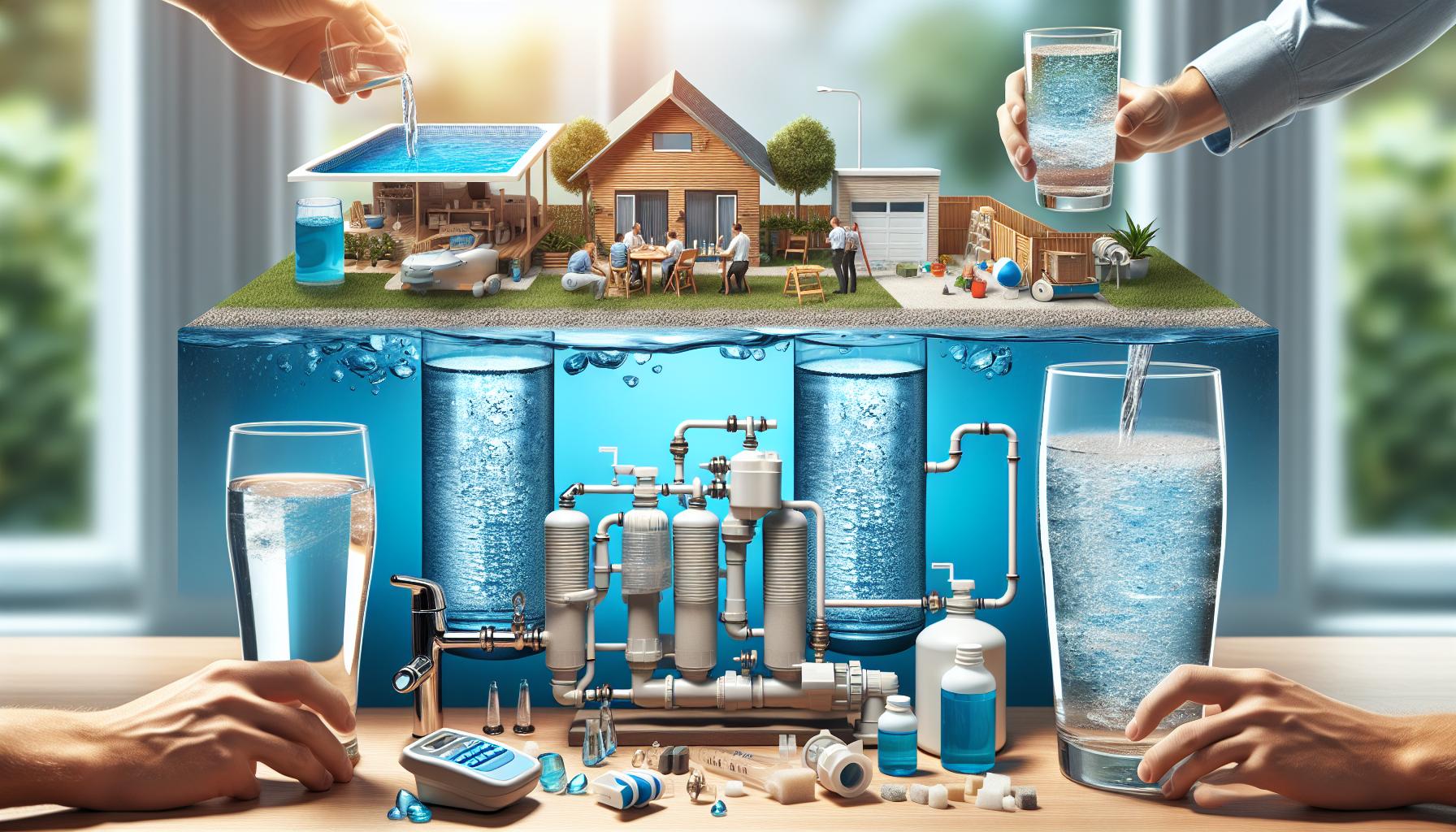
The efficiency of water softening systems significantly improves when employing dual tank setups, a configuration increasingly favored in modern water treatment solutions. These systems are engineered to maximize performance, providing softened water consistently while minimizing downtime. When exploring the dynamics of two water softener tanks, the benefits become clear, particularly in terms of regeneration and continuous performance.
Continuous Supply of Softened Water
One of the most notable advantages of dual tank systems is their ability to ensure an uninterrupted supply of softened water. In traditional single-tank setups, the system must halt water delivery during the regeneration process. In contrast, dual tank configurations operate with one tank actively softening water while the other is undergoing regeneration. This duality guarantees that homeowners never experience the inconvenience of hard water, especially during peak usage periods.
- Example of Usage: Consider a household using large amounts of water for showers and laundry in the morning. In a dual tank setup, while one tank regenerates, the other is fully equipped to provide softened water, thus avoiding any interruptions to daily routines.
Enhanced Regeneration Efficiency
Regeneration in water softeners is the process by which the system cleanses itself of accumulated hardness minerals. Dual tank systems optimize this process, as regeneration can be scheduled more flexibly. When one tank completes its cycle, it can be ready to soften water at a moment’s notice, allowing for scheduled regenerations during off-peak times, such as late at night when water demand is lower. This not only improves efficiency but also conserves salt and water used during the regeneration phase, making the system more eco-friendly.
| Benefit | Description |
|---|---|
| Uninterrupted Supply | One tank operates while the other regenerates, ensuring a steady flow of softened water. |
| Optimized Regeneration | Flexible scheduling allows regeneration during off-peak hours, conserving resources. |
| Improved Lifespan | Less strain on individual tanks reduces overall wear and tear, extending system life. |
Cost-Effective Water Softening
Employing two water softener tanks not only elevates efficiency but also promotes cost savings over time. By maximizing regeneration efficiency and reducing water and salt wastage, households can lower their monthly bills. Additionally, the extended lifespan of dual tank systems translates to reduced maintenance and replacement costs. Investing in a dual tank water softener can thus yield significant returns, enhancing home comfort while being gentle on the wallet.
Understanding the operational advantages of why dual water softener tanks are becoming a standard can lead to informed choices that significantly impact the quality of household water. Whether dealing with high mineral content or striving for optimal water quality, embracing the dual tank system is a strategic decision in modern water treatment.
The Role of a Backup Tank in Continuous Water Softening
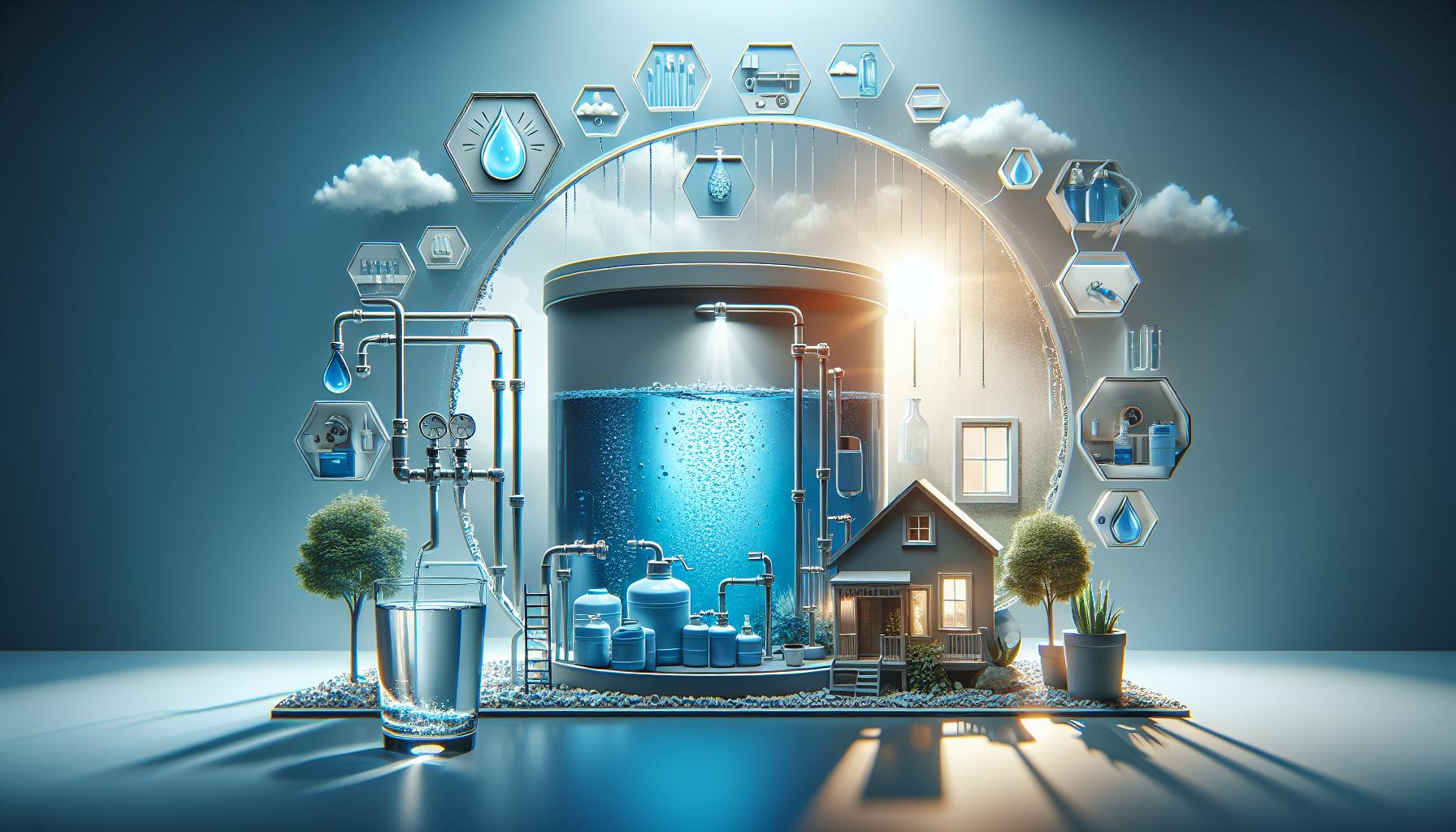
Having a continuous supply of softened water is essential for many households, particularly in areas plagued by hard water. This necessity drives the design of dual tank water softener systems, where one tank serves as a backup for the other. This arrangement not only bolsters efficiency but also enhances the overall effectiveness of water softening.
The Continuous Softening Process
In a dual-tank water softening system, the primary tank handles the softening process while the second tank stands ready to kick in when needed. This configuration is a game-changer for households that use significant amounts of water throughout the day. Here’s how it works:
- Primary Tank Operation: The first tank actively removes minerals like calcium and magnesium from your water supply. This process ensures that water is consistently softened and ready for immediate use.
- Switching Mechanics: When the primary tank becomes exhausted, signaling the need for regeneration, the system automatically redirects water flow to the backup tank, which has been prepped and is fully operational.
- Regeneration Phase: While the second tank provides softened water, the first tank undergoes a regeneration cycle, replenishing its resin beads and resetting its capacity to treat hard water.
This seamless switch between tanks means you’ll never experience a drop in water quality or a sudden shortage, providing a level of uninterrupted service that single-tank systems simply cannot offer.
Benefits of the Backup Tank
Utilizing a backup tank comes with several benefits that enhance the functionality of your water softening system:
- Consistent Softness: With two tanks, the water remains consistently soft, even when demand is high, eliminating sudden fluctuations in water quality.
- Increased Efficiency: Dual tanks can often reduce the time a tank spends in regeneration, allowing for a more efficient use of water and salt, ultimately lowering monthly costs.
- Longevity of Equipment: By reducing the frequency of regeneration cycles on each unit, the lifespan of your water softeners can be extended, ultimately saving you replacement costs.
Practical Considerations
When considering the implementation of a dual tank system, it’s essential to weigh your specific household needs. Analyze water usage patterns and discuss these with a water treatment specialist to determine if the investment will yield significant benefits for your situation. For many families, the convenience and reliability of having two water softener tanks far outweigh the initial setup costs, ensuring that they enjoy the comfort of soft water year-round without interruptions.
Key Advantages of Using Two Tanks for Household Water
Using two tanks for household water softening is more than just a matter of convenience; it significantly enhances water quality management in your home. For many homeowners wondering why they have two water softener tanks, the answer lies in the operational advantages that this dual-tank setup provides, particularly in ensuring a continuous supply of soft water while minimizing downtime for regeneration cycles.
Enhanced Efficiency
One of the primary benefits of employing two water softener tanks is the improved efficiency of the softening process. Instead of relying on a single tank that must regenerate periodically, a dual-tank system allows one tank to be in service while the other undergoes regeneration. This leads to:
- Continuous Water Supply: With one tank always ready to soften incoming water, you benefit from an uninterrupted flow of softened water, crucial for households with high water demands.
- Reduced Downtime: The impact of downtime during regeneration is virtually eliminated, meaning your appliances and fixtures receive optimal water conditions at all times.
Improved Water Quality
Another important aspect of utilizing two tanks is the assurance of maintaining high water quality. Often, water softeners can lose efficiency as the resin inside becomes saturated with hardness minerals. By using two tanks, you can ensure:
- Consistent Performance: While one tank is regenerating, the other remains operational, allowing for consistent performance and effective removal of hard minerals.
- Longer Lifespan of Equipment: With more balanced operation and less continuous strain on a single tank, the lifespan of both water softeners can be extended, minimizing repair costs and replacement frequency.
Cost-Effectiveness Over Time
Though the initial investment in a dual-tank water softening system may be higher, the long-term cost benefits are significant. You’ll find savings in various areas such as:
| Cost Factor | Single Tank System | Dual Tank System |
|---|---|---|
| Regeneration Frequency | Higher | Lower |
| Water and Salt Usage | Higher | More Efficient |
| Appliance Maintenance | More Frequent | Reduced |
In summary, understanding the reasons behind having two water softener tanks can help you appreciate the complexities of managing household water. Not only does it enhance water efficiency and quality, but it can also lead to significant savings in maintenance and operational costs over time. With this knowledge, homeowners can make informed decisions about their water softening systems and enjoy the myriad benefits of always having access to soft water.
Maintenance Tips for Your Dual Water Softener System
Regular maintenance of your dual water softener system is essential for maximizing efficiency and prolonging its lifespan. Equipped with two tanks, these systems can provide continuous soft water while one tank is regenerating. However, this feature necessitates additional care to ensure both tanks operate smoothly. Understanding how to properly maintain each component of your dual tank system will help prevent issues and enhance performance.
Inspecting and Monitoring Salt Levels
One of the most critical aspects of maintaining your dual water softener is to regularly check the salt levels in each tank. Low salt levels can hinder the softening process and lead to hard water issues. Aim to inspect the salt levels at least once a month, and consider setting a reminder if your system has a large capacity. When the salt levels drop below a quarter full, it’s time to replenish them. Using high-purity salt will also help improve regeneration efficiency.
Cleaning the Brine Tanks
Over time, brine tanks can build up sludge or sediment that can impact your unit’s performance. It’s advisable to clean these tanks once a year. Begin by emptying the tank and rinsing it with clean water to remove any buildup. After rinsing, allow the tank to dry completely before refilling it with fresh salt. This simple step can prevent clumping and ensure your system works as intended.
Exercising Valves and Checking Components
Dual water softener systems have multiple valves that can become stiff or develop leaks over time. Regularly exercise the valves—typically monthly—by turning them to ensure they are functioning properly. It’s also beneficial to check the condition of the resin beads inside the tanks. If you notice a decrease in softening performance or a sandy residue in your fixtures, it may signal the need to replace the resin beads.
Utilizing a Water Softener Cleaner
Using a dedicated water softener cleaner every few months can enhance the efficiency of your system. These cleaners can remove mineral buildup in the resin and keep your water softener working effectively. Follow the manufacturer’s instructions for the best results, and incorporate this step into your regular maintenance routine.
By implementing these maintenance tips, you can ensure that your dual water softener system continues to provide the soft water benefits you’ve come to rely on. This proactive approach not only extends the life of your system but also enhances its overall performance, making it a vital part of your home’s water treatment strategy.
Addressing Common Myths About Water Softening Systems
The world of water softening is often surrounded by a mix of facts and misconceptions, leading many homeowners to question the effectiveness and necessity of these systems. One common myth is that water softeners simply replace calcium and magnesium ions with sodium ions, making your water salty and unhealthy. In reality, modern water softening systems are designed not to compromise water quality but to enhance it. The process involves an ion-exchange that significantly improves the taste of water and prolongs the lifespan of plumbing and appliances.
Understanding the Dual Tank System
Many people wonder, “Why do I have 2 water softener tanks?” The answer lies in the efficiency and effectiveness of the dual tank setup. This design features one tank dedicated to the softening process while the other regenerates. This means that while one tank is actively softening water, the other can be refilled with sodium or potassium ions, ensuring an endless supply of soft water. This arrangement mitigates the issue of downtime typically associated with single tank systems, where users might experience hardness in water during the regeneration phase.
Debunking Additional Myths
- Myth: Water softeners are only for well water users.
- Fact: Even municipal water systems can contain hardness, which can lead to scale buildup over time.
- Myth: Soft water is harmful for gardening and plants.
- Fact: While it’s true that excessive sodium can affect soil health, properly adjusted water softeners minimize this risk by using potassium as an alternative.
- Myth: All water softeners require a lot of maintenance and salt refills.
- Fact: Many modern systems, especially those with dual tanks, feature automated processes and use less salt due to efficient operation.
To further understand the benefits of dual tank systems, consider a scenario in which you’re preparing dinner. With a single tank setup, you could face the inconvenience of hard water during peak usage times, like cooking or cleaning. Conversely, systems with two tanks ensure that soft water is always available, enhancing your cooking experience and protecting your dishes from unsightly mineral spots.
Embracing the truth about water softening systems not only dispels misconceptions but also empowers homeowners to make informed decisions that contribute to overall home maintenance and comfort. By recognizing the benefits, particularly those of dual tank systems, you can better appreciate their role in improving water quality and protecting your home.
When to Consider Upgrading to a Two-Tank System
When considering the upgrade to a two-tank water softener system, it’s essential to evaluate your household’s unique needs and water usage patterns. Many homeowners are unaware that a single-tank system may not sufficiently meet higher demands, particularly in larger families or homes with multiple appliances that rely on treated water. Understanding the environmental and practical factors that necessitate a dual system can significantly enhance your water quality and system longevity.
Signs You Need a Two-Tank System
There are several indicators that your current single-tank water softener isn’t meeting your needs effectively:
- High Water Usage: If your household exceeds 70 gallons of water per day per person, a two-tank system can deliver a continuous flow of softened water without interruption.
- Frequent Regeneration Cycles: If you find your softener frequently regenerating and you’re still experiencing hard water issues, it may be time for an upgrade.
- Issues with Water Pressure: A noticeable dip in water pressure during peak usage times can indicate that a dual system would be beneficial.
- Multiple Water-Dependent Appliances: Houses equipped with dishwashers, washing machines, and shower systems designed for softened water to function optimally should consider a two-tank approach.
In practical terms, a two-tank system works by employing one tank to soften water while the other regenerates, providing an uninterrupted supply of softened water. This seamless operation can be particularly advantageous in busy households or those with active lifestyles, where access to soft water is constant and undeterred.
Cost vs. Benefit Analysis
Upgrading to a two-tank system comes with initial costs, but the long-term benefits often outweigh these expenses. Consider the following factors in your cost vs. benefit analysis:
| Factor | Single-Tank System | Two-Tank System |
|---|---|---|
| Cost of System | Lower | Higher |
| Maintenance | More Frequent | Reduced |
| Water Softening Efficiency | Variable | Consistent |
| Access to Soft Water | Intermittent | Continuous |
Evaluating these factors in light of your family’s daily demands can assist you in making an informed decision. Ultimately, moving to a dual-tank system could pave the way for improved home comfort and water quality, reflecting the wise choice of many homeowners who grapple with hard water challenges regularly.
FAQ
Why Do I Have 2 Water Softener Tanks?
You may have two water softener tanks to improve efficiency and ensure a _continuous_ water supply. The first tank softens water while the second tank regenerates, optimizing performance and providing softened water without interruption.
This system is often referred to as a dual-tank water softener. When one tank is actively softening water, the other is in the regeneration phase, which usually involves flushing out minerals and replenishing sodium or potassium. This setup not only increases the overall efficiency but also reduces downtime, ensuring you have a reliable source of soft water.
What are the benefits of having two water softener tanks?
Having two water softener tanks offers numerous benefits, including _uninterrupted_ water supply and enhanced efficiency. The dual-tank system allows one tank to regenerate while the other is in use, ensuring you always have access to softened water.
Additionally, this setup typically requires less frequent maintenance, as each tank operates independently. This means less wear and tear on the units and potentially longer lifespan. For a deeper understanding of water softener systems, you can explore more about different types of water softeners.
How does a dual-tank water softener work?
A dual-tank water softener operates by alternating between two tanks. One tank handles the softening process while the other regenerates during the off cycle, allowing for _seamless operation_ and consistent water quality.
The softening process involves exchanging hard minerals like calcium and magnesium with sodium ions. Once the first tank is saturated with minerals, the system switches to the second tank, allowing the first tank to regenerate, making it ready for the next cycle. This efficient process prevents any downtime in water supply, which is especially important for larger households.
Can I install a dual-tank water softener myself?
While it is possible to install a dual-tank water softener yourself, it requires some plumbing knowledge and tools. If you’re familiar with basic plumbing, you could handle a DIY installation; however, hiring a professional is often recommended for optimal results.
Professional installation ensures that all connections are secure and that the system is calibrated correctly for your home’s needs. This can save you time and prevent potential problems. If you’re considering installation, check out our guide on installing water softeners for more comprehensive help.
How often should I regenerate my dual-tank water softener?
The regeneration frequency of your dual-tank water softener depends on your household’s water usage and the hardness of your water. Typically, units regenerate every 5 to 7 days, but it may vary based on these factors.
For households with high water consumption or very hard water, more frequent regeneration may be necessary. Most modern units come with a timer or metered system that automatically adjusts regeneration schedules. Regularly checking your water softener’s settings will help ensure optimum performance and efficiency.
What happens if one tank fails?
If one tank of your dual-tank water softener fails, the other tank will continue to provide softened water, but the system’s efficiency will be compromised. It’s advisable to address the malfunction promptly.
When one tank fails, you can experience decreased water quality as the active tank may not fully handle the demand. It’s vital to also check for any alerts or indicators on the system. Regular maintenance can help identify issues before they lead to failures.
Why should I choose a dual-tank system over a single-tank system?
Choosing a dual-tank system over a single-tank system offers distinct advantages in terms of _efficiency_ and constant availability of softened water. Dual-tank units regenerate while still delivering softened water.
This means no waiting for the unit to recharge, which can be particularly beneficial during times of high demand or for larger families. Although dual-tank systems can be more expensive upfront, the long-term benefits in performance and reliability often outweigh the initial costs.
In Summary
In conclusion, understanding why you have two water softener tanks can significantly enhance your water quality and home comfort. These dual-tank systems ensure a continuous supply of soft water, allowing one tank to regenerate while the other is in use, which prevents disruptions in service. Additionally, having multiple tanks can improve the effectiveness of your water softening process, leading to greater energy efficiency and reduced wear on your appliances. As you explore further, consider how investing in a two-tank system can benefit not only your water usage but also your overall home environment. Dive deeper into the world of water softening and discover the best solutions for your needs. Your journey to better water starts here!


