


When deciding between using filtered water and distilled water, many wonder which option best meets their needs. While filtered water effectively removes impurities and enhances taste, distilled water’s unique purification process leaves behind essential minerals. Understanding the pros and cons of each can greatly influence your health, cooking, and appliance longevity. Discover the best uses for both types to make an informed choice.
Understanding the Differences Between Filtered Water and Distilled Water
Knowing the differences between filtered water and distilled water can be crucial, especially when considering their uses in daily life and specific applications. Both types of water go through processes to remove impurities, but they achieve this in fundamentally different ways and to varying degrees.
Filtered water is produced through filtration systems designed to remove contaminants such as chlorine, sediment, and heavy metals, resulting in water that is cleaner and safer to drink. This type of water retains beneficial minerals, making it taste more appealing than tap water. It is commonly used for drinking and cooking, thanks to its generally more pleasant flavor compared to untreated municipal supplies. Typical filtration processes include activated carbon filters, reverse osmosis systems, and more, each varying in efficiency based on the type of filter used.
On the other hand, distilled water undergoes a more rigorous purification process. Distillation involves boiling water to create steam, which is then condensed back into liquid form, leaving almost all impurities—like minerals, chemicals, and contaminants—behind. This process results in exceptionally pure water, making distilled water ideal for uses requiring minimal contamination, such as in medical settings, laboratory experiments, or when preparing certain types of devices (like steam irons) where mineral buildup can be problematic.
When deciding whether to use filtered water instead of distilled water, consider the specific requirements of your task or diet. For general hydration and cooking needs, filtered water is usually sufficient and more palatable due to its retained minerals. However, in applications such as car batteries or certain laboratory settings, distilled water is preferable due to its purity. Understanding these differences can help clarify when to use each type, ensuring your choices align with your health, maintenance, or operational needs.
| Feature | Filtered Water | Distilled Water |
|---|---|---|
| Purity Level | Removes common contaminants, retains minerals | Extremely pure, removes nearly all impurities |
| Taste | More pleasant due to mineral content | Flat, little to no taste |
| Common Uses | Drinking, cooking | Medical applications, lab work |
| Preparation Process | Filtration system (carbon, reverse osmosis) | Boiling and condensation |
In conclusion, whether you should use filtered water instead of distilled depends on your individual needs and applications, helping you to optimize the quality and safety of your hydration and other uses.
The Benefits of Using Filtered Water in Your Daily Life
Filtered water has gained traction as a practical alternative for those wondering about the benefits and functionalities of different types of water sources. With the growing concern for health and wellness, many people are shifting towards using filtered water for their daily needs. Not only does it provide a cleaner and healthier drinking option, but it also offers various advantages that can significantly impact overall well-being.
Health Benefits
One of the primary reasons individuals opt for filtered water is its potential health benefits. Filtration systems can remove a variety of contaminants, including chlorine, heavy metals, and sediments, which are commonly found in tap water. This is particularly beneficial for families with young children or for anyone concerned about the safety of their drinking water. Consuming cleaner water can lead to a better hydration experience, enhanced digestion, and improved skin health.
- Removes impurities: Effective filtration can eliminate harmful substances that affect both taste and health.
- Reduces chlorine levels: Filtering out chlorine not only enhances taste but also eliminates potential health risks associated with long-term exposure.
- Less plastic waste: By choosing filtered water over bottled alternatives, you contribute to reducing plastic pollution.
Environmental Impact
Switching to filtered water also helps in reducing your environmental footprint. The demand for bottled water has a significant impact on our ecosystems, with plastic bottles contributing to landfills and ocean pollution. When you choose to use filtered water, you minimize waste and promote sustainability.
Comparison of Water Types
To help you better understand the differences in water options, the table below outlines some key characteristics of filtered water versus distilled water.
| Characteristic | Filtered Water | Distilled Water |
|---|---|---|
| Purity Level | Higher purity with certain contaminants removed | Pure water with all minerals and contaminants removed |
| Mineral Content | Contains beneficial minerals | No minerals; completely stripped |
| Taste | Generally more palatable | Flat taste due to lack of minerals |
| Best Uses | Drinking, cooking, and everyday use | Medical applications and laboratory use |
Incorporating filtered water into your daily routine not only ensures that you are drinking healthier water, but it also represents a more environmentally conscious choice. It’s a small change that can have a significant long-term impact on both personal health and the planet. For those asking, “Can I use filtered water instead of distilled?” the answer is often yes – with numerous advantages to support your choice.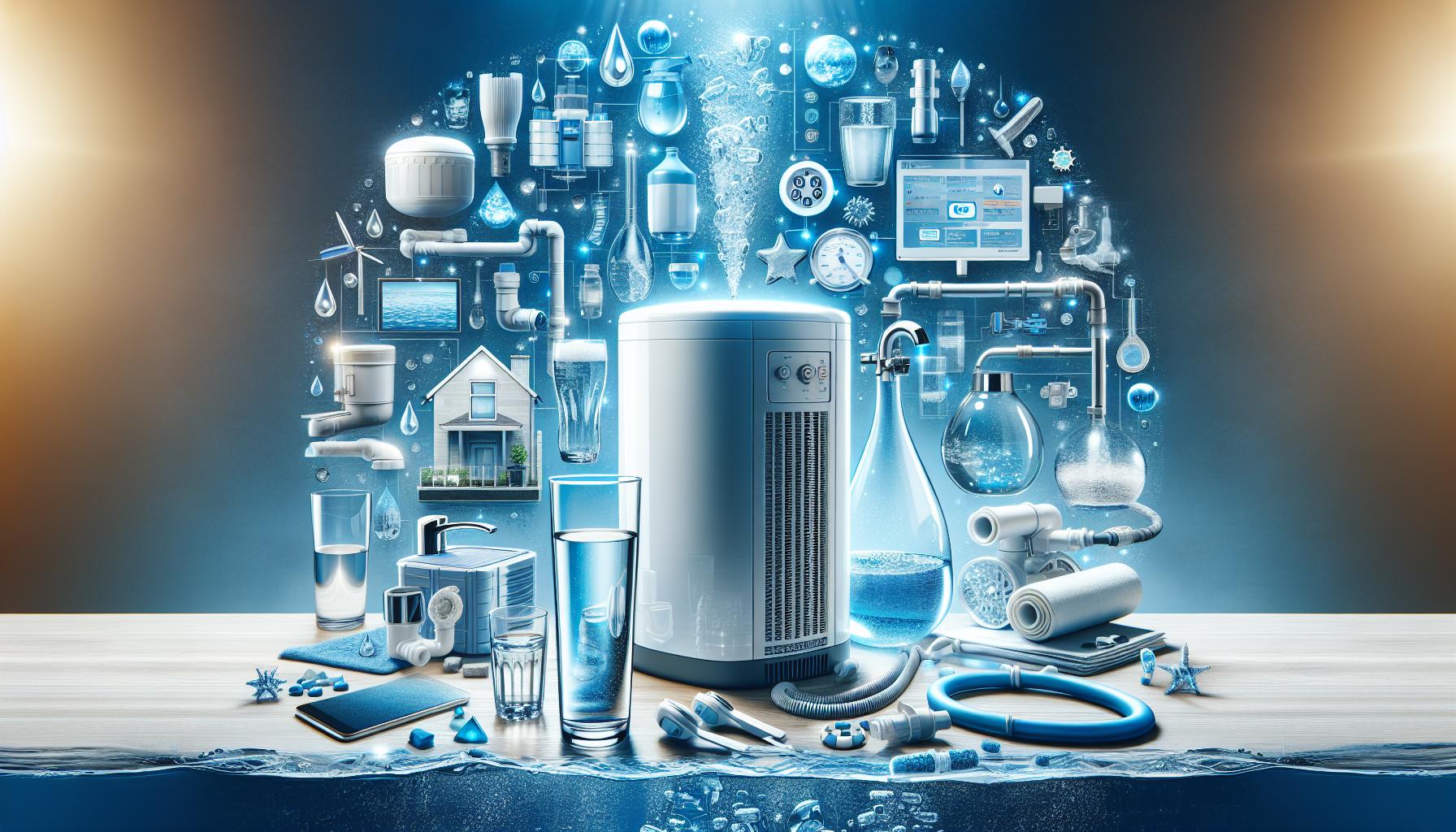
Potential Drawbacks of Relying on Filtered Water
While filtered water may seem like a convenient and viable substitute for distilled water, it is crucial to recognize the potential downsides of such a choice. Many individuals are unaware of the differences between these types of water, leading to confusion when it comes to appropriate applications. Understanding the limitations and risks associated with filtered water can help you decide whether to make the switch, especially if you’ve been questioning, “Can I use filtered water instead of distilled?”
Contaminant Concerns
Filtered water, although cleaner than tap water, doesn’t always reach the purifying standards set by distillation. Distilled water undergoes a rigorous process that removes minerals and contaminants, resulting in a high level of purity. In contrast, home filtration systems can sometimes retain harmful substances that they weren’t designed to eliminate. This is especially concerning when using filtered water in applications like laboratory settings or aquariums, where specific chemical balances are crucial.
Mineral Content Variability
Another significant drawback of filtered water is its unpredictable mineral content. If you’re using filtered water for a purpose that requires consistency, such as feeding certain plants or using it in respiratory devices, the fluctuating levels of minerals can be problematic. Distilled water offers reliable repetition in chemical composition, ensuring that every batch is the same. In contrast, using filtered water means that the mineral levels can vary even from one filter change to another, leading to inconsistent results.
Potential Bacterial Growth
The design and maintenance of water filtration systems can also impact water quality. When filters are not changed regularly or are used beyond their lifespan, they can become breeding grounds for bacteria. In some cases, stagnant water sitting in the filtration unit can lead to bacterial contamination, which is hazardous to health. Ensure that you follow the manufacturer’s guidelines regarding filter replacements to mitigate this issue if you opt for filtered water.
To better illustrate how filtered water differs from distilled water in key applications, consider the following table:
| Application | Filtered Water | Distilled Water |
|---|---|---|
| Laboratory Use | Not Suitable | Perfectly Suitable |
| CPAP Machines | Risk of Contamination | Safe and Recommended |
| Cooking | Variable Quality | Consistent Taste |
| Aquarium Water | Mineral Levels Uncertain | Ideal for Fish Health |
In conclusion, while filtered water can be an excellent choice for everyday consumption and certain household uses, its shortcomings in purity, mineral consistency, and potential contamination may outweigh the benefits in specialized applications. Thus, the decision on whether you can use filtered water instead of distilled largely depends on your specific needs and the context in which you intend to use the water.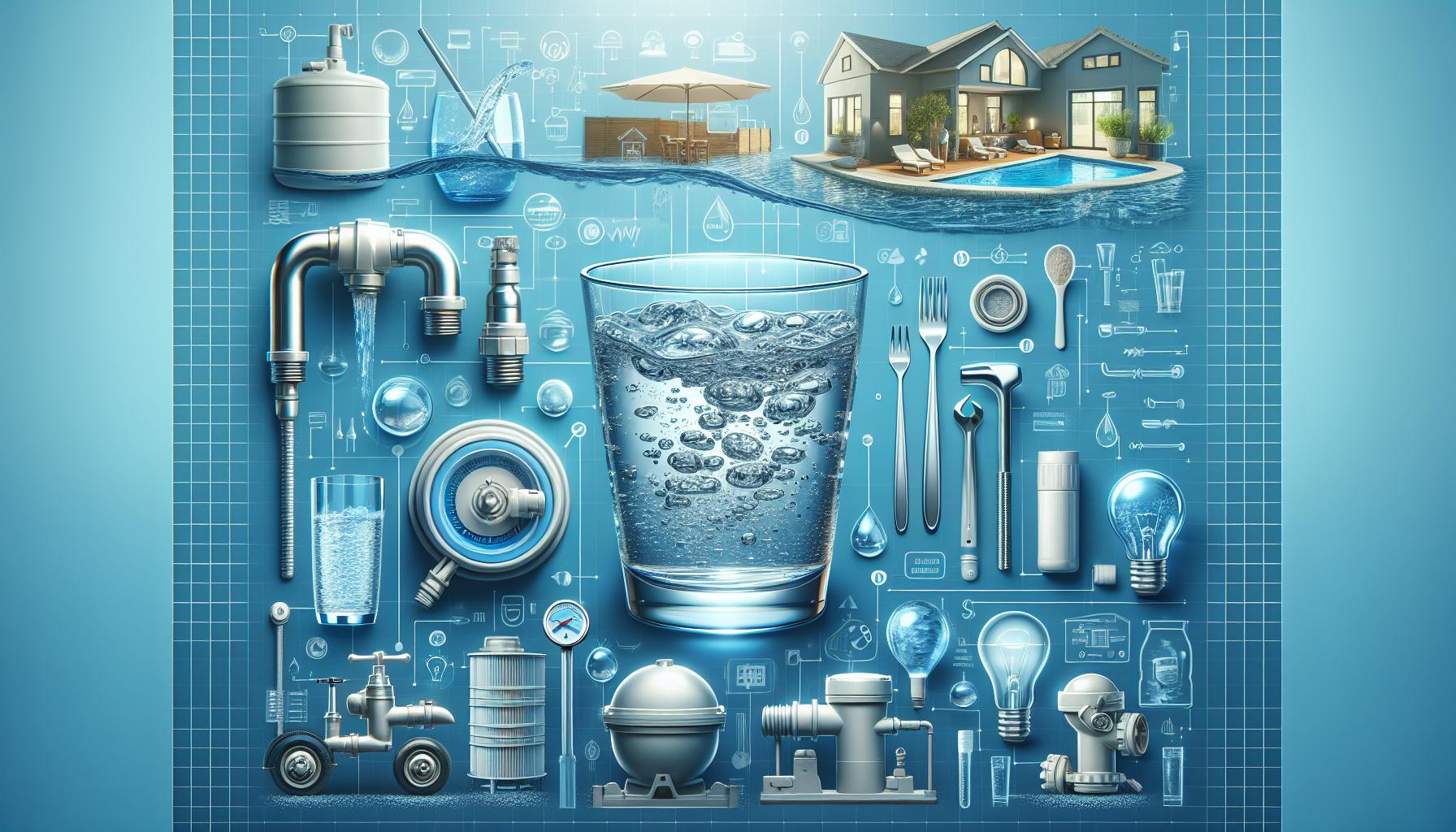
Ideal Applications for Distilled Water You Should Know About
When considering the best water types for various applications, the benefits of using distilled water often stand out. Not only is it free from minerals and impurities, but it also serves specific functions where other water types, like filtered water, may fall short. This distinction makes distilled water not just a matter of preference but a necessity in certain applications.
Applications Where Distilled Water Excels
Distilled water shines in several domains. Here are some of the most ideal applications:
- Medical and Laboratory Use: In hospitals and laboratories, distilled water is essential for diluting solutions, washing instruments, and preparing medications. Its purity minimizes contamination risks, making it the preferred choice in settings where precision is critical.
- Aquariums: Fish and aquatic plants thrive in environments devoid of chlorine and heavy metals, which can be present in tap water. Distilled water creates a safe habitat, facilitating a stable and healthy aquatic ecosystem.
- Steam Irons and Humidifiers: Using distilled water in steam irons prevents mineral buildup and extends the device’s lifespan, ensuring optimal performance. Humidifiers benefit similarly, as using distilled water minimizes the release of allergens and minerals into the air.
- Automobiles: Many automotive batteries require distilled water to maintain proper levels without risking mineral contamination that could shorten lifespan and performance.
Why Choose Distilled Water?
In some cases, using filtered water might seem convenient, but it often lacks the same level of purification necessary for delicate environments. Here’s a comparison of distilled water versus filtered water regarding crucial applications:
| Application | Distilled Water | Filtered Water |
|---|---|---|
| Laboratory Testing | ✓ Ideal for experiments requiring high purity | ✗ May contain residues and minerals |
| Aquarium Use | ✓ Safe for aquatic life and plant health | ✗ May introduce harmful chemicals |
| Steam Generation | ✓ Prevents mineral buildup | ✗ Risk of scale formation |
| Automotive Batteries | ✓ Ensures long battery life | ✗ Can introduce contaminants |
Utilizing distilled water in the right contexts not only enhances performance but also ensures longevity in appliances and equipment. In any situation where purity is crucial, the question isn’t just, “Can I use filtered water instead of distilled?”—it’s “Why would I take that risk?” Making that choice wisely can save you headaches down the road.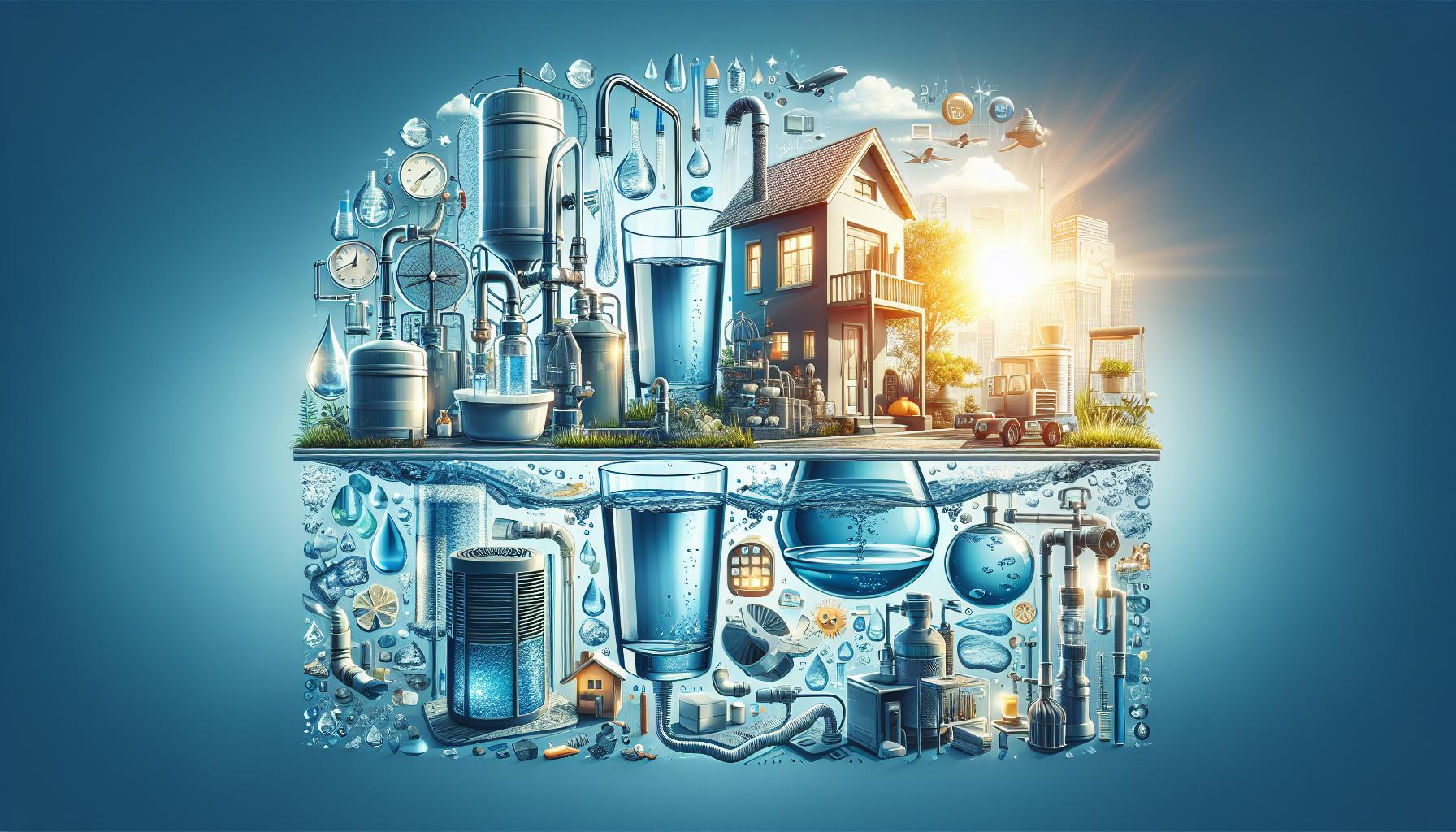
How to Choose the Right Water for Your Needs
When it comes to hydration and household chores, the quality of water you use can greatly impact the outcome. Understanding your specific needs can help you make a more informed decision about whether to rely on filtered water, distilled water, or a combination of both. Each type serves different purposes, and using the right kind can enhance results in cooking, cleaning, and even health.
Assessing Your Needs
Before diving into the decision-making process, it’s crucial to evaluate your requirements. Here are some questions to consider:
- What is the intended use? Are you cooking, watering plants, or filling up a humidifier?
- Do you have any specific health concerns? Are you looking for water free of chemicals or minerals due to dietary restrictions?
- What is the quality of your tap water? Have you tested it recently or do you rely on local reports?
By answering these questions, you can begin to pinpoint your specific water needs.
Filter vs. Distilled Water: Key Differences
Understanding how filtered water differs from distilled water can guide your choice. Filtered water is often treated to remove impurities, including chlorine, heavy metals, and some bacteria, making it ideal for drinking and cooking. On the other hand, distilled water undergoes a process where it is boiled and then condensed to remove nearly all minerals and impurities, producing exceptionally pure water.
Here’s a quick comparison:
| Feature | Filtered Water | Distilled Water |
|---|---|---|
| Mineral Content | Retains essential minerals | Virtually mineral-free |
| Taste | More palatable | Flat or bland taste |
| Uses | Drinking, cooking, plants | Medical applications, car batteries, certain cooking methods |
| Health Benefits | Improved hydration with minerals | Free of contaminants |
Making Your Choice
Once you’ve identified the primary use and the differences between water types, it’s easier to make an informed choice. For everyday consumption and cooking, filtered water is often the best option due to its enhanced taste and beneficial minerals. Conversely, if you need water for specific applications, such as in a laboratory setting or to prevent mineral buildup in appliances, distilled water might be necessary.
In summary, think about the tasks at hand. Whether pondering, “Can I use filtered water instead of distilled?” consider turning to distilled water for precision-based needs, while filtered water serves well for daily hydration and most cooking tasks. Making the right choice ensures you maintain a healthy lifestyle while achieving the best results in your home.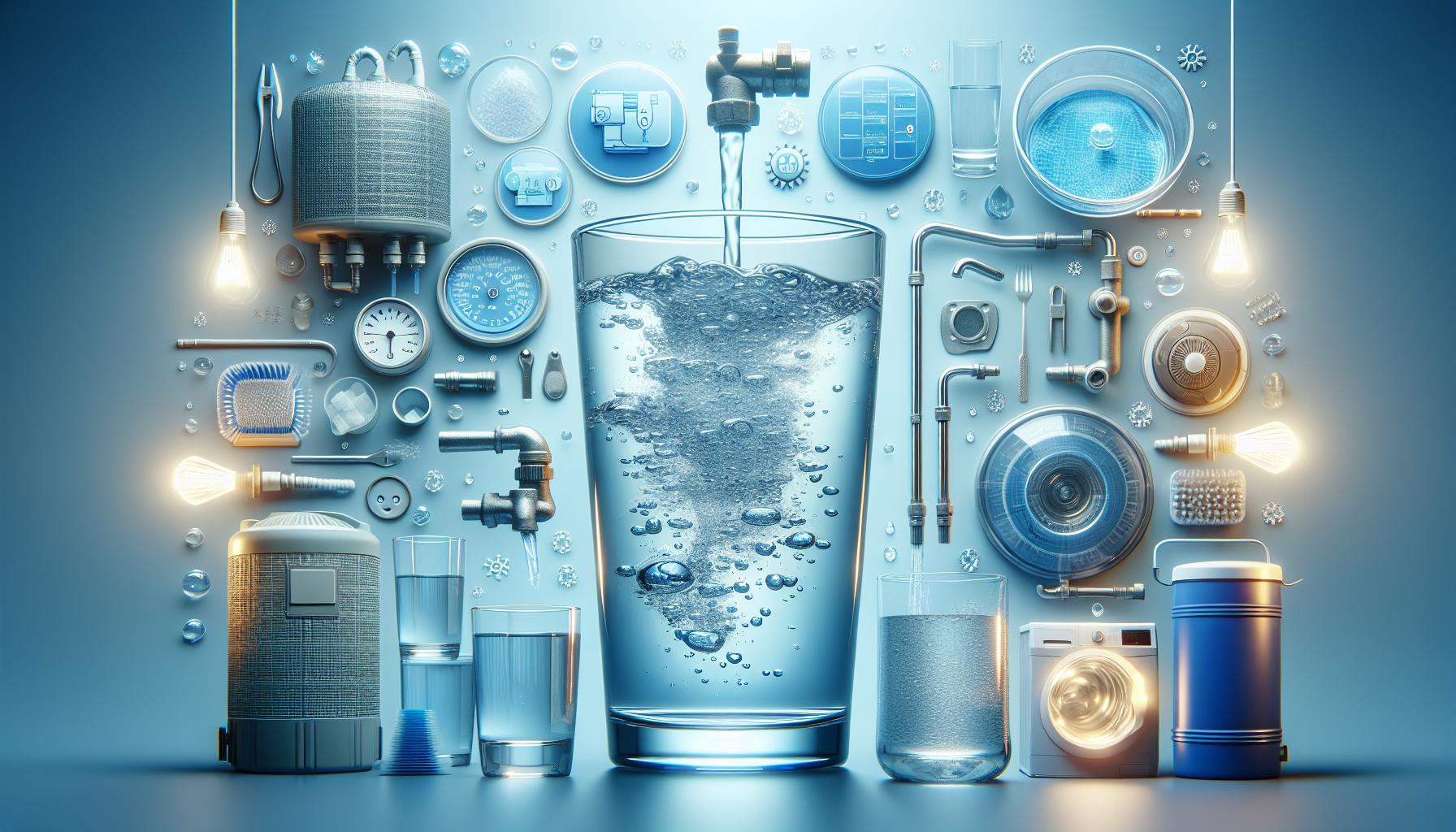
Expert Tips for Maximizing Water Quality at Home
Ensuring high water quality at home is crucial not only for health but also for enhancing the longevity of plumbing systems and appliances. With the rising awareness of contaminants, many homeowners are left pondering, “Can I use filtered water instead of distilled? Pros, cons, and best uses.” Understanding the nuances of these two types of water can help maximize your water quality and the overall safety of your household.
To begin, it’s essential to recognize the differences in purification methods. Filtered water is typically treated to remove impurities through various mechanical or chemical means, such as activated carbon filters, which can effectively eliminate chlorine, sediment, and certain heavy metals. In contrast, distilled water undergoes a process of boiling and condensation, which not only removes impurities but also provides a higher level of purity, eliminating minerals and potential pathogens. Therefore, for sensitive applications like medical devices or certain culinary endeavors where high purity is paramount, distilled water is often favored over filtered water.
Expert Tips for Selecting Water Types
- Assess Usage Needs: Identify where and how you intend to use the water. For drinking and cooking, filtered water is generally suitable, but for steam irons or humidifiers, distilled water is preferable to prevent mineral buildup.
- Regular Maintenance: If opting for a filtration system, ensure filters are changed regularly according to manufacturer guidelines. This maintains their efficacy and ensures water quality doesn’t diminish over time.
- Consider a Dual System: For maximal versatility, consider having both a filtration system and access to distilled water. This allows you to address a wide range of water quality needs effortlessly.
- Conduct Water Quality Tests: Regularly test your water to understand its current quality. Home testing kits are available that can check for common contaminants, helping you decide which water type is most appropriate for your needs.
Practical Applications
When addressing the query, “Can I use filtered water instead of distilled? Pros, cons, and best uses,” it’s important to apply this knowledge practically. For instance, if you’re brewing coffee or tea, filtered water can enhance flavor, while distilled water is suitable for creating solutions in scientific experiments where mineral content might skew results. Moreover, understanding the specific needs of your appliances is vital; using the right type of water can significantly reduce replacement costs and enhance performance.
Incorporating these strategies will help you harness the best qualities of both filtered and distilled water, ensuring your home remains a bastion of health and efficiency.
Addressing Common Misconceptions About Water Types
Many people frequently confuse different types of water, each with its own unique characteristics and purposes. Understanding these distinctions can prevent costly mistakes in usage and ensure optimal results in various applications. For instance, when considering the question of “Can I use filtered water instead of distilled?” it’s vital to dive deeper into what these waters are, how they are processed, and where they excel or fall short.
Understanding Filtered vs. Distilled Water
Though both filtered and distilled water are often touted as cleaner alternatives to tap water, they differ significantly in their purification processes and the contaminants they eliminate.
- Filtered Water: This type is typically created using a carbon filter or reverse osmosis process that removes impurities, including chlorine, sediment, and certain heavy metals. However, it may still contain minerals, microorganisms, or other potentially harmful elements that a filter doesn’t catch.
- Distilled Water: In contrast, distilled water is produced by boiling water and then condensing the steam back into a liquid. This process effectively removes most minerals and contaminants, leaving behind pure H2O. Thus, distilled water has a much lower level of total dissolved solids (TDS) compared to filtered water.
Addressing Specific Misconceptions
One common misconception is that all purified water is created equal. In reality, the method used to purify water determines its appropriateness for various tasks. For example, while filtered water might be sufficient for drinking, it may not be ideal for use in medical devices, such as CPAP machines, which often require distilled water to prevent mineral buildup and ensure optimal functioning.
Another assumption many people make is that filtered water, due to its filtering process, is entirely free of contaminants and therefore safe for all uses. However, certain pathogens and heavy metals can still slip through the cracks of conventional filtration systems, leading to potential health risks when used in sensitive applications like cooking or baby formula preparation.
| Water Type | Purification Method | Best Uses |
|---|---|---|
| Filtered Water | Carbon filter, reverse osmosis | Drinking, cooking, gardening |
| Distilled Water | Boiling and condensing steam | Medical devices, laboratories, electronics |
In conclusion, while the inquiry “Can I use filtered water instead of distilled?” raises valid points, the context of each water type’s intended application is crucial. By dispelling these misconceptions, consumers can make informed choices that not only favor their health but also enhance the performance of devices and processes relying on specific water types.
Practical Alternatives to Distilled Water You Can Consider
While distilled water is often favored for its purity, there are several practical alternatives that can serve your needs without compromising water quality. Understanding these options can help you to save time and resources while still achieving the desired outcomes in various applications—from everyday use to specialized tasks.
Filtered Water
Filtered water is one of the most straightforward alternatives to distilled water. Utilizing a home water filter system enhances the taste and removes contaminants such as chlorine, heavy metals, and sediments. However, it may not eliminate all dissolved solids, so it’s essential to consider the specific filter type. For example, a reverse osmosis system significantly reduces impurities and can be quite close to distilled water in terms of purity.
Here are some scenarios where filtered water can be effectively used:
- Cooking: Using filtered water for cooking can improve the flavor of your meals, especially when preparing broths or sauces.
- Drinking: Regular consumption of filtered water is widely recommended for its safety and better taste.
- Household Appliances: Many appliances, such as coffee makers and steam irons, can benefit from filtered water to prevent mineral buildup.
Spring Water
Another viable alternative is spring water, which is sourced from natural springs and often contains beneficial minerals. This water is typically less processed than distilled water and can retain essential elements your body needs.
When to consider spring water:
- Hydration: For daily drinking needs, spring water is refreshing and can offer health benefits due to its mineral content.
- Sports and Activities: Athletes often prefer spring water for hydration as it can replenish lost minerals during intense physical activity.
Reverse Osmosis Water
Reverse osmosis (RO) water is another strong contender when pondering whether to use filtered water instead of distilled. This treatment process eliminates a vast majority of contaminants and dissolved solids, making it an excellent choice for both drinking and using in appliances.
Consider these applications for RO water:
- Aquariums: For sensitive aquatic life, RO water provides a cleaner and healthier environment.
- Hydroponics: It ensures that plants receive uncontaminated water, crucial for optimal growth and nutrient absorption.
In addition to the options outlined above, it’s important to assess your specific requirements and the quality of local water sources when selecting an alternative. Understanding the strengths and limitations of each option—filtered, spring, and reverse osmosis water—will guide you to make an informed decision that best suits your needs.
Faq
Can I Use Filtered Water Instead of Distilled?
Yes, you can use filtered water instead of distilled water for many purposes, but it’s essential to understand their differences. Filtered water removes some impurities, while distilled water undergoes a process to remove almost all contaminants, making it more suitable for sensitive applications.
Filtered water is often adequate for drinking and cooking, but it may still contain minerals, bacteria, or chemicals that distilled water does not. Always consider the specific needs of your application before making the switch. For more information on water types, check out our article on understanding different water types.
What are the pros of using filtered water instead of distilled?
Using filtered water can be more cost-effective and environmentally friendly, as it generally retains some minerals beneficial for health. It provides a good taste and quality for everyday drinking and cooking.
Unlike distilled water, which is produced through energy-intensive processes, filtered water often involves using a simple filtration system that can remove larger particles and some chemicals. This makes filtered water more accessible for regular home use.
What are the cons of using filtered water instead of distilled?
Filtered water can still contain impurities that distilled water completely lacks, such as heavy metals or certain chemicals. This may not be ideal for specific applications like medical devices or aquariums.
Depending on the filtration method, some harmful substances may remain in filtered water. Thus, for sensitive uses where purity is crucial, relying on distilled water is often recommended for ensuring maximum safety and quality.
Can I use filtered water in my humidifier instead of distilled?
No, it’s not recommended to use filtered water in your humidifier instead of distilled water. Using filtered water can lead to mineral build-up and create a breeding ground for bacteria in your humidifier.
Distilled water is ideal because it is devoid of minerals and impurities, reducing the risk of health issues and extending the lifespan of your device. If you’re concerned about your humidifier’s performance, consider investing in a quality water filtration system or using distilled water exclusively.
Why is distilled water preferred for specific uses?
Distilled water is often preferred for laboratory experiments, medical equipment, and steam irons because it is free from contaminants, making it more reliable and safe for sensitive applications.
The distillation process effectively eliminates most minerals, bacteria, and chemicals, providing particular uses a level of purity that helps maintain performance and health standards.
Is filtered water safe for drinking?
Yes, filtered water is generally safe for drinking, as it removes many harmful substances from tap water. However, its safety can vary based on the filtration method used and the specific contaminants present in your source water.
It’s essential to choose a high-quality filtration system that targets the contaminants present in your water supply for optimal safety and taste. Regular testing of your water can also help ensure its quality.
How does filtered water compare to distilled water for cooking?
Filtered water can be a good choice for cooking, but distilled water might be better for certain recipes requiring precise measurements, like baking.
Using distilled water ensures that no minerals affect your food’s taste and texture, especially for delicate dishes or when canning. For most everyday cooking needs, filtered water is perfectly acceptable.
What are the best uses for filtered water?
Filtered water is best for everyday activities such as drinking, cooking, and making coffee or tea. It’s also great for washing fruits and vegetables, helping to rid them of surface contaminants.
However, for applications needing high purity, such as in aquariums or laboratory settings, distilled water remains the better choice due to its cleanliness.
To Wrap It Up
In conclusion, while filtered water can serve many of the same purposes as distilled water, it’s important to consider their differences. Filtered water is effective at removing chlorine, heavy metals, and some contaminants, making it a safe choice for drinking and cooking. However, it may not eliminate all impurities, especially dissolved solids. On the other hand, distilled water undergoes a more rigorous purification process, ensuring a higher level of purity, which is crucial for uses requiring minimal mineral content, such as in medical devices and steam irons.
We encourage you to thoughtfully evaluate your specific needs—whether it’s for hydration, cooking, or specialized applications. Dive deeper into the world of water purification and explore how these options can enhance your everyday life. Stay informed, and don’t hesitate to reach out with your questions or experiences. Together, we can navigate the path to healthier, cleaner water!


