


Water stains on solid surface countertops can be frustrating, detracting from your kitchen’s aesthetic. Understanding how to effectively remove these marks is essential for maintaining a clean and inviting space. This article reveals quick, proven methods to restore your countertops, ensuring they remain spotless and sparkling for years to come.
Understanding Water Stains on Solid Surface Countertops
Understanding the impact of water stains on solid surface countertops is crucial for maintaining their pristine appearance and extending their lifespan. Water stains, commonly caused by mineral deposits from hard water, can lead to unsightly blemishes that detract from the beauty of these surfaces. Over time, frequent exposure to moisture can create a cloudy residue, requiring prompt action to restore the countertop’s original shine.
To effectively manage water stains, it’s essential to recognize their formation. The minerals in hard water, including calcium and magnesium, are left behind as water evaporates, creating spots and streaks. These stains can cling to a variety of solid surfaces, including acrylic and quartz. While some people might consider using abrasive cleaners or scrubbing pads, these methods can damage the finish of solid surface materials, leading to more problems down the road. Instead, focusing on gentle, professional-recommended cleaning techniques is the best approach.
Here are some effective strategies to address water stains:
- Vinegar Solution: Mix equal parts of vinegar and water in a spray bottle. Spray it on the stained area and let it sit for a few minutes before wiping it away with a soft cloth.
- Baking Soda Paste: Combine baking soda and water to create a paste. Apply it gently to the stain and scrub with a soft sponge, then rinse thoroughly.
- Commercial Cleaners: Consider using a non-abrasive cleaner specifically designed for solid surfaces, which can effectively target mineral deposits without harming the finish.
By employing these methods, homeowners can preserve the beauty of their countertops while easily dealing with unsightly water stains. Regular maintenance is key; wipe down surfaces after use, especially in areas that frequently encounter water, to prevent stains from forming in the first place. This proactive approach not only saves time but also ensures that your solid surface countertops remain a stunning focal point in your kitchen or bathroom.
Essential Supplies for Effective Stain Removal
To tackle the challenge of cleaning water stains on solid surface countertops effectively, it’s crucial to have the right supplies on hand. The right tools and products can turn a daunting task into an easy and successful cleaning experience. Fear not—achieving a spotless countertop is within your reach, and equipping yourself with essential supplies is the first step in your stain-fighting journey.
Basic Cleaning Supplies
When it comes to removing water stains, starting with the right cleaning agents is essential. Here’s a checklist of must-have supplies:
- Microfiber Cloths: Ultra-soft and highly absorbent, these are ideal for cleaning without scratching.
- pH-Balanced Cleaner: A gentle, non-abrasive cleaner that breaks down grime while being safe for your countertop’s surface.
- Vinegar Solution: A natural solution—mix equal parts of vinegar and water. It effectively removes water stains, but use with caution as excessive acidity can affect some surfaces.
- Baking Soda: An abrasive yet gentle scrub that can be made into a paste with a bit of water for tougher stains.
Specialized Stain Removers
For persistent or stubborn stains, having specialized products at your disposal can enhance your cleaning regimen. Consider adding these to your toolkit:
- Commercial Stone Cleaner: Formulated specifically for solid surfaces, ensuring a deep clean without damage.
- Polishing Cream: Ideal for restoring the shine to your countertop after stain removal.
- Sealant: Protects your surface from future stains and enhances durability.
Protective Gear
While cleaning, ensuring your own protection is just as important as safeguarding your countertop. Equip yourself with the following:
- Gloves: Chemical-resistant gloves protect your hands from harsh cleaning agents.
- Apron: Helps keep your clothes safe from spills and stains during the cleaning process.
Organizing Your Cleaning Supplies
Staying organized can streamline your cleaning process significantly. Consider using a dedicated cleaning caddy to store all your supplies in an easily accessible manner. Here’s a simple layout you might find useful:
| Supply Type | Recommended Product |
|---|---|
| Cleaning Cloth | Microfiber Cloth |
| General Cleaner | pH-Balanced Cleaner |
| Natural Cleaner | Vinegar Solution |
| Special Stain Remover | Commercial Stone Cleaner |
By gathering these essential supplies, you position yourself for success in maintaining the pristine appearance of your solid surface countertops. Whether you’re addressing minor water stains or tackling more stubborn marks, being well-prepared not only simplifies the cleaning process but also ensures effective results.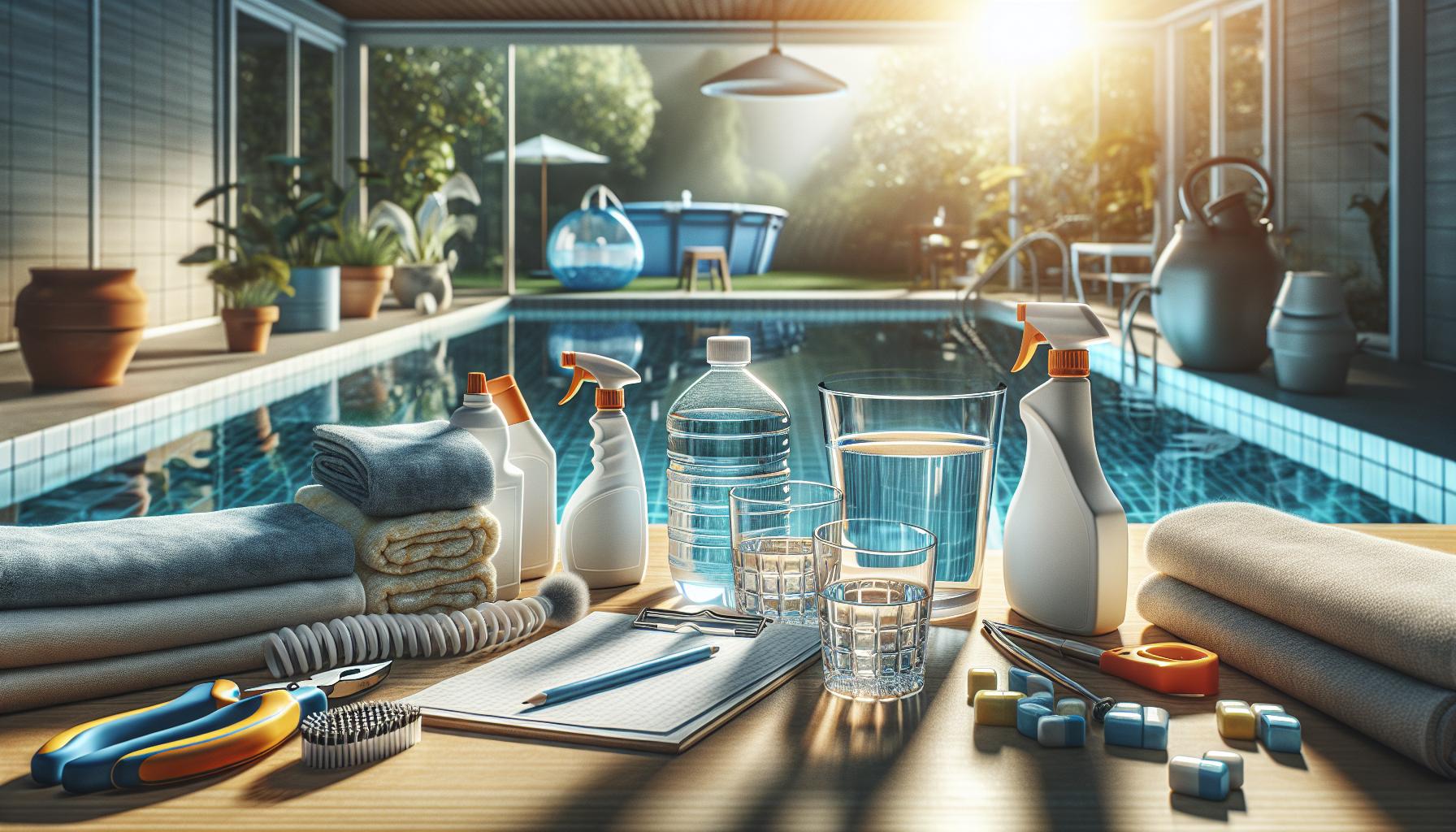
Step-by-Step Guide to Clean Water Stains
Cleaning water stains from solid surface countertops doesn’t need to be a daunting task. With the right approach, you can restore the pristine look of your countertops and make those pesky stains disappear. Often caused by minerals in hard water, these stains can be effectively tackled with simple household items and a bit of elbow grease. Follow this detailed guide to efficiently gain back the gleam of your solid surfaces.
Gather Your Cleaning Supplies
Before you begin, ensure you have the following items ready:
- Warm water
- White vinegar or a gentle pH-balanced cleaner
- Microfiber cloths
- Baking soda (for tougher stains)
- Plastic scraper or sponge
Step-by-Step Cleaning Process
- Initial Wipe Down: Use a damp microfiber cloth to gently wipe the surface, removing any loose debris or food particles. This helps ensure you don’t scratch the surface while tackling the stains.
- Apply a Cleaning Solution: Mix equal parts of warm water and white vinegar, or use a gentle pH-balanced cleaner specifically designed for solid surfaces. Soak a clean cloth in the solution and apply it to the stained area. For tough water stains, you can sprinkle baking soda directly onto the stain before applying the vinegar solution.
- Soak and Scrub: Allow the solution to sit on the stains for about 10-15 minutes. This soaking time lets the solution penetrate and break down the mineral deposits. After soaking, use the plastic scraper or a sponge to gently scrub the stained area. Be careful not to apply too much pressure to avoid damaging the countertop.
- Rinse Thoroughly: Once the stains have been removed, rinse the area with clean water to remove any remaining cleaner. Follow this with a fresh damp microfiber cloth to ensure all residues are eliminated.
- Dry and Polish: Finally, dry the surface with a clean, dry microfiber cloth. This step helps prevent new water spots from forming and gives your countertop a polished finish.
By utilizing this straightforward guide, you can effectively clean water stains on solid surface countertops, ensuring they remain a stunning centerpiece in your kitchen or bathroom. Frequent maintenance can also inhibit the buildup of hard water stains, helping you keep your surfaces looking their best.
Natural Remedies for Tackling Stubborn Marks
Stubborn marks on solid surface countertops can be quite the eyesore, often attracting unwanted attention during gatherings or daily use. Fortunately, there are effective natural remedies that can help restore the beauty of your countertops without resorting to harsh chemicals. These remedies not only address water stains but also provide a safe and eco-friendly cleaning option.
Effective Natural Cleaning Solutions
To tackle those persistent stains, you can turn to common household ingredients that are both effective and safe. Here’s a list of some of the best natural remedies:
- Baking Soda Paste: Mix baking soda with water to create a thick paste. Apply it to the stained areas and let it sit for 10-15 minutes before gently scrubbing and rinsing. This mild abrasive works wonders on light stains.
- Vinegar and Olive Oil: Combine equal parts vinegar and olive oil in a spray bottle. Spray the solution onto the stains and wipe with a soft cloth. The vinegar helps break down the stains, while the olive oil conditions the countertop.
- Lemon Juice and Salt: Make a paste with lemon juice and salt, applying it directly onto the marks. Let it sit for a few minutes, then scrub gently. The natural acidity of lemon juice helps lift stains, while salt provides gentle abrasion.
- Essential Oils: For a pleasant scent and additional cleaning power, consider adding a few drops of essential oils like tea tree or lavender to your cleaning mixture. These oils also have antibacterial properties.
Additional Tips for Maintaining Your Countertops
To prevent buildup and maintain the pristine condition of your countertops, incorporate the following practices into your cleaning routine:
| Tip | Description |
|---|---|
| Regular Wiping | Wipe down surfaces daily with a gentle cleaner or a mix of vinegar and water to prevent stains from setting. |
| Quick Spill Response | Address spills immediately to minimize staining, especially with acidic substances like lemon juice or vinegar. |
| Protective Coating | Consider applying a protective sealant to your countertop, which can help resist stains and make cleaning easier. |
By leveraging these natural solutions and tips, you can effectively combat stubborn marks on your solid surface countertops, ensuring they remain attractive and well-maintained. Incorporating these strategies into your cleaning routine is a practical approach to maintaining the integrity and appearance of your counters, making them ready to impress at any time.
Professional Tips for Maintaining Your Countertops
Keeping your countertops pristine not only enhances your kitchen’s aesthetic but also extends the life of these essential surfaces. Even the best of us can encounter water stains on solid surface countertops, but maintaining their flawless appearance requires a proactive approach. With a few simple strategies, you can ensure your countertops remain in top-notch condition while also minimizing the effort required in cleaning.
Regular Cleaning Practices
The first line of defense against any stains is regular cleaning. Here are some practical tips to keep in mind:
- Daily Wipe-Down: Use a damp microfiber cloth and mild soap every day to wipe down the countertop surface. This prevents the buildup of grime and potential stains.
- Avoid Harsh Chemicals: Refrain from using abrasive cleaners or strong acids, as these can dull the finish or lead to scratches.
- Immediate Spill Response: Quickly address spills, especially those from acidic substances like lemon juice or vinegar, to avoid etching.
Proper Techniques for Stain Removal
When water stains do appear, it’s essential to use effective cleaning methods without damaging your countertops. Instead of resorting to abrasive scrubbing, try these gentle yet effective techniques:
- Baking Soda Paste: Mix baking soda with a small amount of water to create a paste. Apply it to the stain, let it sit for 10-15 minutes, then wipe clean with a damp cloth.
- Vinegar Solution: A diluted vinegar solution (one part vinegar to three parts water) can help remove lighter stains. Apply it with a soft cloth, then rinse thoroughly.
- Commercial Cleaners: When in doubt, opt for products specifically designed for solid surface countertops, ensuring you follow the manufacturer’s instructions.
Preventive Measures for Longevity
Investing time in preventive care can save you from extensive cleaning later on. Here are a few strategies to consider:
| Preventive Measures | Description |
|---|---|
| Use Coasters | Always place drinks on coasters to prevent water rings and minimize moisture contact. |
| Cutting Board Use | Always use a cutting board to prevent scratches and potential stains from food remnants. |
| Heat Protection | Use trivets or hot pads to protect surfaces from heat damage. |
| Sealant Application | Consider applying a quality sealant annually, which can add a protective layer against stains and spills. |
By turning these practices into a routine, you can maintain the beauty and integrity of your countertops for years to come. Now, not only will you know how to clean water stains on solid surface countertops effectively, but you’ll also be equipped with the knowledge to sustain their pristine condition.
Preventing Future Water Stains: Best Practices
Preventing future water stains on solid surface countertops is crucial for maintaining their pristine appearance and longevity. Water stains can easily mar the beauty of these surfaces, but with a few preventive measures, you can keep them looking as good as new. Here are some best practices that will help you protect your countertops from unsightly marks:
Implement Regular Cleaning Routines
One of the most effective ways to prevent water stains is by establishing a consistent cleaning regimen. This process is simple and doesn’t require much time or effort, ensuring that your countertops remain in top condition. Utilize a gentle cleaner specifically designed for solid surface materials to wipe down your countertops daily. Here’s a quick checklist for your weekly cleaning routine:
- Use a soft cloth or sponge to avoid scratching.
- Choose a pH-balanced cleaner to protect the surface.
- Rinse thoroughly with clean water to remove any residue.
Utilize Coasters and Trivets
Protecting surfaces from direct contact with moisture is paramount. Encourage the use of coasters and trivets in your home to create a barrier against spills and heat that might contribute to staining. You can dramatically reduce the likelihood of water spots by making these items easily accessible in your kitchen and dining areas. Consider placing a decorative tray on the countertop to hold coasters, making them both functional and visually appealing.
Seal Your Countertops Regularly
Applying a proper sealant periodically can provide an additional layer of protection against stains. While solid surface countertops often resist staining, they can still benefit from sealants that enhance their resilience. Follow these steps to ensure effective sealing:
| Step | Action |
|---|---|
| 1 | Clean the surface thoroughly using a mild detergent. |
| 2 | Allow the countertop to dry completely before applying the sealant. |
| 3 | Apply the sealant as per the manufacturer’s instructions. |
| 4 | Buff and polish the surface post-application for a smooth finish. |
By implementing these strategies, you will not only extend the life of your solid surface countertops but also keep them looking great. Remember, a proactive approach to care and maintenance is key to tackling the question of how to clean water stains on solid surface countertops effectively.
When to Seek Help from the Experts
Water stains on solid surface countertops may seem like a minor nuisance, but they can often signify deeper issues or become stubborn over time. If basic cleaning methods fail to restore your countertops to their former glory, it might be time to consider professional help. Expert intervention is advisable in several scenarios, particularly if you notice persistent stains after trying various DIY remedies.
Signs It’s Time to Call a Professional
When navigating tough stains, it’s crucial to recognize when a task is beyond the average homeowner’s skills. Here are a few indicators:
- Persistent Stains: If stains remain after multiple cleaning attempts, a professional’s expertise may be necessary to assess and treat the underlying causes.
- Surface Damage: Scratches, chips, or cracks can exacerbate staining problems, and attempting to fix these issues without proper tools and experience may lead to further damage.
- Material Uncertainty: Different solid surfaces, whether quartz, acrylic, or other composites, require unique care approaches. Experts are equipped to handle these specifics safely and effectively.
- Health Concerns: If mold or mildew accompanies water stains, calling a specialist is essential to mitigate health risks effectively.
Expert Solutions and Benefits
Hiring a professional service not only provides a thorough cleaning but often includes protective and restorative solutions that can extend the life of your countertops. Experts typically utilize advanced techniques and more potent products correctly suited for your countertop material.
For example, professional-grade sealants can help minimize future staining, providing a barrier against water, oils, and other staining agents. Additionally, experts can offer tailored maintenance plans that include regular check-ups and cleanings, ensuring your surfaces remain pristine over the long term.
By knowing when to engage professionals, you can save time, prevent further damage, and ensure your solid surface countertops maintain their appeal and functionality for years to come.
Faq
How to Clean Water Stains on Solid Surface Countertops? Quick Fixes That Work?
To clean water stains on solid surface countertops, start by mixing equal parts of vinegar and water. Apply this solution to the stains and scrub gently with a soft cloth. Rinse with water and dry the surface thoroughly to prevent new stains.
Water stains can be frustrating, but a simple mixture of vinegar and water can often work wonders. For tougher stains, consider using a baking soda paste. Just mix baking soda with a small amount of water until it forms a paste, apply, let it sit for a few minutes, and then wipe clean. Regular maintenance helps keep your countertop looking pristine.
What are effective quick fixes to remove stubborn water stains?
Effective quick fixes for stubborn water stains include using glass cleaner or a baking soda paste. Spray glass cleaner directly on the stains or make a paste with baking soda and gently scrub using a soft cloth.
Glass cleaner is useful for quick touch-ups, while a baking soda paste can tackle more persistent stains. Always rinse the area with respect to your counter’s needs and dry it thoroughly. You can also follow up with a protective sealer to maintain your countertop
Why do water stains form on solid surface countertops?
Water stains occur due to the minerals in water, like calcium and magnesium, which leave residues. These residues are often visible as spots or streaks, especially on smooth surfaces.
When water droplets evaporate, they leave behind these minerals, leading to unsightly marks. Regular cleaning can help minimize their appearance. For future prevention, wiping up spills promptly will reduce stain formation on your countertops.
Can I use bleach to clean water stains on my countertops?
No, using bleach on solid surface countertops is not recommended. It can discolor or damage the surface, leading to more issues.
Instead, focus on milder cleaning agents like vinegar or commercial surface cleaners designed for your countertops. These will clean effectively without harming the finish. Always check your manufacturer’s guidelines for the best care practices.
How often should I clean my solid surface countertops?
It’s best to clean your solid surface countertops regularly, ideally after every use. This helps prevent the buildup of stains and grime.
Light daily cleaning with a mild detergent and water can suffice, while deeper cleans can be done weekly. By incorporating regular maintenance, you help preserve the integrity and appearance of your countertops, making them easier to clean over time.
What should I avoid when cleaning solid surface countertops?
Avoid abrasive cleaners and scrubbers when cleaning solid surface countertops. These can scratch the surface and make stains more difficult to remove.
Instead, use soft cloths and gentle cleaners to maintain the surface. Ensure to avoid products containing bleach or ammonia, which can harm the finish. For more detailed cleaning tips, consider referring to the specific cleaning guidelines provided by your countertop manufacturer.
How to prevent future water stains on solid surface countertops?
To prevent water stains, quickly wipe up spills and consider applying a protective sealant. Regular cleaning helps too, keeping the surface smooth and less prone to staining.
Additionally, using coasters and cutting boards can protect your countertops from water and heat damage. Implementing these practices will significantly extend the life of your countertops and reduce cleanup time.
Key Takeaways
In conclusion, tackling water stains on your solid surface countertops doesn’t have to be a daunting task. By following the straightforward steps we’ve outlined—using common household items like vinegar, baking soda, and gentle scrubbing techniques—you can restore your countertops to their original beauty with little effort. Remember to always test any cleaning solution on a small, inconspicuous area first to ensure that your surfaces remain in pristine condition. With a bit of patience and the right approach, you’ll be able to maintain the elegance of your countertops and keep your kitchen looking its best. We encourage you to explore more cleaning tips and share your own experiences in the comments below. Clean counters lead to a happy home!


