


Water spots on leather can quickly tarnish the beauty of your cherished items, leaving you frustrated and unsure of how to restore them. This guide explores effective techniques to remove water stains and revitalize your leather goods, ensuring they remain stylish and resilient. Mastering these simple methods is essential for maintaining the integrity of your leather accessories and furnishings.
Understanding Water Spots on Leather: What You Need to Know
Understanding water spots on leather can dramatically improve how you care for your leather items and maintain their appearance. Water stains often appear when leather is exposed to moisture, disrupting the natural oils that keep it supple. This can lead to darkened spots, also known as watermarks, which can become more pronounced over time as the leather dries out. Understanding this process is essential to effectively restore your items without causing further damage.
The Science Behind Water Spots
When leather absorbs water, especially if it’s left untreated or damp for extended periods, the moisture seeps into the material. As it does, it can displace the oils within the leather, causing inconsistency in texture and color. The results can be unsightly marks that detract from the overall look and feel of your leather goods. If left untreated, these water stains can become set in, making them more challenging to remove without proper care.
Why Prompt Action is Important
Taking immediate action when you notice water spots can save you a considerable amount of effort later. If addressed quickly, many water stains can be removed easily using appropriate cleaning methods. For instance, using a soft cloth to lightly blot the affected area right after a spill can prevent deeper penetration of the water. However, if the stains persist, it may require more robust solutions like commercial leather cleaners specifically formulated to tackle water damage [[3]].
Common Signs of Water Damage
Recognizing the signs of water damage on leather is crucial for effective care. Here are some common indicators to watch for:
- Darkened Spots: These are often the first signs of water damage, indicating where moisture has penetrated.
- Texture Changes: The leather may feel rough or stiff in areas affected by water.
- Fading Color: Prolonged exposure to moisture can lead to fading, especially in dyed leather.
By being aware of these signs and understanding the underlying issues, you can better manage and mitigate any potential damage. This approach will ensure your leather items remain in prime condition while effectively learning how to get water spots out of leather: restore your items fast [[2]].
Essential Tools and Ingredients for Spot Removal
To effectively tackle water spots on leather, having the right tools and ingredients is crucial for achieving swift and successful results. The right approach not only restores the leather’s appearance but also preserves its integrity and longevity. A variety of household items and specialized products can work wonders in the removal process, allowing even novice users to achieve professional-looking results.
Essential Tools
- Soft Cloths: Use clean, lint-free cloths for blotting and applying solutions without scratching or damaging the leather.
- Sponges: A soft sponge can be particularly useful for applying water or cleaning solutions gently.
- Brushes: A soft-bristle brush helps in reaching textured areas and gently lifts dirt and residue.
- Plastic Scraper: A plastic scraper or spatula can carefully lift any solid residue without harming the leather surface.
Key Ingredients
For those questioning how to get water spots out of leather quickly and effectively, incorporating the right cleaning ingredients can make all the difference.
- Distilled Water: Essential for diluted cleaning solutions, distilled water ensures minerals won’t cause further spotting.
- Leather Cleaner: A dedicated leather cleaner can break down stains without harming the leather’s finish.
- Vinegar Solution: A mixture of equal parts distilled white vinegar and water can be a potent remedy for stubborn stains.
- Conditioner: Post-cleaning, applying a high-quality leather conditioner restores moisture and suppleness.
| Tool/Ingredient | Function |
|---|---|
| Soft Cloths | Blotting and applying solutions |
| Distilled Water | Prevents mineral residue on leather |
| Leather Cleaner | Removes stains and dirt |
| Conditioner | Restores leather’s moisture |
Equipping yourself with these essential tools and ingredients not only prepares you for effective spot removal but also signifies a commitment to maintaining the elegance of your leather goods. Whether it’s a beloved jacket, handbag, or a pair of shoes, knowing how to get water spots out of leather efficiently can extend their life and keep them looking their best.
Step-by-Step Guide to Remove Water Spots from Leather Items
Removing water spots from leather items can seem daunting, but with the right techniques and tools, you can restore your leather goods to their former glory. Water damage can lead to unsightly stains that detract from the leather’s natural beauty. Here’s a comprehensive step-by-step guide to effectively eliminate water spots and revive your cherished products.
Step-by-Step Process
Begin by gathering the following materials, which are essential for this cleaning task:
- Leather cleaner (preferably pH balanced between 5.5-6)
- Lint-free cloth or microfiber towel
- Soft brush or sponge
- Leather conditioner
- Water (distilled is best)
1. Assess the Damage: Start by examining the water stains on your leather item. Different stains may require varying treatments. Identifying whether the leather is finished or unfinished will help you choose the right cleaning approach.
2. Apply Leather Cleaner: Using a lint-free cloth, dampen it slightly with the leather cleaner. Make sure to follow the product instructions for dilution if necessary. Gently rub the stained area in a circular motion. This cleaner is designed to penetrate the leather and lift stains effectively without causing further damage. For tough, set-in stains, you might need to let the cleaner sit for a few minutes before wiping it away.
3. Rinse and Dry: Once the stain is removed, dampen another cloth with distilled water and wipe the area to remove any leftover cleaner. This step helps in preventing residue that could attract dirt later. After rinsing, allow the leather to air dry naturally, avoiding direct sunlight or heat sources that can cause cracking.
4. Condition the Leather: After drying, it’s crucial to apply a leather conditioner to restore moisture and suppleness. This step ensures that the leather remains protected and maintains its luster. Follow the product guidelines for the application for the best results.
Additional Tips
- Test Cleaners: Always perform a patch test with any cleaner you choose to ensure it won’t discolor or damage the leather.
- Regular Maintenance: To keep your leather items looking their best, consider routine cleaning and conditioning every few months.
- Stay Prepared: If you anticipate spills or moisture exposure, applying a leather protector can be a great preventive measure.
By following these steps, you can effectively learn how to get water spots out of leather and ensure your items remain in pristine condition. Regular care will not only enhance the appearance of your leather goods but also extend their lifespan, making them a worthwhile investment for years to come.
Preventative Measures to Keep Your Leather Spot-Free
Leather, while luxurious and durable, can be particularly vulnerable to both everyday wear and environmental factors. To ensure that your leather remains pristine and free from water spots, it’s essential to implement a series of preventative measures. These steps not only preserve the aesthetic appeal of your leather items but also enhance their longevity, making them worthwhile investments for years to come.
Preventive Care Guidelines
Start by keeping leather products away from direct moisture as much as possible. While it’s impossible to avoid all exposure to water, being proactive can mitigate damage. For example, if you find yourself caught in an unexpected rain shower, immediately blot excess moisture with a soft cloth, allowing the leather to air dry naturally. Avoid heat sources like hair dryers, as they can strip the leather of its natural oils.
Another vital preventative step involves the correct storage of leather goods. Store your leather items in a cool, dry environment, away from direct sunlight and heat, which can cause fading and cracking. Use breathable dust bags or cotton covers to shield your items from dust and pollutants while allowing airflow.
Regular Conditioning
Consistent conditioning is key to maintaining the elasticity and appearance of leather. Applying a quality leather conditioner every few months helps replenish the natural oils that keep the material supple and prevents it from becoming brittle. When choosing a conditioner, look for products that are specifically formulated for the type of leather you own.
To keep your leather spot-free, consider these strategies:
- Waterproofing Treatments: Apply a water-repellent spray designed for leather to protect against stains.
- Immediate Action on Spills: For any spills or stains, address them promptly using appropriate cleaning methods.
- Gentle Cleaning: Regularly clean your leather with a damp cloth to remove surface dirt, which can lead to discoloration.
By implementing these practical tips, you can significantly reduce the risk of water spots and other damage, ensuring that your leather items remain looking their best. Understanding how to maintain and protect your leather will pay off in the long run, reflecting the quality and style that leather pieces inherently possess.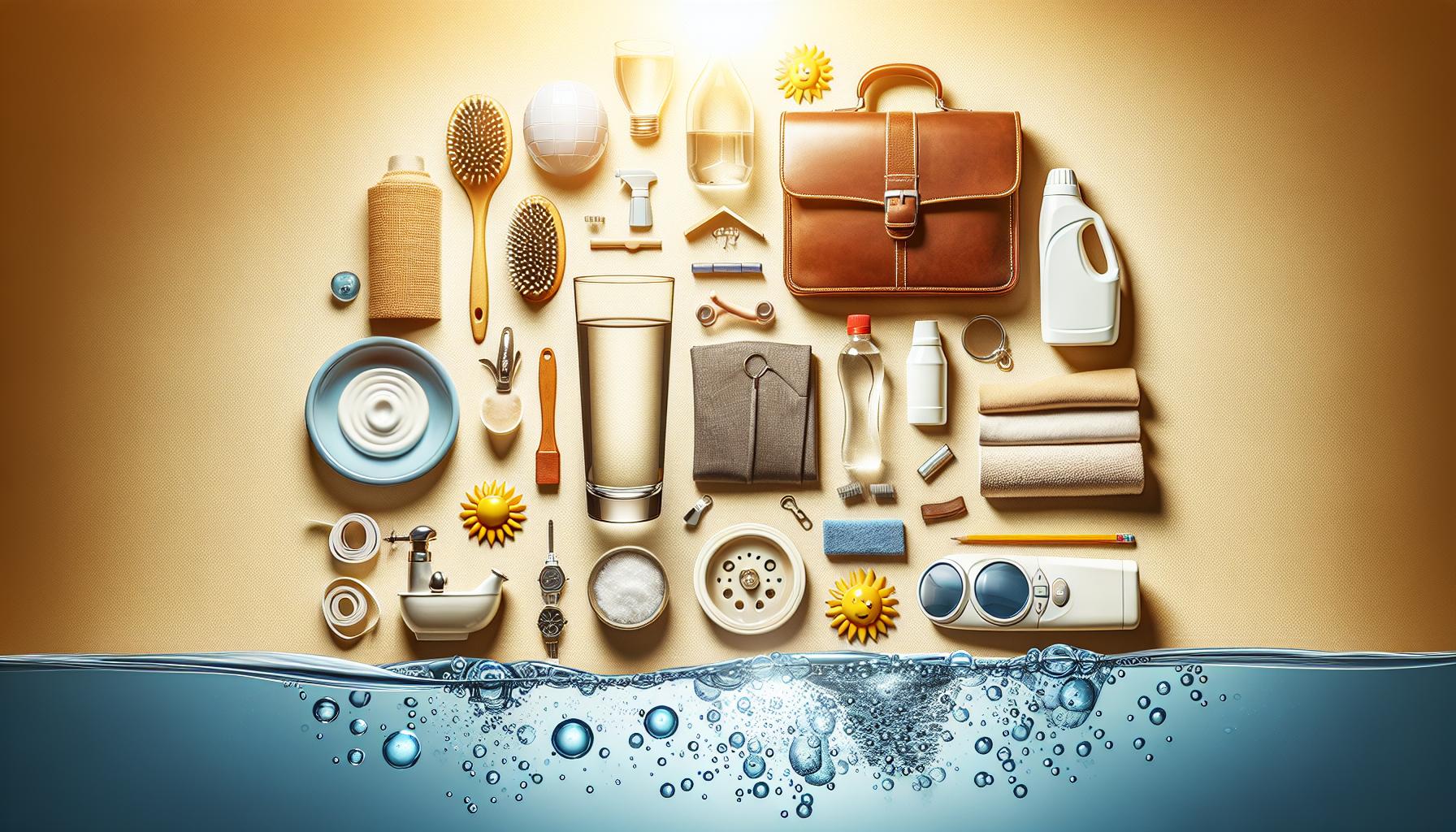
Caring for Leather: Maintenance Tips for Longevity
As any leather enthusiast knows, maintaining the beauty and durability of leather items requires consistent care. Regular upkeep not only prevents common issues such as water spots but also ensures that your cherished pieces remain in pristine condition for years to come. Understanding the nuances of leather care is essential; therefore, here are key maintenance tips to help you preserve your leather goods effectively.
Regular Cleaning
Cleaning leather should be a routine practice to avoid the buildup of dirt and grime. Use a soft cloth or a microfiber towel dampened with a solution of water and mild soap to gently wipe down your leather surfaces. This simple technique helps remove surface dirt without causing damage. For tougher stains, consider using rubbing alcohol or a gentle leather cleaner, ensuring to test any product on a small, inconspicuous area first to avoid discoloration.
- Frequency: Clean leather items every 1-3 months, depending on usage.
- Tools: Soft cloths, microfiber towels, and natural soap are recommended.
- Spot Treatment: For specific stains, a small amount of rubbing alcohol can be effective.
Conditioning Your Leather
To maintain the softness and flexibility of leather, it’s crucial to use a good quality conditioner regularly. Conditioning helps replenish natural oils that can be stripped away through regular cleaning or exposure to the elements. Aim to condition your leather every 6-12 months, depending on environmental factors. A high-quality leather conditioner helps prevent cracking and keeps the material supple.
| Conditioning Frequency | Conditioner Type |
|---|---|
| Every 6 months | Leather cream or wax-based conditioner |
| Every year | Natural oils or leather oils for deeper nourishment |
Protecting Against Water Damage
Water can quickly become a leather item’s worst enemy, leading to unsightly water spots. To safeguard your leather products, consider applying a water-repellent spray specifically designed for leather. This additional barrier can help prevent moisture absorption, making it easier to manage minor spills. If water spots do occur, refer to practical methods for restoration, such as gently dabbing with a damp cloth and allowing the leather to air dry.
Finalizing your leather care regimen involves careful storage. Keep your leather items out of direct sunlight to prevent fading and cracking. For items like shoes or bags, consider using dust bags or boxes to shield them from dust and environmental damage. By establishing these maintenance habits, you ensure that your leather goods remain beautiful and functional, ultimately extending their lifespan significantly.
When to Seek Professional Help for Leather Restoration
When it comes to preserving the quality and appearance of your leather items, understanding when to seek professional help can make a significant difference. Leather is a unique material that requires special care, especially when dealing with stubborn issues like water spots. If you’ve attempted to tackle these imperfections yourself and the results are less than satisfactory, it may be time to call in the experts. Professional leather restoration can not only enhance the look of your cherished items but also extend their lifespan significantly.
One clear indicator that you should consider professional assistance is the persistence of water spots despite your efforts. If DIY methods—such as using leather cleaners or conditioners—have failed to produce the desired results, a trained technician can provide specialized treatments that ensure thorough cleaning and effective stain removal. Expert services often include advanced techniques that go beyond basic cleaning, such as deep conditioning and color restoration, tailored specifically to the leather type you own.
Signs You Should Seek Professional Help
- Visible Damage: Any signs of cracking, fading, or discoloration indicate that professional restoration is critical.
- Multiple Stains: If your item has multiple water spots or various stains, a professional can effectively address each issue simultaneously.
- Investment Pieces: For high-value items like luxury bags or leather jackets, professional restoration ensures that your investment is preserved in top condition.
- Time Constraints: Busy schedules might not allow for the trial-and-error nature of DIY repair; professionals can often provide quicker, guaranteed results.
Engaging professional services such as those offered by Leather Medic or We Can Fix That can provide peace of mind that your items are being restored correctly. These companies employ skilled technicians with the right tools and expertise, capable of handling various leather types and finishes. Additionally, leveraging the insights gained from the article ‘How to Get Water Spots Out of Leather: Restore Your Items Fast’ can empower you to make informed decisions regarding your leather care, helping you distinguish between manageable maintenance and situations that warrant external assistance.
Ultimately, taking action to consult with a leather restoration professional can not only rejuvenate your beloved items but also save you time and frustration in the long run.
Natural Remedies: DIY Solutions for Water Spots on Leather
Water spots on leather can be both unsightly and frustrating, but fortunately, several natural remedies are available to restore your leather items to their original glory. Many household ingredients can effectively lift these blemishes without the need for harsh chemicals. By utilizing what you have at home, you can tackle these stains with confidence and ease.
Vinegar and Water Solution
One of the most popular methods involves a simple mixture of equal parts white vinegar and water. This solution acts as a gentle yet effective cleaner for leather. Here’s how to use it:
- Mix equal amounts of water and white vinegar in a small bowl.
- Dab the mixture onto a soft cloth or sponge, ensuring it’s not dripping wet.
- Gently rub the water spot in a circular motion, being careful not to saturate the leather.
- Allow it to dry naturally; avoid using direct heat sources like hair dryers to speed up the process.
Baby Soap and Water
Another effective DIY solution is to use a mild baby soap mixed with water. This method is especially useful for delicate leather types. Here’s a quick guide:
- Combine a few drops of baby soap with a cup of warm water.
- Use a soft cloth to apply the soapy water to the stained area.
- After cleaning, wipe the area with a damp cloth to remove any soap residue.
- Pat dry with a clean, dry towel.
Conditioning after Cleaning
Regardless of the method chosen, it’s crucial to follow up cleaning with conditioning. A natural leather conditioner can help restore moisture and maintain flexibility. Olive oil or coconut oil can work well for this purpose:
- Apply a small amount of olive oil or coconut oil to a soft cloth.
- Gently rub it into the leather, focusing on the area that was cleaned.
- Buff the leather with a dry cloth to ensure even application.
By utilizing these natural remedies, you can effectively address water spots and extend the life of your leather possessions. Experimenting with these DIY solutions offers both a cost-effective and eco-friendly approach to leather care, ensuring your items remain beautiful and functional for years to come.
The Best Products for Leather Care and Restoration
Leather is a luxurious material that, while durable, often falls victim to environmental factors such as water spots. These frustrating blemishes can make even the most exquisite leather items look dull and neglected. Fortunately, selecting the right products for leather care and restoration can make a significant difference in maintaining their beauty and longevity. When tackling issues like water spots, effective treatment begins with quality supplies designed to rejuvenate and protect leather surfaces.
Essential Leather Care Products
To effectively reclaim your leather items from the grips of water damage, consider the following types of products:
- Leather Cleaners: Look for pH-balanced leather cleaners that lift dirt and stains without damaging the material. Brands like Leather World Technologies offer specialized cleaners for deeper restoration processes.
- Conditioners: After cleaning, rehydrate the leather with a good conditioner that replenishes lost moisture and prevents cracking. Leather Magic provides conditioners that help restore the texture and feel of your leather.
- Protectants: Apply a protective coating after cleaning and conditioning to repel future water damage. This can be found in products available through various retailers including Furniture Clinic.
- Leather Dyes: If water spots have led to discoloration, using a dye can effectively restore the original hue. Ensure you choose a dye that matches your leather for seamless results.
Restoration Techniques
When working on how to get water spots out of leather, applying products correctly is crucial. Start by gently cleaning the affected area with a leather cleaner to remove any surface impurities. Once clean, use a conditioner to treat the leather and restore its suppleness. For deeply rooted water spots, a dye may be necessary after conditioning; always perform a spot test on a hidden area to ensure color compatibility.
For ongoing maintenance, consider a comprehensive leather care kit that includes all essential products for restorative and preventative care [[1]](https://leatherworldtech.com/), [[2]](https://leathermagic.com/), [[3]](https://www.furnitureclinic.com/leather-care-products). By purchasing a kit, you ensure that you have everything you need to keep your leather items well cared for and protected against future damage.
In conclusion, investing in high-quality leather care products and using them effectively will preserve your leather items and help them maintain their charm and character over time. Whether you’re addressing existing water spots or preventing further damage, these products play a vital role in the upkeep of your cherished leather goods.
Frequently asked questions
How to get water spots out of leather: restore your items fast?
To restore leather with water spots, gently blot the area with a soft, dry cloth. If that doesn’t work, you can use a diluted solution of mild soap and water.
Be sure to avoid soaking the leather, as excessive water can cause more damage. After treatment, allow the leather to dry completely before applying a quality leather conditioner to keep it supple and prevent future issues. For comprehensive tips on leather care, check out this detailed guide.
What causes water spots on leather?
Water spots on leather are typically caused by moisture or rainwater that evaporates, leaving minerals behind. These spots can make your leather look dull and neglected.
This phenomenon occurs because leather is porous and can absorb some moisture. Protecting your leather items from water exposure is crucial to prevent spots. Regularly using a protective leather spray can help mitigate this issue.
Can I use vinegar to remove water spots from leather?
Yes, vinegar can be used sparingly to help remove water spots from leather. Mix equal parts of vinegar and water, apply gently, and wipe with a soft cloth.
While vinegar’s acidity can be effective in removing spots, it is essential to follow up with a good leather conditioner to restore moisture. This will help maintain the integrity of your leather while addressing the spots.
Why do I need to condition leather after removing water spots?
Conditioning leather after removing water spots is vital to restore moisture and maintain flexibility. It helps prevent dryness and cracking, which can result from water exposure.
By applying a quality leather conditioner, you ensure that your leather not only looks good but also stays durable over time. Regular conditioning is key to long-lasting leather items.
How often should I clean and condition my leather to prevent water spots?
Cleaning and conditioning your leather every 3-6 months can help prevent water spots and maintain its appearance. Regular care helps protect against moisture and stains.
Factors like usage and environmental exposure will influence how often you should perform these maintenance steps. Keeping leather items free from dirt and grime enhances their lifespan.
What is the best way to protect leather from future water spots?
The best protection against water spots on leather is applying a leather protector spray. This creates a barrier against moisture and spills.
Additionally, regularly conditioning your leather can help keep it supple and less prone to water damage. Always wipe off excess water quickly to minimize potential spots.
Can professional cleaning remove water spots from leather?
Yes, professional cleaning services can effectively remove water spots from leather and restore its original appearance. They use specialized products and techniques that are often more effective than home remedies.
If you’re unsure about DIY methods or if the damage is extensive, considering a professional may be a good choice. They can provide tailored solutions specific to your leather’s needs.
In Summary
In conclusion, effectively removing water spots from leather can breathe new life into your cherished items. Remember to act promptly; the faster you address spills, the easier they are to treat. Utilize gentle cleaning methods and consider a leather conditioner afterward to maintain the material’s softness and resilience. Preventive measures, like avoiding exposure to moisture, can save your leather from long-term damage. Explore various cleaning techniques to find what works best for your specific leather type. By taking these steps, you empower yourself to keep your leather looking its best, allowing you to enjoy your items for years to come. Don’t hesitate to delve deeper into the world of leather care for more tips and tricks!


