


Hard water stains can mar the beauty of your granite surfaces, dulling their shine and making them look unkempt. Understanding effective removal techniques not only restores the elegance of your countertops but also prolongs their lifespan. Discover practical and professional tips to easily tackle these stubborn stains and keep your granite looking pristine and polished.
Understanding Hard Water Stains on Granite Surfaces
Hard water stains can be a persistent problem for homeowners with granite countertops, turning the beautiful natural stone into a dull and unattractive surface over time. These stains occur when water containing high levels of minerals, such as calcium and magnesium, evaporates and leaves behind deposits. Understanding the nature of hard water stains is crucial in effectively removing them and restoring the shine and elegance to your granite surfaces.
Primarily, hard water stains are composed of mineral deposits that adhere to granite, making them particularly stubborn. As water splashes onto your countertop, it can leave behind these mineral residues, creating unsightly marks. The challenge is compounded because abrasive cleaning products can scratch and damage granite, requiring homeowners to seek alternative methods for removal.
Effective Strategies to Combat Hard Water Stains
To effectively tackle hard water stains, consider using soft solutions that won’t harm your granite. Here are some effective strategies:
- Use pH-neutral cleaners: Select cleaners specifically formulated for granite that can safely lift mineral deposits without causing scratches.
- Baking soda paste: Create a thick paste using baking soda and water. Apply it to the stained areas, scrub gently with a soft-bristled brush, and rinse thoroughly.
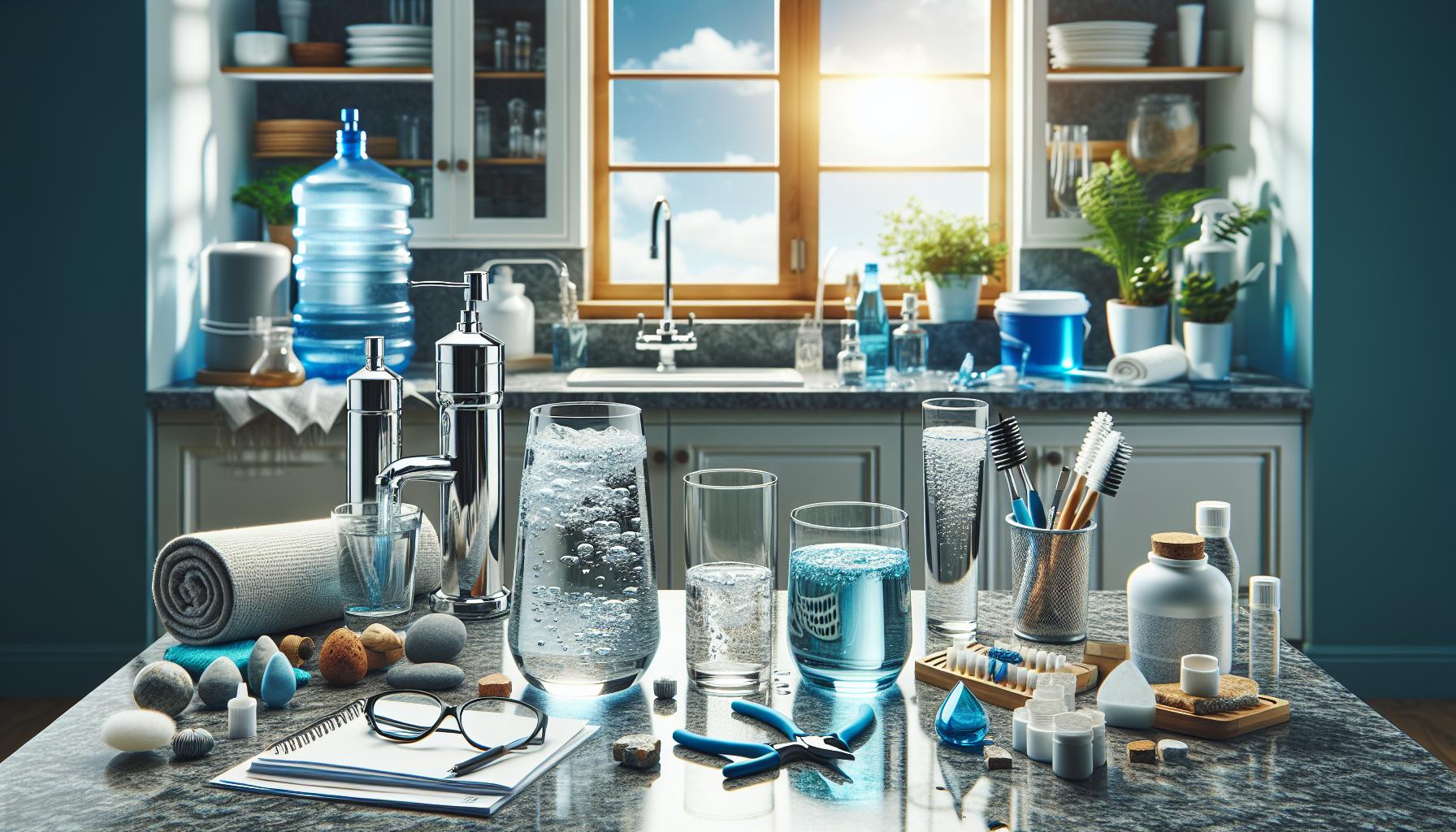
- Pumice stone: A wet pumice stone can be an invaluable tool. Its soft texture allows for effective scrubbing of stains without damaging the granite’s surface.
Prevention is Key
Preventing hard water stains from forming in the first place is the best strategy. Regular sealing of granite surfaces can create a barrier against mineral deposits. Additionally, wiping down countertops after use can help minimize water exposure and reduce staining. Consider the following preventative measures:
- Seal your granite: Ensure your granite is well-sealed to help repel water and prevent stains.
- Wipe spills immediately: Promptly cleaning up spills helps prevent mineral buildup.
- Regular maintenance: Incorporate a regular cleaning schedule using appropriate granite-safe products.
By understanding how hard water stains develop and implementing effective cleaning and preventative strategies, homeowners can maintain the beauty of their granite countertops. Following the tips and techniques outlined in “How to Remove Hard Water Stains from Granite: Pro Cleaning Tips,” you can restore your surfaces to their original luster and enhance the overall aesthetic of your home.
Effective Household Remedies for Hard Water Stain Removal
While hard water stains can be frustrating, effective household remedies can tackle these unsightly deposits without the need for harsh chemicals. Understanding how to remove hard water stains from granite — or any surface — can save time and money while keeping your home looking pristine. By using common household items, you can restore the shine to your surfaces and maintain a healthier living environment.
Vinegar and Water Solution
One of the most popular and effective methods for removing hard water stains is a simple mixture of white vinegar and water. This acidic solution breaks down the mineral deposits effectively. To use this method, follow these steps:
- Mix equal parts of distilled white vinegar and water in a spray bottle.
- Spray the solution generously on the stained areas and allow it to sit for about 10 minutes.
- Wipe away with a clean cloth or sponge, rinsing thoroughly with water to remove any vinegar residue.
This technique can be used for granite surfaces, but it’s important to ensure that vinegar does not sit for too long as its acidity can dull the finish over time.
Baking Soda Paste
Another handy remedy is a baking soda paste, which is especially effective on tougher stains. Baking soda is mildly abrasive and can help scrub away stubborn deposits without scratching the granite. Here’s how to create a baking soda paste:
- Combine 3 parts baking soda with 1 part water to create a thick paste.
- Apply the paste directly to the stained area and gently rub with a soft cloth.
- Let it sit for 5-10 minutes before rinsing off with warm water.
This method not only removes hard water stains but also leaves your granite polished and renewed.
Citrus Solutions
Citrus juices, particularly lemon juice, can also effectively remove hard water stains due to their natural acidity. Here’s a quick way to utilize this remedy:
- Cut a lemon in half and rub it directly onto the affected area.
- Allow the juice to penetrate for about 5-10 minutes.
- Wipe the area clean with a damp cloth and rinse thoroughly.
Using citrus not only helps remove stains but also leaves a fresh scent in your kitchen or bathroom.
Prevention Tips
To keep hard water stains at bay and maintain the beauty of your granite surfaces, consider these proactive measures:
- Wipe up water spills immediately to prevent mineral buildup.
- Use a squeegee on shower doors after each use to reduce water spots.
- Apply a stone sealer periodically, which can help repel water and other substances.
By implementing these household remedies and preventive measures, you can effectively combat hard water stains without resorting to expensive chemical cleaners. Keep your granite surfaces looking their best by incorporating these simple yet powerful cleaning strategies into your routine.
Step-by-Step Guide to Professional-Grade Cleaning Techniques
To achieve a professional-grade clean for hard water stains on granite countertops, it’s essential to use a systematic approach that combines effective materials and proper techniques. Hard water stains can look unsightly and diminish the elegance of your granite surfaces, but with the right steps, you can restore their luster. Here’s how to effectively remove these stubborn stains using methods that are favored by professionals.
Essential Tools and Materials
Before you start, gather the necessary tools and supplies to ensure a smooth cleaning process. Here’s what you will need:
- Baking soda
- White vinegar
- A soft cloth or sponge
- Plastic wrap
- A spray bottle
- Padded scrubbing pad or toothbrush
- Sealer for granite
Step-by-Step Cleaning Process
Follow these steps for effectively removing hard water stains from your granite countertops:
- Create a Baking Soda Paste: Mix about ½ a cup of baking soda with a few tablespoons of water to form a thick paste. This paste acts as a mild abrasive that is safe for granite surfaces.
- Apply the Paste: Spread the baking soda paste over the stained areas of the countertop. For optimal results, cover the area with plastic wrap to keep the paste moist as it sits.
- Let it Sit: Allow the paste to sit on the stains for at least 15 to 20 minutes. This gives it time to lift the stains without damaging the granite.
- Rinse and Scrub: After the waiting period, remove the plastic wrap and use a damp cloth or a soft scrubbing pad to gently scrub the area. Be careful not to scratch the granite surface.
- Use Vinegar for Remaining Stains: If stains persist, spray a small amount of white vinegar directly onto the spot. The acidity can help dissolve any remaining deposits. Immediately rinse with water and wipe dry to prevent any potential damage from the vinegar.
- Seal Your Granite: Once the stains are removed and the surface is dry, apply a granite sealer according to the manufacturer’s instructions. This will help protect your countertops from future stains and buildup.
Tips for Maintenance
To keep your granite surfaces looking pristine and to prevent hard water stains from forming again, consider implementing these routine maintenance strategies:
- Wipe up spills promptly to avoid water pooling.
- Use coasters under drinks to prevent moisture from settling.
- Regularly seal your granite countertops based on usage (usually every 6-12 months).
- Consider using distilled water for cleaning to reduce mineral buildup.
By following these professional cleaning techniques, you can effectively tackle hard water stains on granite and maintain the beauty of your surfaces for years to come. Consistency in maintenance will significantly reduce the occurrence of stains, ensuring your granite remains a stunning focal point in your home.
Choosing the Right Tools and Products for Granite Care
The beauty of granite countertops can be marred by unsightly hard water stains, making it crucial to equip yourself with the right tools and products for maintenance. Understanding the importance of using safe and effective materials will not only help in the immediate removal of stains but will also preserve the longevity and appearance of your granite surfaces. When selecting cleaning supplies, look for products specifically formulated for natural stone to prevent damage and maintain sheen.
Essential Cleaning Tools
To efficiently tackle hard water stains, a few key tools are indispensable:
- Soft-Bristled Brush: Ideal for scrubbing without scratching the granite surface.
- Microfiber Cloths: Perfect for drying and polishing, they prevent lint and streaks.
- Plastic Scraper: Useful for gently removing stubborn deposits without harming the stone.
- Spray Bottle: For applying dilute solutions evenly across the surface.
Recommended Cleaning Products
Choosing the right cleaning agents is equally essential for effectively removing hard water stains while safeguarding your granite. Consider the following options:
- Baking Soda Paste: A safe, natural cleaner where mixing three parts baking soda with one part water creates an effective stain-fighting paste.
- Granite Cleaner: Commercial cleaners specifically designed for granite can help eliminate stains without harsh chemicals.
- Sealer: Regular sealing is necessary; ensure you have a high-quality stone sealer on hand to protect surfaces after cleaning.
Using these tools and products appropriately can significantly enhance your granite countertops’ durability and aesthetic. Regular maintenance with the right supplies will make learning how to remove hard water stains from granite easier and less frequent.
Preventative Measures: Keeping Your Granite Stain-Free
To maintain the pristine look of your granite surfaces, understanding and implementing effective preventative measures is essential. Granite, being an investment for your home, deserves protection against elements that can lead to staining, such as hard water. By taking proactive steps, you can avoid the hassle of dealing with stubborn marks and ensure your granite remains a beautiful focal point for years to come.
Regular Sealing
One of the most critical aspects of granite care is sealing. Most granite countertops should be sealed at least once a year to form a protective barrier against spills and stains. To determine if your granite needs resealing, conduct a simple water test: splash a few drops of water on the surface and observe. If the water beads up, your seal is still intact; if it soaks in, it’s time to reapply a high-quality granite sealer.
Immediate Clean-Up
Promptly addressing spills can mean the difference between a stain-free countertop and a stubborn blemish. Make it a habit to wipe up spills immediately, especially acidic substances like lemon juice, vinegar, or wine, which can etch the surface. Keep a set of soft cloths readily available to tackle any accidental spills as soon as they happen.
Adopt the Right Cleaning Routine
Utilizing the appropriate cleaning products is vital in preserving your granite’s integrity. Avoid harsh chemicals and abrasive cleaners that can wear down the sealant, leading to increased vulnerability to stains. Instead, use a pH-balanced cleaner or a mix of warm water with a few drops of dish soap. A dedicated stone cleaner can also help maintain the shine without damaging the surface.
Use Mats and Coasters
In high-traffic areas or where heavy use occurs, consider placing mats under items like dish racks or coffee makers. Coasters should always be used under drinks to prevent rings and stains from moisture. These small adjustments can significantly decrease the likelihood of stains forming on your beloved granite.
By integrating these effective measures into your routine, you can enjoy the beauty and durability of your granite surfaces while safeguarding them against the damaging effects of hard water and other potential stains. Keeping your granite well-maintained not only enhances its appearance but also prolongs its life, making your investment truly worthwhile.
When to Seek Professional Help for Stubborn Stains
Dealing with hard water stains on granite can be a frustrating experience, particularly when DIY methods fail to yield the desired results. Understanding when it’s time to call in the professionals can save you time, effort, and potentially expensive damage to your surfaces. If you find that conventional cleaning solutions do not effectively remove stubborn stains, it’s a clear indicator that professional expertise is necessary.
Signs You Need Professional Cleaning
It’s essential to recognize the signs that indicate professional help may be necessary. Consider the following scenarios:
- Persistent Stains: If hard water stains continue to linger despite repeated attempts with various cleaners, these stains may have penetrated the granite, requiring specialized equipment and solutions to address them.
- Surface Damage: If you notice any etching or discoloration of the granite from aggressive cleaning attempts, a professional stone restoration service can help restore the original finish.
- Incorrect Cleaning Technique: Using the wrong cleaning solutions or abrasive tools can exacerbate the problem. Professionals have the training and the right products to avoid further damage.
- Time Constraints: If you’re busy or overwhelmed with other responsibilities, hiring experts can save you valuable time while ensuring the job is done correctly.
Benefits of Professional Assistance
Engaging with professionals not only provides peace of mind but also guarantees results that DIY methods might not achieve. Professional cleaning services utilize advanced tools and techniques that can tackle stains effectively and prevent future occurrences. They often employ methods such as:
| Technique | Description |
|---|---|
| Specialized Cleaners | Use of industrial-grade cleaning agents specifically formulated for hard water stains. |
| Diamond Abrasive Pads | Gentle yet effective polishing pads that restore the granite’s shine without scratching. |
| Sealing Treatments | Application of sealants to protect your granite from future staining and damage. |
Ultimately, knowing when to seek professional help for hard water stains on granite not only protects your investment but also ensures that your surfaces maintain their beauty and elegance. By recognizing persistent issues or potential damage early on, you can make a proactive decision to engage professionals, thereby preserving the integrity of your granite surfaces.
Maintaining Your Granite’s Shine After Stain Removal
To keep your granite countertops looking pristine after removing hard water stains, it’s crucial to adopt a continuous maintenance routine that preserves their natural shine. After addressing stubborn stains using effective techniques, such as those outlined in professional tips for hard water stain removal, maintaining that luster requires simple yet regular care. Regular attention not only enhances the countertop’s beauty but also prolongs its lifespan.
Implementing a consistent cleaning schedule is essential. You should clean your granite surfaces daily with a gentle soap and water solution to prevent dirt accumulation. After spills, particularly those involving acidic substances like vinegar or citrus, wipe up immediately to avoid etching. Using a soft cloth or a microfiber towel is advisable to prevent scratches on the surface. For deeper cleans, aim for a thorough scrub at least once a week with a granite-safe cleaner, ensuring to maintain the seal on your countertops, which is vital in preventing future stains.
Additional Maintenance Tips
- Use Coasters and Trivets: Always place coasters under drinks and trivets under hot pots, as these precautions help minimize damage.
- Reapply Sealant Regularly: Depending on usage, consider resealing your granite at least once a year to form a protective barrier against stains.
- Avoid Harsh Chemicals: Steer clear of cleaners containing bleach or ammonia, which can dull the finish.
For those particularly stubborn water stains that might linger even after cleaning, a professional-grade stone sealer can help protect and enhance the shine. You can also create a paste using baking soda and water—apply it over the stained area, cover with a damp cloth, and let it sit for a few hours before rinsing off. This method can draw out dirt and discoloration, restoring your granite’s original glow. By incorporating these proactive measures into your cleaning routine, you’ll ensure that the beauty of your granite countertops remains intact for years to come while effectively combatting any future hard water stains.
Q&A
How to remove hard water stains from granite?
You can remove hard water stains from granite by using a mixture of baking soda and water. Apply the paste to the stained area, scrub gently with a soft brush, rinse with water, and dry with a microfiber cloth.
It’s important to act quickly to prevent stains from setting in. If necessary, you can also use a commercial cleaner designed for stone surfaces, such as Bar Keepers Friend, for stubborn stains [source].
What causes hard water stains on granite?
Hard water stains on granite occur due to the minerals, such as calcium and magnesium, present in hard water. When water evaporates, these minerals are left behind, creating unsightly stains.
Over time, if left untreated, these stains can build up and become harder to remove. Regular cleaning can help prevent these stains from forming in the first place and maintain the beauty of your countertops [source].
Can I use vinegar to clean hard water stains from granite?
While vinegar is an effective cleaner for many surfaces, it is not recommended for granite. The acidity in vinegar can damage the stone and lead to etching.
Instead, opt for pH-neutral cleaners or baking soda paste for a safe cleaning method that protects your granite’s integrity [source].
Why do I need to act quickly to remove hard water stains from granite?
Acting quickly helps prevent hard water stains from becoming more severe and challenging to remove. The longer stains sit, the more they can bond to the surface.
Routine maintenance and immediate cleaning will keep your granite looking its best and can sometimes reduce the need for deeper cleaning methods [source].
What are some pro tips for maintaining granite and preventing stains?
To maintain granite and prevent hard water stains, regularly clean countertops with a soft cloth and mild, pH-neutral cleaner. Additionally, consider sealing your granite every year.
Sealing creates a protective barrier, reducing the likelihood of stains and damage from spills. For more detailed maintenance tips, see our article on granite care [source].
Can I use a magic eraser to remove hard water stains from granite?
It is generally unsafe to use a magic eraser on granite. While it might remove some stains, it can also scratch the surface, leading to further damage.
Instead, opt for softer cleaning methods like baking soda paste for effective stain removal without harming your countertop [source].
How often should I clean my granite countertops?
It’s recommended to clean your granite countertops at least weekly to prevent buildup of stains like hard water marks. Daily light cleaning with a damp cloth can also help maintain their appearance.
In addition to regular cleaning, ensure to reseal your granite as needed to protect against stains and damage [source].
Future Outlook
In conclusion, removing hard water stains from your granite surfaces doesn’t have to be a daunting task. With the right techniques, such as using non-toxic baking soda or specialized granite cleaners, you can effectively restore the shine and beauty of your countertops. Regular maintenance and proper cleaning habits will not only prevent future stains but also extend the life of your granite. Remember, a little effort goes a long way in keeping your surfaces looking pristine. For more tips and detailed guides on granite care and maintenance, feel free to explore our other articles or engage with our community for shared experiences and advice. Your granite deserves the best!


