


Water damage can wreak havoc on your recreational vehicle, but does your insurance policy cover the costs? Understanding the nuances of RV insurance is crucial for every owner, as many policies include exclusions that could leave you unprotected. This article delves into what you need to know about coverage for water damage, ensuring you’re prepared before disaster strikes.
Understanding Water Damage in RVs: Common Causes and Prevention Tips
Water damage in RVs is a prevalent issue that can lead to costly repairs and long-term complications if left unchecked. Understanding the common causes and implementing effective prevention strategies can save RV owners significant time, money, and frustration. Many RVs suffer from leaks due to inadequate sealing, poor construction quality, or prolonged exposure to the elements. Identifying these risks early is crucial, as damage often begins subtly, developing into major structural problems involving mold or rot.
Common Causes of Water Damage
Several factors contribute to water damage within RVs, and recognizing them can help in maintaining your vehicle effectively:
- Roof Issues: Cracks, splits, and unsealed seams on the RV roof are frequent culprits. These issues often arise from exposure to UV rays and weather changes.
- Window and Door Seals: Deterioration of seals around windows and doors can create pathways for moisture. Regular inspection and maintenance are vital.
- Plumbing Failures: Leaky pipes and fittings, especially in older models, can lead to significant internal water damage.
- External Wear and Tear: Faded paint and other exterior flaws can allow water infiltration during rain or cleaning.
Prevention Tips
By proactively addressing the potential sources of water damage, RV owners can reduce their risk significantly. Here are some practical steps:
- Regular Inspections: Schedule frequent checks on the roof, seals, and undercarriage for signs of wear. Early detection allows for quicker repairs.
- Use Quality Sealant: Invest in high-quality sealants designed specifically for RVs to protect vulnerable areas, especially roof seams.
- Proper Storage: When not in use, store your RV in a covered area to shield it from rain and direct sunlight.
- Monitor Indoor Humidity: Use dehumidifiers when parked for long periods, particularly in humid climates, to mitigate condensation risks.
By understanding the prevalent causes of water damage in RVs and employing these prevention techniques, owners can effectively safeguard their investment. This knowledge is essential not only for maintenance but also for understanding how RV insurance can assist in recovery in case water damage does occur. For instance, it’s crucial to know if your policy covers specific types of damage linked to water and what preventative measures you might need to verify for coverage legitimacy.
What RV Insurance Typically Covers: A Closer Look at Water Damage
When it comes to protecting your investment in an RV, understanding what your insurance covers is crucial, especially regarding water damage. Many owners assume that their RV insurance policy will cover any type of damage, but the reality can be quite different. Water damage is a significant concern for RV owners due to leaks, flood incidents, and general wear and tear. However, it is essential to know the common exclusions that could affect your claim.
What Typically Is Covered
Most RV insurance policies that address water damage will cover certain scenarios, such as:
- Accidental Damage: Water damage resulting from unforeseen accidents, like a burst pipe or an overflowing sink, is typically included in coverage.
- Natural Disasters: Damage caused by natural disasters such as floods or severe storms might be covered, depending on the terms of your policy.
However, not all incidents will be covered, and understanding these limitations is vital to avoid surprises when you need to file a claim.
Common Exclusions in Coverage
While RV insurance can seem comprehensive, exclusions for water damage often apply, including:
- Manufacturer Defects: Any damage due to defects in the RV’s construction or materials is generally not covered.
- Pre-existing Damage: If there was prior damage, particularly if your RV was purchased used, this could render your claim invalid.
- Normal Wear and Tear: Routine wear and tear that leads to issues like leaks over time typically falls outside the policy’s coverage.
- Lack of Maintenance: Failing to conduct regular maintenance can lead to exclusions in water damage claims.
Practical Steps to Ensure Coverage
To ensure you have the right protections in place:
- Review your policy thoroughly to understand what types of water damage are covered.
- Consider adding additional coverage for floods or comprehensive policies that might extend to water damage.
- Regularly maintain your RV, addressing any signs of water ingress or potential leaks immediately.
By taking these proactive measures, you can protect yourself better and ensure that you’re prepared should water damage occur while enjoying the open road in your RV. This due diligence will not only help you understand “Will RV Insurance Cover Water Damage?” but also provide peace of mind as you travel.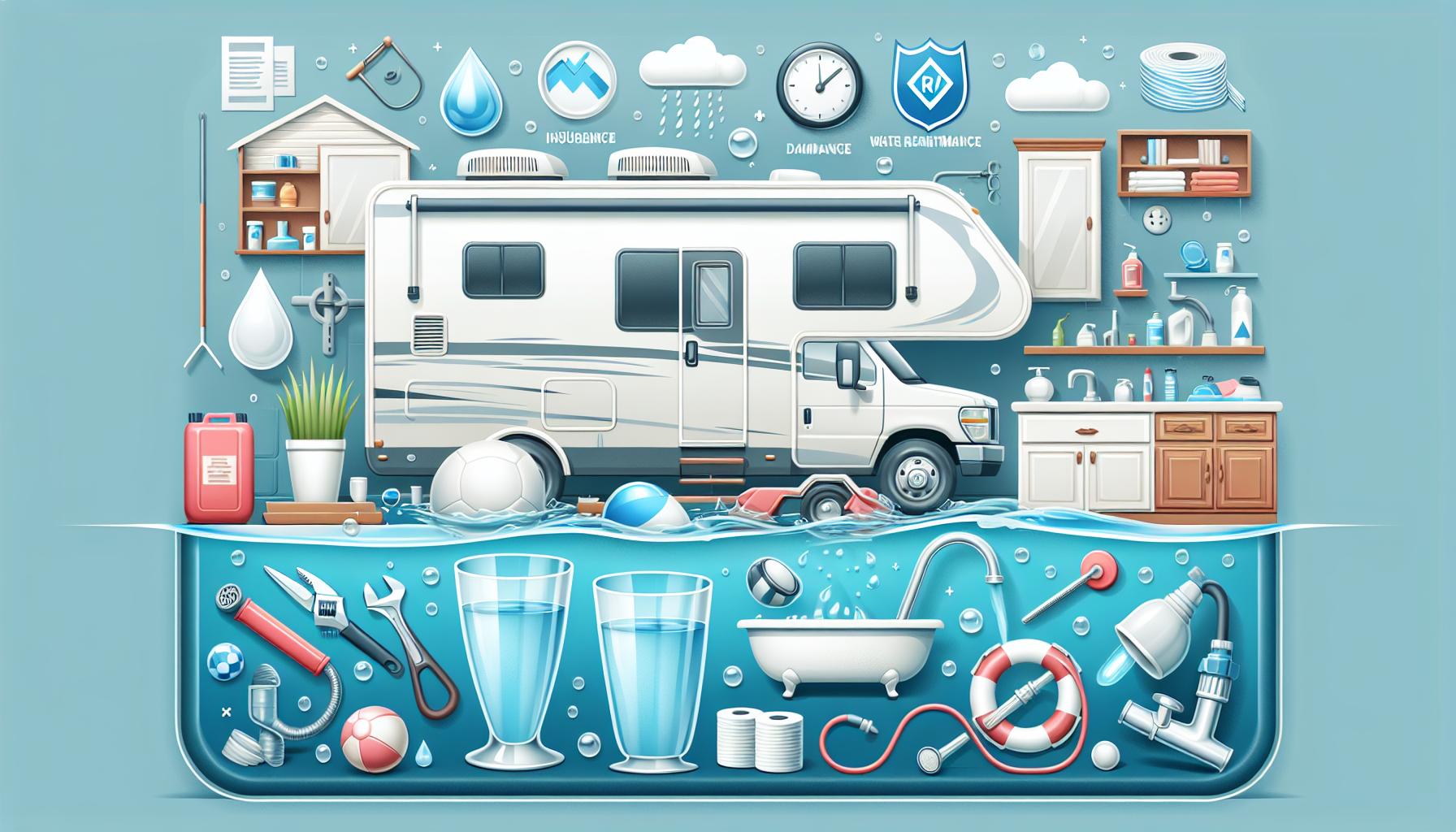
How to Determine If Your RV Insurance Includes Water Damage Protection
Understanding whether your RV insurance includes protection against water damage involves careful scrutiny of your policy details. Many RV owners may not be fully aware that standard coverage often excludes certain types of water-related incidents. Therefore, it’s essential to review your policy thoroughly to prevent unexpected out-of-pocket expenses when faced with water damage.
Steps to Check Your Coverage
Start by examining the declarations page of your RV insurance policy. This document outlines your coverage types, limits, and deductibles. Look specifically for keywords relating to water damage, comprehensive coverage, or any specific endorsements. Here are some key components to consider:
- Comprehensive Coverage: This typically covers non-collision-related incidents, such as falling trees or severe weather, which may lead to water entering your RV. If you have opted for comprehensive coverage, check if it includes water damage due to storms or other uncontrollable events.
- Special Endorsements: Some policies allow for additional endorsements that can expand your coverage. If water damage is not automatically included, inquire about adding this protection.
- State-Specific Regulations: Depending on where you live, your policy may be influenced by local regulations regarding water damage. Make sure to account for these when reviewing your coverage.
Consulting Your Insurance Provider
If your review still leaves you uncertain, do not hesitate to reach out to your insurance provider directly. Ask specific questions about water damage coverage and clarify any ambiguous terms in your policy. It’s also valuable to discuss scenarios that could lead to water damage, such as leaks, floods, or other environmental risks, and how those are addressed in your coverage.
For example, a tree falling on your RV during a storm could cause roof damage, leading to water intrusion. In such instances, knowing beforehand whether comprehensive coverage kicks in for repairs will save you from a stressful situation.
In summary, being proactive about confirming your RV insurance coverage before incidents occur is crucial. By investigating your policy, consulting with your provider, and understanding your options, you’ll be better prepared for any water damage that may arise. This approach ensures you are well-informed, helping you make the right decisions when faced with potential risks associated with RV ownership.
Steps to Take if You Experience Water Damage in Your RV
Experiencing water damage in your RV can be a distressing situation, but knowing how to respond effectively can minimize further issues. The first step is to identify and address the source of the leak. This could be from damaged seals, which are common culprits as they degrade over time, or plumbing issues that may have gone unnoticed. If possible, take immediate action to prevent more water from entering, whether that means temporarily sealing up holes or turning off the water supply.
Once you’ve mitigated the leak, the next step is to assess the extent of the damage. Thoroughly inspect both the exterior and interior of your RV. Look for signs of moisture in the walls, ceilings, and floors. Check seams, seals, and roof areas particularly closely since water can travel a considerable distance from its entry point before visible damage occurs. According to RV experts, documenting the damage with photographs can be beneficial for both insurance claims and repair records [1] [2].
Repairing the Damage
After assessing the damage, consider the necessary repairs. Depending on the severity, you may need to consult with a professional or tackle smaller repairs yourself. It’s important to dry out any wet areas immediately to prevent mold growth and further deterioration of your RV’s materials. Use fans or a dehumidifier to aid in the drying process, particularly in enclosed spaces.
If the water damage has impacted other systems such as electric or plumbing, ensure that these are addressed promptly to avoid additional challenges. Regular checks and maintenance of your RV’s seals and plumbing can help prevent water damage from occurring in the first place [3].
Insurance Considerations
Lastly, understand the implications for your insurance coverage. If you have RV insurance, contact your provider to determine if your policy covers water damage. Document all findings, actions taken, and repair estimates, as this information can be crucial for a potential claim. Knowing what your insurance covers can save you significant costs down the line and provide peace of mind during the repair process. Always refer back to resources like “Will RV Insurance Cover Water Damage? Know Before You Need It” for detailed insights into your coverage options.
By taking these steps, you can not only address immediate concerns but also protect your investment for future road trips and adventures.
Comparing RV Insurance Policies: Finding the Best Coverage for Water Damage
Understanding how to compare various RV insurance policies can help you secure the best protection against potential water damage. Water damage can arise from numerous unforeseen events, such as leaks, heavy rains, or even flooding, and having the right coverage is crucial. Not all policies are created equal, especially when it comes to water-related claims, which often come with specific exclusions and limitations. Therefore, it’s essential to thoroughly evaluate the options available to ensure you are adequately protected.
Key Factors to Consider
When assessing RV insurance policies, consider the following factors related to water damage coverage:
- Policy Type: Comprehensive coverage generally offers better protection against water damage compared to basic liability policies. Ensure your chosen policy level explicitly includes water damage protection.
- Coverage Limits: Investigate the maximum payout for water damage claims. Some policies impose sub-limits that cap compensation, which may not cover extensive repairs.
- Exclusions: Review what types of water damage are excluded. Policies may not cover damage caused by neglect or failures to maintain the RV properly.
- Additional Endorsements: Look into options for additional endorsements or riders that enhance water damage coverage, such as coverage for floods or heavy rains.
Real-World Examples of Coverage Differences
To illustrate how coverage can vary, consider these real-world scenarios:
| Policy Type | Common Water Damage Scenarios Covered | Limitations |
|---|---|---|
| Basic Liability | None | Only covers damage to others; not your RV’s damage. |
| Comprehensive | Leaking roof, burst pipes | May have sub-limits for total water damage claims. |
| Premium Comprehensive with Endorsements | Flood damage, heavy rain exposure | Specific conditions may still apply; check for exclusions. |
By carefully comparing these elements across different insurers, you can identify which policy offers the best protection for your specific needs regarding water damage. Don’t just focus on the price; scrutinizing the fine details of coverage can save you from significant out-of-pocket expenses in the event of water-related incidents. Always remember the importance of thorough research before making a decision about RV insurance and consider reaching out to insurance agents for personalized advice based on your RV usage and storage conditions.
Expert Tips for Filing a Claim for Water Damage in Your RV
Filing a claim for water damage in your RV can be a daunting experience, especially when navigating insurance policies that can be complex and hard to understand. However, being well-prepared and informed can make this process more manageable. One crucial first step is to carefully review your RV insurance policy to confirm whether your specific type of water damage is covered. Policies can vary significantly; some may cover new incidents of water damage while excluding those related to pre-existing conditions or specific causes like flooding caused by natural disasters. Understanding the nuances of your coverage helps set expectations for the claim process.
When you’re ready to file a claim, documentation is key. Start by taking comprehensive photos of the damage as soon as possible. This visual evidence can support your claim and provide clarity on the extent of the damage. Make sure to include:
- Close-up shots of affected areas.
- Wide-angle photos to show the full scope of damage.
- Any relevant details, such as previous repairs or complications.
Additionally, keep receipts or records of any repairs already undertaken to mitigate further damage, as these can be helpful when your insurer assesses your claim.
Communicating promptly and clearly with your insurance provider is essential. Notify them of the damage and your intent to file a claim as soon as possible. Maintain a record of all interactions, including dates, times, and the names of individuals you speak with. This creates a paper trail that can support your case if disputes arise regarding the claims process. Be prepared to answer questions about the damage, including when it occurred and how it may have started, as this can affect the eligibility for coverage.
Lastly, consider seeking advice from RV insurance experts or consumer advocacy groups if complications arise during the claim process. They can provide insight into strategies for navigating disputes and improving your chances of a favorable outcome. By following these expert tips, you’ll be better positioned to ask, “Will RV Insurance Cover Water Damage? Know Before You Need It,” ensuring that you are prepared should the need for a claim arise.
Seasonal Considerations: Preparing Your RV for Water Damage Risks
As the seasons change, so do the risks associated with RV water damage. Understanding how to prepare your RV for potential leaks and water-related problems is crucial for maintaining its integrity and ensuring that you can enjoy your adventures worry-free. With the right strategies in place, you can significantly reduce the chances of encountering water damage, which can often lead to costly repairs and insurance claims.
Key Seasonal Preparations
Preparation involves a proactive approach to inspect and address potential issues before they become serious problems. Here are some essential steps to take:
- Inspect Seals and Caulking: Every seasonal change should prompt a thorough inspection of the RV’s roof and seams. Look for cracks or worn-out seals that can allow water entry. Attention should also be paid to window seals and door jambs.
- Clean Gutters and Drainage: Ensure that gutters are free from debris, allowing water to flow away from your RV. Clogged gutters can lead to overflow and seepage into the vehicle.
- Address Plumbing Systems: Before winter, check all plumbing connections for leaks and ensure all drains are functioning properly. Winterizing your plumbing is crucial to prevent freezing and bursting pipes.
- Evaluate Indoor Conditions: High humidity levels can lead to condensation and mold. Use dehumidifiers if necessary, especially in humid climates.
Seasonal Maintenance Tips
Creating a checklist for each season can help keep your RV in prime condition and reinforce its defenses against water damage. Below is a sample maintenance checklist:
| Season | Task |
|---|---|
| Spring | Inspect roof seals, clean gutters, and check plumbing systems. |
| Summer | Monitor humidity levels and check for leaks regularly. |
| Fall | Winterize plumbing, clean and inspect the interior for signs of water damage. |
| Winter | Check for ice damming on the roof and inspect heating systems for effectiveness. |
By proactively addressing water damage risks through seasonal preparations, RV owners can better ensure their travel experiences are free from the distress of leaks or mold. These measures not only protect your investment but may also influence how RV insurance covers water damage in the event of an incident. Keeping these considerations in mind will inform your ongoing maintenance strategy and potentially minimize repair costs down the road.
Frequently Asked Questions
Will RV Insurance Cover Water Damage?
Yes, RV insurance can cover water damage, but the extent of coverage often depends on your policy type. Comprehensive coverage usually includes damages from external sources, like floods, but is not guaranteed for damages from neglect.
To ensure coverage, it’s essential to understand the specifics of your insurance policy. Some policies might impose exclusions, particularly for damage due to lack of maintenance. Always review your policy documents or consult your agent for clarification.
What is Comprehensive Coverage in RV Insurance?
Comprehensive coverage is a type of RV insurance that protects against damage to your vehicle caused by non-collision events, including water damage. This coverage is essential for protecting your RV from unforeseen environmental threats.
For example, if your RV is damaged due to a flood or a fallen tree, comprehensive coverage can help cover the repair costs, subject to your deductible. However, damages resulting from poor upkeep, like leaks from windows, might not be covered.
Can I File a Claim for Water Damage?
Yes, you can file a claim for water damage if it falls within the scope of your RV insurance policy. Ensure you document the damage thoroughly before submitting your claim.
Typically, you would need to gather evidence, such as photographs and estimates for repairs, and then report the incident to your insurance provider. Be aware of your policy’s terms regarding water damage to improve your claim success.
Does my policy cover flood damage?
Whether your RV insurance covers flood damage largely depends on the specifics of your policy. Many comprehensive plans provide coverage for flood-related damage, but it’s crucial to check the details.
Flood damage often has distinct criteria and limitations. For instance, if the damage is due to a natural flood event, coverage might be available, while other types of water ingress might not be. Always verify your particular policy with your insurance agent.
Why might water damage be excluded from RV insurance?
Water damage might be excluded from RV insurance if it results from the owner’s neglect, such as failing to maintain seals or regular inspections. Insurers often include these exclusions to mitigate risk.
It’s important to keep your RV well-maintained; otherwise, you could be responsible for costly repairs. Regular checks and maintenance can ensure your coverage remains effective when you need it most.
How do I prevent water damage to my RV?
Preventing water damage in your RV involves regular maintenance and vigilance. Check for leaks, maintain seals around windows and doors, and ensure drainage systems are clear.
Additionally, storing your RV in protective coverings or garages can help guard against extreme weather conditions. Taking these steps can significantly reduce your chances of facing expensive water damage down the line.
What actions should I take if my RV experiences water damage?
If your RV experiences water damage, the first step is to document the damage and contact your insurance provider as soon as possible. Timely reporting can facilitate the claims process.
Next, conduct necessary repairs to mitigate additional damage, if safe to do so, and preserve any evidence for your claim. Your insurance policy will guide you on the next steps, and a proper approach can expedite your claim resolution.
Key Takeaways
Understanding whether RV insurance covers water damage is crucial for any RV owner. While comprehensive coverage can protect against unexpected water damage from natural disasters, it’s essential to know that coverage varies widely based on your specific policy and circumstances. For instance, maintenance-related leaks or problems stemming from neglect might not be covered, leaving you responsible for repairs[[[2]](https://www.progressive.com/answers/does-rv-insurance-cover-water-damage/).
Additionally, many policies impose exclusions and sub-limits on water damage claims, potentially limiting the financial assistance you might expect after a flood or leak[[[3]](https://legalclarity.org/does-rv-insurance-cover-water-damage-what-you-need-to-know/).
To ensure you’re fully protected, take the time to review your policy and understand its terms. Being informed will empower you to make the best decisions for your RV’s maintenance and insurance needs, giving you peace of mind whether you’re on the road or parked for a long stay. For further insights and tips on how to navigate RV insurance, explore more articles or consult with an insurance professional. Your RV adventures deserve to be worry-free!


