Wondering how efficient your pressure washer is when it comes to water usage? Understanding just how much water these powerful cleaning tools consume is essential for eco-conscious homeowners and businesses alike. By optimizing your pressure washing technique, you can conserve water while achieving remarkable results, making your cleaning efforts both effective and environmentally friendly.
Understanding Pressure Washer Water Consumption
Water usage is a crucial consideration for both eco-conscious consumers and homeowners looking to maintain clean surfaces without waste. Recognizing how much water a pressure washer consumes can not only impact your utility bills but also contribute to sustainable practices in landscape and household maintenance. Many people are surprised to learn that pressure washers are often more efficient than traditional garden hoses when it comes to water consumption per cleaning task.
Efficiency of Pressure Washers
Pressure washers utilize a unique mechanism to maximize water usage while delivering powerful cleaning capabilities. Typically, these machines operate at a pressure of 1300 to 3000 PSI (pounds per square inch), which allows them to clean effectively with considerably less water than a standard hose. On average, a traditional garden hose can dispense about 4 to 8 gallons of water per minute. In contrast, a pressure washer might use only 1.5 to 4 gallons per minute depending on the model and its pressure settings.
- Low-Pressure Models: These generally consume less water and are ideal for delicate surfaces.
- High-Pressure Models: Though they may use slightly more water, they provide superior cleaning power for tough jobs.
- Water Efficiency Tips: Use lower pressure settings for less intensive cleaning tasks to save water.
Comparing Water Use
To illustrate the water savings, consider the following comparison between a pressure washer and a garden hose over a standard 30-minute cleaning job:
| Device | Water Consumption (Gallons) |
|---|---|
| Garden Hose | 120 – 240 gallons |
| Pressure Washer (average) | 45 – 120 gallons |
This comparison reveals a significant advantage for pressure washers, emphasizing how they can help you maintain cleanliness while conserving water. Not only does using a pressure washer contribute to a more efficient cleaning process, but it also highlights your commitment to responsible water management. As you tackle your exterior cleaning tasks, remember that smart water usage can lead to better results in less time, thus enhancing both the appearance of your property and your eco-friendly standing.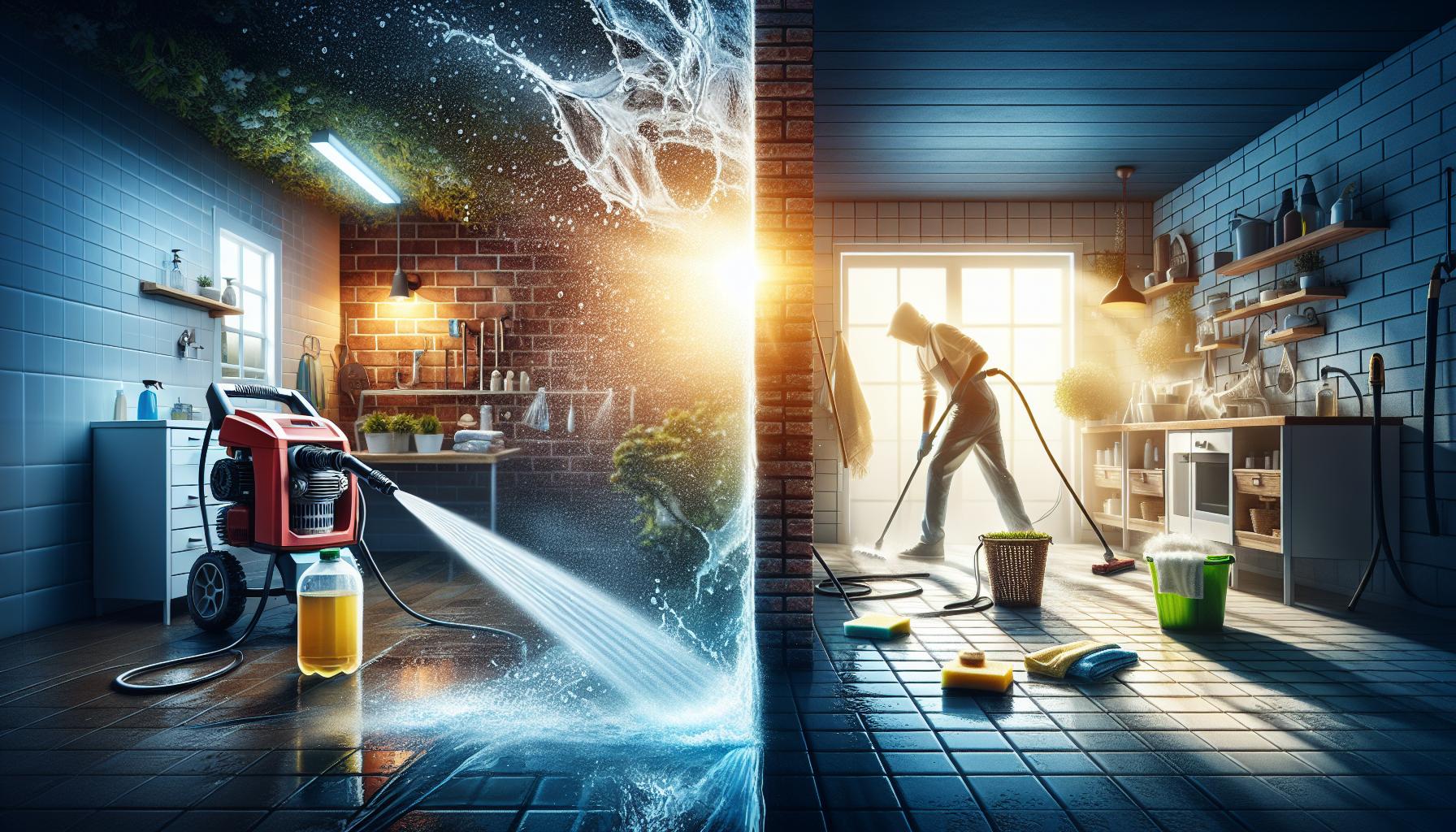
Comparing Water Usage: Pressure Washers vs. Traditional Cleaning Methods
Using water efficiently is crucial not only for effective cleaning but also for conserving this precious resource. When comparing pressure washers to traditional cleaning methods, it becomes clear that pressure washers often use significantly less water while achieving superior results. A common misconception is that power washing consumes a lot of water; however, modern pressure washers can use as little as 1.5 gallons per minute, making them a preferable choice for reducing overall water usage during cleaning tasks.
Water Usage Comparison
The stark difference in water consumption between pressure washing and traditional methods highlights the efficiency of pressure washers. Traditional cleaning methods, such as using a garden hose, can use roughly 8 to 10 gallons per minute. This means that for a job that might take 30 minutes, a garden hose could consume upwards of 300 gallons, whereas a pressure washer would only use around 45 gallons for the same duration.
| Cleaning Method | Water Usage (gallons/minute) | Estimated Total Usage (30 mins) |
|---|---|---|
| Pressure Washer | 1.5 | 45 |
| Traditional Hose | 8 – 10 | 240 – 300 |
By choosing to use a pressure washer, not only can you save water, but you can also achieve more thorough cleaning results, especially on surfaces such as driveways, decks, and patios. The high-pressure water jets remove dirt, grime, and even mold more effectively than traditional methods, minimizing the need for chemical cleaners that can contribute to water pollution.
Environmental Impact
Additionally, the environmental benefits of using pressure washers extend beyond mere water savings. Traditional cleaning methods can lead to runoff that carries pollutants into waterways, creating issues like nutrient pollution, which is harmful to aquatic ecosystems. By using less water and avoiding harmful chemicals, pressure washers help mitigate these environmental impacts. Therefore, for those wondering how much water does a pressure washer use while cleaning, the answer is not only less but also more effectively—resulting in cleaner surfaces and a healthier environment.
Tips for Reducing Water Waste While Pressure Washing
When it comes to maintaining your home’s exterior, pressure washing is a powerful and efficient tool. However, it often leads to significant water use, raising concerns about waste. In fact, standard pressure washers can consume anywhere from 1.5 to 3.5 gallons of water per minute. As environmentally conscious homeowners, exploring ways to reduce this water footprint can make a substantial difference while still achieving that pristine clean.
Choose the Right Equipment
Selecting the correct pressure washer is crucial. Opt for machines labeled as water-efficient models; these often reduce water usage without sacrificing performance. Moreover, electric pressure washers generally use less water compared to gas-powered ones. When you properly maintain your equipment, ensuring no leaks in hoses and connections, you can maximize efficiency.
Utilize Nozzles Wisely
Different nozzles can drastically affect how much water is used during cleaning. For most tasks, using a fan spray or a zero-degree nozzle will deliver better results with less water. In fact, wider angle nozzles can cover more area quickly, thereby minimizing time and water usage. Always test different nozzles on a small section to determine the best fit for your cleaning task.
Timing and Technique Matter
Timing plays a pivotal role in water conservation during pressure washing. Perform your cleaning tasks when temperatures are cooler, such as in the early morning or late afternoon. This method not only enhances cleaning efficiency but also decreases evaporation, meaning you’ll use less water overall. In addition, pre-soaking particularly dirty surfaces with a biodegradable cleaner can help lift grime and reduce the time spent pressure washing.
Collect and Reuse Water
There are creative ways to collect wastewater for reuse. Consider setting up a rainwater collection system that gathers water for outdoor cleaning tasks. Additionally, you can capture excess water from pressure washing activities in a bucket or storage tank. This water can be repurposed for watering plants or washing your vehicles, further minimizing waste.
Through these steps, you can ensure that your pressure washing efforts are not only effective but also mindful of water conservation. Implementing these tips will help keep your space clean while adhering to sustainable practices that support the environment. By understanding how much water does a pressure washer use and making adjustments, you contribute positively to water conservation efforts.
Choosing the Right Pressure Washer for Optimal Efficiency
Understanding the relationship between cleaning power and water efficiency is crucial when selecting a pressure washer that meets your needs. With the right equipment, not only can you enhance your cleaning results, but you can also significantly conserve water, making your cleaning efforts both effective and eco-friendly. To truly maximize both performance and resource efficiency, consider the following factors in your decision-making process.
Assessing Your Cleaning Needs
Before diving into the specifications, assess the specific tasks you plan to tackle. Are you clearing grease-stained driveways, refreshing your patio, or simply rinsing your car? Each task calls for different power levels and flow rates.
- Light-duty: Ideal for small jobs like washing cars or cleaning patios. Look for machines with around 1300-1900 PSI (pounds per square inch) and a flow rate of approximately 1.2-1.5 GPM (gallons per minute).
- Medium-duty: Perfect for tougher tasks such as removing mildew or cleaning fences. These washers typically operate at 2000-2800 PSI and 1.5-2.5 GPM.
- Heavy-duty: Best for larger projects, such as commercial cleaning or deep stain removal. Consider models that provide 2900 PSI and above with at least 2.5 GPM flow.
Evaluating Water Usage
Understanding how much water a pressure washer uses is vital for making an environmentally friendly choice. Many models boast high PSI and GPM rates, but efficiency varies widely. A more efficient pressure washer can provide powerful cleaning while using significantly less water.
To illustrate:
| Pressure Washer Type | Typical PSI | Typical GPM | Estimated Water Usage per Hour (Gallons) |
|---|---|---|---|
| Light-Duty | 1300-1900 | 1.2-1.5 | 72-90 |
| Medium-Duty | 2000-2800 | 1.5-2.5 | 90-150 |
| Heavy-Duty | 2900 and up | 2.5-3.5 | 150-210 |
As seen in the table above, choosing a washer wisely can result in considerable water savings. Opt for models with adjustable pressure settings, which allow you to manage water flow during different tasks, further enhancing efficiency.
Consider Portability and Power Source
The choice between electric and gas-powered pressure washers can heavily influence both convenience and cleaning efficiency. Electric models usually consume less water and are easy to handle, making them perfect for homeowners. However, if you need more power for larger areas or tough stains, gas models may provide the required pressure and water output.
Ultimately, the right pressure washer balances cleaning performance with water efficiency. By understanding how much water these tools consume and selecting one tailored to your particular tasks, you can achieve sparkling results while keeping your environmental impact minimal.
The Impact of Water Pressure on Consumption Rates
Understanding the relationship between water pressure and consumption rates is crucial for both efficient cleaning and conservation, especially when using pressure washers. High water pressure can make pressure washing tasks quicker and more effective, but it also significantly influences the amount of water consumed. Many homeowners may not realize that adjusting water pressure can lead to considerable savings while still achieving effective cleaning results.
Water Pressure Efficiency
In pressure washers, the pressure measured in PSI (pounds per square inch) directly affects the flow rate in gallons per minute (GPM). For instance, a standard residential pressure washer might operate efficiently at around 2000 PSI with a flow rate of approximately 1.5 to 2.5 GPM. When effectively utilized, these washers can clean larger areas with less water than traditional methods, making them an environmentally friendly option.
However, excessive water pressure can inadvertently lead to higher consumption rates and potential damage to surfaces. It is essential to find a balance. Lowering the pressure can reduce water usage while still accomplishing the task effectively, particularly for delicate surfaces like wood decks or painted areas.
Optimizing Water Usage
To optimize water usage while using a pressure washer, consider these practical tips:
- Choose the Right Nozzle: Using a fan or lower-pressure nozzle can enhance cleaning without wasting water.
- Adjust Pressure Settings: If your pressure washer has adjustable settings, opt for lower pressure where feasible.
- Limit Run Time: Only use the pressure washer when necessary and aim to complete tasks in a timely manner.
Employing these strategies not only makes cleaning jobs more effective but also promotes water conservation, aligning with the goals of saving water while maintaining cleanliness.
Cost Implications
Water consumption rates impact more than just the environment; they also affect utility costs. Here’s a simple breakdown of potential savings based on varied water pressures:
| Pressure (PSI) | Flow Rate (GPM) | Estimated Consumption (Gallons per Hour) |
|---|---|---|
| 2000 | 1.5 | 90 |
| 2500 | 2.0 | 120 |
| 3000 | 2.5 | 150 |
By monitoring and adjusting your pressure settings, you can significantly reduce water waste and keep your cleaning costs in check. Understanding how much water does a pressure washer use allows homeowners to implement practices that lead to both effective cleaning and smarter water consumption.
Best Practices for Eco-Friendly Pressure Washing
Using a pressure washer can significantly reduce the environmental impact of cleaning tasks around your home. By adopting eco-friendly practices, not only can you conserve water, but you can also minimize the use of harmful chemicals. It’s essential to understand that the traditional methods of pressure washing often rely on harsh detergents and high water volumes, which can be detrimental to both your property and the environment. By focusing on best practices, you can achieve a clean and safe space without compromising ecological integrity.
Choose Eco-Friendly Detergents
Opt for biodegradable and non-toxic cleaning agents that effectively break down grime without harming surrounding flora and fauna. Many eco-friendly detergents are specially formulated to pair with pressure washing equipment, ensuring you don’t need to revert to old chemical-laden cleaners. Before using any product, check for certifications or labels that signify environmentally safe ingredients.
Optimize Water Usage
One of the key questions around pressure washing is, “How much water does a pressure washer use?” By selecting models that are designed for efficiency, you can significantly reduce water consumption. Consider investing in high-efficiency pressure washers that automatically adjust water flow depending on the surface being cleaned. Here are some quick tips to save water:
- Use a nozzle that matches your cleaning task: Different nozzles adjust pressure and flow, allowing you to use less water on lighter jobs.
- Apply water foams: Pre-soaking surfaces with foam can help in breaking down dirt quickly, minimizing the overall water needed.
- Limit wash areas: Focus on high-traffic areas rather than washing entire surfaces unnecessarily.
Plan Your Cleaning Route
Effective planning can further enhance the eco-friendliness of your pressure washing chores. By outlining a cleaning route, you can ensure that you are using your equipment efficiently, which reduces both water and energy usage. For instance, clean from the highest surface to the lowest to allow debris to wash down, preventing the need for additional cleaning efforts.
Post-Washing Maintenance
After you’ve finished pressure washing, consider the impact of the wastewater created. To ensure it doesn’t enter storm drains, which can cause pollution, direct the runoff towards grassy areas or gardens where it can be absorbed naturally. Additionally, consider using rain barrels to collect water for later cleaning needs, further emphasizing a commitment to sustainable practices while answering the question of how much water does a pressure washer use.
By embracing these eco-friendly pressure washing practices, you not only help protect the environment but also contribute to a healthier ecosystem in your community, effectively blending cleanliness with sustainability.
How to Calculate Your Pressure Washer’s Water Usage
Determining the water usage of your pressure washer is crucial for both environmental awareness and efficient cleaning. Many people overlook how much water they consume during a pressure washing job, making it essential to calculate this accurately. Not only does understanding water usage help you save on utility bills, but it also contributes to broader water conservation efforts.
To estimate how much water your pressure washer utilizes, you need to consider its flow rate, typically measured in gallons per minute (GPM), and the duration of use. The process is straightforward, and here’s how you can do it effectively:
Steps to Calculate Water Usage
- Identify the Flow Rate: Check your pressure washer’s specifications. Most models will have a flow rate indicated in GPM. For instance, a standard residential pressure washer often ranges from 1.5 to 3 GPM.
- Measure Your Usage Time: Track how long you plan to operate your pressure washer. For example, if you intend to wash your driveway for 30 minutes, note this time down.
- Use a Simple Calculation: Multiply the flow rate by the usage time in hours to find the total water consumption. Here’s the formula:
Water Usage (in gallons) = Flow Rate (GPM) × Usage Time (in minutes) ÷ 60
Example Calculation
If you have a pressure washer with a flow rate of 2 GPM and you use it for 30 minutes, your calculation would look like this:
| Flow Rate (GPM) | Usage Time (minutes) | Water Usage (gallons) |
|---|---|---|
| 2 | 30 | 1 |
Calculating it:
Water Usage = 2 GPM × 30 minutes ÷ 60 = 1 gallon
This means your washing task consumed about 1 gallon of water, demonstrating how this simple exercise can enlighten you on your cleaning resource usage.
By understanding how much water does a pressure washer use? Save water, clean better becomes not just a question but a manageable aspect of your cleaning routine. Making mindful choices in your pressure washing practices not only aids in conserving water but also enhances your overall cleaning efficiency.
Maintaining Your Pressure Washer for Better Performance and Less Waste
Using a pressure washer not only makes cleaning tasks easier but, when maintained properly, it can also be an efficient way to save water without sacrificing performance. Many users are surprised to learn that, despite the strong stream of water they use, pressure washers can consume significantly less water than a traditional garden hose. However, ensuring your equipment runs optimally is key to maximizing efficiency and reducing water waste.
Routine Maintenance for Maximum Efficiency
Regular maintenance is essential for the longevity and performance of your pressure washer. Here are some critical tasks to incorporate into your maintenance routine:
- Check and Change the Oil: Just like a car, your pressure washer needs clean oil to function correctly. Regular oil checks and changes prevent engine wear and tear.
- Clean the Filter: Ensure that the water inlet filter is free from debris. A clogged filter reduces water flow, controlling how much water is used effectively.
- Inspect the Hose: Look for cracks or leaks in the hose that can lead to water waste. Replacing damaged hoses minimizes wastage and enhances pressure consistency.
- Winterizing: If you don’t use your machine during the winter months, winterizing it can prevent damage from freezing conditions, ensuring trouble-free performance when you’re ready to use it again.
Utilizing Proper Techniques to Conserve Water
The way pressure washers are used also significantly impacts their water consumption. Here are some techniques that help in conserving water while keeping cleaning efficient:
- Use the Right Nozzle: Different nozzles offer different spray patterns. Using a narrow nozzle can concentrate the water and provide a deeper clean while using less water overall.
- Adjust Pressure Wisely: Often, reducing the pressure can still achieve great results while consuming less water—experiment to find the optimal setting for your tasks.
- Pre-soak When Necessary: Instead of using higher pressure for tough stains, consider pre-soaking the area with a cleaning solution, which might reduce the need for extensive washing afterward.
By keeping your pressure washer in good condition and using it efficiently, you can greatly reduce water waste while achieving a thorough clean. Emphasizing routine maintenance and smart usage techniques aligns perfectly with the idea of how much water does a pressure washer use: a well-maintained machine not only cleans better but also conserves precious resources.
Frequently asked questions
How Much Water Does a Pressure Washer Use? Save Water, Clean Better?
A pressure washer typically uses between 2 to 3 gallons per minute (GPM). To put it in perspective, this is significantly less water than a garden hose, which can use around 5-10 GPM. With the right techniques, you can save water while achieving better cleaning results.
Using a pressure washer effectively allows you to focus high-pressure water on specific surfaces, reducing the amount of time needed and water waste. Opt for energy-efficient models that conserve water yet deliver powerful cleaning performance. Visit our article on how pressure washers work for tips on maximizing efficiency.
What is the environmental impact of using a pressure washer?
The environmental impact of using a pressure washer can be minimal if used correctly. By consuming less water than traditional hoses, they help in water conservation while still achieving effective results.
Moreover, pressure washers often use less cleaning solution, which is better for the environment. Choosing eco-friendly soap can further reduce your impact. Using less water and fewer chemicals is the key to a sustainable cleaning solution for your outdoor spaces.
Can I use a pressure washer to save water while cleaning my home?
Yes, using a pressure washer can indeed help you save water while cleaning your home. Because they operate at a high pressure, they require less water to remove dirt and grime effectively.
Switching from a garden hose to a pressure washer during spring cleaning or other chores not only reduces water use but can also significantly reduce the time it takes to clean tough surfaces. High-temperature pressure washers can further enhance your cleaning efficiency.
Why does a pressure washer use less water than a garden hose?
A pressure washer uses a concentrated stream of water at high pressure, resulting in less overall water use. Most garden hoses provide a higher volume of water with less focus, leading to more waste.
By using pressure, even the stubborn dirt is lifted off surfaces quicker, minimizing the gallons of water needed. This focused approach allows you to get the same cleaning results with much less water, making them an efficient cleaning solution.
How can I reduce water usage when using a pressure washer?
To reduce water usage when using a pressure washer, ensure you select the appropriate nozzle and use the lowest effective pressure setting. This can cut down your water consumption without sacrificing cleaning power.
Furthermore, consider collecting and reusing water runoff using a catch basin or tarp when you wash larger surfaces. This not only conserves water but also demonstrates eco-conscious cleaning practices at home.
What is the best pressure washer for saving water?
The best pressure washer for saving water varies by model, but generally, electric pressure washers offer a more efficient GPM than gas models. Look for one with a rating of around 1.5 to 2.0 GPM.
Brands that include features like adjustable pressure settings have the added advantage of tailoring water output to the task at hand, enhancing efficiency. Reviews on ‘best pressure washers’ can lead you to models that not only clean more effectively but also line up with your sustainability goals.
Can I connect my pressure washer directly to a water source?
Yes, you can connect your pressure washer directly to a water source like a tap or garden faucet. Ensure that you use the recommended hoses to maintain optimal pressure and avoid leaks.
Make sure to check the specifications of your pressure washer to understand the requirements for water intake. Maintaining proper connections helps in maximizing performance while keeping water consumption to a minimum.
Key Takeaways
In summary, understanding how much water a pressure washer uses is crucial for both efficiency and conservation. By recognizing that these cleaning machines can use anywhere from 1.5 to 4 gallons per minute, you can make smarter choices that benefit both your cleaning tasks and the environment. Opting for the right pressure washer for your needs not only enhances your cleaning capabilities but also helps you save water. Remember, choosing techniques like adjusting the nozzle or using a detergent can further minimize water usage while maximizing cleaning power. We encourage you to explore more on this topic, and feel free to reach out with any questions or share your own tips on water-saving practices. Together, we can clean better while being mindful of our precious resources!