


Ensuring that your drinking water is safe is paramount, yet many are unaware of the chlorine levels that can affect its quality. Testing for chlorine is essential for maintaining health and peace of mind, whether for home use or in community settings. This guide explores simple methods to check chlorine levels and highlights why regular testing is crucial for safe water consumption.
Understanding the Importance of Testing Chlorine Levels in Drinking Water
Water is essential for life, but not all water is created equal. Chlorine is a common disinfectant used in municipal water systems to kill harmful bacteria and pathogens. However, while it effectively protects water supply, excessive chlorine levels can have detrimental effects on health and taste. Understanding the significance of testing chlorine levels in drinking water is crucial for ensuring safety and palatability.
Testing for chlorine levels helps in identifying the concentration of this chemical in your drinking water, which is vital for several reasons. First, high levels of chlorine can lead to negative health impacts, including respiratory issues and skin irritation. Regular testing allows homeowners to monitor and manage chlorine levels effectively. Second, an overabundance of chlorine can alter the flavor and odor of water, making it less appealing for consumption. By utilizing methods such as test strips, liquid reagent kits, or digital meters, anyone can quickly assess the chlorine levels and ensure water remains both safe and enjoyable to drink [[1]](https://qualitywaterlab.com/water-testing/how-to-test-for-chlorine-in-water/).
Beyond individual health, understanding water quality is crucial for maintaining overall ecosystem health. Excessive chlorine can lead to harmful chemical reactions in both freshwater and marine environments. For instance, chlorine can harm fish and other aquatic life, disrupting local ecosystems. Regular testing helps identify when dechlorination measures, such as using activated carbon filters or reverse osmosis systems, might be necessary. These systems can help remove chlorine and other unwanted chemicals, creating a healthier environment for both humans and wildlife [[3]](https://livetoplant.com/how-to-test-water-for-chlorine-and-need-for-dechlorination/).
In practical terms, testing for chlorine is simple and can often be conducted at home. Homeowners should collect water samples in chlorine-free containers and allow the water to run for a few minutes before sampling to ensure accurate results. This straightforward approach not only empowers individuals with knowledge about their water quality but also encourages proactive measures to ensure their drinking water is free of harmful contaminants [[2]](https://monitor.biology.washington.edu/how-do-you-test-for-chlorine-in-water/).
Common Methods for Detecting Chlorine in Your Water Supply
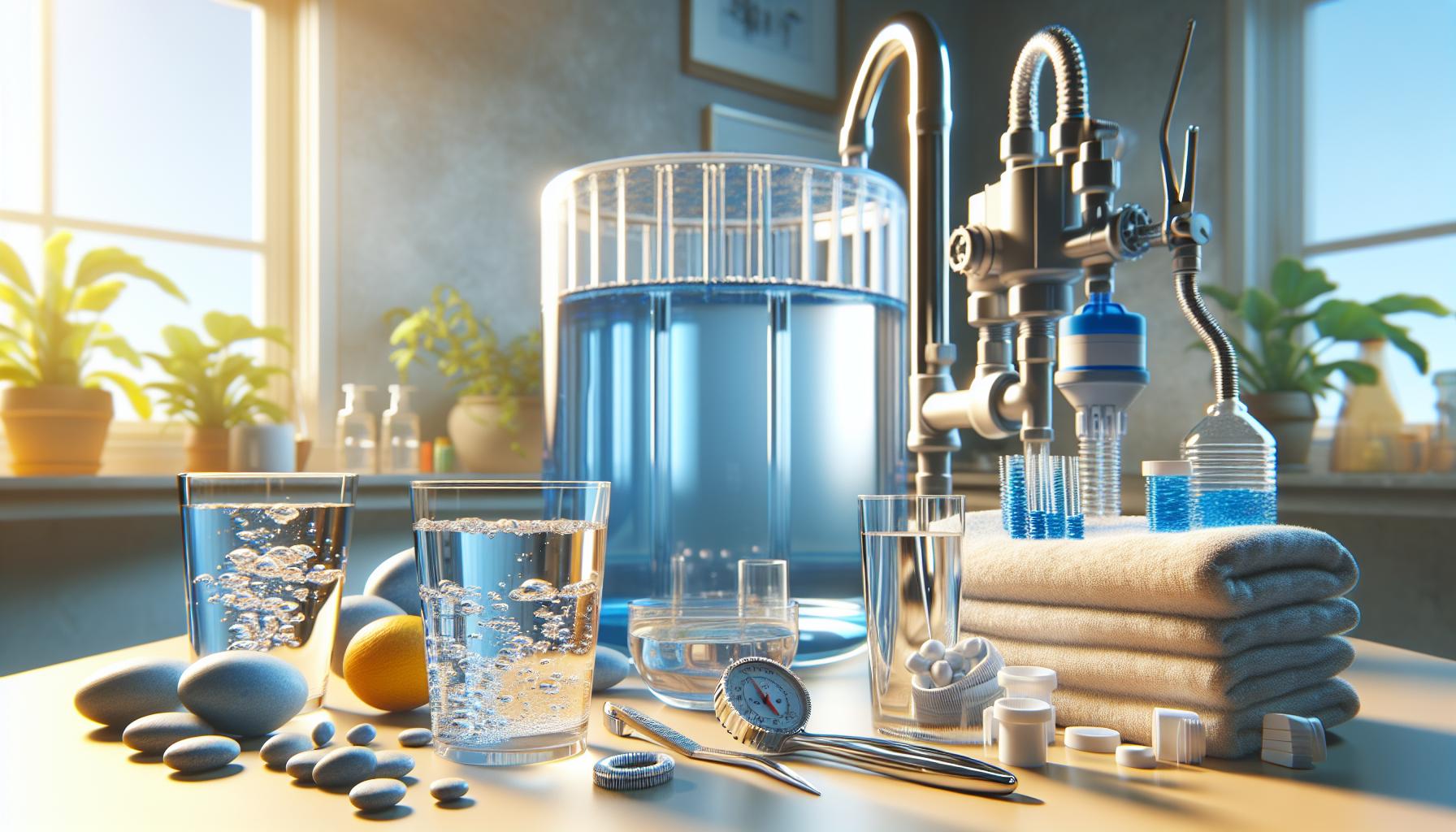
Detecting chlorine in your water supply is essential for ensuring safe drinking water, as chlorine is commonly used as a disinfectant in municipal water systems. Fortunately, there are several effective methods available for testing chlorine levels, each with its unique advantages and measurement sensitivity. Understanding these methods can empower you to take control of your drinking water quality.
Common Methods
- Colorimetric Testing: This widely used technique involves adding a reagent to a water sample that reacts with chlorine to produce a color change. The intensity of the color is then measured against a standard chart to determine the chlorine concentration. This method is appreciated for its simplicity and can provide quick results.
- DPD Method: The N,N-diethyl-p-phenylenediamine (DPD) method is a specific colorimetric technique that allows for precise chlorine detection. The water sample is treated with DPD, which forms a pink color in the presence of free chlorine. The color intensity is directly proportional to the chlorine concentration and can be measured using photometers for accurate quantification.
- Electronic Sensors: Modern water testing can also utilize electronic sensors that continuously monitor chlorine levels in real-time. These sensors typically use electrochemical methods and can provide instant feedback on water quality, making them ideal for larger systems where continuous monitoring is necessary.
- Strip Tests: For quick on-the-go testing, chlorine test strips are available. These strips change color when immersed in a water sample based on the chlorine concentration. While they may not be as precise as other methods, they are convenient for preliminary checks and easy to use.
Sensitivity and Limitations
Different methods of testing chlorine can vary significantly in sensitivity. For instance, traditional colorimetric methods often detect chlorine levels above 0.1 ppm (parts per million), while advanced methods can measure down to parts per trillion (ppt), allowing for a more detailed understanding of water quality [[2](https://www.atsdr.cdc.gov/toxprofiles/tp172-c7.pdf)][[3](https://www.ncbi.nlm.nih.gov/books/NBK598767/)]. Choosing the right method will depend on your specific needs, including whether you require quick results or highly accurate measurements.
Overall, regularly testing for chlorine in your water supply is a proactive step toward ensuring safe drinking water. Whether you choose a sophisticated electronic sensor or a simple colorimetric test, understanding how to effectively monitor chlorine levels can help maintain the quality of your water and protect your health.
How to Use Test Strips for Quick and Accurate Chlorine Measurements
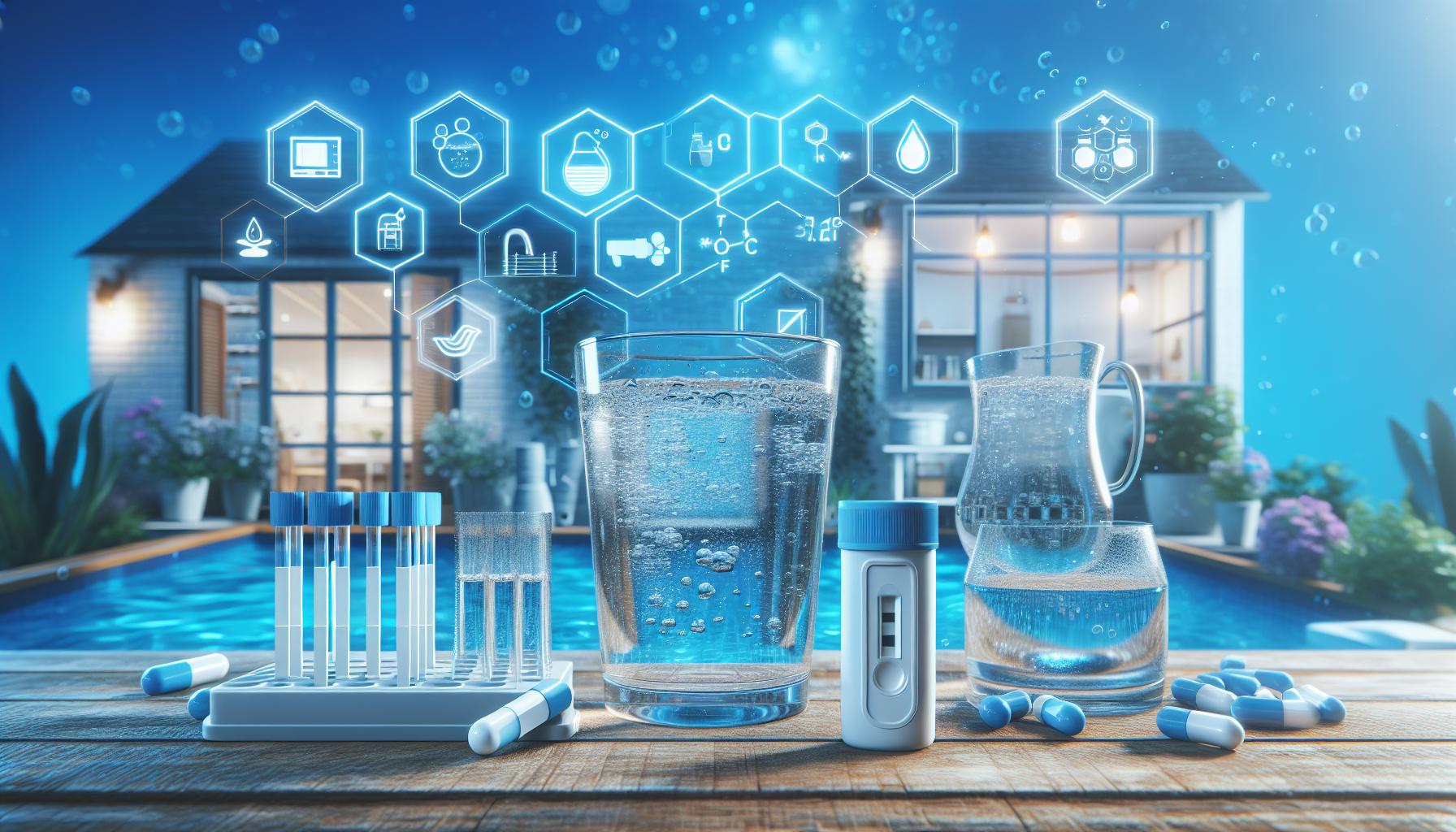
Knowing how to effectively measure chlorine levels in your water is crucial, especially if you’re concerned about safe drinking water. Test strips provide a quick and easy way to obtain accurate readings of chlorine concentration, ensuring your water is safe for consumption. Understanding how to use them will empower you to take control of your water quality, making it as hassle-free as possible.
Steps for Using Chlorine Test Strips
Utilizing chlorine test strips is a straightforward process. Here’s a simple guide to ensure you get accurate results:
- Gather Necessary Materials: Before you begin, ensure you have your chlorine test strips, a clean sample container, and any other required tools specified in the test strip instructions.
- Collect a Water Sample: Fill the container with the water you wish to test. It’s best to collect samples from various sources, like tap water, well water, or swimming pools, to better understand the chlorine levels in each.
- Dip the Test Strip: Immerse one end of the test strip into the water sample. Make sure it’s submerged for the duration recommended on the packaging—usually just a few seconds.
- Wait for the Results: Remove the strip from the water and shake off any excess liquid as instructed. Wait for the specified period (typically around 30 seconds) to allow the chemical reagents on the strip to react with the chlorine.
- Compare Colors: Finally, match the color on your test strip to the provided color chart on the packaging. This will indicate the concentration of free chlorine or total chlorine in your water sample.
Understanding the Results
Interpreting the readings from your test strips is essential in determining whether your water is safe to drink. Most strips measure either free chlorine or total chlorine concentrations. Free chlorine indicates the amount of chlorine available for disinfection, while total chlorine includes both free chlorine and chlorine that has already reacted with contaminants. Here’s a simple breakdown of how to understand these levels:
| Chlorine Level (mg/L) | Status |
|---|---|
| 0-0.5 | Safe for Drinking |
| 0.5-1.0 | Acceptable; Monitor Regularly |
| 1.0-3.0 | High Levels; May Require Dilution |
| Above 3.0 | Unsafe for Consumption |
Practical Application
Regular testing with chlorine strips can save you a lot of trouble, especially for those using well water or maintaining swimming pools. For instance, pool owners typically aim to maintain chlorine levels between 1.0-3.0 mg/L to ensure safe swimming conditions. Additionally, testing your tap water periodically can help identify any changes in water quality, ensuring that you are always informed and able to act if necessary.
By mastering the use of chlorine test strips, you can confidently ensure safe drinking water for you and your family, when it comes to understanding how to test for chlorine in water.
DIY Water Samples: Easy Steps for Home Testing
Understanding the quality of your water is essential, especially when it comes to ensuring it is safe for drinking. Chlorine is commonly used as a disinfectant in municipal water systems, but excessive chlorine levels can pose health risks. Thankfully, testing for chlorine in your water at home is a straightforward process that anyone can undertake with minimal equipment.
To begin, gather your supplies. You will need a clean glass container, a reliable home water testing kit specifically designed for chlorine detection, and optionally, a small amount of distilled water for calibration. Most chlorine test kits include test strips or liquid reagents that change color based on chlorine levels.
Steps to Test for Chlorine
- Collect a Water Sample: Fill your clean glass container with tap water. Make sure to let the water run for a few moments before filling the container to get a fresh sample.
- Follow the Kit Instructions: Depending on your chlorine test kit, either dip the test strip into the water or mix the water with the reagent in a separate vial.
- Observe the Color Change: Wait for the prescribed time, usually just a minute or two, then compare the color of your test strip or the solution with the provided color chart in the kit.
- Record Your Results: Note the chlorine concentration based on the results, particularly if it exceeds the recommended safe levels for drinking water.
If you’re looking for a more visual approach to your results, consider using a digital chlorine meter, which provides instant readings and can be more precise. It’s also beneficial to periodically check chlorine levels if your area’s water supply is known to fluctuate, ensuring that your drinking water is consistently safe.
By taking these easy steps, you can actively participate in ensuring the safety of your drinking water. Regular testing not only gives you peace of mind but also empowers you to take necessary action if chlorine levels are found to be higher than acceptable.
Interpreting Chlorine Test Results: What Do the Numbers Mean?
Understanding the significance of chlorine test results is crucial for maintaining safe water quality, whether for personal use in a swimming pool or ensuring drinking water safety. Chlorine levels indicate how effectively the water is sanitized against harmful pathogens. When interpreting these results, keep in mind the recommended chlorine levels set by the EPA and the suitable ranges for different water types.
Recommended Chlorine Levels
For effective disinfection, the Environmental Protection Agency (EPA) suggests maintaining free chlorine levels within specific ranges:
- Swimming Pools: 1-3 parts per million (ppm)
- Spas: 3-5 ppm
- Drinking Water: Generally ≤4 ppm, with lower levels preferred for safety and taste.
Testing strips allow you to determine these levels easily. Dip a strip into the water, swirl it briefly, and wait for the specified time (usually around 15 seconds) before comparing the resulting color with the provided chart. This visual comparison is an effective method to assess whether your water meets the recommended chemical balance.
Interpreting Your Results
Once you have conducted the test, the next step is to accurately interpret the color change. Here’s a simplified table to guide you:
| Chlorine Level (ppm) | Interpretation |
|---|---|
| < 1 ppm | Insufficient chlorine; needs adjustment for effective disinfection. |
| 1-3 ppm | Optimal range for swimming pools; effective sanitization. |
| 3-5 ppm | Safe for spas; monitor closely to avoid irritation. |
| > 5 ppm | Potentially high levels; consider diluting or waiting before use. |
When your results indicate a deficiency, it’s essential to add chlorine promptly to prevent bacteria and algae growth. Conversely, excessively high levels can lead to skin and eye irritation for bathers and a chemical imbalance that affects water clarity. Regular monitoring of chlorine levels is a proactive step in ensuring safe drinking water and maintaining the quality of recreational water sources, ultimately safeguarding your health and wellbeing.
Ensuring Accurate Results: Best Practices for Water Testing
To achieve accurate results when testing for chlorine in water, it’s essential to adhere to proper sampling and testing procedures. The effectiveness of your testing largely depends on the methods you employ as well as the conditions under which the samples are collected and analyzed. For instance, fluctuations in temperature and the timing of when samples are taken can significantly affect chlorine readings. Ensuring that you use the correct technique enhances not only the reliability of the results but also the safety of the water consumed.
Sampling Techniques
When collecting water samples, consider the following best practices to ensure consistency and accuracy:
- Use Clean Containers: Always use clean, contaminant-free bottles for sampling. Glass or specific plastic containers are ideal.
- Minimize Air Exposure: Cap the sample containers immediately to prevent chlorine from dissipating into the atmosphere.
- Timing Is Key: It’s best to collect samples early in the day to avoid fluctuations caused by daily water usage.
- Take Multiple Samples: If possible, collect samples from different points in your water system to get a comprehensive understanding of chlorine levels.
Selecting a Testing Method
Choosing the right method for testing chlorine is crucial. Various methods cater to different levels of accuracy and convenience, ranging from rapid tests to more sophisticated laboratory analyses. For example, the DPD method involves adding a reagent tablet to the water sample, which produces a color change that correlates with chlorine concentration. This method is simple and effective for quick assessments [[1]](https://cdn.who.int/media/docs/default-source/wash-documents/who-tn-11-measuring-chlorine-levels-in-water-supplies.pdf).
For continuous monitoring, consider using amperometric sensors that measure chlorine levels in real time within the water distribution system. These systems provide constant data and can alert operators to any irregularities, ensuring immediate action can be taken when necessary [[2]](https://www.waterworld.com/residential-commercial/article/14303194/how-to-test-for-chlorine-in-water).
Calibration and Maintenance
Regularly calibrating testing equipment and maintaining the integrity of your testing environment is vital. For digital testers, adherence to the manufacturer’s calibration schedule is essential to ensure accurate readings. Additionally, proper storage of reagents should be enforced, as extreme temperatures and expired materials can lead to inaccurate results. Following these guidelines not only helps in understanding how to test for chlorine in water effectively but also in ensuring that the water remains safe for consumption over time.
By implementing these best practices, you solidify the foundation for obtaining accurate chlorine readings, thus promoting safer drinking water and adherence to health standards.
Addressing High Chlorine Levels: Solutions for Safe Drinking Water
High chlorine levels in drinking water can be a concerning issue, not only because of potential taste and odor problems but also due to health risks associated with long-term exposure. The presence of chlorine is essential for disinfecting water and eliminating harmful pathogens, but when levels exceed the recommended limit of four milligrams per liter, it can pose a threat to human health. Understanding how to effectively manage and reduce high chlorine levels is vital for ensuring safe drinking water.
Methods to Reduce Chlorine Levels
There are several effective methods you can utilize to address elevated chlorine levels in your water supply:
- Activated Carbon Filtration: Installing activated carbon filters can significantly reduce chlorine levels. These filters absorb chlorine and other contaminants, effectively improving water taste and safety.
- Reverse Osmosis: This filtration system is highly effective in removing chlorine and various dissolved solid contaminants, providing you with cleaner drinking water.
- Boiling Water: Boiling water for about 15 minutes can help dissipate chlorine, as it evaporates when exposed to high temperatures.
- Letting Water Sit: Allowing tap water to sit for 24 hours can enable chlorine to naturally diffuse into the air, particularly if you use wide-mouth containers.
Regular Testing and Monitoring
It’s crucial to regularly test your water to monitor chlorine levels and ensure they remain within safe limits. Home testing kits are widely available and provide accurate readings of chlorine concentration. By conducting tests such as the DPD (N,N-diethyl-p-phenylenediamine) method, you can determine the free and total chlorine levels in your water supply.
| Chlorine Level (mg/L) | Action Needed |
|---|---|
| 0 – 1 | Safe for consumption |
| 1 – 4 | Acceptable; monitor levels |
| 4 – 10 | Treat immediately; consider filtration |
| Above 10 | Dangerously high; do not consume |
By understanding and implementing these solutions, you can effectively safeguard your water supply. Whether through filtration, routine testing, or immediate action when chlorine levels spike, taking these steps will help ensure you and your family consistently enjoy safe drinking water.
When to Seek Professional Help for Water Quality Testing
Ensuring safe and clean drinking water is vital for health and well-being, yet many homeowners remain unaware of potential hazards lurking in their water supplies. While testing for chlorine in water can help determine sanitation levels, there are critical situations when enlisting the help of professionals becomes essential. Ignoring early warning signs like unusual discoloration, unexpected tastes, or persistent odors can lead to serious health risks, making it crucial to recognize when it’s time to call in experts.
Signs That You Need Professional Water Quality Testing
Certain indicators may suggest that your water quality is compromised and require immediate professional attention. Consider the following scenarios:
- Unpleasant Experiences: If you notice a metallic taste or smell in your drinking water, these could be signs of elevated copper levels, often originating from corroded plumbing fixtures. This situation demands professional testing to ensure safety and compliance with health regulations.
- Unusual Coloration: Discoloration of your water can be an alarming sign of contamination. If your water appears rusty or cloudy, it may be time to consult a water testing service to investigate potential pollutants.
- Frequent Illness: If you or family members frequently experience gastrointestinal issues and can’t pinpoint the cause, it may be linked to contaminants in your drinking water. A comprehensive water quality test can uncover hidden concerns.
- Post-Environmental Changes: Heavy rains, plumbing repairs, or nearby construction can affect water quality. If any of these changes occur, arranging for a professional water test afterward is a prudent step.
Professional Testing Methods
While home testing kits can serve well for basic assessments, they often lack the depth of analysis provided by professional water testing labs. Laboratories utilize advanced methodologies to evaluate a wide range of contaminants, including chlorine levels, heavy metals, and microbial content.
| Test Type | Description | Frequency |
|---|---|---|
| Chlorine Levels | Determines current chlorine levels for disinfection effectiveness. | Annually or after significant water supply changes. |
| Heavy Metals | Checks for harmful metals such as lead and arsenic. | Every 3-5 years or upon detection of discoloration. |
| Bacterial Testing | Tests for harmful bacteria that can cause illnesses. | Quarterly if using private wells. |
Investing in professional water quality testing not only ensures the safety of your drinking water but also provides peace of mind for you and your family. If you suspect any issues or have concerns regarding your water quality, it’s prudent to seek expert advice and take proactive measures to safeguard your health.
Frequently asked questions
How to Test for Chlorine in Water? Ensure Safe Drinking Water?
To test for chlorine in water, you can use test strips or DPD (Diethyl-p-phenylenediamine) test kits. These methods help determine the levels of free chlorine, which is crucial for safe drinking water.
Testing is essential because chlorine is a common disinfectant in water supplies. The optimal level recommended for safety is between 0.3 to 0.5 ppm (parts per million) of free chlorine. A detailed guide on using these tests can be found here for further assistance.
What is the difference between free chlorine and combined chlorine?
Free chlorine is the active form that disinfects water, while combined chlorine has already reacted with organic matter and provides little disinfection power. Understanding this difference is vital for ensuring safe drinking water.
Free chlorine levels should ideally remain within 0.3 to 0.5 ppm, whereas high levels of combined chlorine can indicate contamination and reduced effectiveness in disinfection. Regular testing helps maintain water quality.
Why is testing chlorine levels important?
Testing chlorine levels is crucial to ensure the water you consume is safe from bacteria and contaminants. High levels of chlorine can be harmful, while too little may not adequately disinfect.
Regular monitoring helps in maintaining the balance necessary for safe drinking water, protecting your health from potential waterborne illnesses. Stay informed on your water quality, as it plays a key role in overall health.
Can I test for chlorine in water myself?
Yes, you can easily test for chlorine in water on your own using commercially available test kits or strips. These tools provide quick results and can be done in the comfort of your home.
Many kits include instructions for use, allowing you to check levels of free and combined chlorine easily. Familiarizing yourself with these methods empowers you to ensure your drinking water remains safe.
What equipment do I need to test chlorine levels?
To test chlorine levels, you’ll need basic equipment like DPD test kits, colorimetric test strips, or even digital meters. Each of these tools varies in precision and ease of use.
DPD kits are commonly recommended for their accuracy and reliability. Understanding how to use these tools effectively will help you monitor your water’s safety regularly.
How often should I test my water for chlorine?
It’s advisable to test your water for chlorine at least once a month. Regular testing helps ensure that the levels remain within safe limits and provides peace of mind.
If you’re on a private well or notice changes in water quality, test more frequently. Keeping track of chlorine levels is key to maintaining safe and healthy drinking water.
What do I do if my chlorine levels are too high or too low?
If chlorine levels are too high, it’s important to dilute the water with fresh water or let it sit for a period to allow chlorine to dissipate. If levels are too low, consider adding chlorine-based disinfectants as per safety guidelines.
Adjusting chlorine levels is vital for ensuring effective disinfection. Consulting with a water treatment professional can provide specific recommendations based on your water quality test results.
Key Takeaways
In summary, testing for chlorine in water is essential for ensuring safe drinking water and maintaining a healthy environment. By using reliable methods such as DPD colorimetric test kits or following EPA guidelines, you can accurately measure chlorine levels in your water supply. Regular testing not only helps you keep track of disinfection processes but also empowers you to make informed decisions about your water quality. We encourage you to explore different testing methods and stay proactive in monitoring your water. For more tips and resources on water safety and quality, dive deeper into our articles and share your insights in the comments! Your journey to cleaner, safer water starts here.


