


Have you ever taken a sip of water only to be greeted by an unexpected and unpleasant taste? Sudden changes in the flavor of your tap water can signal underlying issues, from chemical treatments to plumbing problems. Understanding these shifts is crucial for both your health and your peace of mind, ensuring that what you drink is safe and pleasant.
Exploring the Impact of Water Source Changes on Taste
Changes in the source of your water can drastically alter its taste, often leaving you wondering why your once refreshing drink has suddenly developed an odd flavor. This phenomenon can be attributed to several factors, including the source of the water, the treatment processes it undergoes, and even how it is delivered to your home. When water is sourced from different reservoirs or aquifers, it carries unique mineral compositions, organic matter, and potential contaminants, all of which contribute to its overall flavor profile.
Mineral Composition and Taste
Different water sources often have varying levels of minerals like calcium, magnesium, and sodium. For instance, spring water, which is typically rich in minerals, can taste significantly different from distilled or tap water. The presence of these minerals not only affects the flavor but also influences the perceived freshness of the water. More alkaline water sources may impart a slightly bitter taste, while acidic sources can taste tangy or sour. As such, if you’ve noticed a sudden shift in your water’s taste, it might be due to a change in the mineral content from your local supply.
Distribution and Treatment Changes
Water treatment processes are crucial for ensuring safety and palatability. Changes in treatment methods, such as the addition of chlorine or chloramine for disinfection, can result in an unpleasant taste. Additionally, the aging infrastructure of pipes might affect water flavor due to contamination from pipe materials, like lead or copper, especially in older buildings. If your municipality has switched suppliers or altered its water treatment protocols, you may notice a peculiar flavor. It’s beneficial to stay informed about local water quality reports, which often disclose such changes and provide insight into what may have altered your water’s taste.
Practical Tips for Improving Water Taste
If you’re facing unpalatable water due to source changes, there are several simple steps you can take to enhance its flavor:
- Chill Your Water: Cold water often tastes better than room temperature water. Fill a pitcher and refrigerate it for a refreshing option.
- Add Natural Flavors: Infusing water with fruits like lemon, berries, or cucumber can mask unpleasant tastes and encourage hydration.
- Use a Filter: A quality water filter can help remove impurities and improve taste. Consider options like activated carbon filters, which effectively reduce chlorine and other contaminants.
- Stay Informed: Regularly check local water quality reports to understand the status of your supply, which may help explain any sudden changes in taste.
Understanding the underlying reasons behind why your water tastes funny can help you navigate the changes and find solutions that make drinking water a more enjoyable experience.
Common Reasons for Sudden Changes in Tap Water Flavor
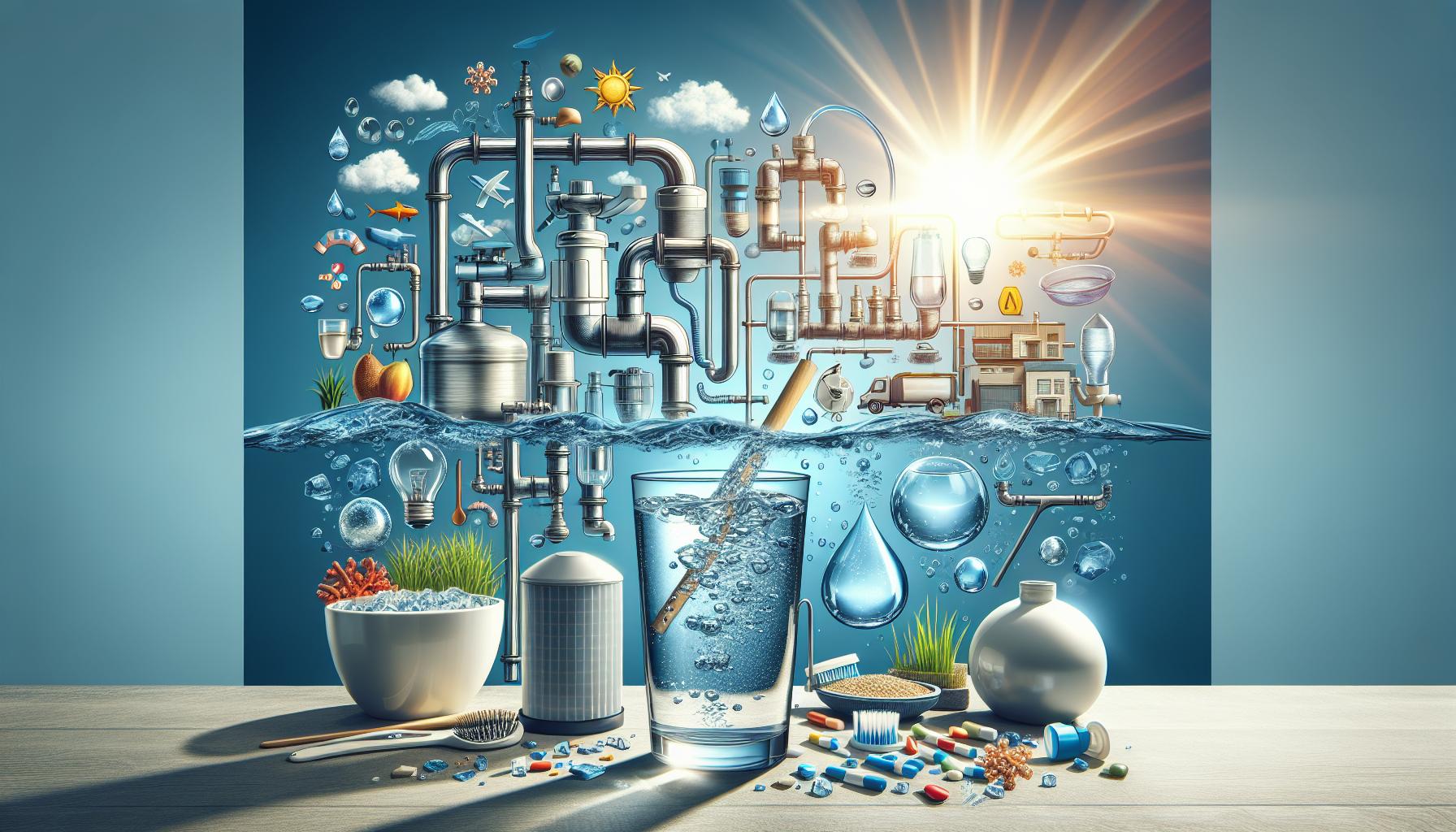
Experiencing a sudden change in the taste of tap water can be unsettling, and it’s often a sign that something has altered within your water supply. Various factors can contribute to these unexpected flavors, and understanding them can help you determine whether the water is still safe to drink or if action is necessary.
Factors Influencing Tap Water Flavor
Several key reasons might cause your tap water to taste weird all of a sudden, including:
- Water Source Changes: Municipal water supplies may sometimes shift their source due to seasonal changes or maintenance tasks. For instance, switching from surface water to groundwater can introduce new minerals and alter your water’s flavor.
- Pipes and Plumbing Issues: Old or corroded pipes can leach metals like lead or copper into the water, which can affect taste. If your home’s plumbing has been disturbed or if there are repairs in your neighborhood, this could also contribute to sudden flavor changes.
- Water Treatment Variations: Changes in the treatment chemicals used by your local water utility can lead to unexpected flavors. For example, an increase in chlorine levels to disinfect the water can give it a bleach-like taste, while an increase in phosphates might impart a sweeter flavor.
- Biological Contaminants: The presence of bacteria, algae, or mold can produce musty or earthy tastes. This is more common during warmer months when algal blooms are frequent.
It’s essential to be vigilant when you notice these changes. First, you should run the tap for a few minutes, as sometimes stagnant water in the pipes can cause temporary taste issues. If the taste persists, it might be worth investing in a water filtration system, which can help remove any unwanted contaminants and restore the flavor. Options include activated carbon filters, which improve taste by removing chlorine and other chemicals, or reverse osmosis systems that provide more comprehensive purification.
When to Seek Professional Help
If the odd taste in your water doesn’t resolve quickly, or if it changes significantly—like developing a strong sulfur or metallic taste—it may be time to contact your local water authority or seek professional help. They can conduct tests to pinpoint the source of the issue and ensure your drinking water remains safe. Always prioritize your health and safety, especially when it comes to something as essential as your water supply.
By being aware of these common causes for sudden changes in tap water flavor, you can take proactive measures to ensure clean and enjoyable drinking water.
The Role of Temperature and Storage in Water Taste
Water, often perceived as tasteless, can undergo noticeable changes in flavor due to various factors, particularly temperature and storage conditions. When water is stored improperly or exposed to extreme temperatures, it can absorb flavors from its surroundings, leading to unexpected tastes. For instance, water kept in a plastic bottle in a hot car may develop a strange taste due to the interaction with chemicals leached from the plastic, changing its profile entirely.
Temperature’s Impact on Water Flavor
Temperature has a profound effect on the taste and stability of water. When water is chilled, its taste can become more refreshing and less pronounced. Conversely, warm water tends to release more volatile compounds, which can enhance certain flavors but also make it taste stale or off. The ideal temperature for drinking water is typically between 50°F and 60°F, as this range helps maintain a pleasant taste without the interference of unwanted flavors.
Storage Considerations
Storing water correctly is essential for maintaining its quality. Here are a few storage tips to prevent changes in water taste:
- Use Glass Containers: Glass is non-reactive and does not impart flavors, making it a superior choice for storing water.
- Avoid Direct Sunlight: Exposure to sunlight can increase water temperature and promote chemical leaching from containers.
- Keep it Sealed: Ensure that water bottles and jugs are sealed to prevent air from entering and altering the taste.
Additionally, the material of the storage container plays a crucial role. For instance, water stored in metal containers such as aluminum can acquire metallic flavors, particularly if the water is acidic. Opting for BPA-free plastic or, better yet, glass can help in preserving the neutral taste of water.
Table of Recommended Water Storage Conditions:
| Container Material | Effect on Taste | Ideal Storage Temperature |
|---|---|---|
| Glass | Neutral | 50°F – 60°F |
| BPA-free Plastic | Minimal leaching | 50°F – 70°F |
| Metal (Stainless Steel) | Neutral to slight metallic | 50°F – 60°F |
By understanding and controlling the factors of temperature and storage, you can significantly improve the overall taste of your water and avoid the unpleasant surprise of unexpected flavors.
Water Treatment Process: Understanding Its Influence on Flavor

Certain changes in the water treatment process can significantly impact the flavor of your drinking water. For many, the taste of water is taken for granted, but unexpected shifts can lead to genuine concern about water quality. Common treatments such as chlorination, fluoridation, and filtration each introduce their own set of flavors and odors, sometimes producing the very questions raised in discussions about why water might taste weird all of a sudden.
Understanding Water Treatment Components
The treatments used in municipal water supplies are designed to make water safe to drink, but they can also alter its flavor profile in various ways. Here are some of the most influential processes:
- Chlorination: Chlorine is commonly added to disinfect water. While effective at killing pathogens, it can give water a strong, bleach-like taste that some people find unpalatable.
- Fluoridation: The addition of fluoride, which is intended to promote dental health, might impart a slight metallic flavor that can be off-putting for some individuals.
- Filtration: Various filtration methods, such as reverse osmosis or carbon filters, can strip away impurities but might also change the water’s taste by removing natural minerals that enhance flavor.
Environmental Influences on Water Flavor
In addition to treatment processes, external environmental factors can also affect water flavor. Seasonal changes, for instance, can influence water sources and lead to fluctuations in taste. For instance, during heavy rains, sediment may wash into reservoirs, imparting earthy flavors. Moreover, plumbing materials, such as old lead or copper pipes, can leach into the water supply, further altering the taste and potentially posing health risks.
The interplay between these factors and treatment processes means that what once tasted crisp and refreshing might suddenly seem metallic or slightly chemical. By understanding the nuances of water treatment, you can address concerns about any unusual flavors that crop up and take action—such as using a water filter or drinking bottled water—to maintain a pleasant hydration experience.
Practical Steps to Ensure Great-Tasting Water
To ensure that your water remains delicious, consider the following steps:
- Install a water filtration system to minimize unwanted flavors.
- Regularly check for updates on local water quality reports.
- Store water in glass or BPA-free containers to avoid chemical leaching from plastic.
- Experiment with natural enhancers, such as slices of lemon or cucumber, to mask any undesirable tastes.
Being aware of these factors can alleviate concerns about water that tastes strange or unusual, providing both peace of mind and a refreshing drink.
How Plumbing Conditions Can Affect Your Water’s Taste
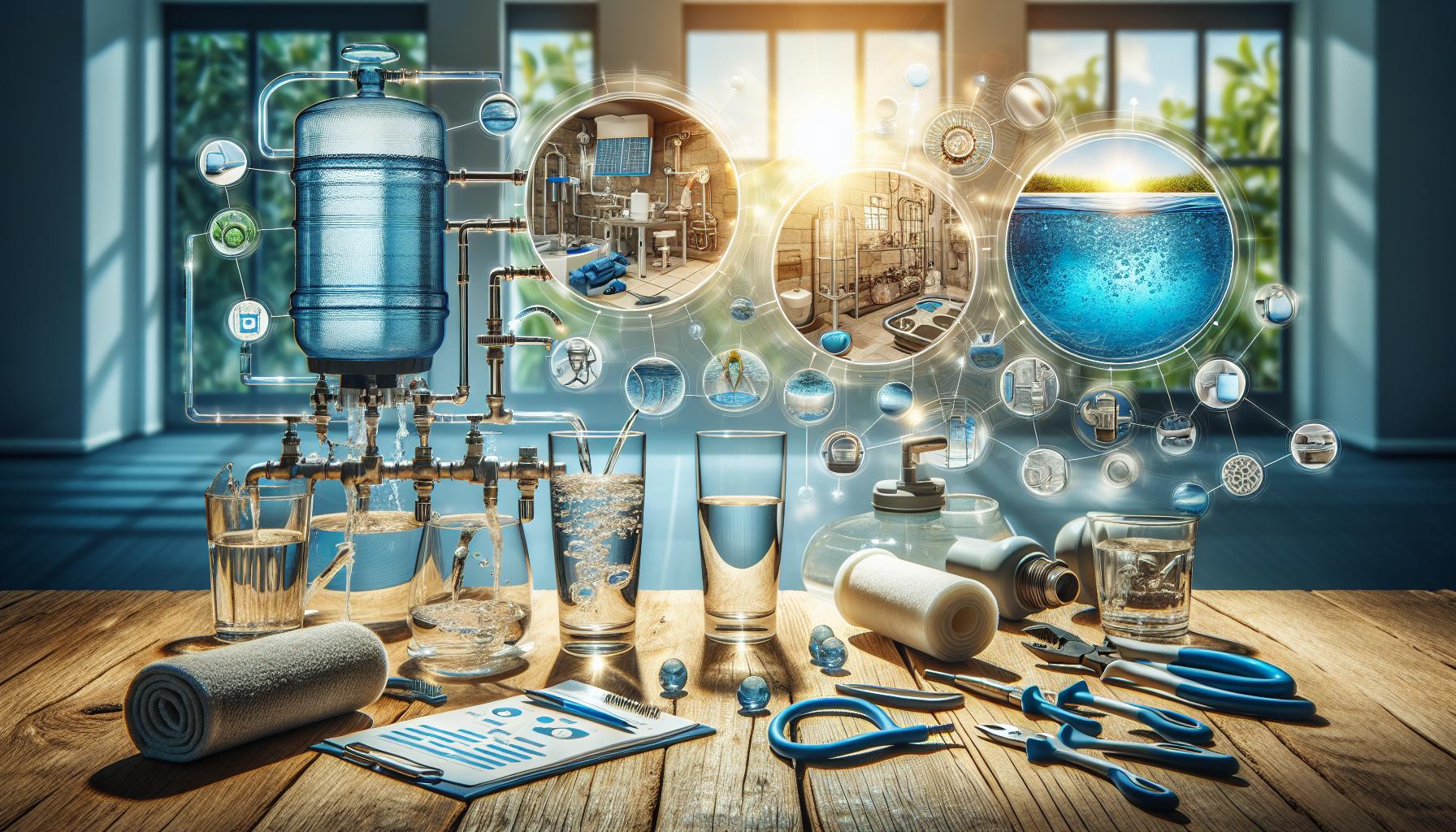
The taste of your tap water can be significantly influenced by various plumbing conditions, which can lead to unexpected and unsettling flavors. When you’ve recently upgraded or repaired your plumbing, it’s common for water to take on different tastes. This is particularly true if you’ve installed new plastic components, as the materials used in your plumbing can leach compounds into the water. For instance, if your water suddenly tastes like plastic, it could point to the new plastic piping releasing chemicals, especially if it has not been used extensively yet. It’s essential to allow the system to flush out any residual compounds before assuming there’s a more serious issue at hand [[1]].
Another factor to consider is the age and condition of your plumbing systems. Older pipes, especially those made from galvanized steel, may corrode over time, introducing metal ions that can alter the flavor of your water. This can lead to tastes reminiscent of metal or even rust, which can be a health concern if left unaddressed. If multiple taps in your home yield the same metallic taste, it may be time to investigate your plumbing for potential replacements or comprehensive cleaning [[2]].
Impact of Water Heaters on Taste
Your water heater also plays a crucial role in water taste dynamics. If you notice that hot water has a distinctly different flavor, it might indicate that sediment buildup within the heater is affecting the water quality. For instance, if your hot water smells or tastes odd, consider flushing the water heater and checking for signs of corrosion. Regular maintenance can prevent these issues, ensuring that your water remains fresh and appealing. Using bleach solutions for disinfecting the system can significantly enhance taste and odor, especially in older systems [[3]].
In summary, being mindful of how plumbing conditions affect water taste is crucial for ensuring you have clean, pleasant-tasting water. Regular inspections, timely maintenance, and awareness of the materials used in plumbing systems can go a long way in addressing any sudden changes in water flavor. If strange tastes persist, consulting a plumbing professional might be necessary to identify the root cause effectively.
Identifying and Addressing Contaminants That Alter Water Flavor
Unpleasant changes in water flavor can be an alarming experience, prompting many to wonder, “Why does water taste weird all of a sudden?” This issue often arises from various contaminants, which can be natural or man-made, disrupting the water’s taste and odor profile. Identifying these contaminants is crucial for maintaining water quality and health.
Common Contaminants Affecting Water Taste
Several factors contribute to undesirable tastes and odors in drinking water. Microbial pollutants, including bacteria and fungi, can produce compounds that lead to off-flavors. For example, certain mycotoxins and volatile organic compounds are linked to earthy or musty tastes often found in poorly maintained or old water systems [[2](https://pmc.ncbi.nlm.nih.gov/articles/PMC7204880/)]. Additionally, the presence of minerals such as iron, manganese, and sulfur can impart metallic or rotten egg flavors, particularly in groundwater sources [[3](https://www.usgs.gov/mission-areas/water-resources/science/drinking-water-taste-and-odor)].
Some chemical contaminants also play a significant role in altering water flavor. Chlorine, commonly used for water purification, can impart a distinct taste, while copper from corroding pipes may add a bitter note. Water with high levels of total dissolved solids (TDS) can taste brackish due to the accumulation of salts and minerals. Monitoring these factors is essential for ensuring water remains palatable and safe.
Addressing Water Taste Issues
To remedy unpleasant flavors in drinking water, consider the following steps:
- Conduct Water Testing: Use a reputable service to perform a comprehensive water quality test. Look for the presence of bacteria, heavy metals, and chemical contaminants.
- Install Filtration Systems: Depending on the contaminants identified, installing appropriate filtration systems (like activated carbon filters for chlorine and sediment) can significantly reduce off-flavors.
- Regular Maintenance: Ensure that water pipes and storage tanks are regularly inspected and cleaned to prevent corrosion and biofilm buildup.
- Consult Local Water Authorities: If issues persist, contact your local water supplier for assistance and information on any known contamination issues in your area.
Proactively addressing the sources of undesirable tastes and odors not only improves the drinking experience but also safeguards against potential health risks.
Tips for Improving Your Water Taste at Home
To enhance the taste of your tap water and combat that sudden weird flavor you’ve noticed, there are several effective strategies you can implement at home. Poor taste in water can arise from various contaminants or even from the conditions in your plumbing. Fortunately, you don’t have to endure it when simple changes can make a big difference.
Invest in Water Filtration
One of the most reliable methods for improving water taste is to utilize a filtration system. Options like activated carbon filters specifically target chlorine and other chemicals that may cause unpleasant tastes. Alternatively, a reverse osmosis system can remove a broader range of contaminants, ensuring not only better taste but also healthier minerals remain in your water [[1](https://waterfilterguru.com/how-to-make-tap-water-taste-better/)]. You can also find portable filtration water bottles or tap filters that make it easy to enjoy better-tasting water on the go [[3](https://www.leafhome.com/blog/water-solutions/enhancing-the-taste-of-water-a-comprehensive-guide)].
Flavor Your Water Naturally
If you’re looking for a quick and easy way to mask any undesirable flavors temporarily, consider infusing your water. Adding natural flavors is both enjoyable and refreshing. Here are a few ideas to get you started:
- Citrus Fruits: Slice lemons, limes, or oranges and let them steep in your pitcher for a few hours.
- Berries: Add strawberries or raspberries for a subtle sweetness.
- Herbs: Toss in a sprig of mint or basil for a unique twist.
- Cucumber Slices: Crisp cucumber can provide a clean taste.
Remember to remove citrus after a few hours to prevent bitterness from the rinds [[2](https://www.wikihow.com/Make-Water-Taste-Better)].
Maintain Your Plumbing
Sometimes, the taste of your water is influenced by the plumbing itself, especially if your home is older. Regularly checking your home’s plumbing for corrosion and old pipes is crucial. If your tap has a metallic or odd taste, it may be time to inspect the plumbing or replace old fixtures. Often, flushing your tap for a few minutes can help clear any debris, allowing fresher water to flow through [[1](https://waterfilterguru.com/how-to-make-tap-water-taste-better/)].
By integrating these actionable tips, you can effectively tackle the issue of why your water tastes weird all of a sudden, ensuring you and your family enjoy a clean, refreshing drinking experience.
When to Seek Professional Help for Water Quality Issues
Water quality issues can range from mildly annoying to potentially hazardous, making it crucial to know when to call in the experts. If you find yourself pondering why the water you’ve been drinking suddenly tastes peculiar, it may be time to evaluate the situation more seriously. Factors such as changes in flavor, odor, or appearance can signal the presence of contaminants or other issues that require professional intervention.
There are specific signs and symptoms that indicate it’s time to seek help from water quality professionals. If you notice:
- Unusual Taste or Odor: A sudden metallic, chemical, or rotten egg smell can indicate the presence of sulfur, chlorine, or other harmful substances.
- Color Changes: Discoloration, especially rusty or cloudy water, can signify rust in pipes or the presence of sediments.
- Health Symptoms: Frequent gastrointestinal issues or skin irritations can be related to contaminated water sources.
- Hard Water Issues: If you’re experiencing scaling on faucets and fixtures, it’s likely due to hard water, which can cause adverse effects on plumbing and appliances.
Understanding the Risks
Addressing the question of why your water has suddenly turned foul requires a mix of common sense and expertise. Many household water issues, like hardness or mild mineral presence, can be managed with at-home solutions, such as water softeners or filters. However, more severe problems—such as high levels of arsenic, radon, or PFAS—demand specialized knowledge and treatment systems. Consulting a professional can not only provide you with expert assessments but also tailor solutions to mitigate these risks effectively.
In some areas, local water systems undergo seasonal changes that might affect the quality of your tap water. A water quality consultant can offer insights tailored to your region’s conditions, ensuring that your water is both safe and palatable. For those who have conducted DIY tests and are still unsure about their water’s safety, reaching out to professionals like Get Water Answers can provide a clearer understanding of any underlying issues and effective corrective measures [[3]].
In summary, the decision to consult a professional should not be taken lightly. If you suspect that your drinking water has taken a turn for the worse, it’s essential to act quickly. By addressing potential water quality issues proactively, you can safeguard your health and maintain confidence in your water supply.
Frequently asked questions
Why Does Water Taste Weird All of a Sudden? Find Out Why
What causes tap water to suddenly taste weird?
Sudden changes in tap water taste can result from various factors such as changes in the water source, disruptions during treatment, or plumbing issues. Each of these elements can introduce unpleasant flavors into your drinking water.
For example, if the water source changes due to seasonal variations or municipal updates, the mineral content may shift, altering the flavor. Plumbing issues, such as corroded pipes, can also lead to metallic or otherwise strange tastes. It’s essential to monitor your water quality regularly.
Can temperature affect water taste?
Yes, water temperature can significantly impact its taste. Cold water often tastes fresher, while warm water may feel less palatable due to its flavors becoming more pronounced.
This difference is mainly because colder water can mask certain tastes, making it seem cleaner and more appealing. In contrast, warmer temperatures may allow for more noticeable flavors from pipes or contaminants to emerge. If you’re curious about improving water quality, consider exploring water filters.
Why does my tap water taste like bleach?
If your tap water tastes like bleach, it likely contains an excess of chlorine used for disinfection. This can occur if the water treatment facility increases chlorine levels to address contamination issues.
While chlorine is essential for maintaining safe drinking water, an overwhelming taste can be unpleasant. Installing a water filter or allowing the water to sit can help dissipate this taste. Check with your local water provider if the problem persists, as they can offer further guidance.
What does it mean if my water tastes like rotten eggs?
A rotten egg taste in water is typically caused by hydrogen sulfide gas. This gas can enter your water supply through natural sources or plumbing issues.
This unpleasant taste can signal the presence of bacteria in your water system. If you notice this taste, it’s advisable to have your water tested and consider using appropriate filters that can remove such contaminants.
Can plumbing issues affect the taste of my water?
Absolutely, plumbing issues can significantly impact water taste. Corroded or old pipes can leach minerals into the drinking water, often resulting in undesirable flavors.
If you experience sudden changes in taste, check your plumbing system for any signs of wear. Addressing these issues promptly can help restore your water’s original flavor and quality. Regular maintenance of your plumbing system can prevent such issues from developing.
How can I improve the taste of my tap water?
To improve the taste of your tap water, consider using a water filter. Filters can effectively remove unpleasant flavors and contaminants.
Options like activated carbon filters or reverse osmosis systems are popular and help to ensure your water tastes fresh and clean. Additionally, letting your water sit for a few hours can allow some of the chlorine to evaporate, enhancing its taste.
In Summary
In conclusion, noticing a sudden change in the taste of your water can be unsettling, but understanding the common causes can help you address the issue confidently. Factors such as chlorine levels, sediment disturbances, or even changes in plumbing can impact taste, making it crucial to identify the source. Consider using water filters to combat unpleasant flavors, and don’t hesitate to reach out to local water authorities if problems persist. By staying informed and proactive, you can ensure that your water remains clean and enjoyable. For more tips and insights on maintaining water quality, keep exploring the topic further!


