
Installing a water hydrant can seem daunting, but with the right guidance, it becomes a manageable DIY project. Having a functional hydrant is crucial for outdoor tasks like irrigation or washing vehicles. This article will equip you with step-by-step instructions to successfully install your own hydrant, ensuring you have easy access to water whenever you need it.
Understanding Different Types of Water Hydrants
Understanding the various types of water hydrants is essential for anyone considering their installation. Each type serves specific functions and has unique characteristics tailored to different environments. For instance, yard hydrants are specifically designed for cold climates and prevent freezing by draining water after use. This self-draining feature makes them a popular choice for homeowners who need outdoor water access year-round.
Types of Water Hydrants
When exploring how to install a water hydrant, it’s crucial to recognize the main types available, each with its own installation requirements and operational benefits:
- Yard Hydrants: Typically frost-proof, these hydrants are excellent for agricultural or residential use in regions with cold winters. They automatically drain water back into the ground to prevent freezing, ensuring reliable access even during colder months.
- Standard Fire Hydrants: Commonly seen in urban settings, these hydrants connect directly to the municipal water supply and are primarily used by fire departments. Their installation often requires adherence to strict municipal regulations to ensure they’re easily accessible in emergencies.
- Commercial Hydrants: Designed for industrial use, these hydrants are often larger and built to handle higher pressures. They require specific installation skills and adherence to safety standards due to the increased water flow.
- Flood Hydrants: These units are designed to manage stormwater and prevent flooding. Installation often involves careful planning to ensure they effectively serve their purpose without causing water management complications.
Understanding these categories assists in selecting the right hydrant for your needs and provides insights into the installation procedures involved, ensuring you are well-prepared for the task at hand. Moreover, selecting the appropriate type based on your local climate, intended use, and local regulations will facilitate a smoother installation process. For instance, if you live in a region where temperatures frequently dip below freezing, opting for a yard hydrant would be an effective choice.
In conclusion, familiarizing yourself with the distinct types of water hydrants not only streamlines the installation process but also enhances functionality and reliability in providing outdoor water. Each hydrant type serves its purpose effectively, making it critical to choose wisely based on your specific needs and the environmental conditions you face.
Essential Tools and Materials for Your Installation
When embarking on a DIY project like installing a water hydrant, having the right tools and materials at your fingertips is crucial to ensure everything goes smoothly. Without proper equipment, even the simplest tasks can become frustrating challenges. To help you successfully navigate this installation process, we’ve compiled a comprehensive list of essential items you’ll need, as well as some tips for how each tool can be utilized effectively.
Key Tools for Installation
First, let’s dive into the tools required for your water hydrant installation. Here’s a concise list outlining each item and its purpose:
- Shovel: Used for digging the trench where your hydrant will be installed. A spade is generally preferred for its ability to cut through compact soil.
- Pipe Wrench: Necessary for tightening and loosening the pipe fittings. Ensure you have one that fits the size of your hydrant’s connections.
- Level: This tool will help ensure that your hydrant is installed straight and at the correct angle, which is crucial for proper water flow.
- Measuring Tape: Essential for accurately measuring distances before digging and positioning your hydrant.
- Post Hole Digger: If your installation requires deeper holes for the hydrant base, this tool makes the job easier and more precise.
- Bucket: Useful for removing dirt and debris, especially if the trench or hole is too deep to reach comfortably.
- Utility Knife: Handy for cutting through any landscaping fabrics or hoses that might be in the way.
Necessary Materials
In addition to tools, gathering the appropriate materials is essential for a successful installation. Below is a table detailing the various materials you will likely need. Each item plays a significant role in ensuring your hydrant functions effectively.
| Material | Description |
|---|---|
| Water Hydrant | Your primary item, choose one suitable for your water source and flow needs. |
| Connecting Pipes | Schedule 40 PVC or other appropriate piping that matches your hydrant’s connections. |
| Gravel or Stone | Used for drainage; helps prevent water accumulation around the hydrant. |
| Thread Seal Tape | An essential to ensure a watertight seal at the joints. |
| Concrete Mix | If required, this material may give additional stability to your hydrant. |
| Landscaping Fabric | A helpful addition for preventing dirt from washing away from the installation area. |
As you prepare to delve into the steps for installing a water hydrant, having these tools and materials ready will set you up for success. Not only will it streamline your installation process, but it’ll also contribute to the overall durability and functionality of your hydrant, ensuring it serves you well for years to come.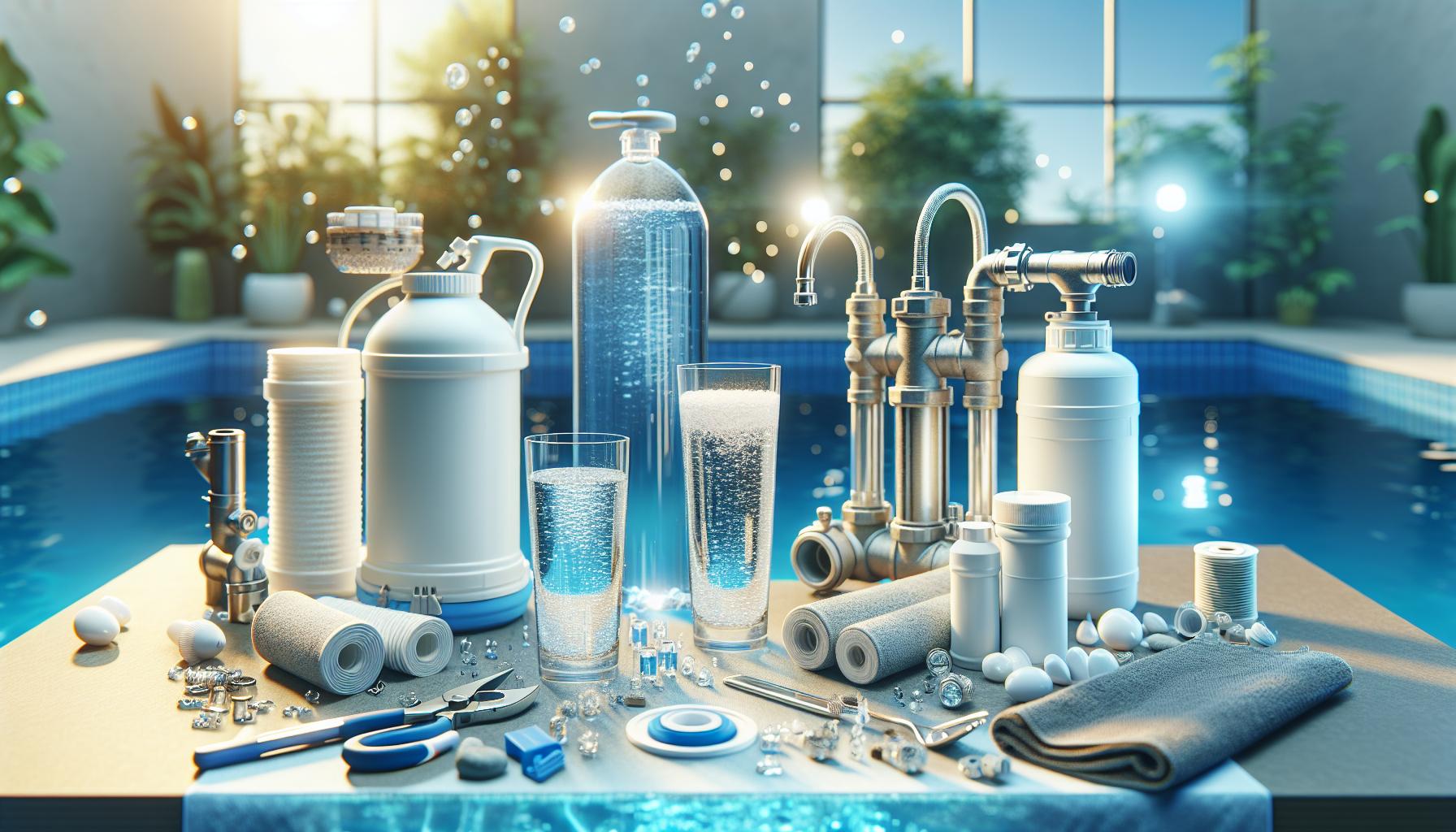
Step-by-Step Guide to Installing Your Water Hydrant
When considering a water hydrant installation, it’s important to know that proper setup can lead to years of functionality and convenience. These fixtures not only provide essential water supply for gardens and landscaping but also cater to various practical needs on your property. Let’s dive into the intricacies of how to install a water hydrant yourself, breaking down the process into manageable steps for successful DIY installation.
Gathering Necessary Materials
Before you start with the installation, ensure you have all the necessary materials on hand. Here’s a quick list to get you started:
- Water hydrant
- Shovel and post-hole digger
- PVC or metal pipe
- Adapters and fittings
- Concrete for securing the hydrant
- Pipe wrenches
- Level
- Safety gloves and goggles
Having these tools prepared will streamline your installation process and help you avoid unnecessary trips to the hardware store mid-project. After you’ve gathered everything, let’s move on to selecting the right location for your hydrant.
Choosing the Right Location
The site where you want to install the hydrant should be easily accessible yet away from any tall shrubs that could obstruct water flow or visibility. When deciding on a location, consider the following factors:
- Proximity to water supply lines
- Drainage issues during rainy seasons
- Accessibility for maintenance and use
Once you have identified a suitable spot, mark it clearly to avoid confusion during the digging phase.
Installation Process
Now, you’re ready for the installation itself. Following these steps will ensure your water hydrant is securely and effectively positioned:
- Dig a Hole: Use a shovel or post-hole digger to excavate a hole deep enough to accommodate the base of your hydrant and the pipe leading to your water source. Typically, a depth of 3 feet is adequate.
- Lay the Water Pipe: Insert the water supply line into the hole. If using PVC, make sure to cut it to the appropriate length and use PVC glue for fittings.
- Install the Hydrant: Place the hydrant onto the pipe and ensure it sits level. This is crucial to prevent future leaks and ensure proper operation.
- Secure with Concrete: Pour concrete around the base of the hydrant, allowing it to cure according to the package instructions. This solidifies the stance of the hydrant and protects it from damage.
- Test for Leaks: After the concrete has set, turn on the water supply to check for any leaks around the fittings and the hydrant.
Here’s a quick reference table for the installation steps:
| Step | Description |
|---|---|
| 1 | Dig a hole approximately 3 feet deep. |
| 2 | Install the water supply line (PVC or metal). |
| 3 | Secure the hydrant on top and ensure it is level. |
| 4 | Pour concrete for stability and wait for it to cure. |
| 5 | Check for any leaks in the installed hydrant. |
With these straightforward yet vital steps, you will be able to successfully install your water hydrant, creating an efficient water source for your property. Be sure to maintain it properly for long-lasting utility!
Best Practices for Maintaining Your Water Hydrant
Keeping your water hydrant in excellent condition not only ensures reliable access to water when needed, but it also contributes to the safety and efficiency of your overall plumbing system. To extend the lifespan of your hydrant and prevent costly repairs, following best practices for maintenance is essential. Implementing a few simple steps will help you avoid issues that may arise from neglect or improper care.
Regular Inspections
Conducting regular inspections is crucial to identify any potential problems before they escalate. Aim for a thorough check-up at least once a year or more frequently if you experience heavy usage. During your inspection, pay attention to the following:
- Visible Damage: Look for cracks, dents, or rust on the hydrant body that may indicate corrosion or physical damage.
- Leaks: Check for any leaks around the valve or connections that could lead to water wastage or reduced performance.
- Operational Tests: Turn the hydrant on and off to ensure proper functioning. It should operate smoothly without hitches or unusual noises.
Seasonal Maintenance Tips
One of the most straightforward ways to keep your hydrant working effectively is to perform seasonal maintenance. This includes:
- Winterization: Before winter sets in, drain any water from the hydrant to prevent freezing and cracking. Use insulation blankets if necessary.
- Lubrication: Apply waterproof lubricant to the operating nut and threads to keep them moving freely and to prevent corrosion.
- Clear Debris: Regularly clear any debris, including grass, mud, and leaves around the hydrant, to ensure quick and easy access during emergencies.
Documentation and Reporting
Keeping a maintenance log can greatly enhance your hydrant’s longevity. Document all inspections, maintenance actions, and any repairs made. This history can be invaluable for any future work or in case of disputes. Moreover, report any issues to your local municipality or service provider if you encounter problems beyond your expertise.
| Maintenance Task | Frequency | Notes |
|---|---|---|
| Visual Inspection | Annually | Check for leaks, damage, and proper operation. |
| Winterization | Annually (Before winter) | Drain water and add insulation if needed. |
| Lubrication | Twice a year | Use waterproof lubricant on the operating nut. |
| Debris Clearance | Monthly | Keep the area clear for emergency access. |
By adopting these , you’ll ensure it is always ready for use, whether for routine access or emergency situations. Regular care is key to preventing future headaches and preserving your investment, enabling you to enjoy the benefits effortlessly.
Troubleshooting Common Hydrant Installation Issues
Installing a water hydrant can be a straightforward process, but sometimes, unexpected issues arise that can lead to frustration and delays. Whether you’re a seasoned DIYer or a beginner, it’s crucial to be ready for these common problems to ensure a smooth installation. Identifying and addressing these issues early can save you time and money in the long run. Here are some of the typical challenges you might encounter during the installation of your new hydrant.
Leaking Connections
One prevalent issue following installation is leaking connections. This can happen due to improper sealing or tightening. Here’s how to troubleshoot and resolve this issue:
- Check all fittings: Ensure that all pipe connections are tightly secured. Use a wrench to tighten them if necessary.
- Inspect seals and gaskets: If your hydrant has rubber washers or gaskets, inspect them for wear. Consider replacing them if they appear damaged or worn out.
- Use Teflon tape: Wrap Teflon tape around threaded connections to create a better seal and prevent future leaks.
Inadequate Water Flow
After installation, you might notice that the water flow from the hydrant is weaker than expected. This can be caused by several factors, including blockages or improper sizing. Follow these steps to troubleshoot:
- Evaluate the water source: Make sure your water supply is adequate. Check if there are any obstructions in the pipeline that might restrict flow.
- Check the hydrant height: Hydrants installed below the required height may not provide adequate water pressure. Ensure that your hydrant is set at the appropriate height for proper drainage.
- Examine the pipe fittings: If the fittings connected to the hydrant are too small, they can restrict flow. Confirm that all components of the system are correctly sized.
Frost Heaves and Ground Settling
In colder climates, frost heaves can cause the hydrant to become misaligned or even dislodged over time. Additionally, ground settling may also affect the hydrant’s stability. To prevent or mitigate these issues, consider the following:
- Install a proper base: Use gravel or solid concrete to create a robust base for your hydrant. This helps absorb ground movement and frost-related shifts.
- Regular inspection: Periodically check the hydrant for signs of misalignment or instability and make adjustments as needed.
- Consider insulation: In extremely cold areas, insulating the hydrant and surrounding pipes can help prevent freezing and minimize frost heaves.
By being prepared to troubleshoot these common hydrant installation challenges, you can quickly resolve issues, ensuring your hydration solution works effectively. Keep these tips in mind as you embark on your DIY installation journey for water hydrants.
Safety Tips to Keep in Mind During Installation
When undertaking the installation of a water hydrant, safety should be at the forefront of your mind to ensure a smooth and secure process. This undertaking involves not only the physical labor associated with digging and assembling the hydrant but also the potential for hazardous situations to arise if proper precautions aren’t taken. Before you begin your DIY project, it is crucial to equip yourself with the right knowledge and tools to mitigate risks.
Personal Protective Equipment (PPE)
Wearing the appropriate personal protective equipment is essential for safeguarding yourself during the installation process. At a minimum, ensure you have:
- Safety goggles: Protect your eyes from debris while digging and handling equipment.
- Gloves: Use durable gloves to protect your hands from cuts and abrasions.
- Steel-toed boots: Prevent foot injuries caused by heavy materials.
- High-visibility vest: Enhance your visibility, especially if you’re working near traffic.
Site Safety and Management
Before commencing with the installation, conduct a thorough assessment of the worksite. Check for any underground utilities, and ensure that you have communicated with local utility companies to avoid dangerous surprises like hitting gas or electrical lines. It’s wise to mark the area clearly and establish a safety perimeter to prevent unauthorized access.
Use proper lifting techniques when moving heavy components of the hydrant, and have a plan in place for lifting equipment or assistance when necessary. Practices such as buddy systems can enhance safety by ensuring that no one is working alone, which is particularly important in case of emergencies.
Tool Safety
Ensure that all tools and machinery are in good working order before beginning your project. Inspect tools for wear and tear, and ensure you have adequate training or knowledge about each tool’s operation. Store tools safely when not in use to prevent accidents.
To summarize, the installation of a water hydrant requires attention to many safety details that can significantly reduce risks and enhance overall effectiveness. By prioritizing personal protective equipment, site safety checks, and the proper use of tools, you can navigate the potential hazards associated with this DIY project successfully. By following these guidelines, you not only protect yourself but also contribute to a safer environment for others nearby.
When to Call a Professional for Help
Sometimes, even the most dedicated DIYer must acknowledge their limits. A water hydrant installation might seem straightforward on the surface, but it involves several technical aspects that can pose significant challenges. Understanding when to hand over the reins to a professional can save you time, money, and potential headaches. Recognizing these situations is crucial for any homeowner looking to install a hydrant efficiently and safely.
Complexity of the Project
If your planned installation involves intricate plumbing configurations or specific site requirements, it’s wise to consult a professional. Consider the following scenarios:
- Redesigning Existing Plumbing: If your hydrant installation requires major alterations to your existing plumbing system, a professional can ensure proper connections and compliance with local plumbing codes.
- Installation in Challenging Terrain: Uneven or rocky ground may complicate the installation process. A professional is equipped with specialized tools and knowledge to manage difficult landscapes while minimizing disruption.
- Proximity to Utility Lines: If the installation site is near gas, electrical, or water mains, improper work could lead to serious hazards. A professional can skillfully navigate these potential dangers.
Local Codes and Permits
Water hydrant installations often require adherence to specific municipal codes and sometimes necessitate permits. To avoid legal complications or fines, consider the following:
- Understanding Regulations: A licensed professional will be familiar with local regulations regarding hydrant installation, ensuring compliance from start to finish.
- Permit Acquisition: Professionals typically handle the permit acquisition process, relieving you of the administrative burden and ensuring all necessary approvals are in place before work begins.
Risk of Damage
Installing a water hydrant can introduce the risk of damaging existing structures or systems if not done correctly. Here are a few indicators that might necessitate professional intervention:
- Potential for Water Main Damage: If you’re unsure of the location or depth of utility lines beneath your property, a professional can perform safe digs to avoid costly mistakes.
- Provisional Water Supply Connections: Incorrectly connecting to an existing water supply could lead to contamination or pressure issues. Expert advice ensures safe and reliable connections.
When evaluating your DIY plans against these potential hurdles, it’s crucial to assess whether your skills and tools can manage the complexity. In many cases, hiring a qualified professional can provide peace of mind, ensure the project is completed efficiently, and mitigate risks associated with improper installation.
The Benefits of Having a Water Hydrant at Home
Having a water hydrant on your property can transform how you manage water supply for a variety of purposes. Typically associated with municipal firefighting systems, a private water hydrant at home can be a game changer for gardening, emergency access, and general home maintenance. Understanding the myriad of advantages that come with installing one can offer both peace of mind and practicality.
Convenient Access to Water
One of the most significant benefits of having a water hydrant at home is the ease of access to water. Instead of lugging heavy hoses or containers back and forth from your indoor plumbing, a hydrant provides immediate water supply. This is especially advantageous for tasks such as:
- Watering gardens and lawns efficiently
- Filling up ponds or pools without hassle
- Washing vehicles directly on your property
- Pressure washing your home’s exterior, driveways, and walkways
Enhanced Safety and Emergency Preparedness
Another compelling reason for installing a hydrant is the enhanced safety it offers. In case of a fire emergency, having a hydrant on your premises can significantly increase your protection. With a readily available water supply, you can potentially mitigate the extent of a fire before the firefighters arrive.
| Emergency Scenario | Time to Access Water | Potential Outcomes |
|---|---|---|
| Fire Breakout | Immediately | Minimize damage to property |
| Garden Irrigation | 3-5 minutes | Healthy plants, reduced labor |
| Vehicle Cleaning | 2 minutes | Preserved vehicle condition |
Cost-Effective Solution
Incorporating a water hydrant into your property’s landscape is a financially savvy decision in the long run. While the initial installation can seem daunting when exploring “How to Install a Water Hydrant? DIY Installation Steps,” the benefits far outweigh the costs. You can save on water bills, as you’ll be able to use water directly from your well or individual source, depending on the hydrant setup. Additionally, fewer trips for water with a hydrant means less wear-and-tear on your garden hoses and other watering equipment.
Ultimately, whether you’re looking to simplify your outdoor chores, prepare for unexpected emergencies, or save on expenses, a water hydrant can significantly enhance your lifestyle and property value, making it a worthy investment for homeowners.
Q&A
How to Install a Water Hydrant? DIY Installation Steps?
To install a water hydrant, follow a few key steps: locate the installation site, dig a hole, connect the water supply line, and secure the hydrant. Begin by ensuring you have the necessary permits and materials before you start.
First, decide on the location for your hydrant, ideally near a water source. Dig a hole about two feet deep and wide enough to accommodate the hydrant base. Then, connect the water supply line following local plumbing codes. Securely place the hydrant into the ground and backfill the soil. For more detailed steps and guidance, refer to our article on installing outdoor plumbing systems.
What tools do I need to install a water hydrant?
For installing a water hydrant, you’ll typically need a shovel, a pipe wrench, a level, and safety gear like gloves and goggles. These tools will make the process safer and more efficient.
A shovel is essential for digging the hole, while a pipe wrench helps in tightening and adjusting the water connections. A level ensures that the hydrant is installed straight. Remember to wear safety gear to protect yourself during the installation process.
Can I install a water hydrant myself?
Yes, you can install a water hydrant yourself if you have the necessary tools and knowledge. With proper planning and adherence to local plumbing codes, a DIY installation is achievable.
Always ensure that you understand the local regulations regarding water hydrant installations. If you’re unsure about any step, consider hiring a professional or consulting with someone experienced to guide you.
Why does my water hydrant keep leaking?
A leaking water hydrant can occur due to worn-out seals, loose connections, or damaged components. It’s important to address leaks promptly to avoid water waste and potential infrastructure damage.
Regular maintenance can help identify problems like mineral buildup or damaged washers. Check the hydrant’s base connections and inspect for any signs of wear. If the issue persists, consult with a plumbing professional for further assistance.
What is the average cost to install a water hydrant?
The average cost for installing a water hydrant ranges between $1,000 to $3,000, including materials and labor. Costs can vary based on location and specific installation requirements.
Factors that influence the cost include the type of hydrant, the complexity of the installation, and local labor rates. DIY installations will save on labor costs, but it’s crucial to ensure you have the expertise to avoid costly mistakes.
What maintenance is required for a water hydrant?
Water hydrants require regular maintenance such as periodic inspections, lubricating moving parts, and checking for leaks. Keeping your hydrant in good shape ensures functionality when you need it.
It’s advisable to check for any debris blocking the hydrant and to regularly test its operation. Always winterize the hydrant before cold weather to prevent freezing damage. For detailed maintenance tips, you may refer to our guide on plumbing system upkeep.
The Way Forward
In conclusion, installing a water hydrant can be a rewarding DIY project that equips you with the knowledge and skills to tackle future water challenges. By following the straightforward steps outlined in this guide— from selecting the right hydrant to ensuring proper installation and maintenance—you can enhance your outdoor space while increasing your property’s functionality. Remember, taking your time and adhering to local regulations is key to a successful installation. Now that you’re equipped with the essentials, don’t hesitate to explore more resources or reach out if you have questions. Your confidence in managing your water systems will grow with every project you undertake!