


Have you ever poured a glass of water only to find mysterious white particles floating in it? This unsettling sight can raise questions about your water quality and safety. Understanding the causes of these floating particles is crucial, as it impacts both your health and home. Let’s explore what they are and how to address them effectively.
Understanding the White Particles: What They Are and Where They Come From
Many people might become alarmed when they notice white particles floating in their water, often wondering if it’s something hazardous. Interestingly, this phenomenon is more common than you might think and can stem from several sources, each with their own implications for water quality. By understanding what these particles are and their origins, you can take informed steps to address any concerns.
Common Sources of White Particles
The white particles found in your water can originate from various sources, primarily related to the mineral content or system issues. Here are some common culprits:
- Calcium Carbonate: This is one of the most prevalent causes of white particles. When water is hard, it contains high levels of calcium and magnesium. During temperature changes, especially when water is heated, calcium carbonate can precipitate out of solution and form white particles.
- Plastic Fragments: Sometimes, the particles may be tiny bits of plastic or residue from piping systems. If your plumbing is older or made from materials that degrade over time, microscopic pieces can break off and appear in your water.
- Algae Blooms: In certain environments, algae can proliferate, leading to visible particles in your water source. While most algae are harmless, specific types can produce toxins, necessitating caution.
- Air Bubbles: Tiny air bubbles can sometimes appear as white particles, particularly if your water is being aerated or subjected to rapid temperature changes.
Identifying the Culprit
To determine the specific source of the floating white stuff, consider conducting simple tests or inspections. Here are a few steps you can take:
- Water Test Kits: Utilize home water test kits to assess for hardness levels, contaminants, and overall quality. This can provide initial insight into whether the particles are mineral-based.
- Check Your Plumbing: Inspect your pipes and fixtures for signs of corrosion or degradation. Older plumbing systems may contribute to the presence of white debris.
- Consult a Professional: If the issue persists or you have concerns about water safety, it’s wise to consult a water quality expert who can conduct a comprehensive analysis.
Understanding the nature of these white particles can ease your mind and help you tackle the situation effectively, whether it’s adjusting your water heating methods, investing in filtration systems, or making plumbing upgrades. Each step you take brings you closer to ensuring the quality and safety of your water supply.
Common Causes of White Residue in Water: Hardness, Sediment, and More
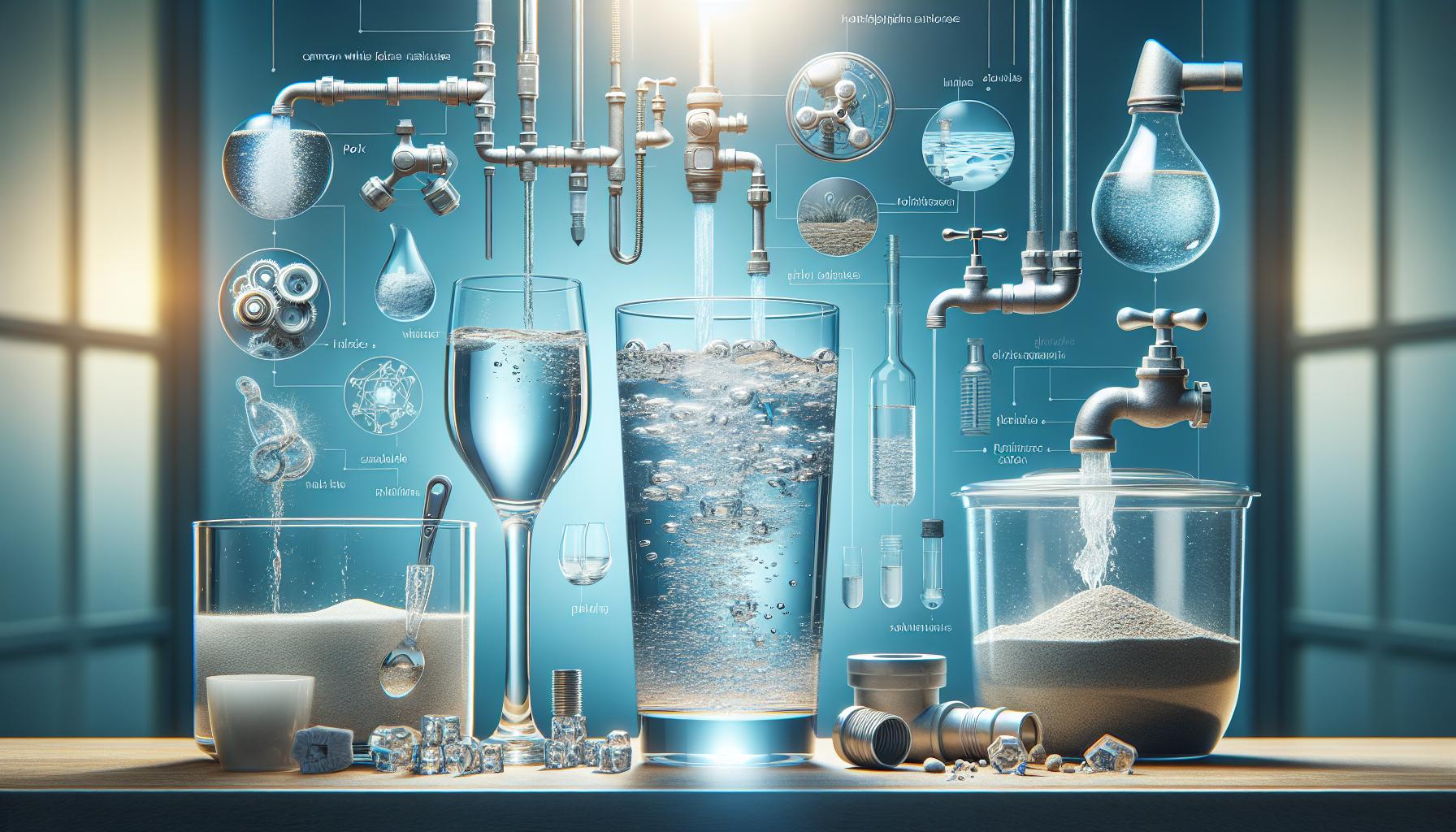
Many homeowners may have experienced the unsettling sight of white residue floating in their water. This peculiar phenomenon can stem from various sources, and understanding these causes can significantly enhance your home comfort and health. Whether you’re dealing with the aftermath of a cozy bath or simply filling a glass of water, it’s essential to know what contributes to white residue, as it can point to underlying water quality issues that need to be addressed.
Hardness
One of the primary culprits behind the white debris you notice in your water is hardness. Hard water contains elevated levels of minerals, particularly calcium and magnesium. When water evaporates, it leaves these minerals behind, often appearing as a white film or flakes.
- Effects of Hard Water:
– Scaling on fixtures and appliances
– Reduced soap effectiveness
– Dry skin and hair after bathing
Regular testing of your water hardness can help you determine if a water softener system is necessary to mitigate these effects. Many home improvement stores offer DIY testing kits, or you can contact a local water expert for more comprehensive analysis.
Sediment
In addition to hardness, sediment is another common cause of white residue. Tiny particles from soil, minerals, or decaying organic materials can find their way into your water supply. These sediments may come from aging pipes or during heavy rainfall when runoff can disturb the ground.
- Identifying Sediment Sources:
– Look for sediment after heavy rains or snow melts.
– Check for visible particles in your tap water.
– Monitor for changes in water clarity following construction or nearby landscaping.
To address sediment issues, installing a sediment filter in your home’s plumbing system can be beneficial. These filters capture larger particles before they mix with your drinking water, ensuring a clearer flow.
Other Potential Causes
While hardness and sediment are significant, it’s vital to consider other factors that might contribute to the white material in your water.
- Chlorine and Additives: Some municipalities use additives to treat water that can lead to a white film or residue when they react with organic matter.
- Microbial Growth: The presence of certain bacteria can result in cloudy water, which may appear white due to the formation of biofilm.
In most cases, a qualified water treatment specialist can help diagnose the problem and offer solutions tailored to your specific needs. Ensuring the cleanliness and safety of your water should always be a priority, as it directly impacts your family’s health and comfort.
The Role of Water Treatment Systems in Preventing Floating Particles
When it comes to water quality, floating particles can be more than just an aesthetic concern; they can indicate underlying issues that impact both safety and enjoyment. Often, the presence of these unwanted particles—commonly described in inquiries about “What Is the White Stuff Floating in My Water? Causes & Fixes”—can be mitigated by effective water treatment systems. These systems are designed to remove not only visible contaminants but also microscopic particles that could otherwise go unnoticed.
Understanding Water Treatment Systems
Water treatment systems utilize a combination of physical, chemical, and biological processes to purify water, ensuring it is safe for consumption and aesthetically pleasing. By employing advanced filtration techniques, these systems can significantly reduce the prevalence of floating particles, which may include sediment, bacteria, and organic matter. Common methods include:
- Filtration: Screens and membranes trap particles as water flows through, preventing them from entering your household supply.
- Coagulation and Flocculation: Chemicals are added to water to help small particles clump together into larger aggregates that can be easily removed.
- Disinfection: Ultraviolet light or chemical disinfectants eliminate microorganisms that contribute to floating debris.
Common Causes of Floating Particles
Understanding the typical causes of floating particles helps highlight the role of treatment systems. In households, floating white particles may arise from a variety of sources, including:
- Calcium and magnesium from hard water, often precipitating out as white flakes.
- Debris from aging pipes or plumbing fixtures.
- Organic material or sediment disturbed during periods of heavy rain or construction.
By efficiently identifying and addressing the sources of these particles, water treatment systems help ensure that your water remains clear and safe for daily use.
Actionable Steps and Real-World Examples
If you frequently encounter floating particles, consider the following steps to improve your water quality:
- Regular Testing: Periodically test your water to determine the presence of contaminants and tailor treatment solutions accordingly.
- Upgrade Your System: If your current treatment system isn’t effectively removing particles, consider a multi-step system that combines filtration and disinfection for comprehensive protection.
- Maintenance Checks: Regularly maintain and replace filters in your water treatment system to ensure optimal performance and longevity.
For instance, a homeowner faced with persistent floating debris upgraded to a reverse osmosis system, significantly reducing both visible and dissolved contaminants.
Employing a reliable water treatment system not only combats the white stuff floating in your water but also enhances your overall water quality, providing peace of mind and a refreshingly clear drinking experience.
Simple Solutions: How to Remove Floating Debris from Your Water
Floating debris in our water bodies can often pose a serious ecological risk, affecting aquatic life and the water quality we rely on. Recognizing the sources and solutions to tackle this issue is crucial in maintaining a healthy environment. Implementing effective removal techniques not only helps clear the water but also contributes to the overall restoration of aquatic ecosystems.
Identify the Sources of Debris
Understanding what causes the white stuff floating in your water plays a vital role in determining the right removal methods. Common types of floating debris include:
- Microplastics: These tiny plastic particles can stem from larger plastic debris breaking down in the environment.
- Organic matter: Substances like leaves and other natural waste can also contribute to floating debris.
- Pollution runoff: Debris washed into water sources, especially during heavy rain.
By identifying the specific materials you are dealing with, you can select the most effective removal strategies.
Effective Removal Techniques
Several methods can be employed to remove floating debris effectively:
- Manual Removal: For smaller bodies of water or localized issues, using a net or skimmer is a straightforward approach.
- Barriers and Booms: Deploying floating barriers can help contain larger areas of debris, making it easier to collect.
- Mechanical Systems: For larger water bodies, utilizing machines designed to scoop up debris can significantly reduce floating materials.
Implementing these methods in areas with heavy debris can yield immediate results, enhancing water quality and habitat for local wildlife.
Community Involvement
Engaging your local community in cleanup efforts can foster environmental stewardship and responsibility. Organizing community events such as:
- Waterway Cleanups: Gather volunteers to regularly remove debris from local rivers, lakes, and ponds.
- Awareness Campaigns: Educate the community about the sources and impacts of floating debris.
These initiatives can not only remove the debris but also raise awareness about pollution prevention.
Ultimately, addressing the question of “What is the white stuff floating in my water?” and finding effective fixes is a shared responsibility. By understanding the sources and employing practical solutions, we can clean up our waterways and protect the ecosystem for future generations.
Is It Safe to Drink? Assessing the Risks of White Stuff in Your Water
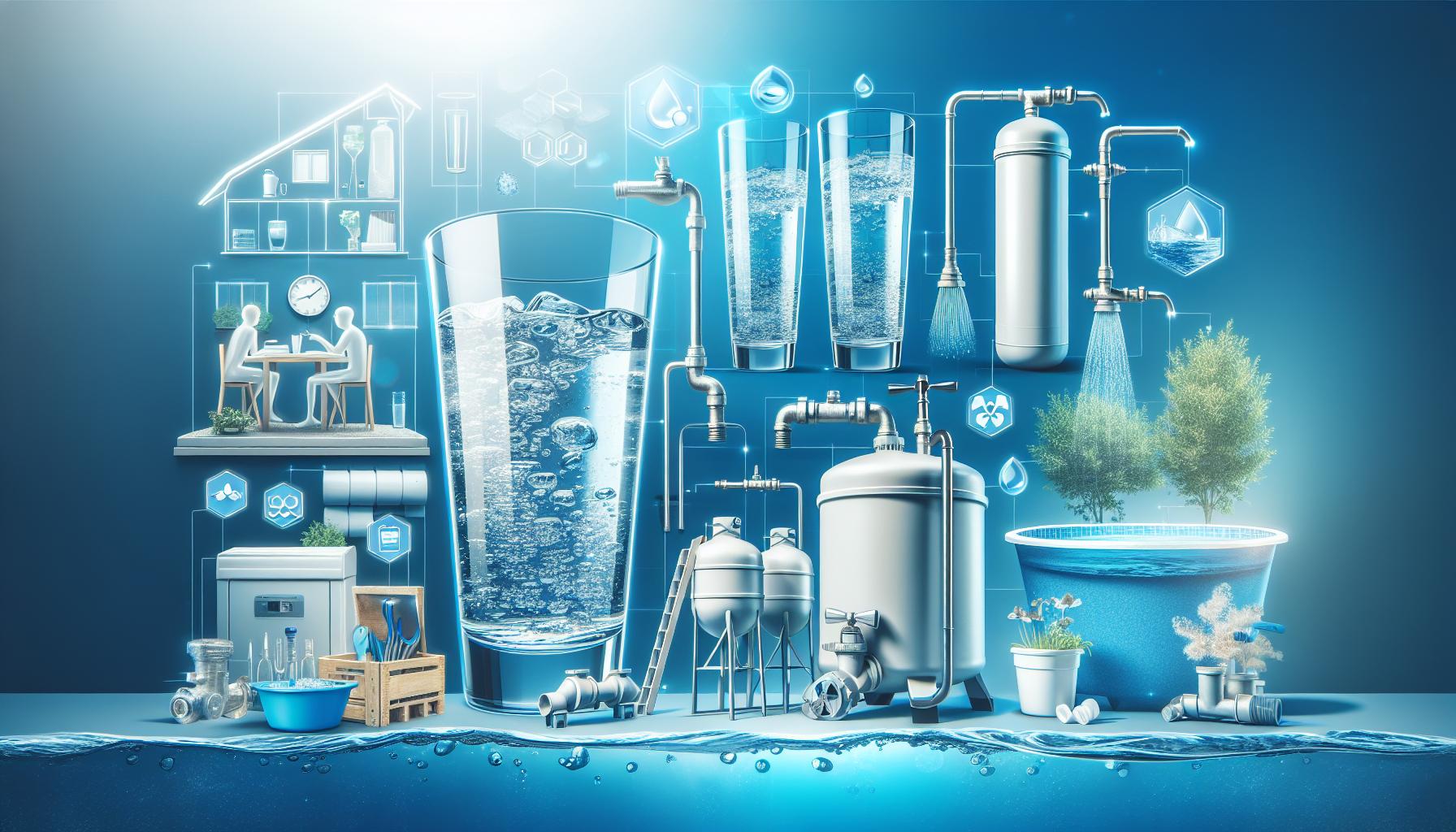
Many homeowners are understandably concerned when they notice white particles floating in their tap water. While the presence of these substances can be alarming, it’s essential to recognize that in many cases, they can be harmless. The issue often stems from two primary sources: mineral deposits and pipe corrosion. In this situation, knowing the origin of these white particles can help alleviate fears about water safety.
Common Causes of White Particles
The most common reasons for the white stuff in your water include:
- Calcium and Magnesium Deposits: These minerals are prevalent in hard water. They may appear as tiny white flecks, which are generally harmless and can often be resolved by using a water softener.
- PVC Pipe Fragments: If your plumbing system contains PVC pipes, minor flakes can break off due to wear and tear. Again, these are typically non-toxic but might indicate a need for pipe maintenance.
- Algal Blooms: Sometimes, particulates can stem from algal growth, especially in untreated or less regulated water sources.
To determine whether the white particles in your water pose any health risks, it’s advisable to conduct a thorough analysis of your water quality. Local water authorities often provide annual quality reports which detail specific contaminants and the overall safety of your water supply. For instance, organizations such as the City of San José and California Water Service routinely test their water and publish findings that can reassure consumers about the drinking water standards being met [[1]](https://www.sanjoseca.gov/your-government/departments-offices/environmental-services/water-utilities/drinking-water/water-quality/water-quality-report/water-quality), [[2]](https://www.calwater.com/waterquality/waterquality/).
Actions You Can Take
If you’re noticing these particles, consider the following steps:
- Flushing Your Tap: Prior to using water for drinking or cooking, especially after it has sat for a while, flush the tap for 30 seconds to two minutes. This can help reduce any lead exposure and flush out any stagnant particulates.
- Test Your Water: If concerns persist, test your water for contaminants. Many companies and local governments offer affordable testing services that can provide peace of mind.
- Install Filtration Systems: For long-term solutions, consider investing in a water filtration system that can remove mineral deposits and other contaminants effectively.
By understanding the potential causes of white substances in your water and knowing what actions to take, you can ensure the water you consume is safe and clean. Always consult your local water quality reports for the best guidance on the safety of your water supply and utilize professional testing services when in doubt.
Water Testing: When to Call a Professional for Help
When you notice unexpected substances floating in your water, it can be more than just a cosmetic issue; it may signify deeper problems within your water supply. While some floating impurities may be harmless, such as air bubbles or harmless mineral particles, others could indicate contamination that poses health risks. Understanding when to call in professionals for assistance is crucial in ensuring the safety and quality of your water.
Signs That Indicate a Need for Professional Testing
If you spot suspicious materials in your water, certain warning signs can help you determine whether a professional evaluation is necessary:
- Unusual Color or Odor: If your water has a strange smell or color, it might be a sign of contamination.
- Consistent Presence: If the white stuff is not just a one-time appearance, it’s wise to seek help.
- Health-Related Symptoms: Gastrointestinal issues or skin irritations might arise from contaminated water, warranting immediate testing.
- Inconsistent Water Quality: Variability in taste or clarity over time could indicate underlying problems.
What to Expect from Professional Water Testing Services
Professional water testing services conduct rigorous analyses to identify the nature and source of water contamination. They utilize specialized equipment and methods that are often not available to the average homeowner. The process typically includes:
- Comprehensive Analysis: Testing for a variety of contaminants including bacteria, heavy metals, nitrates, and industrial chemicals.
- Interpreting Results: Experts can explain what the results mean and suggest appropriate remediation steps if necessary.
- Long-Term Monitoring: Establishing a testing schedule can help spot trends or changes in your water quality over time.
Using certified laboratories for testing your water is crucial. Resources like state-specific directories can help locate certified labs in your area, ensuring that you receive trustworthy results and recommendations. Always prioritize your health by staying proactive about water quality, especially when confronting the unsettling question of “What is the white stuff floating in my water?”
Tips for Maintaining Clean Water at Home: Prevention Strategies
Clean water is essential not only for hydration but also for cooking and maintaining the overall health of your household. While you might occasionally notice an unusual substance floating in your tap water, such as white flakes or particles, taking proactive steps can keep your water safe and clean. Here are some effective strategies to prevent contamination and maintain high water quality at home.
Regular Maintenance of Plumbing Systems
One of the foremost ways to ensure clean water is through the regular maintenance of your plumbing systems. Over time, pipes might corrode, leading to deposits that could manifest as sediment in your water.
- Inspect pipes periodically: Look for any signs of leaks or rust, as these can be indicators of deeper problems.
- Flush your system: Regularly flushing your water system can help remove unwanted sediment and ensure that your pipes are clear.
- Consider a water softener: If you live in an area with hard water, investing in a water softener can help minimize deposits and improve overall water quality.
Utilize Quality Water Filtration
Installing a reliable water filtration system can drastically reduce the chances of impurities affecting your water. High-quality filters can eliminate the “white stuff” that might float in your tap water, ensuring only clean water reaches your glass.
- Point-of-use filters: Options like pitcher filters or faucet-mounted filters are practical for immediate use.
- Whole-house filtration systems: For a more comprehensive solution, consider installing whole-house systems that filter water at the entry point of your home.
- Regularly replace filter cartridges: Maintain the effectiveness of your filtration system by changing cartridges as recommended by the manufacturer.
| Filtration Type | Advantages | Considerations |
|---|---|---|
| Pitcher Filters | Inexpensive, easy to use | Limited capacity, needs frequent refilling |
| Faucet-Mounted Filters | Convenient, easy installation | May slow water flow |
| Reverse Osmosis Systems | High purification level | Higher initial cost, may require professional installation |
Stay Educated on Water Quality
Understanding local water quality reports and staying informed about potential issues can empower you to take action when needed. Most municipalities provide annual water quality reports that highlight any contaminants detected in the water supply.
- Request your water report: It’s helpful to know what’s in your water, including any potential causes of the white stuff floating in it.
- Be mindful of seasonal changes: Water quality can vary with weather patterns—be observant in the spring and rainy seasons when sediment and runoff may increase.
- Engage with community resources: Join local community forums or water quality organizations to stay updated and share experiences with neighbors.
By implementing these preventive strategies, you can significantly enhance the quality of your water, leading to a healthier home environment. Remember, keeping your water clean is an ongoing process that requires vigilance and proactive measures to tackle any potential issues before they arise.
Q&A
What Is the White Stuff Floating in My Water?
The white stuff floating in your water could be caused by air bubbles, calcium deposits, or even contaminants. It’s important to identify the source to determine appropriate fixes. Regular maintenance and testing can help ensure clean drinking water.
Air bubbles often appear when water is disturbed and can look like tiny white specks. Calcium deposits may form from hard water and often settle at the bottom or cling to surfaces. If you’re concerned about contaminants, consider getting your water tested or exploring water quality testing options.
Why Does White Stuff Float in My Water?
White stuff may float due to dissolved gases escaping, hard water issues, or impurities. Each situation has different causes, so understanding the root source helps determine the best remedy.
When tap water is heated or agitated, air bubbles can form, creating a frothy appearance. In areas with high minerals, calcium carbonate can precipitate out, leading to noticeable white particles. If you suspect contaminants, refer to local guidelines for safe drinking water.
Can I Drink Water with White Particles Floating in It?
While some types of floating white particles are harmless, it’s essential to verify what they are before consuming the water. If in doubt, err on the side of caution and seek clarification through testing.
If the particles are simply air bubbles or calcium deposits from hard water, they are generally safe to drink. However, if you notice an unusual smell or taste, or the particles seem suspicious, consider consulting with a local water authority or professional to assess water safety. You can also learn more about addressing _common water quality concerns_.
How to Fix White Particles in My Water?
To fix white particles in your water, identify the cause and implement the appropriate treatment solution. Common methods include installing water filters or softeners.
If air bubbles are the issue, letting the water sit for a few minutes usually resolves it. For hard water, consider using a water softener to reduce mineral buildup. Always consult a water treatment professional if you are unsure about the appropriate solution.
What Are the Common Causes of White Stuff in Water?
Common causes of white stuff include air bubbles, mineral deposits, and algae or mold growth. Understanding these sources helps mitigate the problem and restore water quality.
Air bubbles, often temporary, are harmless and can dissipate quickly. Hard water, characterized by a high mineral content, can lead to calcium deposits that manifest as white flakes. On rare occasions, you may find signs of algae, which could indicate contamination and require immediate attention.
When Should I Worry About White Stuff in My Water?
You should worry if the white stuff changes in appearance or is accompanied by unusual odors or tastes. Such changes could indicate potential contamination or water quality issues.
If you notice a sudden increase in particles, or if they appear along with an unpleasant smell, consider contacting your local water supplier. Any signs indicating potential contamination should be taken seriously, so regular water testing is advisable to ensure safety and quality.
How Can I Prevent White Stuff from Floating in My Water?
Preventing white stuff in your water can be achieved through regular maintenance, testing, and proper filtration systems. Keeping your plumbing and water systems in good condition is key to avoiding issues.
Use a quality water filtration system to eliminate impurities and protect against mineral build-up. Regularly testing your water will also help identify changes and allow for early intervention. For further guidance, explore our article on preventing water quality issues.
The Way Forward
In summary, the presence of white particles floating in your water can often be attributed to harmless minerals, calcium deposits, or biofilm from pipes. Understanding these causes is the first step toward finding effective solutions, whether it’s adjusting your water treatment methods or enhancing your filtration system. Remember, maintaining good water quality is essential not just for your health, but also for the longevity of your plumbing. For those who want to dig deeper, we encourage you to explore more resources on water quality management and preventive measures. Empower yourself with knowledge, and take control of your water-related challenges!


