


Water stains on granite can be a frustrating sight, dulling the beauty of your countertops. Addressing these marks is essential not just for aesthetics but also for maintaining the integrity of your surfaces. In this guide, we’ll explore effective techniques to restore your granite’s shine and keep it looking pristine, ensuring your decor remains glamorous and inviting.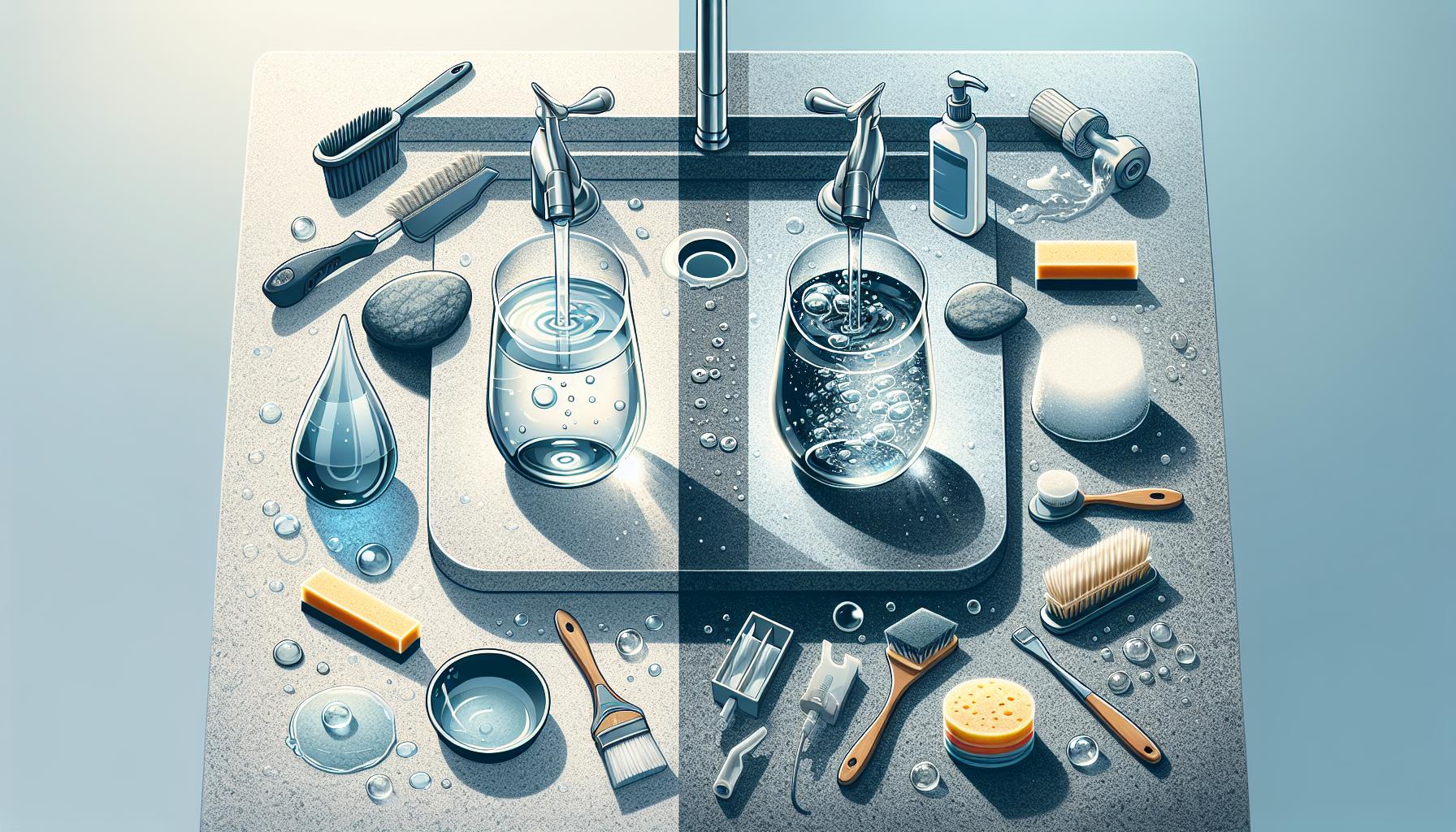
Understanding Water Stains on Granite: Causes and Effects
Water stains on granite countertops can be a frustrating issue for homeowners. These unsightly marks often occur in areas around sinks or where water spills frequently, leading to a dull appearance that detracts from the beauty of the stone. Understanding the causes of these stains is crucial to effectively treating and preventing them, ensuring your granite remains a stunning focal point in your kitchen or bathroom.
Water stains primarily result from minerals present in hard water, as well as from moisture accumulation. When water evaporates, it can leave behind deposits from these minerals, particularly calcium and magnesium, which manifest as rings or dark spots on the surface of the granite. Factors contributing to the severity of these stains include the porosity of the stone and its finish. Polished granite is more resistant to water stains compared to honed finishes; however, no surface is entirely immune.
To minimize the impact of water stains, regular maintenance is key. Here are some effective preventive measures:
- Seal Your Granite: Applying a high-quality stone sealer can help create a barrier against water penetration.
- Wipe Up Spills Promptly: Keeping your countertops dry by immediately cleaning up spills can significantly reduce the risk of stains.
- Use Coasters and Mats: Utilizing coasters under glasses and mats near sinks can help absorb excess moisture.
If you do notice water stains, addressing them quickly can improve your chances of successful removal. The “How to Get Water Stains Out of Granite? Expert Removal Guide” suggests using a straightforward mixture of baking soda and water to create a poultice, which allows the baking soda to draw out the moisture and mineral deposits without damaging the stone.
For persistent stains, it’s advisable to consult professional cleaners who specialize in natural stone maintenance, ensuring your granite surfaces remain pristine and vibrant for years to come.
Essential Tools and Materials for Stain Removal
When it comes to tackling stains, especially on something pristine like granite, having the right tools and materials can make all the difference. Proper preparation means that when those pesky water stains appear, you’ll be ready to act swiftly. This proactive approach not only helps in removing stains effectively but also prevents them from setting in, maintaining the beauty of your granite surfaces.
Essential Tools
To remove water stains from granite effectively, ensure you have the following tools on hand:
- Stiff-Bristled Brush: Ideal for loosening dirt and debris around the stained area.
- Microfiber Cloths: Soft and absorbent, these are perfect for buffing and cleaning without scratching the granite.
- Spray Bottle: Useful for applying cleaning solutions evenly over stained areas.
- Soft Scrub Pads: For gently scrubbing away stains without damaging the stone.
Cleaning Materials
Having the right cleaning materials is crucial for effective stain removal. Here are some recommended items:
- Dish Soap and Water: A simple yet effective solution that can break down grime and lift stains.
- Cream Cleaners: Specifically designed for granite surfaces, they effectively remove tough stains without scratching.
- Hydrogen Peroxide: An oxygen-based cleaner that can penetrate and lift stains effectively when used correctly.
- Granite Sealer: After stain removal, applying a sealer will help protect your surface from future blemishes.
Utilizing these tools and materials not only expedites the cleaning process but also enhances your ability to maintain the elegant look of your granite countertops. Establishing a regular maintenance routine with these essentials can significantly reduce the frequency and severity of stains, ensuring your surfaces remain as striking as ever. For best results in your cleaning endeavors, always follow up with a sturdy granite sealant, especially after deep cleaning, as suggested in guides on how to get water stains out of granite.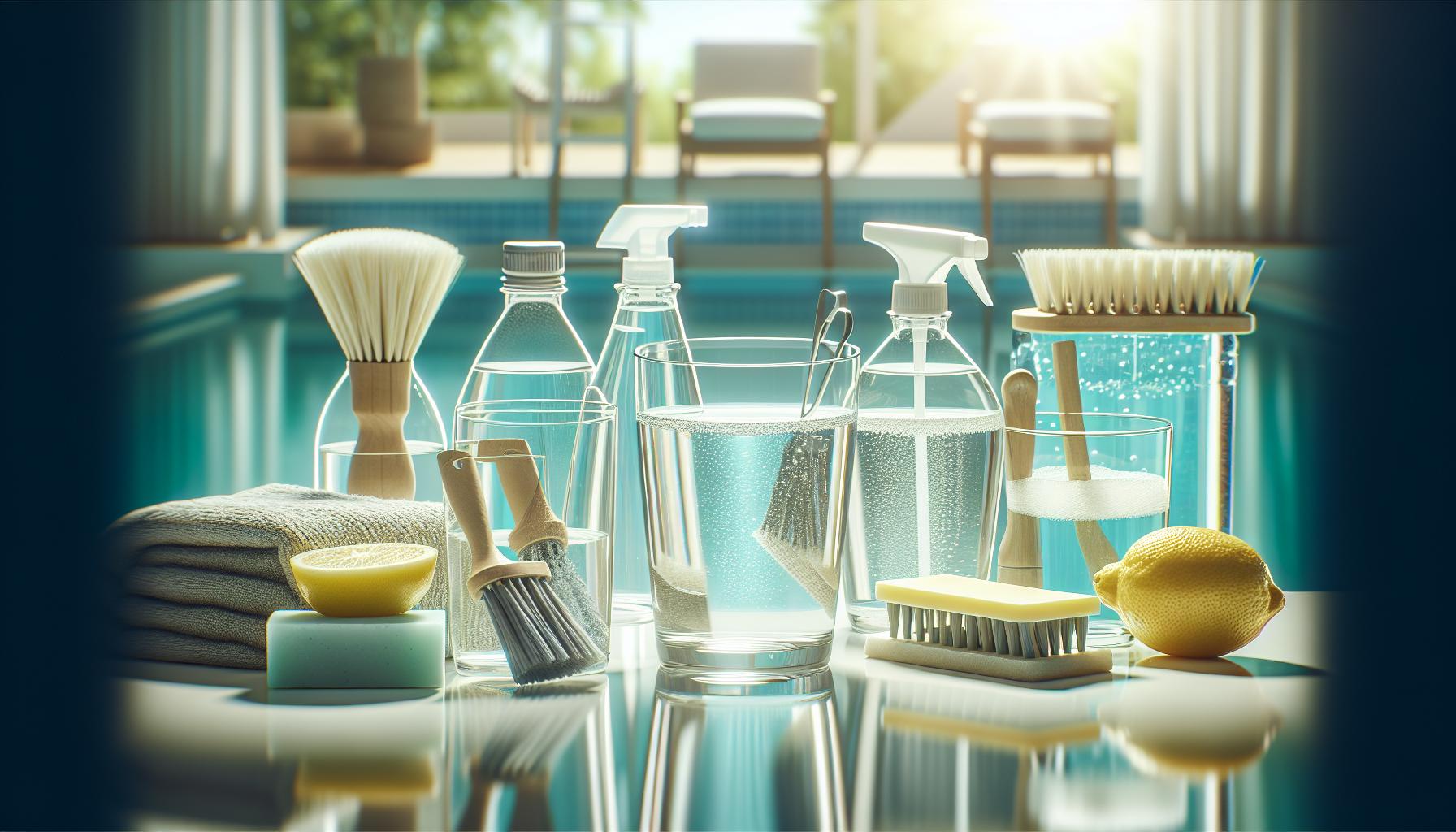
Step-by-Step Guide: How to Remove Water Stains
Maintaining the pristine appearance of granite surfaces can be a challenge, especially when it comes to pesky water stains that can occur from moisture exposure. These stains can make an otherwise stunning countertop look dull and unkempt. Fortunately, with a systematic approach, you can restore your granite’s shine and remove those unsightly marks effectively. Here’s a step-by-step guide on how to get water stains out of granite surfaces.
Preparation: Assessing the Stain
Before diving into the cleaning process, it’s crucial to understand the specific type of water stain you’re dealing with. Typically, there are two kinds: simple water stains caused by moisture and more stubborn hard water stains resulting from minerals in the water. To begin, choose an inconspicuous area of your granite to test your cleaning method first. This ensures that your approach will not damage the finish of the stone.
Supplies You Will Need
Gather the following supplies to effectively tackle water stains on granite:
- Baking soda
- Water
- Soft cloth or sponge
- Plastic wrap
- Masking tape
Step-by-Step Removal Process
Now that you have everything ready, follow these actionable steps to remove water stains:
- Create a Poultice:
– Mix baking soda with water to form a thick paste. The consistency should be similar to that of toothpaste, which helps to draw out the stains effectively.
- Apply the Poultice:
– Spread the baking soda paste onto the stained area generously, covering it completely. This is crucial for effective stain removal.
- Seal the Poultice:
– To enhance the effectiveness, cover the paste with plastic wrap and secure the edges using masking tape. This creates a humid environment, preventing the poultice from drying out too quickly and allowing it to better penetrate the stain.
- Let It Work:
– Allow the poultice to sit undisturbed for 24 hours. The time allows it to absorb the moisture and stains from the granite.
- Clean the Area:
– After 24 hours, gently peel off the plastic wrap and wipe away the dried paste with a damp sponge. Rinse the area with clean water and dry it with a soft cloth to reveal a refreshed granite surface.
Final Touches
To keep your granite table or countertop looking its best, consider resealing it if water no longer beads up on the surface. Regular maintenance and immediate attention to spills can help prevent stains from setting in the first place. Keeping your granite free from hard water stains not only enhances its beauty but also extends its lifespan.
By following these steps, you can confidently tackle those stubborn water stains and ensure that your granite surfaces remain elegant and inviting.
Preventive Measures: Keeping Your Granite Spotless
Maintaining the stunning appearance of granite surfaces requires attention and care, particularly when it comes to preventing unsightly water stains. Water can leave behind minerals and unwanted residues, which can diminish the beauty of your granite. By adopting a routine of preventive measures, you can keep your countertops looking pristine and extend their lifespan.
Effective Practices for Daily Care
To maintain your granite’s sleek surface, consider the following practices:
- Wipe Spills Immediately: Make it a habit to clean up any spills as soon as they occur. This simple step can help you avoid long-term stains and etching.
- Use Coasters and Placemats: Protect your countertops from water rings and stains by using coasters for drinks and placemats for hot items.
- Regular Cleaning: Utilize a gentle cleaner specifically designed for granite, avoiding harsh chemicals that can damage your surface.
Incorporating these habits into your daily routine will significantly reduce the risk of water stains and other damage.
Sealing Your Granite
Another crucial aspect of granite maintenance is sealing your countertops. Sealing creates a barrier that repels liquid absorption, thereby preventing stains from setting in. It’s advisable to reseal your granite every 6 to 12 months, depending on usage and exposure to moisture. A simple water test can help you decide if it’s time to reseal: sprinkle some water on the surface; if it beads up, your seal is intact. If it soaks in, it’s time to apply a new layer of sealant.
| Signs It’s Time to Reseal | Recommended Action |
|---|---|
| Water no longer beads on the surface | Apply a penetrating granite sealer |
| Visible stains or discolorations | Clean thoroughly and reseal |
| Frequent spills leading to stains | Increase sealing frequency |
By following these preventive measures and knowing how to get water stains out of granite efficiently, you can keep your granite surfaces looking beautiful and new for years to come. Regular cleaning, immediate spill response, and sealing will form an effective line of defense against water stains and other potential issues, ensuring that your investment in quality stone remains a source of pride in your home.
Professional Techniques for Stubborn Stains
Water stains on granite countertops can be exceptionally stubborn, often requiring advanced techniques beyond simple cleaning methods. To effectively tackle these persistent marks, professionals use a combination of specialized products and thorough methods to restore the granite’s original beauty without causing damage.
Advanced Cleaning Solutions
When dealing with tough water stains, consider the following effective methods:
- Baking Soda Paste: Mix baking soda with water to create a thick paste. Apply this to the stain and cover it with plastic wrap, sealing the edges to prevent evaporation. Leave it for 24 hours, then rinse off. This method works by allowing the baking soda to draw the stain out of the granite.
- Hydrogen Peroxide: For stains caused by organic materials (like coffee or food), a 12% hydrogen peroxide solution can be effective. Apply it directly to the stain, cover with plastic, and let it sit for several hours. Always test on an inconspicuous area first to ensure it’s safe for your countertop.
- Commercial Stain Removers: There are many commercial products designed specifically for granite surfaces. Look for ones labeled as “safe for granite” and follow the manufacturer’s directions closely.
Professional Deep Cleaning
Sometimes, water stains require a more hands-on approach that may be better suited for professional cleaners. They often employ:
- Poulticing: This technique involves applying a paste made from an absorbent material (like talc or diatomaceous earth) mixed with a solvent. The paste is applied to the stain, drawing out impurities as it dries. This method can be particularly effective for deeper stains.
- Buffing: For exceptionally difficult stains, professionals may use a grinding tool with a special diamond pad designed for stone surfaces. This helps to remove the affected layer of granite without damaging the countertop.
Preventive Measures
To keep your granite countertops looking pristine and avoid stubborn stains in the future, regular maintenance is essential. Here are some tips:
- Seal your granite regularly, typically once a year, to protect against stains.
- Wipe up spills immediately to prevent water and other liquids from settling into the stone.
- Use coasters and cutting boards to minimize direct contact with liquids and sharp objects.
By implementing these professional techniques and preventive steps, you can effectively manage and remove water stains from your granite surfaces. This guide emphasizes the significance of addressing stains promptly while ensuring the longevity and beauty of your countertops through regular care.
Common Mistakes to Avoid When Cleaning Granite
Maintaining the pristine appearance of granite countertops is essential for homeowners, but it’s all too easy to fall into common cleaning traps that can do more harm than good. Many people unknowingly use incorrect techniques or products that can damage the stone or leave it looking dull and stained. Understanding these mistakes can be crucial when learning how to get water stains out of granite effectively.
Using Harsh Cleaners
One of the biggest pitfalls is reaching for harsh or abrasive cleaners. These products can strip away the protective sealant on your granite, making it more susceptible to stains and dulling its finish. It’s essential to choose gentle cleaners specifically designed for granite. Always check the labels to ensure that no acidic ingredients are present as these can cause etching on the surface.
Neglecting to Dry Properly
After cleaning, many people forget an essential step: drying the countertop properly. Leaving water on the surface can lead to unsightly water stains that are difficult to remove. Use a soft, dry cloth to wipe down your countertops thoroughly. This simple step can make a significant difference in maintaining the glossy finish of your granite.
Failing to Use the Right Tools
The tools you use can significantly affecting your granite’s longevity. Avoid scrub brushes or rough sponges, as they can scratch the surface. Instead, opt for microfiber cloths, which are soft and effective in collecting dirt without causing damage. Furthermore, regular polishing with a granite-safe product, such as Stone Care International’s 3-in-1 spray, can enhance shine while providing a protective barrier against stains and scratches [[1]](https://www.hunker.com/1730876/granite-countertop-care-maintenance-clean-mistakes/).
Ignoring Regular Maintenance
Finally, overlooking regular maintenance can lead to bigger issues down the line. Granite should be resealed approximately every one to two years, depending on usage and the type of granite. Regular sealing protects against moisture penetration and staining, ensuring your countertops remain vibrant and easy to clean. Remember, preventing stains is always easier than removing them—an invaluable insight when considering how to get water stains out of granite.
By avoiding these common cleaning mistakes, you can effectively maintain your granite surfaces, keeping them looking beautiful and extending their life.
Natural Remedies: Eco-Friendly Solutions for Granite Care
Granite countertops are not only a stunning addition to any kitchen or bathroom but also require careful maintenance to preserve their beauty. Water stains can be a common issue, caused by spilled drinks or condensation from cooler surfaces. To address this and maintain the glossy finish of your granite, eco-friendly solutions are both effective and gentle on the environment. These natural remedies not only help in removing water stains but also ensure that your granite remains in top condition without the use of harsh chemicals.
Natural Cleaning Solutions
To create a natural cleaner for granite, consider these simple, eco-friendly ingredients:
- Baking Soda Paste: Mix baking soda with a small amount of water to form a paste. Apply this to the stained area, let it sit for 5-10 minutes, and gently scrub with a soft cloth. Rinse thoroughly afterward.
- Castile Soap Solution: Combine a few drops of liquid Castile soap with warm water in a spray bottle. Use this mixture to clean the surface, wiping with a soft cloth to avoid scratching.
- Vegetable Oil for Polishing: For added shine, a small amount of vegetable oil can be applied to the granite. Buff it with a soft, dry cloth to restore its luster while providing a protective layer.
These remedies not only clean but also help maintain the integrity of the granite’s sealant, ensuring longevity and beautiful appearance.
Preventive Measures
While knowing how to get water stains out of granite is crucial, prevention is equally important. Here are some actionable tips to keep your countertops looking their best:
| Tip | Description |
|---|---|
| Wipe spills immediately | Quickly cleaning up spills helps prevent stains from setting in. |
| Use coasters and mats | Place coasters under beverages and use placemats to protect the surface from moisture. |
| Seal regularly | Apply a stone sealer every 6-12 months to maintain the protective layer on your granite. |
By implementing these easy yet effective practices, you can significantly reduce the chances of water stains while keeping your granite countertops looking like new. Remember that regular maintenance combined with eco-friendly cleaning solutions is the key to preserving the elegance of your granite surfaces.
When to Seek Professional Help for Stain Removal
When you encounter a persistent stain on your granite surfaces, it can be both frustrating and concerning. While basic cleaning methods can work wonders on minor spills, there are specific scenarios where professional assistance becomes necessary. Understanding these situations will not only save you time and effort but also ensure the longevity and integrity of your beautiful granite.
Signs that Professional Help is Needed
There are several indicators that suggest it might be time to consult with a professional stain removal service:
- Deep Stains: If stains penetrate beyond the surface and ordinary cleaning fails, professionals possess specialized treatments that can reach deeper layers.
- Type of Stain: Certain stains, like oil or ink, may require chemical treatments that are not safe for DIY attempts. Professionals can accurately identify the stain type and apply the correct method.
- Surface Damage: If you notice scratches, etch marks, or discoloration around the stain, it may require expert restoration to avoid further damage.
- Previous Attempts Have Failed: If home remedies and conventional methods have not yielded results, seeking expertise can often prevent further frustration.
Choosing to engage a professional service ensures access to advanced cleaning techniques, suitable for various materials. Companies, such as those specializing in carpet cleaning like First Choice Carpet Cleaner and Arevalo Bros Chem-Dry, have the experience and tools necessary to tackle even the toughest stains.
Benefits of Professional Stain Removal Services
Opting for professional intervention not only provides a solution to your immediate cleaning dilemma but also safeguards your investment in high-quality granite. Experts are trained to recognize underlying issues that could cause further staining or damage if not addressed properly.
In summary, knowing when to reach out for professional stain removal can save both your countertops and your sanity. The right professionals can make all the difference, providing you with the peace of mind that comes from knowing your surfaces are being taken care of with the utmost care and expertise.
Q&A
How to Get Water Stains Out of Granite?
To effectively remove water stains from granite, gently rub a paste made from baking soda and water on the stain. Allow it to sit for 10–15 minutes, then rinse with warm water.
Water stains often occur when moisture sits on the surface, but using baking soda creates a mild abrasive that lifts the stain. For tough stains, you might need to repeat the process. Always ensure your granite is well-sealed to prevent future stains.
What causes water stains on granite?
Water stains on granite occur due to mineral deposits left behind when water evaporates, often exacerbated by porous areas on the stone.
This issue usually arises when water spills sit on the surface without being wiped away immediately. Sealing your granite regularly can help prevent these stains by reducing the stone’s porosity.
Can I use vinegar to remove water stains from granite?
No, using vinegar on granite is not advisable as its acidic nature can damage the stone and worsen stains.
Instead, opt for pH-balanced cleaners specifically designed for granite. These help clean without causing harm, ensuring the longevity of your stone while effectively removing stains.
Is it safe to use commercial stain removers on granite?
Yes, many commercial stain removers are safe for granite, but always check for labels that specify they are granite-friendly.
When using a commercial product, apply it according to manufacturer instructions. It’s often wise to test a small, inconspicuous area first to avoid any potential damage.
How can I prevent water stains on granite?
To prevent water stains, make sure to seal your granite regularly and quickly wipe up spills.
A good seal reduces the stone’s porosity, while a quick response to spills ensures that moisture does not linger long enough to create stains. Consider using coasters and placemats in areas prone to spills.
Can I remove deep water stains from granite?
Deep water stains may require professional treatment or poultices, which can draw the stains out.
For stubborn stains, contacting a professional stone restoration service is often the best option. They can use specialized techniques to restore your granite effectively.
What types of granite are more prone to water stains?
Granite varieties that are more porous, such as lighter-colored stones, can be more susceptible to water stains.
Choosing a granite with a dense structure and ensuring proper sealing can help mitigate the risk of staining. Always check with your supplier for the best maintenance tips.
To Wrap It Up
In summary, removing water stains from granite countertops doesn’t have to be a daunting task. Start by understanding the nature of the stains—simple water marks can often be wiped away easily, while more stubborn stains might require a poultice made from baking soda and water. Regularly sealing your granite can prevent these stains from forming in the first place. Remember, when you notice the water no longer beading up on the surface, it’s a clear sign that resealing is needed. With these practical tips and techniques at your disposal, you’re well-equipped to tackle any water stain challenge. For more detailed strategies and expert advice, be sure to explore further resources that can enhance your granite care routine!


